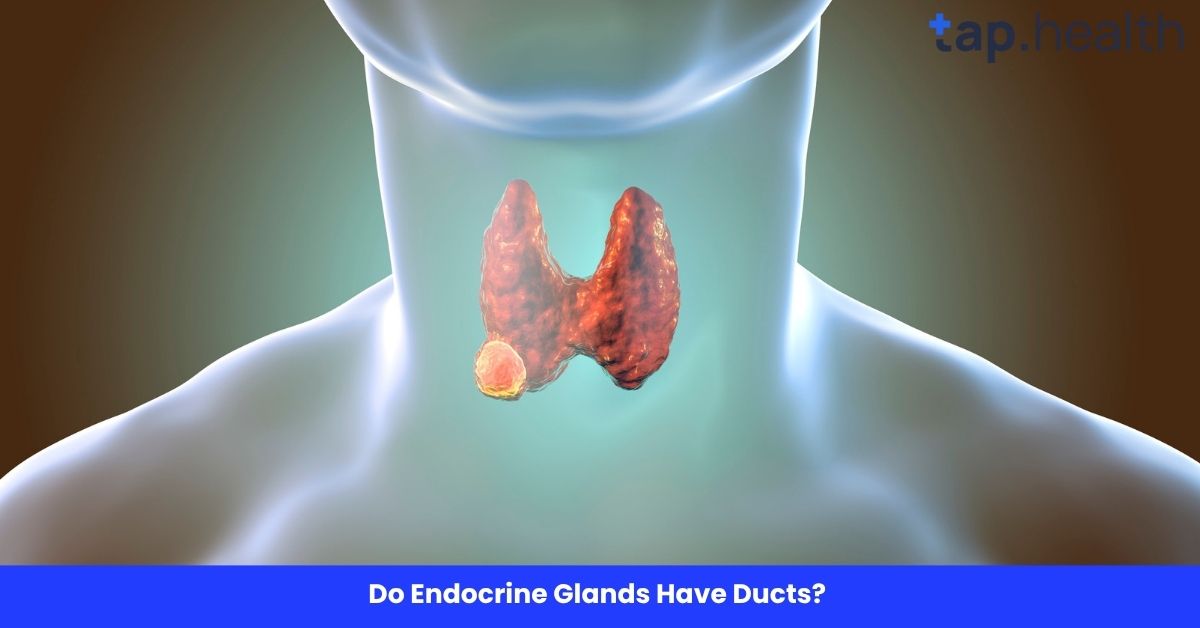
When we talk about the human body’s intricate systems, the endocrine system often comes up. It plays a crucial role in regulating many bodily functions through hormones, which are produced by endocrine glands. However, one common question that arises is: Do endocrine glands have ducts?
In this blog post, we will explain what endocrine glands are, whether they have ducts, how they work, and what makes them different from other types of glands. We’ll also look at how they impact your body’s health and some common questions people ask about them.
What Are Endocrine Glands?
Before answering the question of whether endocrine glands have ducts, it’s important to understand what endocrine glands are and what role they play in the body.
Endocrine glands are specialized organs in the body that produce and secrete hormones directly into the bloodstream. These hormones act as chemical messengers, influencing various functions like growth, metabolism, and mood regulation. The major endocrine glands in the human body include the pituitary gland, thyroid gland, adrenal glands, pancreas, and gonads (ovaries and testes).
Functions of Endocrine Glands:
- Regulating metabolism
- Controlling growth and development
- Maintaining homeostasis (balance of bodily functions)
- Regulating mood and emotions
- Managing reproductive functions
- Controlling immune system responses
Do Endocrine Glands Have Ducts?
Endocrine Glands Do Not Have Ducts
The simple answer to whether endocrine glands have ducts is no. Endocrine glands do not have ducts. Unlike exocrine glands, which secrete their products (such as enzymes or sweat) through ducts to an external surface or a body cavity, endocrine glands release their secretions directly into the bloodstream.
This means that instead of using ducts to transport their products to a particular location, endocrine glands have vascular networks around them, allowing hormones to diffuse directly into the blood and travel to various target organs or tissues throughout the body.
Why Don’t Endocrine Glands Have Ducts?
Endocrine glands are specialized to release hormones into the bloodstream rather than onto a surface. Their primary function is to regulate internal body processes, not to release substances like enzymes or mucus that are secreted externally. Therefore, these glands rely on blood vessels to distribute their secretions throughout the body.
What Are the Differences Between Endocrine and Exocrine Glands?
Now that we know that endocrine glands do not have ducts, it’s helpful to compare them with exocrine glands, which do have ducts.
1. Endocrine Glands
- Ducts: No ducts.
- Secretions: Hormones are secreted directly into the bloodstream.
- Function: Regulate internal body functions like metabolism, growth, and mood.
- Examples: Pituitary gland, thyroid, adrenal glands, pancreas (also has exocrine function).
2. Exocrine Glands
- Ducts: Have ducts to carry their secretions to external surfaces or body cavities.
- Secretions: Produce substances like enzymes, sweat, and mucus.
- Function: Involved in processes like digestion (enzymes) and thermoregulation (sweat).
- Examples: Sweat glands, salivary glands, mammary glands, and liver (secretes bile into the digestive system).
What Do Endocrine Glands Secrete?
Endocrine glands secrete hormones, which are crucial for regulating various bodily functions. Hormones are chemicals that act as messengers, traveling through the bloodstream to target organs and tissues.
Some of the main hormones secreted by different endocrine glands include:
1. Pituitary Gland
The pituitary gland is often called the “master gland” because it controls other endocrine glands. It secretes several important hormones, such as:
- Growth hormone (GH): Regulates growth and development.
- Thyroid-stimulating hormone (TSH): Stimulates the thyroid gland to produce thyroid hormones.
- Prolactin: Stimulates milk production in females.
2. Thyroid Gland
The thyroid gland produces hormones that regulate metabolism. These include:
- Thyroxine (T4) and Triiodothyronine (T3): Regulate metabolism and energy levels.
- Calcitonin: Helps regulate calcium levels in the blood.
3. Adrenal Glands
The adrenal glands secrete hormones involved in stress responses, metabolism, and immune function, including:
- Adrenaline: Increases heart rate and energy in response to stress.
- Cortisol: Regulates metabolism and stress response.
- Aldosterone: Regulates blood pressure and sodium levels.
4. Pancreas
While the pancreas also has an exocrine function (secreting digestive enzymes), its endocrine function involves the release of hormones like:
- Insulin: Lowers blood sugar levels.
- Glucagon: Raises blood sugar levels.
- Somatostatin: Regulates insulin and glucagon release.
Why Are Ducts Not Needed in Endocrine Glands?
Ducts are structures that allow exocrine glands to release their products onto external surfaces. In the case of endocrine glands, however, hormones need to reach their target organs through the bloodstream. Since these hormones are carried by blood, ducts are not necessary. Here’s why:
- Hormones need to circulate: For hormones to regulate distant organs and tissues, they must be released into the bloodstream, allowing them to travel throughout the body.
- Targeted action: Hormones don’t need to be released at specific external sites, unlike enzymes or other exocrine substances. Instead, they enter the bloodstream and act on specific target cells or organs.
- Internal regulation: The role of hormones is to regulate internal body processes (growth, metabolism, etc.), making it unnecessary to have ducts like exocrine glands.
Real-Life Scenario
Consider the thyroid gland, which produces hormones like thyroxine. These hormones are released directly into the blood rather than through a duct. Once in circulation, thyroxine regulates metabolism, heart rate, and energy levels throughout the body. Without ducts, endocrine glands efficiently deliver hormones system-wide.
Expert Contribution
Endocrinologists explain that the ductless nature of endocrine glands allows hormones to act on distant organs, making them essential for maintaining homeostasis. Hormonal imbalances, such as in hypothyroidism or diabetes, illustrate how crucial this direct blood transport is for normal body function.
Recommendations Grounded in Proven Research and Facts
- Understand hormone delivery: Knowing that endocrine glands are ductless helps in understanding conditions like diabetes, thyroid disorders, and adrenal insufficiency.
- Monitor endocrine health: Regular check-ups and blood tests can detect hormonal imbalances early.
- Support gland function naturally: Adequate nutrition, stress management, and sleep promote healthy hormone production.
- Stay informed: Research shows that endocrine-disrupting chemicals (like BPA) can interfere with ductless hormone signaling, highlighting the importance of minimizing exposure.
FAQ Common Questions About Endocrine Glands
1. What is the main difference between endocrine and exocrine glands?
Endocrine glands do not have ducts and secrete hormones directly into the bloodstream. Exocrine glands, on the other hand, have ducts that carry their secretions (such as enzymes or sweat) to external surfaces or body cavities.
2. Can endocrine glands secrete other substances besides hormones?
No, endocrine glands primarily secrete hormones. However, some glands like the pancreas also have exocrine functions, where they secrete digestive enzymes.
3. Why are ducts necessary for exocrine glands?
Ducts are necessary for exocrine glands because they need a pathway to release substances like sweat, saliva, or digestive enzymes onto external surfaces or into body cavities (e.g., the digestive tract).
4. What are examples of glands that have ducts?
Examples of exocrine glands that have ducts include salivary glands, sweat glands, and the liver (which secretes bile through the bile duct into the digestive system).
5. What would happen if endocrine glands had ducts?
If endocrine glands had ducts, they would release hormones into specific locations instead of the bloodstream. This would make it harder for hormones to reach distant target organs and interfere with their regulatory functions.
Conclusion
To summarize, endocrine glands do not have ducts. Instead, they release hormones directly into the bloodstream, where they can travel to various parts of the body to regulate important processes like growth, metabolism, and mood. Understanding this distinction helps clarify the difference between endocrine and exocrine glands and highlights the crucial role of hormones in maintaining bodily functions.
By keeping the endocrine system in balance, we can ensure that these glands work optimally, contributing to overall health and well-being.