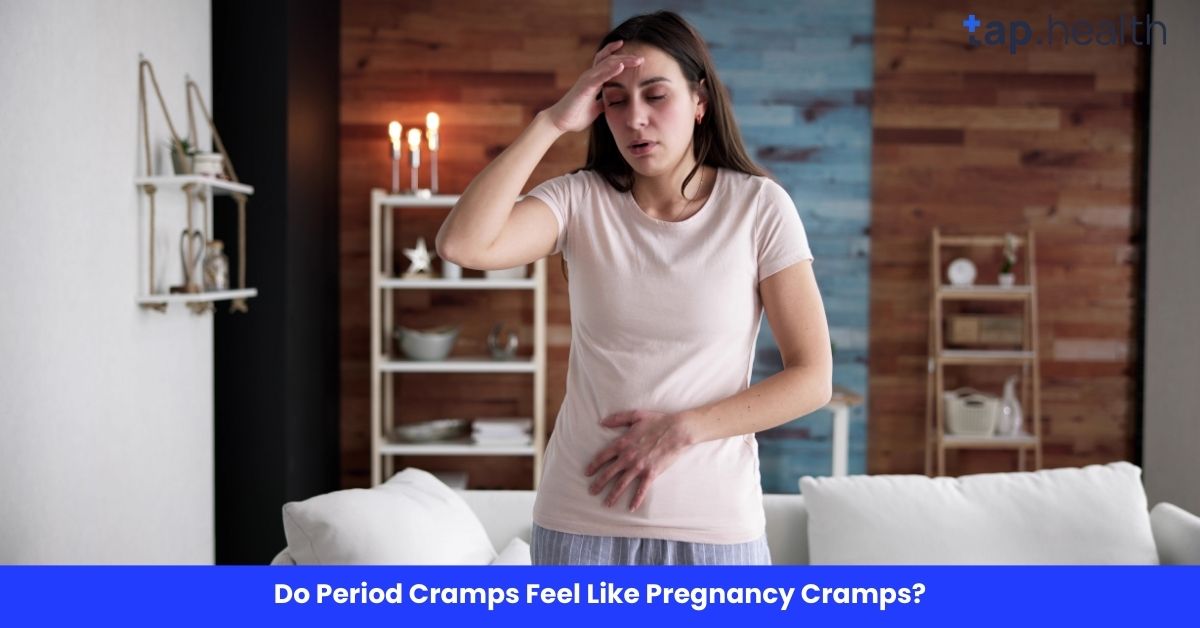
When a woman experiences cramps, whether they’re related to her menstrual cycle or early pregnancy, the pain can be confusing. Many women often wonder, “Do period cramps feel like pregnancy cramps?” It’s a valid question, and the short answer is: Not exactly. While both types of cramps may feel similar in some ways, they are different in their causes, intensity, and accompanying symptoms. Understanding the differences between menstrual cramps and pregnancy cramps can help you figure out what’s going on in your body, whether you’re trying to conceive or suspect you may be pregnant.
In this article, we’ll dive deep into the differences between period cramps and pregnancy cramps. We’ll explore what each type feels like, how to distinguish between the two, and what other symptoms you may experience. Plus, we’ll provide helpful tips for managing both.
What Are Period Cramps?
Period cramps, also known as dysmenorrhea, are common during menstruation. They happen when the uterus contracts to help shed its lining. These cramps typically begin a day or two before or at the start of your period, and they can last anywhere from a few hours to a couple of days. The severity of the cramps can vary depending on the individual.
Why Do Period Cramps Occur?
Period cramps occur due to the prostaglandins released during menstruation. These are hormone-like substances that help the uterus contract to shed the uterine lining. If there are higher levels of prostaglandins, the contractions tend to be stronger and more painful.
There are two types of period cramps:
- Primary dysmenorrhea: This type of cramping is common in women without underlying medical conditions. It is simply due to the normal menstrual cycle.
- Secondary dysmenorrhea: This type is caused by an underlying condition, such as endometriosis or fibroids, which can make the cramps more intense.
What Do Period Cramps Feel Like?
Period cramps usually feel like a dull or sharp pain in the lower abdomen or pelvic area. Some women experience:
- Tightening or sharp pain that comes in waves
- Back pain or lower back discomfort
- Throbbing or aching sensations
- Pain radiating to the thighs
In some cases, cramps can be accompanied by nausea, headaches, and fatigue.
What Are Pregnancy Cramps?
Pregnancy cramps can happen early in pregnancy, usually in the first trimester, as the body adjusts to support the developing baby. Unlike period cramps, pregnancy cramps are caused by different processes.
Why Do Pregnancy Cramps Occur?
Pregnancy cramps occur due to the growth of the uterus and the body’s hormonal changes. As the uterus begins to expand to accommodate the baby, the ligaments and muscles in the pelvic region stretch, causing discomfort. Additionally, the hormonal changes in early pregnancy can also influence the body’s response to physical stress, leading to cramping sensations.
What Do Pregnancy Cramps Feel Like?
Pregnancy cramps are often described as a mild, dull, or achy sensation in the lower abdomen or pelvic area, but they can also feel like twinges, sharp pains, or pulling sensations. They are usually less intense than period cramps and are often more spread out over time, occurring intermittently rather than in waves.
Some symptoms that might accompany pregnancy cramps include:
- Twinges or pulling sensations in the lower abdomen
- Bloating or a feeling of fullness
- Mild backache
- Frequent need to urinate
Are Pregnancy Cramps More Intense Than Period Cramps?
In most cases, pregnancy cramps are milder than menstrual cramps. However, the intensity of cramps can vary. If cramping becomes more intense or is accompanied by bleeding, this could be a sign of a miscarriage or an ectopic pregnancy, which requires immediate medical attention.
Key Differences Between Period Cramps and Pregnancy Cramps
While period cramps and pregnancy cramps may seem similar at first, there are important differences that can help you distinguish between the two.
1. Timing of the Cramps
- Period Cramps: Period cramps usually begin a day or two before your period starts or on the first day of menstruation. They can last for several hours to a few days.
- Pregnancy Cramps: Pregnancy cramps typically occur early in pregnancy (around the time of implantation or shortly after). These cramps are intermittent and may last for several weeks, but they are usually mild and less intense than period cramps.
2. Pain Intensity
- Period Cramps: Period cramps can range from mild to severe. They are often described as sharp or cramping and can cause significant discomfort, especially for women with primary dysmenorrhea.
- Pregnancy Cramps: Pregnancy cramps are usually milder and are described as a pulling or stretching sensation in the abdomen. They tend to be less painful than period cramps.
3. Accompanying Symptoms
- Period Cramps: Period cramps are often accompanied by other menstruation-related symptoms, such as bloating, headaches, nausea, mood swings, and fatigue.
- Pregnancy Cramps: Pregnancy cramps are usually accompanied by other early pregnancy symptoms, including missed periods, nausea (morning sickness), breast tenderness, fatigue, and frequent urination.
4. Duration and Frequency
- Period Cramps: Period cramps generally occur on the first day or two of your period and can last for a few hours or up to 48 hours.
- Pregnancy Cramps: Pregnancy cramps may occur intermittently and can last for several weeks, especially during early pregnancy. They are often mild and occur sporadically.
When Should You Be Concerned About Cramps?
While mild cramping is common in both menstruation and early pregnancy, certain symptoms should raise concern. Here’s when you should consult your doctor:
1. Severe or Persistent Cramps
- Period Cramps: If your period cramps are severely painful and don’t improve with over-the-counter medication or rest, it could indicate an underlying condition such as endometriosis, fibroids, or pelvic inflammatory disease.
- Pregnancy Cramps: If the cramps are severe or persistent, especially if accompanied by heavy bleeding or painful urination, it could be a sign of an ectopic pregnancy or miscarriage. Seek medical attention immediately if these symptoms occur.
2. Cramping With Bleeding in Pregnancy
In early pregnancy, mild cramping can be normal. However, if you experience heavy bleeding along with cramps, this could indicate a miscarriage or other complications like an ectopic pregnancy. Always contact your healthcare provider in such cases.
3. Pain Accompanied by Vomiting or Fever
If cramps, whether menstrual or pregnancy-related, are accompanied by fever, nausea, or vomiting, this could be a sign of infection or other complications that require immediate attention.
How to Manage Cramps: Period vs. Pregnancy
Both period cramps and pregnancy cramps can be uncomfortable, but there are ways to manage them. Here are some tips for relief:
1. Managing Period Cramps
- Over-the-counter medications: Nonsteroidal anti-inflammatory drugs (NSAIDs), such as ibuprofen or naproxen, can help relieve pain and inflammation.
- Heat therapy: Applying a heating pad or hot water bottle to the lower abdomen can soothe cramping and help relax the muscles.
- Gentle exercise: Low-impact exercises, such as walking or yoga, can improve circulation and reduce cramping.
- Rest: Taking it easy during your period can help reduce the severity of cramps.
2. Managing Pregnancy Cramps
- Rest: Relaxing and avoiding strenuous activities can help manage mild pregnancy cramps.
- Hydration: Drink plenty of water to prevent dehydration, which can worsen cramping.
- Prenatal yoga: Light stretching or prenatal yoga can relieve muscle tension and ease cramping.
- Warm baths: A warm bath can help soothe your body and reduce cramping.
Real-Life Scenario
A woman waiting for her period may feel cramping and wonder if it’s a sign of early pregnancy instead. The cramps feel similar, but when no bleeding follows, and other signs like breast tenderness or fatigue appear, it could be pregnancy-related rather than period pain.
Expert Contribution
Gynecologists explain that period cramps are caused by prostaglandins, chemicals that make the uterus contract to shed its lining. In pregnancy, mild cramps are linked to uterine growth, implantation, and hormonal changes.
Experts also highlight that severe or persistent cramping during pregnancy should not be ignored, as it may indicate complications such as ectopic pregnancy or miscarriage.
Recommendations Grounded in Proven Research and Facts
- Track your cycle: Knowing when your period is due can help distinguish between period cramps and pregnancy cramps.
- Notice other symptoms: Pregnancy often includes nausea, missed periods, and breast changes, while period cramps usually come with bleeding.
- Use safe pain relief: For period cramps, heat therapy and over-the-counter medication may help. For pregnancy cramps, rest, hydration, and gentle stretching are usually recommended.
- Seek medical advice: If cramps are severe, prolonged, or accompanied by unusual symptoms, consult a doctor immediately.
FAQ on Do Period Cramps Feel Like Pregnancy Cramps?
1. Do period cramps feel like pregnancy cramps?
While both types of cramps occur in the abdominal area, period cramps are usually more intense and occur around menstruation, while pregnancy cramps are typically milder and occur as the uterus expands during early pregnancy.
2. Can you confuse period cramps with pregnancy cramps?
Yes, it’s possible to confuse the two, especially in early pregnancy. Both types of cramps can feel similar, but pregnancy cramps tend to be more mild and intermittent, whereas period cramps are often more intense and come in waves.
3. Are pregnancy cramps more painful than period cramps?
Generally, period cramps tend to be more painful than pregnancy cramps. Pregnancy cramps are usually milder and felt as a stretching or pulling sensation, while period cramps can range from mild to severe.
4. What are other signs that pregnancy cramps are different from period cramps?
Pregnancy cramps are often accompanied by other pregnancy symptoms such as missed periods, breast tenderness, fatigue, and nausea, while period cramps are typically associated with menstruation-related symptoms like bloating and headaches.
5. When should I see a doctor about cramps?
You should consult a doctor if you experience severe cramps, heavy bleeding, or cramps accompanied by fever, nausea, or vomiting, as these could indicate a medical issue that requires attention, whether during your period or pregnancy.
In conclusion, period cramps and pregnancy cramps can feel similar, but they are caused by different processes. Understanding the distinctions between them can help you manage symptoms more effectively and determine when it’s time to consult a healthcare provider. Always listen to your body and seek medical advice if you experience any concerning symptoms.