tap.health logo
  • Diabetes Management
  • Health Assistant
  • About Us
  • Blog
  • Contact Us
Get Plan
  • Diabetes Management
  • Health Assistant
  • About Us
  • Blog
  • Contact Us
  • All Blogs
  • Diabetes
  • Do Steroids Raise Blood Sugar in Non-Diabetics? Exploring the Effects on Blood Glucose

Do Steroids Raise Blood Sugar in Non-Diabetics? Exploring the Effects on Blood Glucose

Diabetes
January 16, 2026
• 6 min read
Yasaswini Vajupeyajula
Written by
Yasaswini Vajupeyajula
Isha Yadav
Reviewed by:
Isha Yadav
ChatGPT Perplexity WhatsApp LinkedIn X Grok Google AI
Do Steroids Raise Blood Sugar in Non-Diabetics? Exploring the Effects on Blood Glucose

Steroids are powerful medications used to treat a variety of conditions, from inflammation and autoimmune diseases to allergies and asthma. But if you’re a non-diabetic and prescribed steroids, you might be wondering: Do steroids raise blood sugar in non-diabetics?

In this article, we’ll explore how steroids can affect blood sugar levels, even in people who don’t have diabetes. We’ll explain the connection between steroids and blood glucose, the short-term and long-term effects, and what you can do to manage your blood sugar while using steroids.


What Are Steroids and How Do They Work?

Steroids are synthetic drugs that mimic the effects of hormones produced naturally by the adrenal glands, such as cortisol. There are two primary types of steroids:

  1. Corticosteroids – These are used to reduce inflammation and treat conditions like arthritis, asthma, and allergic reactions. They are the type most commonly associated with changes in blood sugar levels.
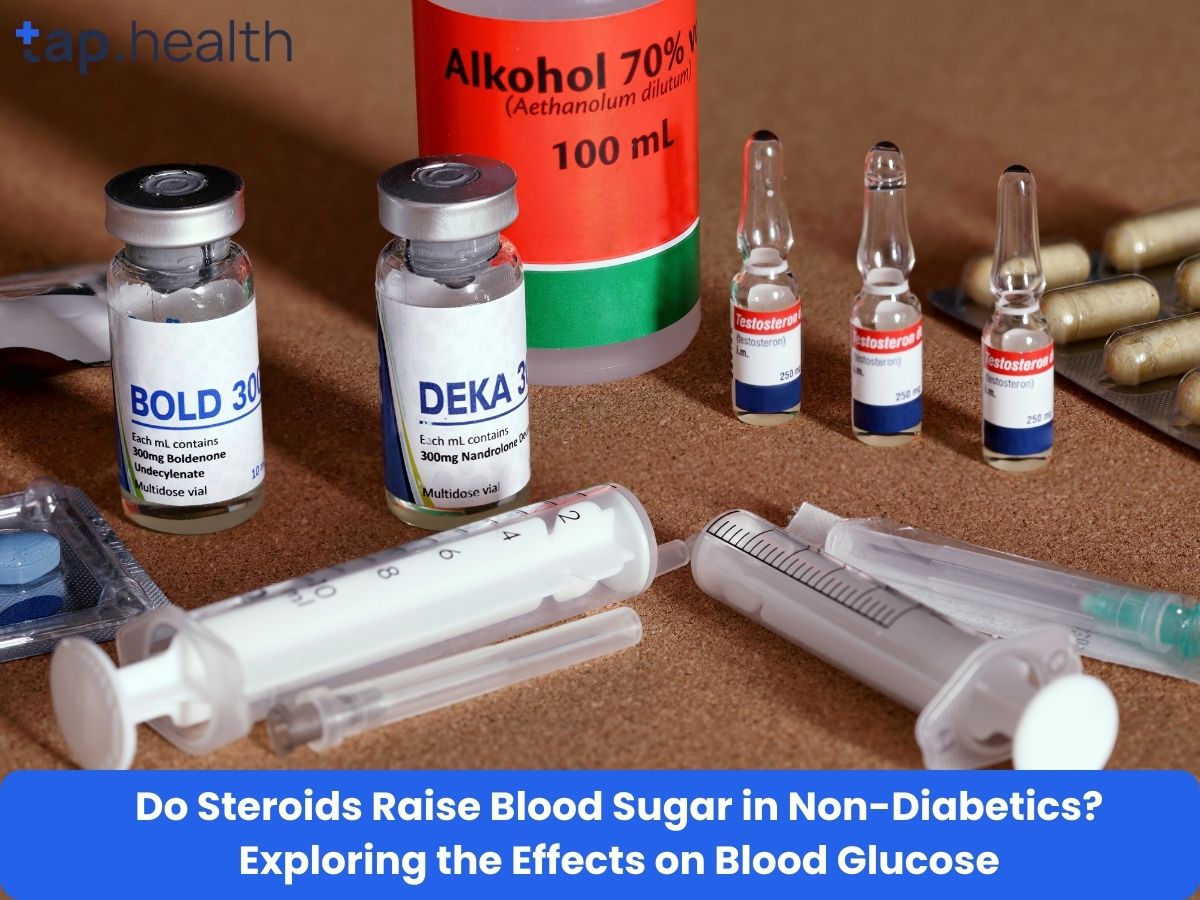
  2. Anabolic Steroids – These are synthetic derivatives of testosterone, often used by athletes and bodybuilders to increase muscle mass and improve performance. They have a different effect on the body but can also impact metabolism.

For the purpose of this article, we will focus on corticosteroids and their potential to raise blood sugar levels, even in individuals who do not have diabetes.


How Do Steroids Affect Blood Sugar?

Corticosteroids like prednisone, hydrocortisone, and dexamethasone are often prescribed to manage conditions involving inflammation, autoimmune diseases, and some cancers. While these medications are highly effective at reducing inflammation and controlling symptoms, they can also have side effects on your metabolism, particularly blood sugar regulation.

Steroids raise blood sugar levels by:

1. Increasing Glucose Production in the Liver

Corticosteroids stimulate the liver to produce more glucose (a process known as gluconeogenesis). When your liver releases more glucose into the bloodstream, it can cause a rise in blood sugar levels.

2. Decreasing Insulin Sensitivity

Steroids can make the body less sensitive to insulin, the hormone that helps regulate blood sugar levels. Insulin resistance occurs when the body’s cells do not respond well to insulin, leading to higher blood sugar levels. Even in non-diabetics, this can be a temporary issue while on steroids.

3. Inhibiting Insulin Secretion

Steroids can also inhibit the pancreas from secreting enough insulin to keep up with the increased blood sugar levels. This can lead to higher glucose levels in the blood.

These effects are typically seen when people are on high doses of steroids for a prolonged period. Short-term use may cause minor, temporary increases in blood sugar, while long-term use can lead to more significant and lasting issues.


Can Steroids Cause Diabetes in Non-Diabetics?

In the short term, steroid-induced hyperglycemia (high blood sugar) is common, but for non-diabetics, this does not necessarily lead to the development of diabetes. However, prolonged use of steroids, especially in high doses, can increase the risk of developing type 2 diabetes.

The Link Between Steroid Use and Diabetes

When a person takes steroids over a long period, the resulting insulin resistance can strain the body’s ability to regulate blood sugar. While this may not immediately cause diabetes, it increases the risk, especially if other factors like obesity, poor diet, and lack of exercise are present.

Steroids can also contribute to weight gain, another factor that can increase the risk of developing type 2 diabetes. Corticosteroids can cause changes in fat distribution, often leading to fat accumulation in the abdomen, which is a key risk factor for insulin resistance.

Steroids and Type 2 Diabetes Development

For non-diabetics who are predisposed to type 2 diabetes (for example, those with a family history of diabetes or those who are overweight), using steroids for extended periods can significantly raise the likelihood of developing the condition. A study published in the journal Diabetologia found that corticosteroid use is associated with a 2-3 times higher risk of developing diabetes in people who were previously healthy.


What Are the Symptoms of Steroid-Induced High Blood Sugar?

If you are taking steroids, it’s important to be aware of the symptoms of high blood sugar. These can include:

  • Increased thirst and dry mouth
  • Frequent urination
  • Fatigue or tiredness
  • Blurred vision
  • Headaches

While these symptoms may be mild for non-diabetics, they could still indicate that your blood sugar levels are rising and need to be addressed. If you experience these symptoms while on steroids, it’s a good idea to check your blood sugar and talk to your healthcare provider.


How Long Do the Effects of Steroids on Blood Sugar Last?

The duration of steroid-induced blood sugar changes depends on several factors, including:

  • The dose and type of steroid: High doses of corticosteroids have a stronger and longer-lasting impact on blood sugar. Short-term use typically results in temporary changes in blood glucose, while long-term use can lead to more significant problems.
  • The duration of steroid use: Prolonged use of corticosteroids increases the chances of developing persistent insulin resistance and higher blood sugar.
  • Individual factors: People with a predisposition to diabetes or those who are overweight may be more likely to experience lasting changes in blood sugar levels.

In most cases, once steroids are tapered off or discontinued, blood sugar levels return to normal. However, in some cases, persistent high blood sugar may remain, especially if the person was on steroids for a long time.


Managing Blood Sugar While on Steroids

If you’re taking steroids and concerned about their impact on your blood sugar, here are some strategies to help manage your blood glucose levels:

1. Monitor Your Blood Sugar Regularly

If you are on steroids, it’s important to monitor your blood sugar levels regularly, especially if you have a history of diabetes or insulin resistance. This will help you catch any changes in your blood sugar before they become a bigger issue.

2. Watch Your Diet

A balanced diet can help you manage your blood sugar while on steroids. Focus on foods that have a low glycemic index (GI), such as whole grains, vegetables, and lean proteins. Avoid sugary foods and processed carbohydrates, which can cause blood sugar to spike.

3. Exercise Regularly

Physical activity helps improve insulin sensitivity, which can counteract some of the effects of steroids on blood sugar. Aim for at least 30 minutes of moderate exercise most days of the week.

4. Work with Your Healthcare Provider

If you are prescribed steroids for a medical condition, talk to your doctor about potential alternatives or lower doses. If you’re already diabetic or at risk of developing diabetes, your doctor may adjust your diabetes medication or provide additional guidance on managing your blood sugar while on steroids.

5. Gradual Tapering

If possible, ask your doctor about tapering off steroids gradually rather than stopping abruptly. This can help your body adjust and minimize any sharp changes in blood sugar levels.

Real-Life Scenarios: How Steroids Affect Blood Sugar

Scenario 1: Rohit’s Experience with Steroids

Rohit, a 35-year-old man from Mumbai, was prescribed prednisone for a severe allergic reaction. He had no history of diabetes and was otherwise healthy. However, after a few weeks of steroid treatment, he noticed that he was drinking more water than usual and using the bathroom frequently. His energy levels were lower, and he felt more tired than before. After a visit to his doctor, it was confirmed that his blood sugar levels had risen temporarily due to the steroid use. His doctor advised him to monitor his blood sugar and follow a low-carb diet. Thankfully, once his steroid treatment ended, his blood sugar levels returned to normal.

Scenario 2: Neelam’s Story

Neelam, a 50-year-old woman from Delhi, was taking high doses of steroids for rheumatoid arthritis. Despite having no previous health issues, she started experiencing frequent urination and extreme thirst. After discussing her symptoms with her doctor, it was determined that she had developed steroid-induced diabetes, a temporary condition caused by the steroids. Her doctor suggested adjusting her medication and monitoring her blood sugar. With proper care, her blood sugar levels returned to normal once the steroid treatment was reduced.


Expert Contributions: What Do Doctors Say?

Dr. Vikram Gupta, an endocrinologist from Bengaluru, explains:

“Steroids can significantly raise blood sugar, even in people without diabetes. It’s important for individuals on long-term steroid therapy to regularly monitor their blood sugar levels and make necessary lifestyle adjustments to prevent complications. In some cases, alternative medications with less impact on blood sugar may be considered.”


FAQ on Do Steroids Raise Blood Sugar in Non-Diabetics?

1. Do steroids raise blood sugar in non-diabetics?

Yes, steroids can raise blood sugar levels in non-diabetics. While the effect is usually temporary, long-term or high-dose steroid use can lead to more significant increases in blood sugar.

2. How do steroids cause high blood sugar?

Steroids raise blood sugar by increasing glucose production in the liver, reducing insulin sensitivity, and inhibiting insulin secretion. This can lead to elevated blood glucose levels.

3. Can steroids cause diabetes in non-diabetics?

Prolonged use of steroids can increase the risk of developing type 2 diabetes in non-diabetics, especially in those who are already at risk due to factors like obesity or family history.

4. How can I manage blood sugar while on steroids?

Managing blood sugar while on steroids involves monitoring your glucose levels, eating a balanced diet, exercising regularly, and working closely with your healthcare provider to adjust your treatment plan if necessary.

5. How long do steroid-induced blood sugar changes last?

Steroid-induced blood sugar changes are usually temporary and return to normal after steroids are tapered off or stopped. However, long-term use may cause persistent blood sugar issues.


Conclusion

Steroids can indeed raise blood sugar levels in non-diabetics, especially when used for long periods or in high doses. While the effects may be temporary for some people, prolonged steroid use can increase the risk of developing insulin resistance and even type 2 diabetes. To minimize the impact on blood sugar, it’s essential to monitor glucose levels regularly, maintain a balanced diet, and stay active.

If you are prescribed steroids, it’s important to work closely with your healthcare provider to manage any potential changes in blood sugar. By following a proactive approach, you can enjoy the benefits of steroids while minimizing the risks to your overall health, including your blood sugar levels.

Tags
diabetes prevention foot health diabetes and sleep fasting blood sugar diabetes misconceptions diabetes medicine safety diabetic neuropathy symptoms diabetic foot ulcer warning signs can diabetics eat mango diabetes itching urinary infection diabetes diabetes slow wound healing metformin side effects diabetes numbness in hands banana for diabetes dates blood sugar jaggery for diabetes is poha good for diabetes guava blood sugar India diabetes diabetes after pregnancy type 1 and type 2 diabetes difference lipid profile diabetes diabetes vs MODY frozen shoulder diabetes reactive hypoglycaemia A1C gestational diabetes poor sleep blood sugar HbA1c diabetes symptoms in women diabetes medicines diabetes nerve damage diabetes and blood pressure mango and diabetes dark patches diabetes diabetes stomach problems diabetes wounds metformin safety diabetes tingling hands banana blood sugar papaya for diabetes is jaggery good for diabetes poha blood sugar orange for diabetes sugar spike after rice gestational diabetes India difference between type 1 and type 2 diabetes diabetes vs neuropathy MODY diabetes symptoms diabetic shoulder pain low blood sugar after eating Medicine blood sugar pregnancy diabetes sleep and diabetes diabetes in India women diabetes signs diabetes treatment advice tingling feet diabetes high blood pressure diabetes mango sugar diabetes walking after meals for diabetes diabetic gastroparesis diabetic wound care diabetes ketoacidosis warning signs diabetic neuropathy hands coconut water and diabetes is papaya good for diabetes gur for diabetes sprouts for diabetes can diabetics eat oranges Indian diet diabetes continuous glucose monitor India diabetes vs diabetes insipidus diabetes vs heart disease maturity onset diabetes of the young metformin vitamin B12 deficiency postprandial hypoglycaemia Health fasting glucose blood sugar pregnancy diabetes and stress diabetes risk factors India diabetes risk women Indian diabetic diet chart diabetes eye disease diabetes heart kidney risk diabetes reversal vs remission post meal walk diabetes diabetes bloating nausea diabetes yeast infection DKA symptoms fasting with diabetes coconut water for diabetes papaya blood sugar watermelon for diabetes are sprouts good for diabetes orange blood sugar glucose spike symptoms CGM cost India diabetes mellitus vs diabetes insipidus diabetes heart disease risk continuous glucose monitor diabetes metformin B12 symptoms diabetes and bone health Lifestyle A1C test low blood sugar stress blood sugar diabetes prevention India diabetes symptoms in men diabetic meal plan diabetic eye test borderline HbA1c diabetes remission walking lowers blood sugar diabetes sick day rules diabetes fungal infection ketones diabetes diabetes fasting safety can diabetics drink coconut water oats for diabetes can diabetics eat watermelon sprouts blood sugar brown bread for diabetes post meal blood sugar time in range diabetes insipidus symptoms diabetes and heart attack CGM diabetes vitamin B12 test metformin diabetes osteoporosis Home remedies diabetes diet hypoglycemia cortisol diabetes best fruits for diabetes men diabetes signs HbA1c test high protein breakfast for diabetes HbA1c 5.7 to 6.4 reverse type 2 diabetes diabetes grocery list India diabetes during illness diabetes vaginal itching diabetes blurry vision can diabetics fast curd for diabetes oatmeal diabetes watermelon blood sugar methi seeds for diabetes bread for diabetes diabetes blood pressure glucometer accuracy diabetes vs metabolic syndrome gestational diabetes vs type 2 diabetes continuous glucose monitoring diabetes distress diabetes fracture risk Fitness balanced meals diabetes safety diabetes eye care diabetes fruits diabetes risk men HbA1c normal range diabetes breakfast India prediabetes HbA1c diabetes plate method diabetic food list India blood sugar fever infection diabetes night sweats high blood sugar blurry vision insulin injection sites is curd good for diabetes are oats good for diabetes apple for diabetes fenugreek for diabetes whole wheat bread diabetes diabetes heart risk diabetes technology metabolic syndrome and diabetes pregnancy diabetes and type 2 diabetes diabetes and hair loss diabetes burnout diabetes and muscle loss Prevention healthy eating diabetes heart health diabetic retinopathy fruit and blood sugar type 1 diabetes how to lower HbA1c diabetic breakfast ideas post-meal blood sugar Indian diabetes plate foods for diabetes shopping diabetes and alcohol low blood sugar at night diabetes excessive thirst insulin site rotation diabetes curd milk for diabetes can diabetics eat apple methi diabetes avocado for diabetes ABC diabetes CGM vs glucometer India metabolic syndrome symptoms gestational diabetes future risk diabetes hair loss causes diabetes burnout symptoms diabetes muscle weakness Hygiene why diabetes is considered as a lifestyle disease blood pressure diabetes eye test rice and diabetes type 1 diabetes symptoms fasting sugar normal range PCOS and diabetes blood sugar after food diabetes portion control diabetes kidney tests alcohol blood sugar diabetes diabetes sweating at night diabetes dry mouth insulin lumps tea and coffee in diabetes can diabetics drink milk apple blood sugar cinnamon for diabetes is avocado good for diabetes kidney risk diabetes diabetes reversal myths diabetes vs thyroid diabetes vs anaemia hair fall in diabetes diabetes depression anxiety sarcopenia diabetes Ailments lifestyle diabetes cholesterol diabetes kidney care can diabetics eat rice insulin diabetes high fasting blood sugar PCOS insulin resistance postprandial glucose low glycaemic index foods for diabetes urine albumin diabetes can diabetics drink alcohol diabetes headache frequent urination diabetes diabetes weight gain coffee diabetes best milk for diabetes eggs for diabetes cinnamon blood sugar avocado blood sugar blurred vision diabetes HbA1c remission diabetes and thyroid disease diabetes fatigue or anaemia diabetes and erectile dysfunction diabetes and depression Hindi type 2 diabetes lifestyle disease living with diabetes diabetic kidney disease diabetes diet India prediabetes diet reverse prediabetes naturally PCOS diabetes risk dawn phenomenon diabetes low GI foods India eGFR diabetes diabetes and dizziness high blood sugar headache diabetes fatigue diabetes and weight gain tea diabetes peanuts for diabetes are eggs good for diabetes dalchini for diabetes travelling with diabetes fundus exam diabetes remission vs reversal thyroid blood sugar anaemia diabetes symptoms erectile dysfunction diabetes diabetes anxiety symptoms skin diseases exercise and diabetes diabetes habits kidney tests diabetes morning blood sugar prediabetes food prediabetes reversal gestational diabetes diet Indian morning sugar high diabetes low GI diet diabetes and dental problems dizziness diabetes low blood sugar headache diabetes tiredness insulin weight gain roti for diabetes are peanuts good for diabetes egg diabetes amla for diabetes diabetes travel checklist eye care diabetes vildagliptin diabetes vs PCOS diabetes vs Cushing syndrome ED in diabetic men how to store insulin acne vulgaris symptoms blood sugar control diabetes management high blood sugar symptoms fasting sugar high lower diabetes risk how to prevent type 2 diabetes pregnancy diabetes diet high fasting sugar in morning diabetes and fatty liver diabetes gum disease low sugar dizziness blood sugar monitoring at home high blood sugar tiredness diabetes swollen feet best roti for diabetes peanuts blood sugar paneer for diabetes amla juice diabetes insulin travel storage diabetic retinopathy symptoms vildagliptin benefits in type 2 diabetes patients diabetes vs hypertension Cushing syndrome blood sugar diabetes and menopause insulin storage at home AI Search physical activity insulin resistance hyperglycemia symptoms dawn phenomenon diabetes and weight loss insulin resistance diet gestational diabetes meal plan diabetes and cholesterol fatty liver diabetes dry mouth diabetes diabetes leg pain when to check blood sugar diabetes constipation swollen feet diabetes chapati diabetes sweet potato for diabetes is paneer good for diabetes amla blood sugar diabetes hot weather GDM screening DPP-4 inhibitor diabetes and hypertension diabetes vs LADA menopause blood sugar insulin fridge temperature type 2 diabetes diabetes foot care insulin sensitivity diabetes warning signs diabetes myths weight loss diabetes Indian foods for insulin resistance diabetic foot ulcer diabetes lipid profile insulin resistance fatty liver diabetes urine infection diabetic leg cramps blood glucose monitoring diabetes and constipation diabetes foot swelling can diabetics eat dates can diabetics eat sweet potato paneer diabetes guava for diabetes diabetes dehydration pregnancy blood sugar targets diabetes medicine India blood sugar vs blood pressure LADA diabetes symptoms type 2 diabetes menopause glucometer errors prediabetes diabetic foot type 2 diabetes risk normal blood sugar levels diabetes facts insulin resistance weight loss improve insulin sensitivity diabetes foot wound cholesterol in diabetes diabetes skin problems frequent UTI diabetes diabetes nerve pain legs metformin for diabetes constipation diabetes can diabetics eat banana dates for diabetes sweet potato blood sugar poha for diabetes can diabetics eat guava heat and blood sugar postpartum diabetes risk type 1 vs type 2 diabetes diabetes vs high cholesterol latent autoimmune diabetes in adults diabetes and frozen shoulder wrong blood sugar reading
More blogs
Varshitha Sotala
Varshitha Sotala
• June 22, 2026
• 19 min read

Diabetes and Muscle Loss: Causes, Warning Signs, Protein, Strength Training, and Recovery

Learn why diabetes may contribute to muscle loss and weakness, how to recognise sarcopenia, and how protein, resistance exercise, and medical checks help.

Diabetes
Do Steroids Raise Blood Sugar in Non-Diabetics? Exploring the Effects on Blood Glucose
Nishat Anjum
Nishat Anjum
• June 22, 2026
• 19 min read

Diabetes and Bone Health: Osteoporosis, Fracture Risk, Tests, Calcium, Vitamin D, and Exercise

Learn how diabetes may affect bone quality and fracture risk, which tests help, and how nutrition, vitamin D, exercise, and fall prevention support bones.

Diabetes
Do Steroids Raise Blood Sugar in Non-Diabetics? Exploring the Effects on Blood Glucose
Naimish Mishra
Naimish Mishra
• June 22, 2026
• 18 min read

Reactive Hypoglycaemia: Symptoms After Meals, Causes, Tests, Diet, and Treatment

A detailed guide to reactive hypoglycaemia, covering low-sugar symptoms after meals, possible causes, diagnosis, food strategies, and red flags.

Diabetes
Do Steroids Raise Blood Sugar in Non-Diabetics? Exploring the Effects on Blood Glucose
Do you remember your last sugar reading?
Log and Track your glucose on the Tap Health App
All logs in one place
Smart trend graphs
Medicine Reminder
100% Ad Free
Download Now

Missed your diabetes meds

again? Not anymore.

Get medicine reminders on your phone.

✓ Glucose diary and Insights
✓ Smart Nudges
✓ All logs at one place
✓ 100% Ad free
Download Free
tap health
tap.health logo
copyright © 2025
2nd Floor,Plot No 4, Minarch Tower,
Sector 44,Gurugram, 122003,
Haryana, India
  • About Us
  • Blog
  • Doctor login
  • Contact Us
  • Privacy Policy
  • Return / Shipping Policy
  • Terms and Conditions
Get Your Free AI Diabetes Coach