Carpal Tunnel Syndrome (CTS) is a common condition that can cause discomfort, numbness, and tingling in the hands and wrists. It is particularly common during pregnancy due to the body’s changes. Many expectant mothers wonder if carpal tunnel syndrome will go away after pregnancy or if it will persist long-term.
The good news is that in many cases, carpal tunnel syndrome does improve after pregnancy, but this isn’t always the case. Understanding the relationship between pregnancy and carpal tunnel syndrome is crucial for managing the condition and finding effective treatments. In this article, we’ll explore the causes of carpal tunnel syndrome during pregnancy, how it affects your body, and whether it goes away after childbirth. We will also answer some common questions about this condition and how to manage it.
What Is Carpal Tunnel Syndrome?
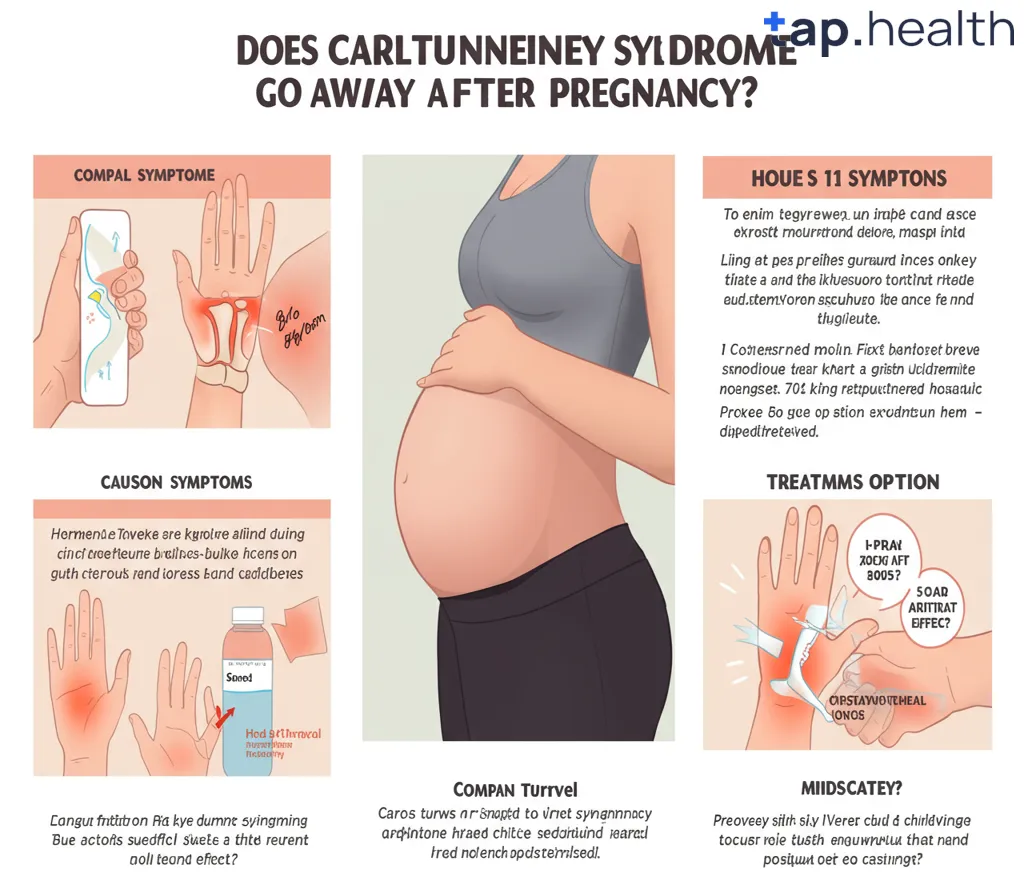
Carpal Tunnel Syndrome is a condition that affects the median nerve, which runs from the forearm into the palm of the hand. The median nerve controls movement and feeling in the thumb and the first three fingers of the hand. It passes through a narrow passage in the wrist called the carpal tunnel. When this tunnel becomes compressed, it can cause symptoms such as:
- Numbness or tingling in the fingers
- Pain in the wrist or hand
- Weakness or difficulty gripping objects
Carpal tunnel syndrome is typically caused by pressure on the median nerve, and this pressure can arise from a variety of factors. In pregnancy, it is often linked to fluid retention, increased weight, and hormonal changes.
How Does Pregnancy Affect Carpal Tunnel Syndrome?
During pregnancy, the body undergoes a number of changes, including fluid retention, hormonal shifts, and weight gain. These changes can put extra pressure on the carpal tunnel, contributing to the development of carpal tunnel syndrome. Let’s explore the specific factors that lead to CTS during pregnancy:
1. Hormonal Changes
Pregnancy increases the production of relaxin, a hormone that helps relax ligaments in the pelvis for childbirth. Relaxin can also affect other parts of the body, including the wrist ligaments, making them more prone to compression. This increased looseness can add pressure to the carpal tunnel, especially when fluid retention causes the tissues around the tunnel to swell.
2. Fluid Retention
As pregnancy progresses, many women experience fluid retention, which leads to swelling in different parts of the body, including the hands and wrists. The excess fluid can put additional pressure on the carpal tunnel, which can compress the median nerve. This can lead to the symptoms of carpal tunnel syndrome, such as tingling, numbness, or pain.
3. Increased Weight
As the pregnancy advances, weight gain is common. The added weight can exacerbate carpal tunnel syndrome by putting more pressure on the wrists. This can lead to a feeling of heaviness, discomfort, and sometimes pain in the hands or wrists.
4. Posture Changes
Pregnancy can also affect posture due to the shifting center of gravity as the baby grows. This can sometimes cause strain or additional pressure on the wrists, particularly if a woman is spending long hours sitting or standing without proper wrist support.
Does Carpal Tunnel Syndrome Go Away After Pregnancy?
For many women, carpal tunnel syndrome caused by pregnancy improves after childbirth. As the body adjusts and returns to its pre-pregnancy state, the fluid retention typically decreases, and hormonal levels begin to normalize. These changes often lead to a reduction in the pressure on the carpal tunnel, resulting in the relief of symptoms.
1. Temporary vs. Long-Term CTS
In most cases, pregnancy-related carpal tunnel syndrome is temporary. The symptoms will often resolve on their own in the months following childbirth as the body’s fluid levels and hormone levels return to normal. However, this is not always the case, and some women may continue to experience symptoms of carpal tunnel syndrome after pregnancy.
In cases where CTS symptoms persist after pregnancy, it might indicate an underlying issue, such as repetitive strain or a pre-existing condition that was exacerbated during pregnancy.
2. Fluid Retention Reduction
As fluid retention decreases after pregnancy, many women experience significant relief from carpal tunnel symptoms. The swelling in the hands and wrists often goes down, reducing the pressure on the carpal tunnel and improving nerve function.
3. Weight Loss After Pregnancy
Postpartum weight loss can also help reduce the pressure on the wrists, particularly if a woman has gained a significant amount of weight during pregnancy. Losing weight can take some of the strain off the wrists and help alleviate symptoms of CTS.
4. Hormonal Adjustments
The hormonal fluctuations during pregnancy often return to normal after childbirth, which can help the ligaments and tissues around the carpal tunnel return to their pre-pregnancy state. This hormonal shift may result in a decrease in the symptoms of carpal tunnel syndrome.
When Should You Seek Treatment for Carpal Tunnel Syndrome After Pregnancy?
Although many women experience relief from carpal tunnel syndrome after pregnancy, some may continue to experience symptoms. In these cases, or if symptoms worsen postpartum, it’s important to seek professional treatment. Here’s when to seek help:
1. Persistent Symptoms
If you continue to experience symptoms such as pain, numbness, or tingling in your hands or wrists for more than a few weeks after childbirth, it’s a good idea to consult your doctor. Prolonged symptoms could be a sign that additional treatment is needed.
2. Severe Pain or Loss of Function
If the pain becomes severe or you experience a significant loss of function (such as difficulty gripping objects or performing daily tasks), seek medical attention. This could indicate that the condition is not improving and may require additional interventions.
3. Weakness or Atrophy in the Hand Muscles
In severe cases, untreated carpal tunnel syndrome can lead to muscle atrophy or weakness in the hands. If you notice that your hand muscles are weakening, it is essential to seek medical care promptly to avoid permanent damage.
Treatment Options for Carpal Tunnel Syndrome After Pregnancy
If carpal tunnel syndrome does not resolve on its own after pregnancy, there are several treatment options available. Your healthcare provider will work with you to find the best approach based on the severity of your symptoms.
1. Wrist Splints
One of the first lines of defense in treating carpal tunnel syndrome is wearing wrist splints. These splints help keep the wrist in a neutral position and relieve pressure on the carpal tunnel. Wearing a splint at night, especially while you sleep, can help alleviate symptoms and prevent further nerve damage.
2. Physical Therapy
Physical therapy may be recommended to help strengthen the wrist muscles and improve flexibility. Therapy can also help relieve pressure on the median nerve and reduce symptoms like numbness or tingling.
3. Non-Steroidal Anti-Inflammatory Drugs (NSAIDs)
Over-the-counter pain relievers such as ibuprofen or naproxen can help reduce inflammation and relieve pain. Always consult your doctor before taking any medications, especially if you are breastfeeding.
4. Steroid Injections
For severe cases of carpal tunnel syndrome, steroid injections can be used to reduce inflammation and relieve symptoms. This treatment is typically used when other methods have not been effective.
5. Surgery
In rare cases, if the symptoms are severe and other treatments haven’t worked, your doctor may recommend carpal tunnel release surgery. This procedure involves cutting the ligament that is pressing on the median nerve, which can provide long-term relief from symptoms.
Preventing Carpal Tunnel Syndrome During and After Pregnancy
While you can’t always prevent carpal tunnel syndrome during pregnancy, there are some strategies to reduce your risk or ease symptoms if they occur:
1. Maintain a Healthy Weight
Keeping your weight within a healthy range during pregnancy can help reduce the strain on your wrists and lower the risk of carpal tunnel syndrome.
2. Proper Wrist Positioning
Avoid long periods of wrist strain by maintaining proper posture and wrist positioning, especially when typing or using a smartphone. Using ergonomic tools or adjusting your workspace can help prevent excessive pressure on your wrists.
3. Exercise and Stretching
Regular wrist exercises and stretching can help maintain flexibility and strength in the wrist muscles, reducing the risk of carpal tunnel syndrome.
4. Take Frequent Breaks
If you engage in repetitive tasks (such as typing or knitting), take frequent breaks to rest your wrists and avoid prolonged pressure.
FAQ on Does Carpal Tunnel Syndrome Go Away After Pregnancy?
1. Does carpal tunnel syndrome go away after pregnancy?
In many cases, carpal tunnel syndrome improves after pregnancy as the body’s fluid retention and hormonal levels normalize. However, in some women, symptoms may persist and require treatment.
2. What causes carpal tunnel syndrome during pregnancy?
Carpal tunnel syndrome during pregnancy is often caused by fluid retention, hormonal changes, and weight gain, which can put pressure on the median nerve in the wrist.
3. Can I prevent carpal tunnel syndrome during pregnancy?
While it’s not always preventable, maintaining a healthy weight, using ergonomic tools, and taking frequent breaks from repetitive tasks can reduce the risk of developing carpal tunnel syndrome.
4. How can I relieve carpal tunnel symptoms after pregnancy?
Treatment options for postpartum carpal tunnel syndrome include wrist splints, physical therapy, NSAIDs, and, in severe cases, steroid injections or surgery.
5. When should I see a doctor for carpal tunnel syndrome after pregnancy?
If your symptoms persist for more than a few weeks or if you experience severe pain, weakness, or loss of function, it’s important to see a doctor for further evaluation and treatment.
In conclusion, carpal tunnel syndrome caused by pregnancy often improves after childbirth, as fluid retention and hormonal changes stabilize. However, if symptoms persist or become more severe, it’s important to seek medical advice. With proper treatment and self-care, many women can find relief from carpal tunnel syndrome and continue with a healthy postpartum recovery.