Introduction: The Truth About Purging and Calories
The topic of purging is one that is often misunderstood, especially in the context of dieting and weight loss. Purging, in simple terms, refers to the act of intentionally getting rid of the food you’ve consumed, usually through vomiting or using laxatives. Some people believe that purging can help them “lose calories” or reduce the calories they’ve consumed, but is that actually true?
In this article, we’ll dive deep into the science behind purging, why people resort to it, and whether it can really reduce calories. We’ll also talk about the risks involved and why it’s never a healthy solution for weight loss.
What Is Purging?
Understanding the Concept
Purging is a term commonly associated with eating disorders, particularly bulimia nervosa, where individuals engage in cycles of overeating followed by methods to expel the food from their bodies. This can include self-induced vomiting, excessive use of laxatives, diuretics, or enemas.
Purging is often seen as a “quick fix” for those who want to undo or avoid the effects of overeating, thinking that by removing the food from their system, they can avoid gaining weight.
Does Purging Actually Help You Lose Calories?
The Mechanism of Calories and Digestion
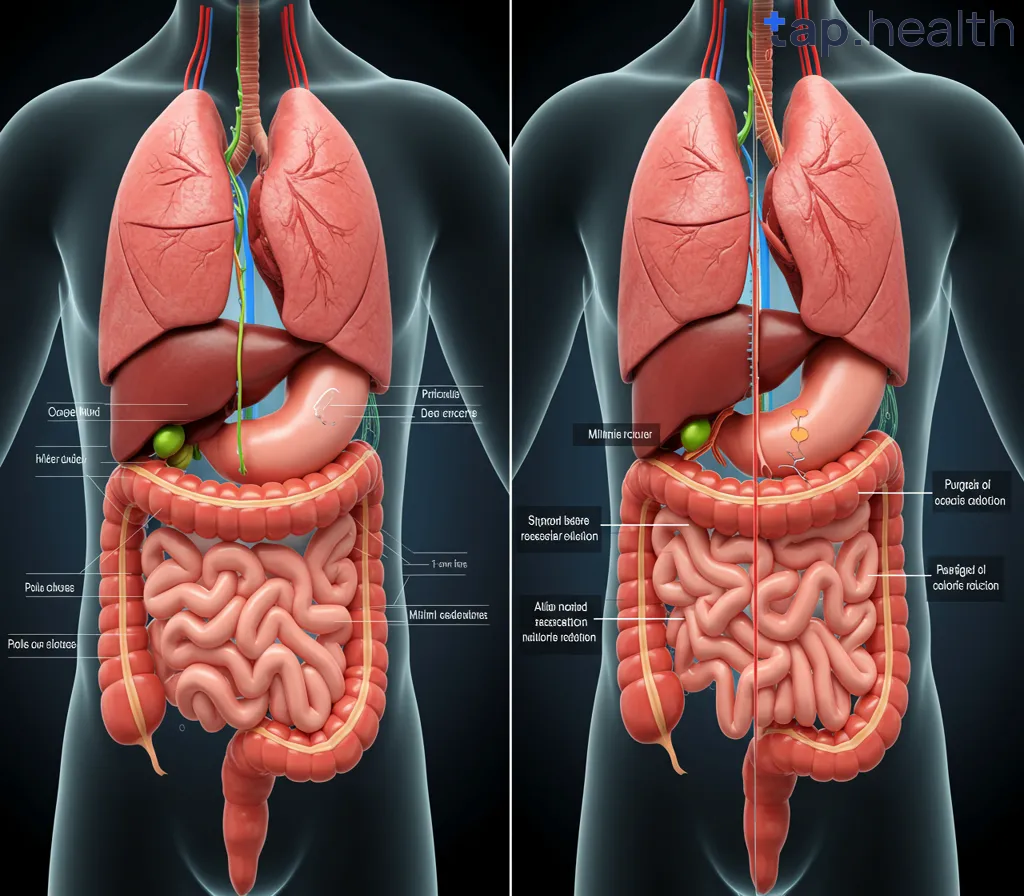
Before diving into whether purging helps in reducing calories, it’s important to understand how our body processes food. When we eat, the food enters the stomach and is broken down. The small intestine then absorbs nutrients, including calories, which enter the bloodstream and are used by the body for energy.
However, if food is expelled from the body through vomiting or other means, the body doesn’t absorb the nutrients fully. The food has not had enough time to be digested or absorbed by the intestines, so in theory, some calories may be lost.
But does this actually lead to a significant calorie deficit?
Does Purging Lead to Significant Calorie Loss?
The Limited Impact of Purging
While purging may cause the body to expel some of the consumed food, the actual number of calories lost is usually minimal. Here’s why:
- Delayed Digestion Process: Purging immediately after eating doesn’t allow the body to fully absorb calories. However, digestion starts as soon as food enters the stomach, so by the time you induce vomiting or use laxatives, only a portion of the food has been absorbed.
- Inefficiency of Purging: The body absorbs a lot of calories before food even reaches the large intestine. Even if you purge shortly after eating, it’s unlikely to expel all the calories you’ve consumed.
- Digestive System Efficiency: The digestive system is designed to absorb nutrients and calories efficiently. Purging doesn’t guarantee a complete loss of calories and often results in only a small fraction being eliminated.
In short, purging may cause a small reduction in calories, but the amount is not enough to have any real impact on weight loss.
The Risks of Purging: Why It’s Dangerous
Purging, especially when done repeatedly, can be extremely harmful to your health. Here are some reasons why purging is never a good way to manage weight or reduce calorie intake:
H3: Physical Damage
- Electrolyte Imbalance: Repeated purging (through vomiting or laxative use) can lead to a dangerous imbalance in electrolytes like sodium, potassium, and magnesium. These minerals are essential for normal body functions, and a deficiency can cause heart problems, muscle weakness, and even death.
- Damage to the Digestive Tract: Inducing vomiting frequently can damage the esophagus, teeth, and mouth due to stomach acid. Laxative abuse can also damage the intestines and cause long-term issues with digestion.
- Dehydration: Both vomiting and excessive laxative use can cause dehydration, which affects almost every organ system in the body, including the kidneys.
Mental Health Issues
Purging is a key feature of eating disorders such as bulimia nervosa. This mental health condition is characterized by an unhealthy relationship with food, often leading to feelings of shame, guilt, and depression. People who purge may find themselves trapped in a cycle of overeating, purging, and self-hatred, which can significantly affect their mental well-being.
Why Do Some People Believe Purging Reduces Calories?
Many people who engage in purging do so because they believe it is a way to offset the calories they’ve consumed. This belief may stem from myths or misinformation surrounding quick weight-loss techniques. Here’s why some individuals fall into this trap:
- Misunderstanding of Caloric Absorption: Some people believe that vomiting or using laxatives can completely expel the calories from their food, but as we’ve discussed, that’s not the case. The human body is very efficient at absorbing calories, so purging doesn’t result in a significant caloric loss.
- Cultural Pressure: Society often pressures individuals, especially young people, to conform to unrealistic body standards. This pressure can contribute to disordered eating behaviors, including purging, as individuals attempt to control their weight.
- Temporary Relief: Purging may give an individual a brief feeling of relief or satisfaction, leading them to believe it’s effective. However, this relief is short-lived and doesn’t result in permanent weight loss.
Can You Lose Weight Safely?
If you are looking to lose weight, purging is not a healthy or effective strategy. Instead, focus on a balanced approach that includes proper nutrition, exercise, and healthy lifestyle choices.
Here are some safe ways to lose weight:
- Healthy Diet: Focus on eating nutrient-dense foods such as fruits, vegetables, whole grains, and lean proteins. Avoid restrictive diets that can lead to unhealthy behaviors.
- Regular Exercise: Incorporating physical activity, such as walking, running, or strength training, can help burn calories and improve your overall health.
- Mindful Eating: Practice mindful eating by paying attention to hunger and fullness cues and avoiding overeating.
- Consult a Professional: If you’re struggling with eating behaviors or weight loss, it’s important to seek help from a healthcare provider, nutritionist, or therapist.
FAQs About Purging and Calorie Loss
What Happens to Your Body When You Purge?
Purging can lead to serious health problems such as dehydration, electrolyte imbalance, and digestive issues. It can also worsen mental health conditions like anxiety and depression. It’s never a healthy way to lose weight.
How Long Does It Take for Calories to Be Absorbed?
The body starts absorbing calories from food almost immediately after it enters the stomach. By the time food reaches the small intestine, a large portion of the calories has already been absorbed.
Can Laxatives Help You Lose Weight?
Laxatives may cause temporary weight loss by expelling waste from the body, but they do not reduce the number of calories you absorb from food. Laxative abuse can lead to dehydration, nutrient deficiencies, and long-term digestive problems.
Why Is Purging So Harmful?
Purging can cause severe physical and mental health issues, including electrolyte imbalances, organ damage, and an increased risk of eating disorders. It also contributes to a cycle of unhealthy relationships with food.
Is There a Safe Way to Lose Weight Without Purging?
Yes, a healthy diet, regular exercise, and mindful eating are the best ways to lose weight safely. Consult with a healthcare provider or nutritionist for guidance on achieving your weight loss goals.
Conclusion: Purging Is Not a Solution
While purging may seem like a way to “undo” overeating, it is not an effective or safe method for reducing calories or losing weight. The risks associated with purging far outweigh any temporary benefits, and it can lead to severe physical and mental health problems. Instead of resorting to dangerous behaviors, focus on adopting a balanced and sustainable approach to health and weight loss. Always seek professional help if you find yourself struggling with unhealthy eating habits.