You went to the doctor for a completely different issue—perhaps a severe skin allergy, asthma, or anxiety. You took the prescribed medication faithfully. But a few weeks or months later, you start feeling unusually tired. You are thirsty all the time, and you are visiting the washroom far more than usual.
You check your blood sugar, and it is sky-high.
You are confused. I don’t eat too many sweets, you think. I have never had diabetes before. Why is this happening?
The answer might lie in your medicine cabinet.
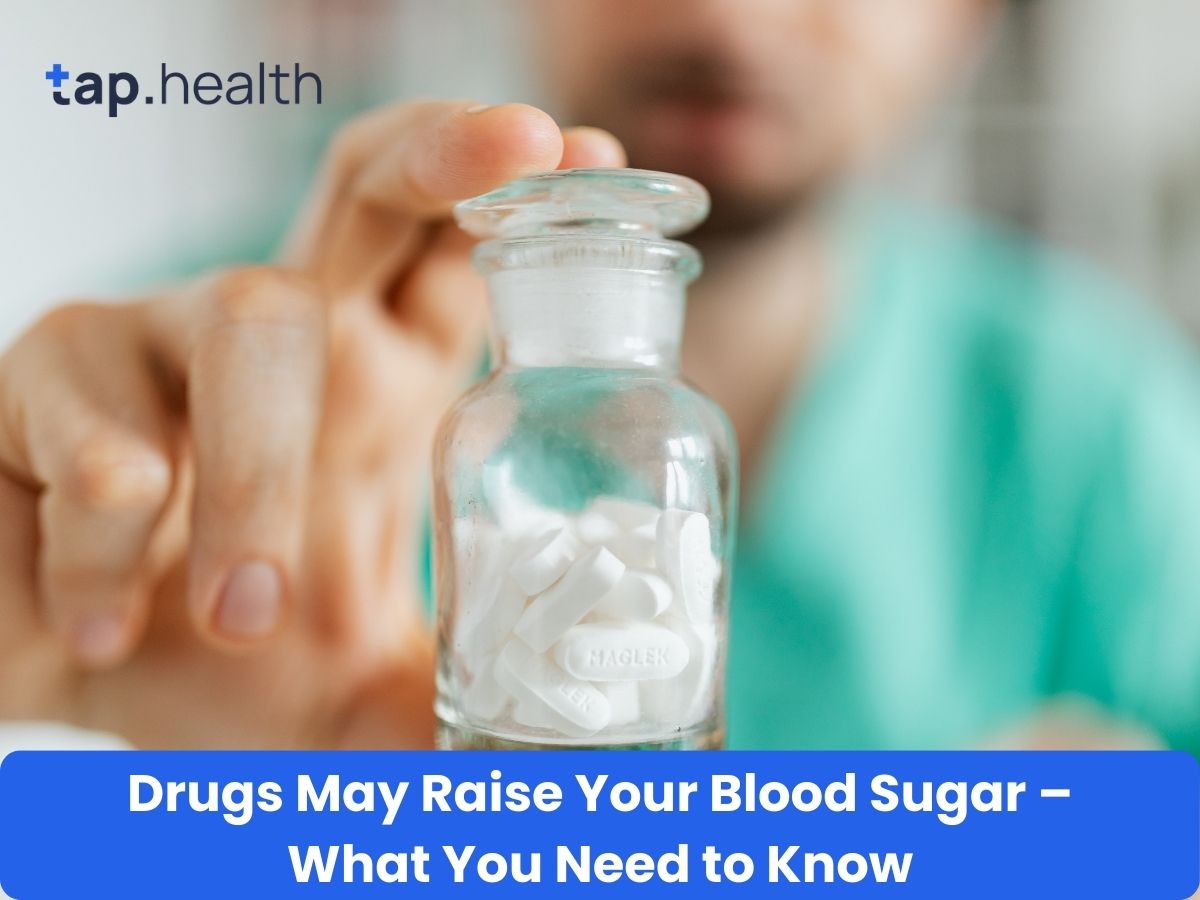
Drug-Induced Diabetes (medically coded as ICD-10 E09) is a form of diabetes that is triggered specifically by the use of certain medications. Unlike Type 1 or Type 2 diabetes, which are driven by autoimmunity or lifestyle/genetics respectively, this condition is a direct side effect of medical treatment.
The good news? It is often reversible if caught early. The bad news? If ignored, it can turn into permanent diabetes.
In this comprehensive 3,000-word guide, written in simple Indian English, we will break down the specific drug-induced diabetes symptoms you need to watch for. We will explain exactly which common Indian medicines are the culprits, why they spike your sugar, and the immediate steps you must take to protect your health.
What Is Drug-Induced Diabetes?
Imagine your body is a well-oiled machine that runs on fuel (glucose). Normally, your pancreas produces insulin to help your body use this fuel efficiently.
Drug-induced diabetes happens when a medication acts like a wrench thrown into this machine. The drug might stop your pancreas from making insulin, or it might make your cells “deaf” to the insulin you already have.
The result is Hyperglycaemia (high blood sugar). For many patients, this comes as a shock because they have no family history of diabetes. It is crucial to understand that this is a secondary condition—meaning it is caused by something else (the drug).
What Are the Symptoms of Drug-Induced Diabetes?
The symptoms of drug-induced diabetes are very similar to Type 2 Diabetes, but they often appear more suddenly. While Type 2 diabetes can take years to develop, drug-induced high sugar can spike within days or weeks of starting a new medication (especially steroids).
Here is a detailed breakdown of the warning signs.
Early Symptoms of Drug-Induced Diabetes
These are the “whispers” your body gives you when sugar starts to rise. Do not ignore them.
Increased Thirst (Polydipsia)
This is not just “feeling thirsty after a walk.” This is an unquenchable thirst. You might find yourself drinking 3-4 litres of water a day and still feeling your mouth is parched. This happens because your body is trying to dilute the excess sugar in your blood.
Frequent Urination (Polyuria)
If you are drinking more, you are peeing more. But it is more than that. Your kidneys are working overtime to filter out the excess sugar, dumping it into your urine and pulling fluids with it.
- Watch for: Waking up 2-3 times at night to use the washroom (Nocturia).
Increased Hunger (Polyphagia)
Even though you are eating, your cells are starving because the sugar is trapped in your blood, not entering your cells. Your brain triggers a “hunger alarm,” making you crave food constantly.
Fatigue and Weakness
You might feel exhausted even after a full night’s sleep. Without sugar entering your cells for energy, your body feels like a car running on empty fumes.
Blurred Vision
High blood sugar pulls fluid from your tissues, including the lenses of your eyes. This changes their shape and makes it hard to focus.
- Note: This usually corrects itself once sugar levels are controlled.
Other Common Signs and Symptoms
If the condition persists, you might notice these secondary changes.
Dry Mouth and Dehydration
Because you are losing so much fluid through urine, your mouth and skin become dry. You might feel dizzy when standing up suddenly.
Slow-Healing Cuts or Wounds
High sugar levels thicken the blood and damage circulation. This means nutrients and white blood cells can’t reach a wound fast enough to heal it. A simple cut on your foot might take weeks to disappear.
Frequent Infections (Skin, Urinary, Yeast)
Bacteria and yeast (fungus) love sugar. High blood sugar suppresses your immune system while providing a feast for germs.
- Common issues: Recurring Urinary Tract Infections (UTIs), yeast infections (thrush), or boils on the skin.
Unexplained Weight Changes
- Weight Gain: Common with drugs like antipsychotics or steroids, which increase appetite and insulin resistance.
- Weight Loss: If insulin production stops completely (rare in drug-induced cases but possible), your body burns muscle and fat for fuel, causing rapid weight loss.
Tingling or Numbness
This is a sign of nerve damage (Neuropathy). If drug-induced diabetes is left untreated for months, the high sugar damages the tiny nerves in your hands and feet, causing a “pins and needles” sensation.
Symptoms That Suggest Severe High Blood Sugar
In rare cases, specific drugs (like immune checkpoint inhibitors used in cancer) can destroy the pancreas rapidly, leading to a dangerous condition called Diabetic Ketoacidosis (DKA).
Go to the hospital immediately if you have:
- Nausea or Vomiting: Inability to keep food down.
- Rapid Breathing: Gasping for air.
- Confusion or Drowsiness: Feeling “out of it.”
- Fruity Breath: Breath that smells like nail polish remover or rotten fruit (Ketones).
- Severe Abdominal Pain.
Why Drug-Induced Diabetes Happens
How does a pill for your skin rash end up giving you diabetes? It usually happens through three specific mechanisms.
Increased Insulin Resistance
Some drugs (like Steroids) make your cells “stubborn.” Your pancreas produces insulin, but your cells refuse to open the door to let sugar in. The sugar piles up in the bloodstream.
Reduced Insulin Production
Some drugs (like certain Immunosuppressants) are toxic to the beta-cells in the pancreas. They essentially shut down the factory that produces insulin.
Increased Glucose Release From the Liver
Your liver is a sugar warehouse. Some medicines trick the liver into panic mode, causing it to dump all its stored sugar into the bloodstream at once.
Which Medications Are Commonly Linked to Drug-Induced Diabetes?
If you are taking any of the following, you need to be vigilant.
Steroids (Corticosteroids)
- Examples: Prednisone, Dexamethasone, Methylprednisolone, Betamethasone.
- Used for: Asthma, Arthritis, Allergies, COVID-19 treatment.
- The Risk: This is the #1 cause. Steroids mimic stress hormones that naturally raise blood sugar. “Steroid-induced diabetes” is very common in India due to the high use of steroids for inflammation.
Antipsychotic Medicines
- Examples: Olanzapine, Clozapine, Risperidone.
- Used for: Schizophrenia, Bipolar Disorder, Severe Depression.
- The Risk: These drugs can cause significant weight gain and metabolic changes, leading to insulin resistance.
Statins
- Examples: Atorvastatin, Rosuvastatin.
- Used for: Lowering cholesterol.
- The Risk: Statins can slightly increase blood sugar. However, doctors agree that the heart benefits (preventing heart attacks) far outweigh the small risk of a sugar rise.
Thiazide Diuretics
- Examples: Hydrochlorothiazide, Chlorthalidone.
- Used for: High Blood Pressure (Water pills).
- The Risk: They can cause potassium loss, which makes it harder for the pancreas to release insulin efficiently.
Immunosuppressants
- Examples: Tacrolimus, Cyclosporine.
- Used for: Organ transplants (Kidney/Liver) to prevent rejection.
- The Risk: These are known to be toxic to pancreatic cells. “New-Onset Diabetes After Transplant” (NODAT) is a well-known medical challenge.
Some HIV Medicines
- Examples: Protease Inhibitors.
- The Risk: Older HIV drugs were known to cause fat redistribution and insulin resistance. Newer ones are safer but still require monitoring.
Who Is Most at Risk of Drug-Induced Diabetes?
Not everyone who takes a steroid gets diabetes. You are at higher risk if:
- You have “Pre-Diabetes”: Your sugar was already borderline high (HbA1c 5.7% – 6.4%). The drug just pushed you over the edge.
- Family History: Your parents or siblings have Type 2 Diabetes.
- High Dose & Duration: Taking a high dose of steroids for 3 months is riskier than a low dose for 3 days.
- Obesity: Carrying extra weight already causes some insulin resistance.
- Age: Older adults are more susceptible.
How Drug-Induced Diabetes Is Diagnosed
Doctors use the same tests as regular diabetes but look at the context of your medication history.
Fasting Blood Sugar
- Normal: Less than 100 mg/dL.
- Diabetic: 126 mg/dL or higher.
HbA1c Test
This measures your average sugar over the last 3 months.
- Note: If your drug-induced diabetes started last week (e.g., from a steroid course), your HbA1c might still be normal because it reflects a 3-month average. In this case, doctors rely on daily glucometer readings.
Random Blood Sugar
A reading of 200 mg/dL or higher with symptoms confirms the diagnosis.
Real-Life Scenario
Meet Mr. Sharma (52, Shopkeeper from Delhi):
Mr. Sharma had severe frozen shoulder pain. His orthopaedic doctor gave him a “Cortisone Shot” (Steroid injection) and prescribed oral steroid tablets for 2 weeks to reduce inflammation.
The Event: Three days later, Mr. Sharma felt extremely dizzy and thirsty. He drank 3 bottles of water in an hour. His vision felt blurry while reading the newspaper. The Test: He used his wife’s glucometer. It read 280 mg/dL. He panicked. The Diagnosis: He rushed to his doctor. The diagnosis was “Steroid-Induced Hyperglycaemia.” The Solution: The doctor didn’t stop the steroid (stopping suddenly is dangerous) but added a small dose of Insulin temporarily. The Outcome: Once the steroid course finished, his sugar levels returned to normal (90 mg/dL) within 10 days. He stopped the insulin. He reversed the condition because he acted fast.
Expert Contribution
We consulted Dr. A. Iyer, Senior Endocrinologist:
“I see patients panic when they see high sugar levels after starting a new medicine. They think they have a lifelong disease. I tell them: ‘This is often a temporary storm.’
If we catch drug-induced diabetes early, it is highly reversible. The biggest mistake patients make is stopping the prescribed medicine (like steroids or antipsychotics) abruptly without telling the doctor. This can be fatal. Instead, we treat the sugar while you finish the medication course. Treat the side effect, don’t stop the cure.”
Read this : Can Drugs Cause Type 1 Diabetes?
What To Do If You Notice These Symptoms
If you suspect your medicine is spiking your sugar, follow these steps immediately.
1. Do Not Stop Medicines Suddenly
This is critical. Stopping steroids abruptly can cause adrenal crisis (shock). Stopping heart meds can cause a stroke.
- Action: Call your doctor and say, “I am noticing signs of high blood sugar since starting this new medicine.”
2. Monitor Blood Sugar
Buy a home glucometer. Check your sugar:
- Fasting: Before breakfast.
- Post-Prandial: 2 hours after lunch.
- Record these numbers to show your doctor.
3. Speak to Your Doctor About Alternatives
Ask your doctor:
- “Is there a substitute for this drug that is diabetes-friendly?”
- Example: Switching from a diuretic to a different blood pressure medicine might help.
4. Lifestyle Adjustments
While you are on the medication, your body cannot handle carbs well.
- Diet: Cut down on rice, roti, potatoes, and sweets. Eat more dal, paneer, and green vegetables.
- Walk: A 15-minute walk after meals acts like “natural insulin,” helping your muscles use up the excess sugar.
When to Seek Emergency Medical Help
If your blood sugar reading is “HI” (too high to measure) or above 400 mg/dL, do not wait. Go to the Emergency Room. You may need IV fluids and insulin to bring it down safely.
Recommendations Grounded in Proven Research and Facts
According to the American Diabetes Association (ADA) and clinical studies:
- Reversibility: Studies show that nearly 60-70% of patients with steroid-induced diabetes see their glucose levels return to baseline after the therapy stops.
- Prevention: If you are prescribed long-term steroids or antipsychotics, ask for a baseline HbA1c test before starting the drug. This establishes your “normal” and helps detect changes early.
- Treatment Protocol: Guidelines suggest that treating drug-induced diabetes with temporary insulin is safer and more effective than oral pills for rapid spikes caused by steroids.
Conclusion: Key Takeaways
So, what are the symptoms of drug-induced diabetes?
- The Big Three: Extreme thirst, frequent urination, and sudden fatigue.
- The Culprits: Often caused by Steroids, Antipsychotics, and some BP meds.
- The Good News: It is often reversible if the drug is stopped or the dose is lowered.
- The Action Plan: Monitor your sugar, adjust your diet, and consult your doctor immediately. Do not stop the medicine on your own.
Your health is a balance. Sometimes, a medicine needed to fix one problem creates another. But with awareness and quick action, you can manage the side effect and protect your future health.
Frequently Asked Questions on Drug-Induced Diabetes Symptoms
Can drug-induced diabetes be reversed?
Yes, often. In many cases, once the medication causing the high blood sugar is discontinued or the dosage is lowered, blood sugar levels return to normal. This is especially true if the patient had healthy pancreatic function before starting the drug.
Is drug induced diabetes type 2?
It is distinct but similar. It presents with symptoms like Type 2 diabetes (insulin resistance), but it has a specific external cause (the drug). However, if left untreated for a long time, drug-induced diabetes can evolve into permanent Type 2 diabetes.
Drug-induced diabetes examples: Which drugs cause it?
Common examples include Corticosteroids (Prednisone), Antipsychotics (Olanzapine), Thiazide Diuretics (Hydrochlorothiazide), Statins (Atorvastatin), and Immunosuppressants (Tacrolimus).
Drug-induced diabetes treatment: How is it managed?
Treatment involves three steps:
- Adjusting the offending drug (dose reduction or switching) if possible.
- Lifestyle modification (low-carb diet and exercise).
- Temporary use of anti-diabetic medications like Metformin or Insulin to control spikes until the drug course is finished.
Drug induced diabetes ICD-10: What is the code?
The specific ICD-10 code used by doctors for drug or chemical-induced diabetes mellitus is E09. It can be further specified based on complications (e.g., E09.9 for without complications).
Drug induced hyperglycemia vs Diabetes: What is the difference?
Drug-induced hyperglycemia is a temporary spike in blood sugar while taking a drug. If this high sugar persists and meets the diagnostic criteria (Fasting > 126 mg/dL) consistently, it is diagnosed as Drug-Induced Diabetes.
Can drug abuse cause diabetes?
Yes. Substance abuse can damage organs involved in glucose control. Specifically, heavy alcohol use or opioid abuse can cause Pancreatitis (inflammation of the pancreas), which destroys insulin-producing cells and leads to permanent diabetes.
References
- Diabetes.co.uk: Drug Induced Diabetes
- National Institutes of Health (NIH): Medication-Induced Hyperglycemia
- Mayo Clinic: Hyperglycemia in Diabetes
- American Diabetes Association: Diabetes Symptoms
Disclaimer: This article is for informational purposes only and does not constitute medical advice. Never stop or change your medication without consulting your doctor.