tap.health logo
  • Diabetes Management
  • Health Assistant
  • About Us
  • Blog
  • Contact Us
Get Plan
  • Diabetes Management
  • Health Assistant
  • About Us
  • Blog
  • Contact Us
  • All Blogs
  • Product
  • Gallstone Surgery Recovery: What to Expect

Gallstone Surgery Recovery: What to Expect

Product
July 9, 2024
• 4 min read
Yasaswini Vajupeyajula
Written by
Yasaswini Vajupeyajula
ChatGPT Perplexity WhatsApp LinkedIn X Grok Google AI
Gallstone Surgery Recovery What to Expect

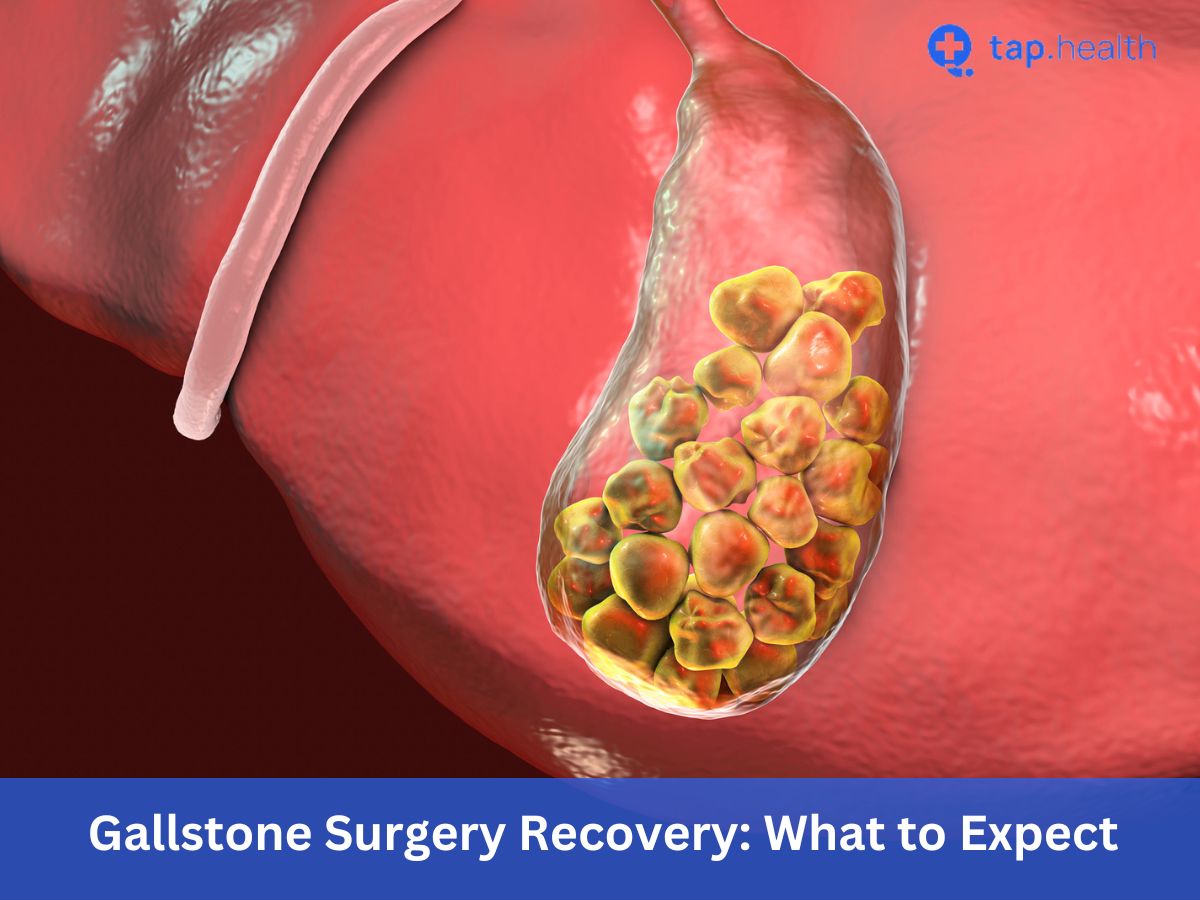
Gallstone surgery, or cholecystectomy, is a common procedure to remove the gallbladder and alleviate symptoms caused by gallstones. Understanding the recovery process is crucial for preparing mentally and physically. This guide outlines what to expect during recovery, from the first few days to full resumption of normal activities, incorporating practical tips and addressing common concerns.

What Is Gallstone Surgery Recovery Like?

Gallstone surgery recovery varies by individual but generally spans 4-6 weeks. The process involves rest, pain management, incision care, dietary adjustments, and gradual increases in activity. Proper care during this period minimizes complications and promotes healing. Below, we break down the recovery timeline, addressing key aspects like post-surgery care, diet, and activity levels.

Immediate Post-Surgery Care: First Few Days

The first few days after gallstone surgery are critical for healing. Your body needs time to recover from the procedure and anesthesia. Here’s what to focus on:

  • Rest and Relaxation: Stay home and avoid strenuous activities. Limit physical exertion to short walks to promote circulation. Adequate rest helps your body heal without added stress.
  • Pain Management: Expect discomfort around the surgical site. Take prescribed pain medications as directed to manage pain effectively. Monitor pain levels and report severe or worsening pain to your doctor.
  • Incision Care: Keep incisions clean and dry using mild soap and water. Change dressings as instructed and watch for signs of infection, such as redness, swelling, or discharge.
  • Hydration: Drink plenty of water and clear fluids like broth or herbal tea to flush out anesthesia and support tissue healing. Avoid caffeine and alcohol, which can cause dehydration.

Diet After Gallstone Surgery: What to Eat

Diet plays a vital role in recovery, as your digestive system adjusts to the absence of the gallbladder. Here’s a breakdown of dietary guidelines:

  • Clear Liquids Initially: Start with clear liquids like water, broth, and gelatin to ease your stomach and prevent nausea.
  • Gradual Progression: Transition to a low-fat diet with small, frequent meals. Include lean proteins, fruits, vegetables, and whole grains. Avoid heavy, fatty meals that may cause discomfort.
  • Foods to Avoid: Steer clear of high-fat foods (e.g., fried items, fatty meats, full-fat dairy) and gas-producing foods (e.g., beans, cabbage, carbonated drinks) to minimize bloating or digestive issues.
  • Nutritional Supplements: If advised by your doctor, take supplements to support healing and meet nutritional needs.

First Week of Recovery: Key Steps

The first week is about monitoring progress and adhering to medical advice. Here’s what to expect:

  • Activity Restrictions: Limit physical activity to light movements like walking. Avoid lifting heavy objects or vigorous exercise to prevent strain on your abdominal muscles.
  • Pain and Medication: Continue pain medications as prescribed. Report persistent or severe pain to your healthcare provider for possible adjustments.
  • Restful Environment: Aim for 7-9 hours of sleep nightly and create a comfortable sleeping area with pillows to support your body.
  • Incision Monitoring: Check incisions daily for signs of infection. Follow dressing change instructions to keep the area clean and dry.

Follow-Up Appointment: Why It Matters

Around one week post-surgery, you’ll likely have a follow-up appointment. This visit is essential for:

  • Incision Check: Your surgeon will ensure incisions are healing properly and free of infection.
  • Medication Review: Discuss pain medication needs and any necessary adjustments.
  • Activity Guidance: Get clearance on increasing activity levels or returning to work.
  • Dietary Advice: Receive recommendations for progressing to a normal diet.

Weeks 1-2: Gradual Improvement

During weeks 1-2, you’ll notice improvements in energy and well-being. Key focuses include:

  • Increasing Activity: Incorporate light exercises like short walks or gentle stretching. Gradually increase duration and intensity as tolerated.
  • Dietary Expansion: Include a wider variety of low-fat foods, maintaining small, frequent meals to aid digestion.
  • Hydration: Continue drinking water and limit dehydrating beverages like caffeine or sugary drinks.
  • Symptom Monitoring: Address bloating, gas, or constipation with dietary changes or over-the-counter remedies as advised by your doctor.

Weeks 2-4: Building Strength

By weeks 2-4, strength and stamina improve significantly. Here’s how to navigate this phase:

  • Activity Adjustment: Gradually increase physical activity, incorporating flexibility, strength, and cardiovascular exercises as approved by your doctor.
  • Balanced Diet: Maintain a nutrient-rich, low-fat diet. Avoid spicy or greasy foods that may trigger discomfort.
  • Sleep Quality: Prioritize uninterrupted sleep to support healing and overall health.
  • Resuming Work: Depending on your job and recovery, you may return to work part-time or full-time with your doctor’s approval.
  • Driving: Resume driving once you’re off pain medications and feel alert and capable.

Weeks 4-6: Full Recovery

By weeks 4-6, most patients approach full recovery. Key steps include:

  • Normal Routine: Resume daily activities, including work, exercise, and social engagements, as tolerated.
  • Dietary Freedom: Gradually reintroduce restricted foods, focusing on moderation and balanced nutrition.
  • Final Check-Up: Attend a final appointment to assess recovery, review incision healing, and discuss long-term health maintenance.

Managing Pain and Symptoms

Effective pain management and symptom control are crucial for comfort:

  • Medication: Follow your doctor’s instructions for pain medication. Discuss any side effects or concerns.
  • Alternative Therapies: Use heat therapy, gentle massage, or relaxation techniques to alleviate soreness.
  • Digestive Health: Opt for a high-fiber, low-fat diet to promote healthy digestion. Stay hydrated to prevent dehydration-related issues.

Lifestyle Adjustments for Long-Term Health

Adopting healthy habits supports ongoing recovery and prevents complications:

  • Exercise: Engage in regular physical activity, including cardiovascular, strength, and flexibility exercises.
  • Stress Management: Practice mindfulness, meditation, or yoga to reduce stress and enhance emotional well-being.
  • Sleep Hygiene: Maintain a consistent sleep schedule and relaxing bedtime routine.
  • Avoid Smoking/Alcohol: Refrain from smoking and limit alcohol to support healing.

Common Complications and How to Handle Them

While rare, complications can occur. Be vigilant for:

  • Infection: Watch for redness, swelling, or discharge at incision sites. Contact your doctor immediately if detected.
  • Bile Duct Injury: Report persistent abdominal pain, jaundice, or fever, which may indicate a bile duct issue.
  • Digestive Issues: Manage bloating, diarrhea, or constipation with dietary adjustments or doctor-recommended remedies.

FAQs About Gallstone Surgery Recovery

How long will I need pain medication? The duration varies, but most patients taper off pain medication within 1-2 weeks. Follow your doctor’s guidance.

When can I drive again? Resume driving when you’re off pain medications, feel alert, and have adequate mobility. Consult your doctor first.

When can I return to work? This depends on your job and recovery progress. Your doctor will provide clearance, typically within 2-4 weeks.

Are there long-term dietary restrictions? Most patients resume a normal diet with moderation. Focus on balanced, low-fat nutrition for digestive health.

What are the signs of complications? Watch for persistent pain, fever, nausea, vomiting, jaundice, or changes in bowel habits. Contact your doctor promptly.

This comprehensive guide to gallstone surgery recovery provides actionable steps to ensure a smooth healing process. By prioritizing rest, following dietary guidelines, monitoring symptoms, and attending follow-up appointments, you can return to your normal routine with confidence. Always consult your healthcare provider for personalized advice tailored to your recovery needs.

Tags
A1C test diabetes heart health diabetic retinopathy fruit and blood sugar type 1 diabetes how to lower HbA1c diabetic breakfast ideas post-meal blood sugar Indian diabetes plate foods for diabetes shopping diabetes and alcohol low blood sugar at night diabetes excessive thirst insulin site rotation diabetes curd milk for diabetes can diabetics eat apple why diabetes is considered as a lifestyle disease blood pressure diabetes eye test rice and diabetes type 1 diabetes symptoms fasting sugar normal range PCOS and diabetes blood sugar after food diabetes portion control diabetes kidney tests alcohol blood sugar diabetes diabetes sweating at night diabetes dry mouth insulin lumps tea and coffee in diabetes can diabetics drink milk apple blood sugar Medicine lifestyle diabetes cholesterol diabetes kidney care can diabetics eat rice insulin diabetes high fasting blood sugar PCOS insulin resistance postprandial glucose low glycaemic index foods for diabetes urine albumin diabetes can diabetics drink alcohol diabetes headache frequent urination diabetes diabetes weight gain coffee diabetes best milk for diabetes eggs for diabetes Health type 2 diabetes lifestyle disease living with diabetes diabetic kidney disease diabetes diet India prediabetes diet reverse prediabetes naturally PCOS diabetes risk dawn phenomenon diabetes low GI foods India eGFR diabetes diabetes and dizziness high blood sugar headache diabetes fatigue diabetes and weight gain tea diabetes peanuts for diabetes are eggs good for diabetes Lifestyle exercise and diabetes diabetes habits kidney tests diabetes morning blood sugar prediabetes food prediabetes reversal gestational diabetes diet Indian morning sugar high diabetes low GI diet diabetes and dental problems dizziness diabetes low blood sugar headache diabetes tiredness insulin weight gain roti for diabetes are peanuts good for diabetes egg diabetes Home remedies blood sugar control diabetes management high blood sugar symptoms fasting sugar high lower diabetes risk how to prevent type 2 diabetes pregnancy diabetes diet high fasting sugar in morning diabetes and fatty liver diabetes gum disease low sugar dizziness blood sugar monitoring at home high blood sugar tiredness diabetes swollen feet best roti for diabetes peanuts blood sugar paneer for diabetes Fitness physical activity insulin resistance hyperglycemia symptoms dawn phenomenon diabetes and weight loss insulin resistance diet gestational diabetes meal plan diabetes and cholesterol fatty liver diabetes dry mouth diabetes diabetes leg pain when to check blood sugar diabetes constipation swollen feet diabetes chapati diabetes sweet potato for diabetes is paneer good for diabetes Prevention diabetes foot care insulin sensitivity diabetes warning signs diabetes myths weight loss diabetes Indian foods for insulin resistance diabetic foot ulcer diabetes lipid profile insulin resistance fatty liver diabetes urine infection diabetic leg cramps blood glucose monitoring diabetes and constipation diabetes foot swelling can diabetics eat dates can diabetics eat sweet potato paneer diabetes Hygiene diabetic foot type 2 diabetes risk normal blood sugar levels diabetes facts insulin resistance weight loss improve insulin sensitivity diabetes foot wound cholesterol in diabetes diabetes skin problems frequent UTI diabetes diabetes nerve pain legs metformin for diabetes constipation diabetes can diabetics eat banana dates for diabetes sweet potato blood sugar poha for diabetes Ailments foot health diabetes and sleep fasting blood sugar diabetes misconceptions diabetes medicine safety diabetic neuropathy symptoms diabetic foot ulcer warning signs can diabetics eat mango diabetes itching urinary infection diabetes diabetes slow wound healing metformin side effects diabetes numbness in hands banana for diabetes dates blood sugar jaggery for diabetes is poha good for diabetes Hindi gestational diabetes poor sleep blood sugar HbA1c diabetes symptoms in women diabetes medicines diabetes nerve damage diabetes and blood pressure mango and diabetes dark patches diabetes diabetes stomach problems diabetes wounds metformin safety diabetes tingling hands banana blood sugar papaya for diabetes is jaggery good for diabetes poha blood sugar skin diseases pregnancy diabetes sleep and diabetes diabetes in India women diabetes signs diabetes treatment advice tingling feet diabetes high blood pressure diabetes mango sugar diabetes walking after meals for diabetes diabetic gastroparesis diabetic wound care diabetes ketoacidosis warning signs diabetic neuropathy hands coconut water and diabetes is papaya good for diabetes gur for diabetes sprouts for diabetes acne vulgaris symptoms blood sugar pregnancy diabetes and stress diabetes risk factors India diabetes risk women Indian diabetic diet chart diabetes eye disease diabetes heart kidney risk diabetes reversal vs remission post meal walk diabetes diabetes bloating nausea diabetes yeast infection DKA symptoms fasting with diabetes coconut water for diabetes papaya blood sugar watermelon for diabetes are sprouts good for diabetes AI Search low blood sugar stress blood sugar diabetes prevention India diabetes symptoms in men diabetic meal plan diabetic eye test borderline HbA1c diabetes remission walking lowers blood sugar diabetes sick day rules diabetes fungal infection ketones diabetes diabetes fasting safety can diabetics drink coconut water oats for diabetes can diabetics eat watermelon sprouts blood sugar blood sugar hypoglycemia cortisol diabetes best fruits for diabetes men diabetes signs HbA1c test high protein breakfast for diabetes HbA1c 5.7 to 6.4 reverse type 2 diabetes diabetes grocery list India diabetes during illness diabetes vaginal itching diabetes blurry vision can diabetics fast curd for diabetes oatmeal diabetes watermelon blood sugar fasting glucose diabetes safety diabetes eye care diabetes fruits diabetes risk men HbA1c normal range diabetes breakfast India prediabetes HbA1c diabetes plate method diabetic food list India blood sugar fever infection diabetes night sweats high blood sugar blurry vision insulin injection sites is curd good for diabetes are oats good for diabetes apple for diabetes
More blogs
K. Siva Jyothi
K. Siva Jyothi
• May 30, 2026
• 19 min read

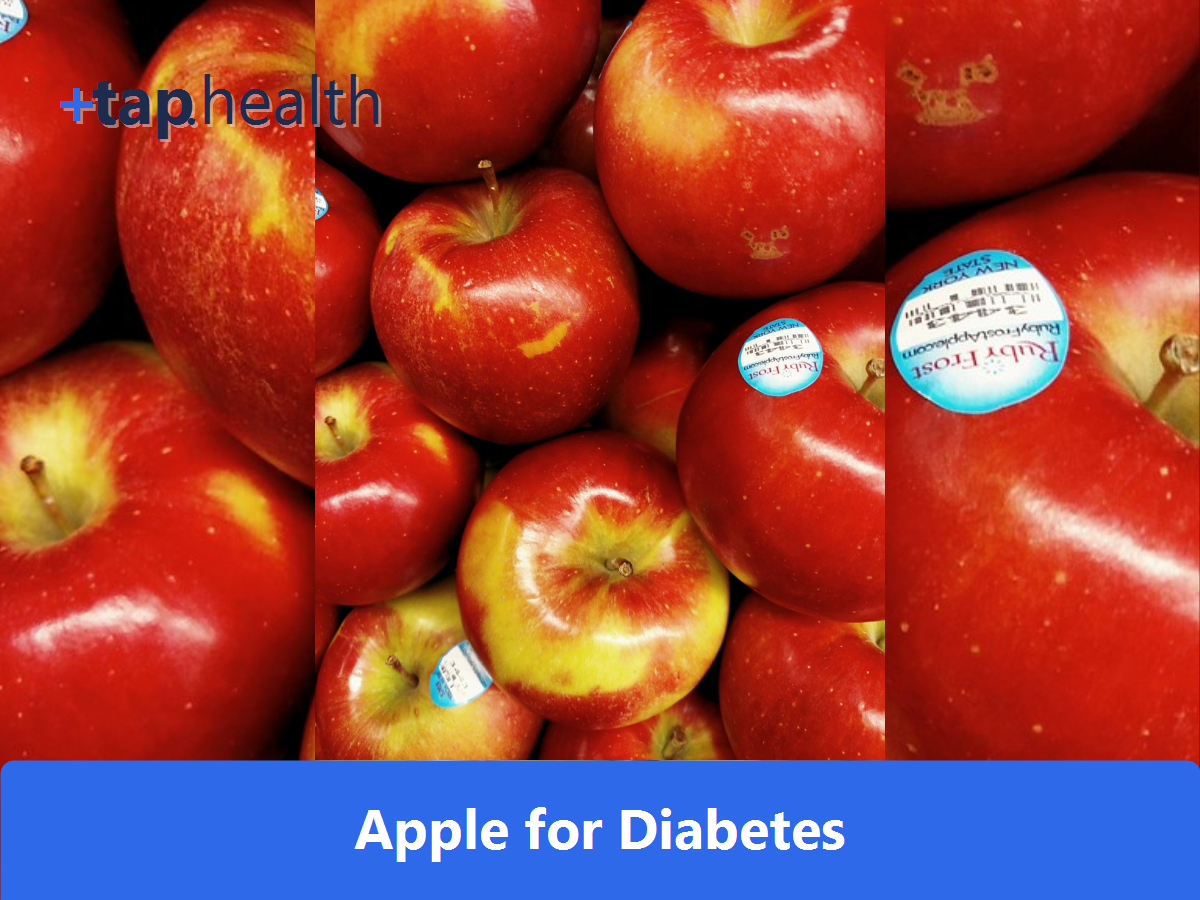
Apple for Diabetes: Blood Sugar Benefits, Best Time to Eat, Portion Size, and Juice Risks

A detailed guide to apple for diabetes, including fibre, blood sugar effects, portion size, apple juice risks, pairing ideas, and glucose monitoring.

Diabetes
Gallstone Surgery Recovery What to Expect
Kazima Qureshi
Kazima Qureshi
• May 30, 2026
• 19 min read

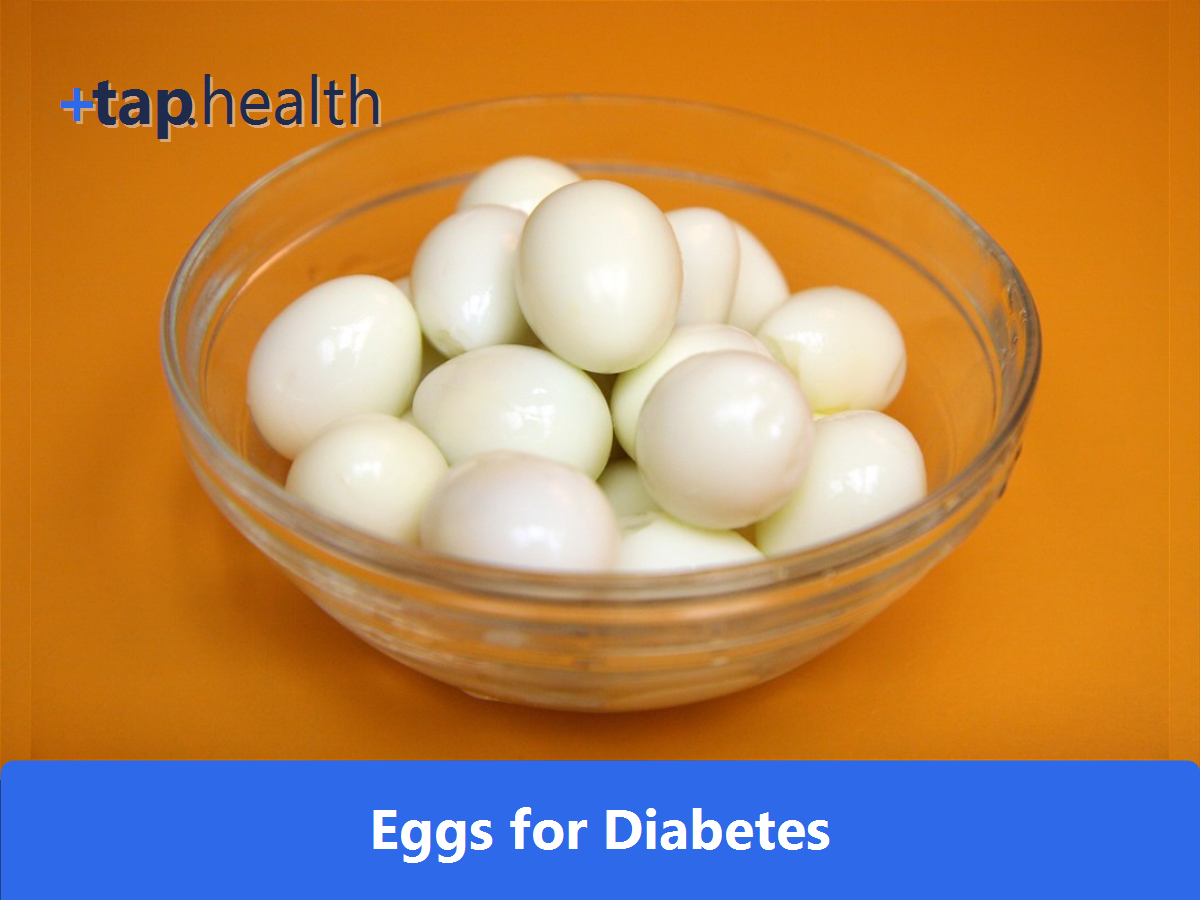
Eggs for Diabetes: Blood Sugar Benefits, Cholesterol, Best Cooking Methods, and Meal Ideas

A practical guide to eggs for diabetes, covering blood sugar, protein, cholesterol, heart health, cooking methods, and Indian breakfast ideas.

Diabetes
Gallstone Surgery Recovery What to Expect
Naimish Mishra
Naimish Mishra
• May 30, 2026
• 19 min read

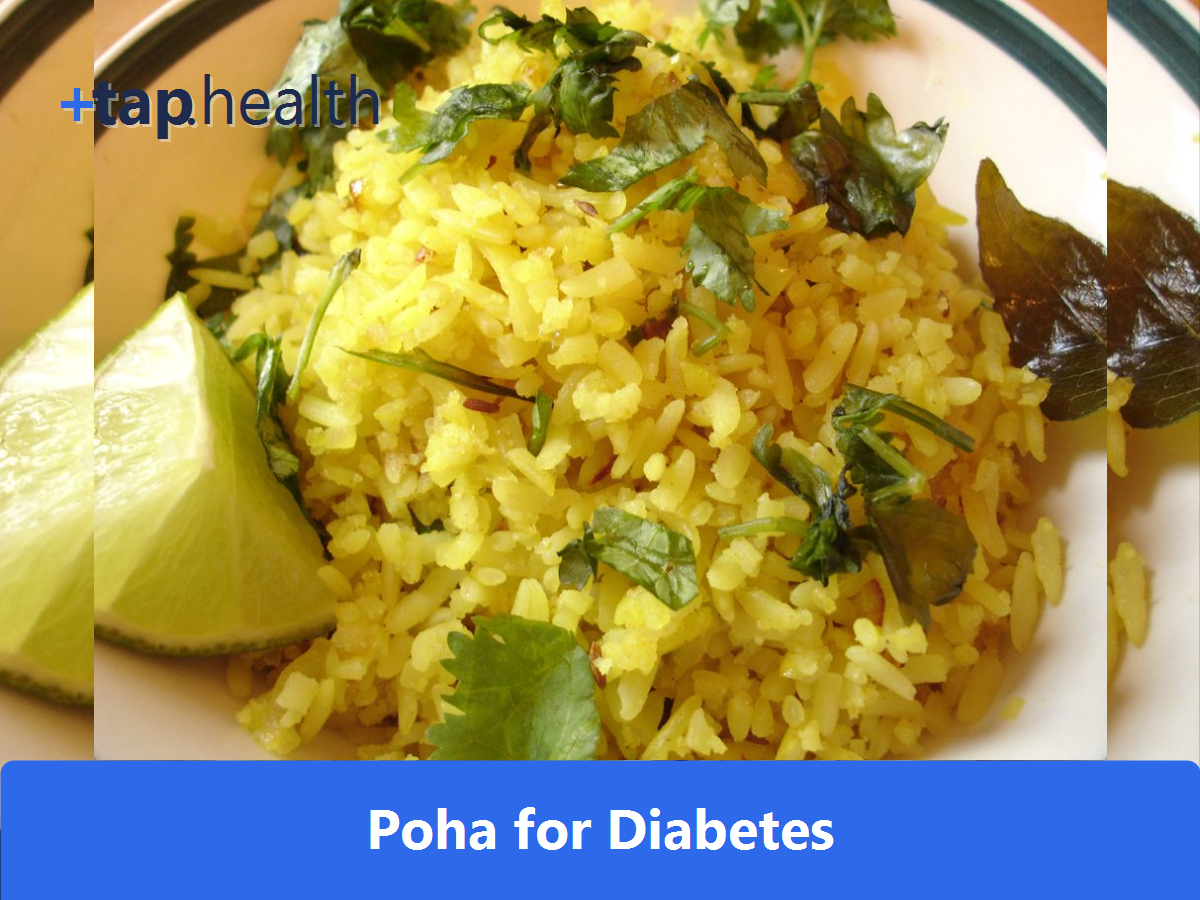
Poha for Diabetes: Blood Sugar Impact, Portion Size, Add-Ins, and Healthier Breakfast Tips

A practical guide to poha for diabetes, including flattened rice, blood sugar impact, portion size, vegetables, peanuts, and healthier breakfast tips.

Diabetes
Gallstone Surgery Recovery What to Expect
Do you remember your last sugar reading?
Log and Track your glucose on the Tap Health App
All logs in one place
Smart trend graphs
Medicine Reminder
100% Ad Free
Download Now

Missed your diabetes meds

again? Not anymore.

Get medicine reminders on your phone.

✓ Glucose diary and Insights
✓ Smart Nudges
✓ All logs at one place
✓ 100% Ad free
Download Free
tap health
tap.health logo
copyright © 2025
2nd Floor,Plot No 4, Minarch Tower,
Sector 44,Gurugram, 122003,
Haryana, India
  • About Us
  • Blog
  • Doctor login
  • Contact Us
  • Privacy Policy
  • Return / Shipping Policy
  • Terms and Conditions
Get Your Free AI Diabetes Coach