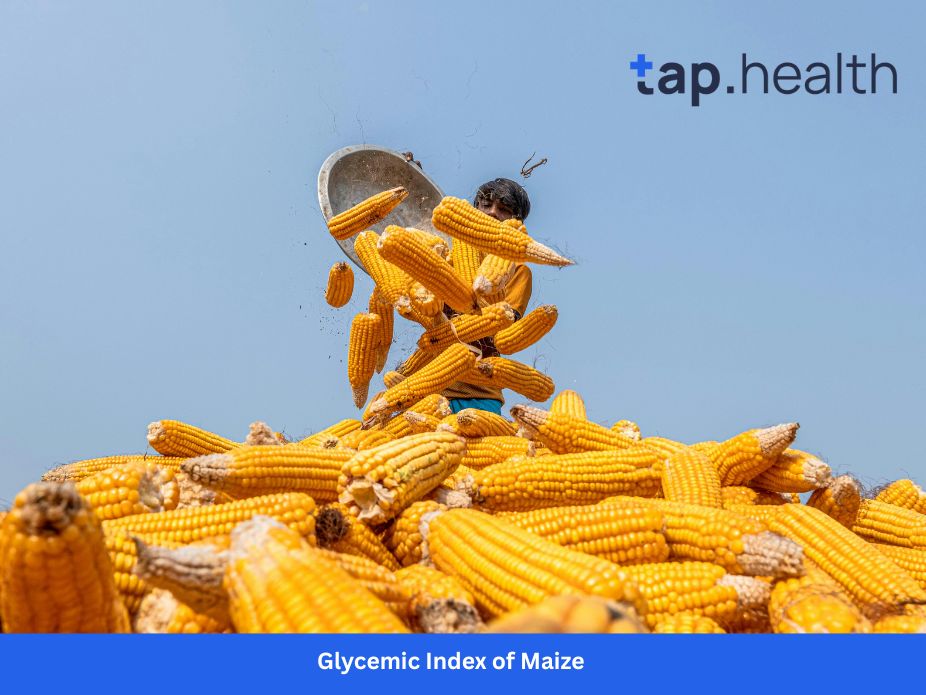
Maize, commonly known as corn, is a popular and versatile staple in many diets worldwide. Whether it’s boiled, roasted, or made into flour, maize is a key ingredient in numerous dishes. However, for those managing diabetes or trying to maintain balanced blood sugar levels, understanding the glycemic index (GI) of foods is essential.
In this blog post, we’ll dive deep into the glycemic index of maize, its impact on blood sugar, the health benefits it offers, and how to include it in your diet in a healthy and balanced way. Whether you’re diabetic or just trying to eat healthier, knowing how maize affects blood sugar can help you make informed choices.
What is Glycemic Index (GI)?
Before we dive into the specifics of maize, it’s important to understand what the glycemic index (GI) is and how it works.
The glycemic index is a measure of how quickly a food containing carbohydrates raises blood sugar levels. Foods are ranked on a scale from 0 to 100, with 100 representing the rate at which pure glucose (sugar) raises blood sugar. Foods are generally categorized as follows:
- Low GI (55 or below): Foods that cause a gradual rise in blood sugar levels.
- Medium GI (56-69): Foods that cause a moderate increase in blood sugar.
- High GI (70 and above): Foods that cause a rapid spike in blood sugar.
For people managing diabetes or anyone looking to maintain stable blood sugar levels, it’s important to choose foods that have a low GI, as they are digested slowly and release glucose gradually.
Glycemic Index of Maize
So, what is the glycemic index of maize? The GI of maize can vary based on its form and preparation, but it generally falls within the medium to high GI range. On average, the glycemic index of maize is around 56 to 69. This means that maize can cause a moderate to rapid rise in blood sugar levels, depending on how it is consumed.
How Does Maize’s GI Compare to Other Foods?
To help you understand the GI of maize in context, here’s a comparison with other common foods:
- Maize (GI 56-69): Medium to high GI, causes moderate to rapid rise in blood sugar.
- White Bread (GI 70-80): High GI, causes quick spikes in blood sugar.
- Brown Rice (GI 50-55): Medium GI, causes moderate blood sugar increase.
- Oats (GI 50-55): Low to medium GI, causes steady rise in blood sugar.
From this comparison, we can see that maize, particularly when consumed in its refined form (such as cornmeal or cornflakes), has a higher GI compared to more fiber-rich grains like brown rice or oats. This makes it important to be mindful of the portion sizes and how maize is prepared.
Factors That Affect the GI of Maize
The glycemic index of maize can vary depending on several factors, including its form, preparation method, and whether it is processed. Here are some key factors to consider:
1. Form of Maize
The GI of maize can change depending on whether it is consumed as whole maize, cornmeal, cornflakes, or popcorn. Whole corn has a lower GI compared to processed forms like cornmeal or cornflakes, which are more refined and absorb quicker into the bloodstream.
- Whole Maize: Lower GI (closer to 56)
- Cornmeal: Medium GI (around 60-65)
- Cornflakes: High GI (above 70)
2. Processing and Cooking Method
How maize is processed and cooked also impacts its GI. Boiling or steaming whole maize (such as on the cob) generally results in a lower GI, as it is digested more slowly. Refined maize products, like corn syrup or cornflakes, have a higher GI because they are processed and digested more quickly.
- Boiled Corn (Whole Kernel): Medium GI
- Corn Flour/Cornmeal: Medium to high GI
- Popcorn: Low to medium GI
- Corn Syrup: Very high GI
Cooking maize in ways that retain its fiber, such as boiling or steaming, helps lower its glycemic index and improves its ability to regulate blood sugar.
3. Pairing with Other Foods
The overall glycemic response of a meal depends on the combination of foods. Pairing maize with fiber-rich vegetables, lean proteins, or healthy fats can lower the glycemic load (GL) of the meal, making it less likely to cause rapid spikes in blood sugar. For example, adding beans or avocado to a corn salad can balance out the overall effect on your blood sugar.
Health Benefits of Maize
While the glycemic index of maize may be medium to high, it still offers several important nutritional benefits. Here’s a closer look at the key health benefits of including maize in your diet:
1. Rich in Fiber
Maize, especially when consumed in its whole form, is a great source of dietary fiber. Fiber is important for maintaining healthy digestion and can help regulate blood sugar levels by slowing down the absorption of glucose.
- Soluble Fiber: Found in maize, this type of fiber helps control blood sugar and can lower cholesterol levels.
- Insoluble Fiber: Helps promote bowel regularity and reduces the risk of constipation.
2. Good Source of Antioxidants
Maize contains several antioxidants, such as zeaxanthin and lutein, which are important for eye health. These antioxidants help protect the eyes from damage caused by free radicals and may reduce the risk of conditions like age-related macular degeneration.
3. Provides Essential Vitamins and Minerals
Maize is rich in several important vitamins and minerals, including:
- Vitamin B6: Supports brain health and energy production.
- Thiamine (Vitamin B1): Helps the body convert food into energy and supports nervous system function.
- Magnesium: Important for muscle function, bone health, and heart health.
- Iron: Essential for carrying oxygen in the blood.
These nutrients contribute to overall health and vitality.
4. Supports Heart Health
Maize contains unsaturated fats, particularly in its corn oil form, which supports heart health. Unsaturated fats help reduce bad cholesterol (LDL) levels while increasing good cholesterol (HDL) levels. Additionally, the fiber and antioxidant content in maize further contribute to cardiovascular health by reducing inflammation and lowering cholesterol.
5. Gluten-Free Option
For individuals with celiac disease or gluten intolerance, maize is a gluten-free grain that can be used in place of wheat or other gluten-containing grains in various recipes. It is naturally free of gluten and safe for people who need to avoid it.
How to Incorporate Maize into Your Diet
Maize is a versatile food that can be consumed in many forms. Here are some healthy ways to incorporate maize into your meals:
1. Boiled Corn
One of the easiest and healthiest ways to eat maize is by boiling it. Enjoy a warm corn on the cob as a snack or add it to salads and soups for extra texture and nutrients.
2. Maize Flour (Cornmeal)
Use maize flour to make cornbread, muffins, or pancakes. It’s a great alternative to wheat flour for gluten-free diets. You can also make polenta or corn tortillas using maize flour.
3. Popcorn
Popcorn is a whole-grain, fiber-rich snack that is low in fat when air-popped. It’s a great snack option for people looking to reduce calorie intake while still satisfying their cravings for something crunchy. Just avoid adding too much butter or salt.
4. Corn Soup or Salad
Add boiled or roasted maize kernels to vegetable soups or corn salads. Pairing maize with protein-rich beans, avocados, and leafy greens enhances the overall nutritional profile of the dish.
5. Maize-Based Snacks
Look for healthy snacks made from maize, such as corn chips made from whole cornmeal, or baked corn snacks that are not overly processed or fried.
FAQs About the Glycemic Index of Maize
1. What is the Glycemic Index of Maize?
The glycemic index of maize typically ranges from 56 to 69, placing it in the medium to high GI category. This means maize can cause a moderate to rapid increase in blood sugar depending on how it is prepared.
2. Is Maize Good for Diabetics?
Maize can be part of a healthy diet for diabetics, but it should be consumed in moderation. The whole form of maize (such as corn on the cob or whole maize flour) has a lower GI and is a better choice than processed forms like cornflakes or corn syrup.
3. Can Maize Help with Weight Loss?
Maize can support weight loss when eaten in moderation, particularly in its whole form. It’s rich in fiber, which promotes fullness and helps prevent overeating. Just be mindful of portion sizes, as processed maize products can be calorie-dense.
4. How Can I Lower the GI of Maize?
To reduce the glycemic index of maize, opt for whole maize (corn on the cob or whole maize flour) instead of processed forms. Pair maize with protein, fiber-rich vegetables, and healthy fats to slow down the digestion of carbohydrates.
5. Is Popcorn a Healthy Snack?
Yes, air-popped popcorn is a healthy snack that is high in fiber and low in fat. It can be a great alternative to chips or other processed snacks, but be cautious about adding too much butter, oil, or salt.
Conclusion
Maize is a popular and nutritious food that can be a part of a healthy diet, even for those managing their blood sugar. With a medium glycemic index, it’s important to choose the right form and preparation methods to keep the GI in check. Whether you enjoy it as corn on the cob, popcorn, or as cornmeal, incorporating maize into your meals can provide a variety of essential nutrients, including fiber, vitamins, and minerals.
For better blood sugar control, opt for whole maize and pair it with other fiber-rich and protein-packed foods. By making these smart choices, you can enjoy the benefits of maize while maintaining stable blood sugar levels and overall health.