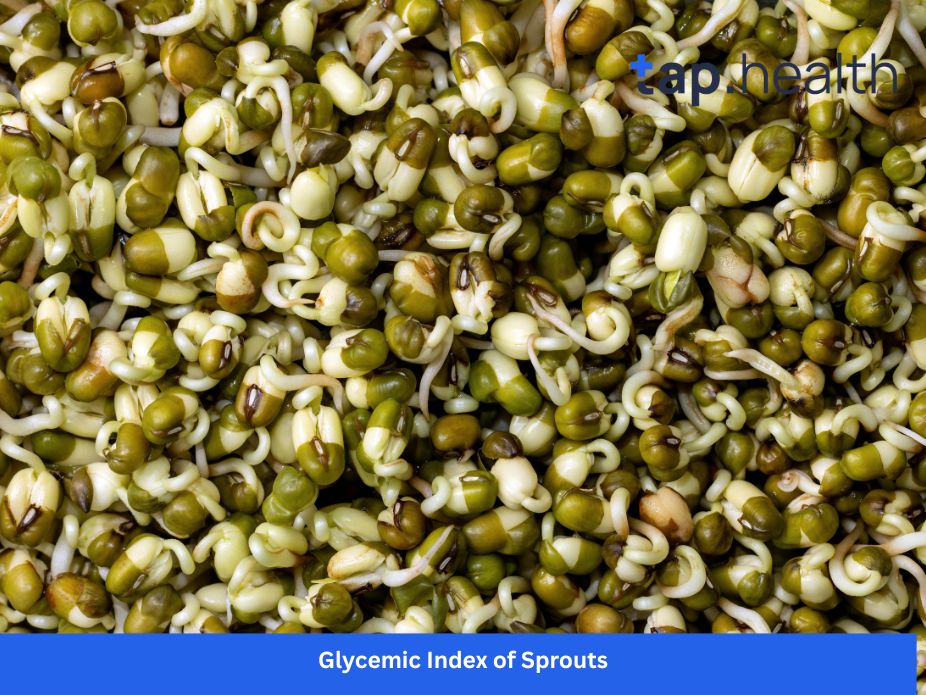
Sprouts are a powerhouse of nutrients and have gained popularity in recent years for their health benefits. These tiny, germinated seeds are packed with vitamins, minerals, and fiber, making them an excellent addition to your diet. But what about their glycemic index (GI)? In this blog post, we’ll dive into the glycemic index of sprouts, explore how it affects blood sugar levels, and discuss why sprouts are a great choice for people managing their blood sugar.
What is the Glycemic Index (GI)?
Before we jump into the glycemic index of sprouts, let’s first understand what the glycemic index is.
The glycemic index (GI) is a measurement of how quickly a food raises your blood sugar levels after consumption. The GI scale ranges from 0 to 100, with pure glucose having a GI of 100. Foods with a high GI (70 or more) raise blood sugar levels quickly, while foods with a low GI (55 or less) cause a gradual rise in blood sugar.
Low-GI foods are digested and absorbed more slowly, providing a steady release of energy, while high-GI foods can lead to rapid spikes in blood sugar. For people with diabetes or those aiming to manage their weight and energy levels, choosing low-GI foods is crucial.
What Are Sprouts?
Sprouts are germinated seeds, meaning they’ve been soaked in water and allowed to grow for a few days until they form a small shoot. Common sprouts include:
- Mung Bean Sprouts
- Alfalfa Sprouts
- Lentil Sprouts
- Chickpea Sprouts
- Broccoli Sprouts
These sprouts are often eaten raw, added to salads, or included in sandwiches, wraps, and other dishes. They are low in calories, high in fiber, and provide a rich source of essential nutrients, such as vitamins, minerals, and antioxidants.
The Glycemic Index of Sprouts
So, what’s the glycemic index of sprouts? Most sprouts, such as alfalfa, mung bean, and lentil sprouts, have a low glycemic index. The GI of sprouts generally falls between 15 and 30, depending on the type of sprout and how it’s prepared.
- Mung Bean Sprouts: GI of around 25
- Alfalfa Sprouts: GI of around 15-20
- Lentil Sprouts: GI of around 25-30
These low-GI values mean that sprouts cause a slow, gradual increase in blood sugar, making them a healthy option for people managing blood sugar levels, such as those with diabetes or those on a low-GI diet.
How Do Sprouts Impact Blood Sugar?
Consuming foods with a low glycemic index, like sprouts, can help in the following ways:
Steady Blood Sugar Levels
Since sprouts have a low GI, they are digested and absorbed slowly, leading to a gradual release of glucose into the bloodstream. This helps in maintaining stable blood sugar levels throughout the day, preventing sudden spikes and crashes.
Better Insulin Sensitivity
For people with diabetes, eating low-GI foods like sprouts can help improve insulin sensitivity. This is crucial for controlling blood sugar levels because better insulin sensitivity allows the body to use insulin more effectively, leading to better blood sugar control.
Sustained Energy Release
Sprouts provide a slow, steady release of energy, which can help keep you feeling full for longer periods. This makes them a great addition to meals, especially for people trying to manage their appetite and prevent overeating.
Nutritional Benefits of Sprouts
Sprouts are more than just a low-GI food. They offer a wealth of nutritional benefits that make them a great addition to any diet. Here’s what you’ll get from eating sprouts:
High in Fiber
Sprouts are rich in dietary fiber, which aids in digestion, prevents constipation, and helps in maintaining healthy cholesterol levels. The fiber content also helps in stabilizing blood sugar levels by slowing the absorption of glucose.
Packed with Vitamins and Minerals
Sprouts are loaded with essential vitamins and minerals. For example:
- Vitamin C: Helps boost the immune system and protects cells from damage.
- Vitamin K: Important for bone health and proper blood clotting.
- Folate: Supports healthy cell growth and is especially important during pregnancy.
- Iron: Helps in the formation of red blood cells and prevents anemia.
High in Antioxidants
Sprouts are rich in antioxidants, which protect your body from oxidative stress and damage caused by free radicals. This helps reduce the risk of chronic diseases, such as heart disease and cancer.
Health Benefits of Eating Sprouts
Aside from being a low-GI food, sprouts come with a range of health benefits:
1. Improves Digestion
The high fiber content in sprouts supports digestive health by promoting regular bowel movements and preventing constipation. Fiber also feeds beneficial gut bacteria, promoting a healthy gut microbiome.
2. Supports Weight Management
Sprouts are low in calories but high in nutrients and fiber, making them a great option for those looking to manage or lose weight. The fiber helps you feel full longer, reducing the likelihood of overeating.
3. Enhances Heart Health
Sprouts, particularly those high in potassium, such as mung beans, help maintain healthy blood pressure. Additionally, the fiber and antioxidants in sprouts contribute to overall heart health by reducing cholesterol levels and inflammation.
4. Boosts Immune System
The high vitamin C content in sprouts helps boost your immune system and protects your body from infections. Vitamin C also promotes collagen production, which is essential for healthy skin, bones, and tissues.
5. Balances Blood Sugar
As discussed earlier, sprouts have a low glycemic index, making them an excellent food choice for stabilizing blood sugar levels. Their fiber and protein content also help in slowing the absorption of glucose, preventing sharp spikes in blood sugar.
How to Include Sprouts in Your Diet
Sprouts are incredibly versatile and can be added to a wide variety of dishes. Here are some easy ways to include them in your daily meals:
1. Add Them to Salads
Sprouts add a nice crunch to fresh salads. Mix them with leafy greens, tomatoes, cucumbers, and a light dressing for a nutritious and satisfying meal.
2. Use Them in Wraps and Sandwiches
Add sprouts to your wraps or sandwiches for extra texture and nutrition. They pair well with vegetables, hummus, or lean meats like turkey or chicken.
3. Sprinkle Them on Soups and Stews
Add fresh sprouts to your soups or stews just before serving. They can also be used as a garnish for an added nutritional boost.
4. Make Sprout Stir-Fry
Toss sprouts into a stir-fry with your favorite vegetables, tofu, or chicken. The quick cooking method will retain most of their nutrients.
5. Snack on Them
Sprouts can be eaten raw as a snack. Just rinse them thoroughly and enjoy them as a healthy snack with a sprinkle of salt or dip them in your favorite healthy sauce.
Sprouts vs. Other Low-GI Foods
To provide some context, let’s compare the glycemic index of sprouts with other popular low-GI foods:
- Mung Bean Sprouts: GI of 25
- Alfalfa Sprouts: GI of 15-20
- Chickpeas (boiled): GI of 28-32
- Sweet Potatoes: GI of 44
- Apple: GI of 38
As you can see, sprouts fall in the low-GI range, similar to other nutrient-dense foods like chickpeas, sweet potatoes, and apples.
FAQ: Glycemic Index of Sprouts
1. What is the glycemic index of sprouts?
Sprouts generally have a low glycemic index, ranging between 15 and 30 depending on the type, such as mung bean or alfalfa sprouts.
2. Are sprouts good for managing blood sugar levels?
Yes, sprouts are an excellent food choice for managing blood sugar levels due to their low glycemic index. They release glucose into the bloodstream slowly, preventing spikes in blood sugar.
3. Can sprouts help with weight loss?
Sprouts are low in calories and high in fiber, making them a great addition to a weight loss diet. The fiber content helps keep you full for longer, preventing overeating.
4. How can I include sprouts in my diet?
You can add sprouts to salads, soups, stir-fries, wraps, and sandwiches. You can also enjoy them raw as a snack or garnish.
5. Are all sprouts low in glycemic index?
Most common sprouts, such as mung bean, alfalfa, and lentil sprouts, have a low glycemic index. However, the GI value may vary slightly depending on the type of sprout and how it’s prepared.
Conclusion
Sprouts are not only low in glycemic index, but they are also packed with essential nutrients that promote good health. Their ability to help stabilize blood sugar, improve digestion, and support heart health makes them an excellent choice for people looking to manage their blood sugar levels. Whether you add them to salads, stir-fries, or enjoy them as a snack, sprouts are a simple yet powerful way to enhance your diet.