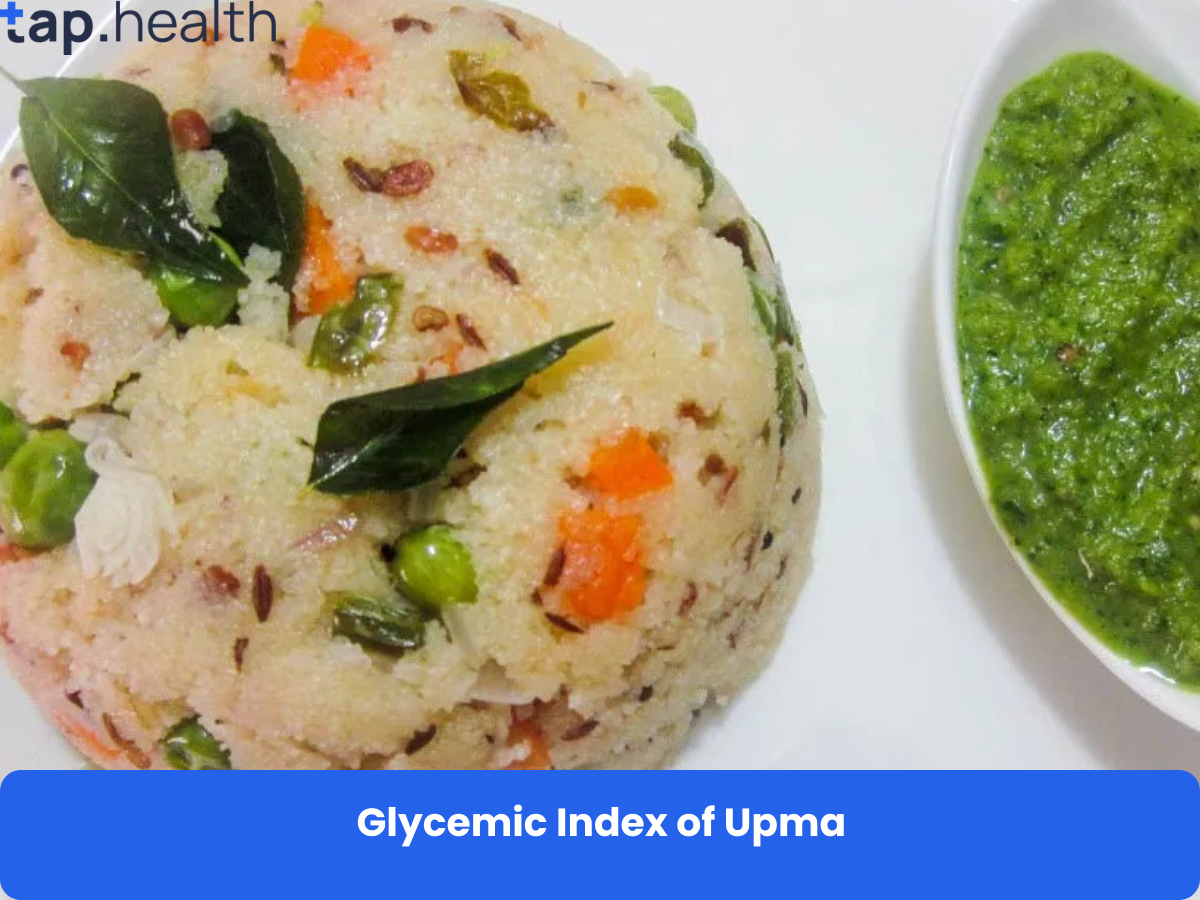
Upma is a popular dish in Indian households, often enjoyed for breakfast or a light meal. Made from semolina (rava), vegetables, and spices, upma is quick to prepare and can be customized to suit different tastes. But if you are concerned about your blood sugar levels or managing diabetes, you might wonder: what is the glycemic index of upma, and how does it affect your health?
In this blog, we will explore the glycemic index of upma, how it impacts blood sugar levels, the nutritional benefits, and how you can make this dish a part of your healthy diet. Whether you have diabetes or simply want to eat better, understanding the glycemic index of your food is an essential step toward better health.
What is Glycemic Index (GI)?
Before diving into the specifics of upma, it’s important to understand the concept of glycemic index (GI). The glycemic index is a scale that ranks foods based on how much they raise blood sugar levels after being consumed.
Foods are categorized into three types based on their GI:
- Low GI (55 or below): These foods cause a slow, steady increase in blood sugar levels.
- Medium GI (56-69): These foods lead to a moderate rise in blood sugar.
- High GI (70 and above): These foods cause rapid spikes in blood sugar levels.
For individuals with diabetes or anyone looking to maintain stable energy levels, low-GI foods are preferred. They provide a gradual release of glucose, preventing sudden energy crashes or blood sugar spikes.
Glycemic Index of Upma: What You Need to Know
Now, let’s answer the most important question: what is the glycemic index of upma?
Upma, made from semolina or rava, falls into the medium GI category, with a glycemic index ranging from 50 to 65 depending on its ingredients and preparation methods. While this means upma doesn’t cause a rapid spike in blood sugar, it still raises blood sugar at a moderate rate.
How Does the GI of Upma Compare to Other Foods?
To give you some perspective, here’s how the GI of upma compares to other popular foods:
- White bread (GI 70-80): High GI food that causes a rapid increase in blood sugar.
- Brown rice (GI 50-60): A medium GI food that releases glucose more slowly than white rice.
- Upma (GI 50-65): Similar to brown rice, upma provides a moderate increase in blood sugar levels.
While upma is not as high in GI as white bread or potatoes, people with diabetes or those looking to control their blood sugar should still be cautious of its portion size and pairing with other foods.
Factors That Influence the GI of Upma
The glycemic index of upma can vary depending on several factors. These factors include the type of semolina used, the vegetables added, and the cooking method. Let’s look at how these influence the GI.
1. Type of Semolina (Rava) Used
Semolina (rava) is made from wheat, and its GI can range from 50 to 60, which is considered medium. If you use refined semolina, the GI may be higher, while whole wheat rava or semolina made from barley or millet will have a lower GI. This is because whole grains contain more fiber, which slows down the absorption of sugars, making them a better choice for controlling blood sugar.
2. Vegetables and Ingredients
Adding vegetables like carrots, peas, and beans to upma can help lower its glycemic index. Vegetables add fiber, which helps slow the digestion and absorption of carbohydrates. You can also add protein-rich ingredients like nuts, seeds, or even a little bit of moong dal to improve the dish’s nutritional value and slow down the release of glucose.
3. Cooking Method
The way upma is cooked can also influence its GI. For example:
- Less cooking time: Upma that is cooked with minimal water and for a short time retains more of its original structure and can have a lower GI.
- More water and longer cooking time: Cooking upma for a longer period or adding more water can make it softer and may increase its GI slightly.
4. Portion Size
The more you eat, the higher the glycemic load (GL) becomes. While the GI measures how fast a food increases blood sugar, the glycemic load (GL) takes into account the portion size. Eating a larger portion of upma can increase the GL and lead to a more significant rise in blood sugar levels.
Health Benefits of Upma
While upma may have a moderate glycemic index, it still has several health benefits that make it a good choice for breakfast or a light meal. Let’s explore the nutritional benefits of this delicious dish.
1. Good Source of Carbohydrates for Energy
Upma is primarily made from semolina, which is a good source of carbohydrates. Carbohydrates provide the body with energy. Although the GI of upma is moderate, it can still offer a steady supply of energy, especially when paired with high-fiber vegetables or a protein source.
2. High in Fiber
Fiber is essential for digestion, and upma made with vegetables can provide a significant amount of dietary fiber. Fiber helps in:
- Improving digestion and preventing constipation.
- Regulating blood sugar levels by slowing the absorption of sugar.
- Promoting satiety, helping to control hunger and prevent overeating.
3. Rich in Vitamins and Minerals
Upma, especially when prepared with vegetables, provides a variety of essential vitamins and minerals, including:
- Vitamin A (from carrots)
- Vitamin C (from peas and other vegetables)
- Potassium (helps regulate blood pressure)
- Iron (supports red blood cell function)
These nutrients help in supporting overall health, from boosting immunity to promoting heart health.
4. Can Be Made Healthy with Modifications
Upma can easily be adapted to fit specific dietary needs. For example:
- For diabetics: Use whole wheat semolina or millet instead of refined semolina to reduce the GI.
- For weight management: Add more vegetables and limit the use of oil to make it a low-calorie, nutrient-dense meal.
- For protein intake: Add roasted nuts, seeds, or a scoop of moong dal to enhance protein content.
How to Make Upma Healthier for Better Blood Sugar Control
While upma is a tasty dish, it’s important to make smart choices to ensure that it’s healthy and doesn’t spike your blood sugar. Here are some tips to make your upma healthier and more blood-sugar-friendly:
1. Use Whole Grains
Opt for whole wheat rava or millet rava instead of refined semolina. These whole grains are higher in fiber, which helps in slowing down the absorption of sugars and provides sustained energy.
2. Add More Vegetables
Including a variety of vegetables like carrots, peas, beans, spinach, or tomatoes can increase the fiber content and lower the GI. Vegetables are also a great source of antioxidants and essential vitamins.
3. Limit Oil and Ghee
While oil or ghee adds flavor, too much can increase the calorie content and fat intake. Use a moderate amount of healthy fats like olive oil or coconut oil, and avoid deep frying the ingredients.
4. Include Protein-Rich Ingredients
Adding protein-rich foods like moong dal, chickpeas, or tofu to your upma can help stabilize blood sugar levels by slowing down the digestion of carbohydrates.
5. Control Portion Size
Keep your portion size in check to prevent overeating, which can lead to higher glycemic load. A serving size of about 1 cup of upma is generally enough for most people.
FAQs About Glycemic Index of Upma
1. Is Upma Good for Diabetics?
Yes, upma can be a healthy food choice for diabetics if prepared with whole grains, vegetables, and healthy fats. Avoid using refined semolina, as it has a higher glycemic index. Make it even healthier by adding protein-rich ingredients like moong dal.
2. Can I Eat Upma Every Day?
Yes, upma can be eaten regularly, but it’s important to balance it with other foods and keep portions controlled. Adding vegetables, using whole grains, and limiting the amount of oil used can make it a nutritious part of your daily diet.
3. How Does the Glycemic Index of Upma Affect Blood Sugar Levels?
The moderate glycemic index of upma means that it causes a moderate rise in blood sugar levels. However, pairing it with high-fiber vegetables and protein can slow down sugar absorption, making it a better option for blood sugar control.
4. Can I Make Upma with Quinoa Instead of Semolina?
Yes, you can replace semolina with quinoa for a lower glycemic index option. Quinoa is high in protein and fiber, which helps in stabilizing blood sugar levels and provides additional health benefits.
5. What’s the Best Way to Serve Upma?
For a healthier version, serve upma with a side of yogurt or a small portion of fruits like berries. This adds a good balance of protein, healthy fats, and fiber to your meal.
Conclusion
Upma, with its moderate glycemic index, can be a part of a healthy diet when prepared mindfully. By choosing whole grains, adding more vegetables, and controlling portion sizes, you can make upma a nutritious option for breakfast or a light meal. Whether you’re managing blood sugar or just looking to eat healthier, upma can be made to suit your dietary needs.