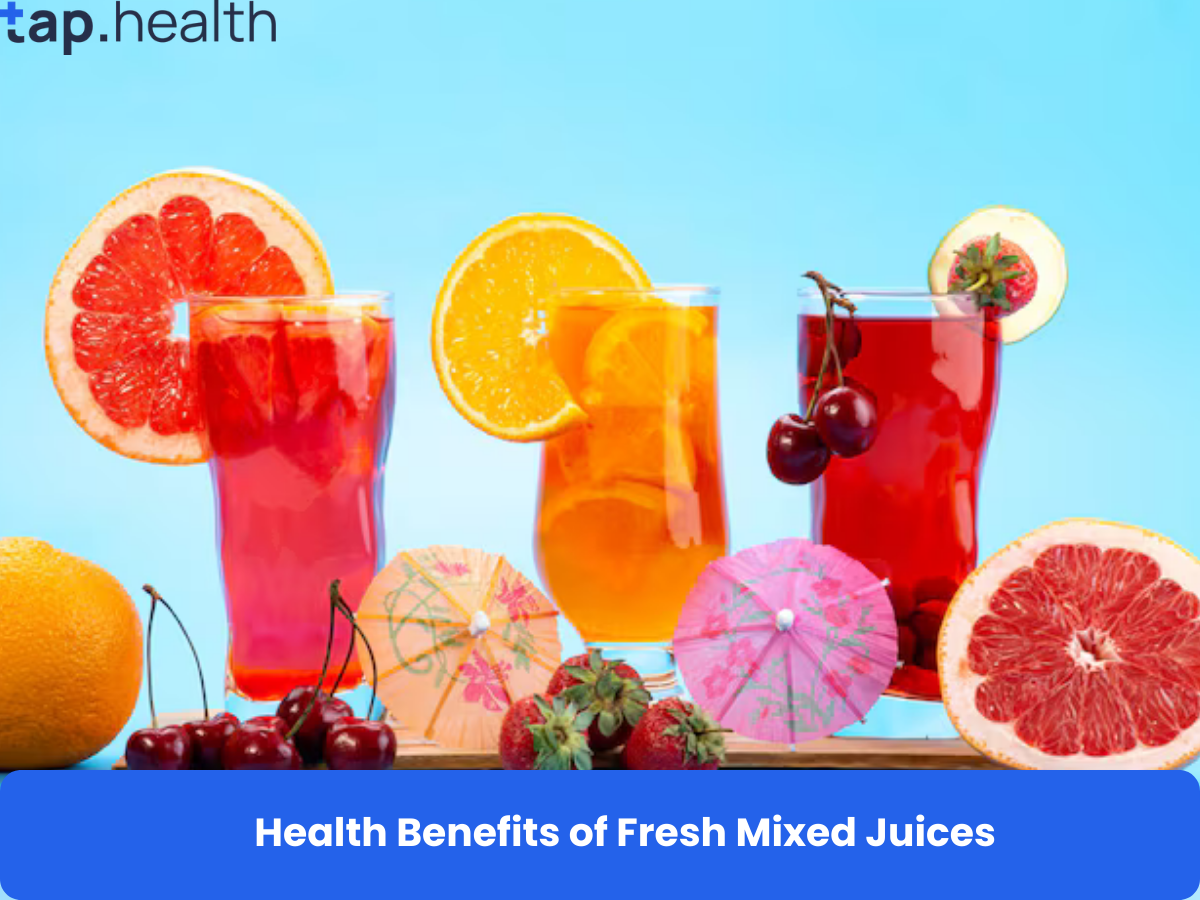
Imagine walking down a busy street in India on a hot summer afternoon. You see a small stall with a pyramid of colourful sweet limes (mosambis), bright red carrots, and deep purple beetroots. The sound of the machine whirring, the aroma of fresh mint, and that first sip of ice-cold, vibrant liquid—it’s not just refreshing; it feels like life itself returning to your body.
But beyond the cooling relief, have you ever wondered what that glass of fresh mixed juice is actually doing to your system?
In recent years, juicing has moved from being just a morning breakfast sidekick to a multi-billion dollar wellness trend. From corporate professionals in Bangalore to fitness enthusiasts in Delhi, everyone seems to be carrying a bottle of “detox” juice. But is it all hype, or is there real science behind it?
In this comprehensive guide, we will cut through the noise. We will explore the proven health benefits of fresh mixed juices, the best combinations for your specific needs, and how to drink them the right way without spiking your sugar levels.
What is Fresh Mixed Juice?
Put simply, fresh mixed juice is the liquid extracted from a combination of fruits, vegetables, and often herbs (like ginger or mint). Unlike the packaged juices you buy in supermarkets—which are often loaded with preservatives, added sugar, and heat-treated (pasteurised) to last for months—fresh juice is “live” food.
It contains active enzymes, vitamins, minerals, and phytonutrients (plant chemicals) in a liquid form that your body can absorb almost instantly. When you mix ingredients—say, combining the Vitamin C of an orange with the iron of spinach—you create a “synergistic effect.” This means the nutrients work together to give you a bigger health boost than if you consumed them separately.
Top Health Benefits of Fresh Mixed Juices
Let’s dive deep into why health experts and grandmothers alike recommend a glass of fresh juice.
1. Instant Nutrient Absorption (The “Express Highway”)
When you eat a whole carrot, your body has to work hard. It must chew, break down the fibres in the stomach, and process the pulp to extract Vitamin A. This digestion process can take hours.
However, fresh juice acts like an express highway for nutrition. Because the insoluble fibre is removed (or broken down), your digestive system doesn’t have to work as hard. The vitamins and minerals pass through your stomach and are absorbed into your bloodstream very quickly—often within 15 to 20 minutes.
- Why it matters: If you are recovering from a fever, feeling fatigued, or have a weak digestive system, juice is the fastest way to get nourishment to your cells.
2. A Powerhouse of Antioxidants
Every day, our bodies fight a battle against “free radicals”—unstable molecules caused by pollution, stress, and junk food. These free radicals cause “rust” in our bodies, leading to ageing and diseases.
Fresh mixed juices are concentrated sources of antioxidants (the good guys).
- Example: A mix of pomegranate and beetroot is loaded with anthocyanins and betalains, which actively neutralise these harmful free radicals, protecting your cells from damage.
3. The “Glow” Factor: Skin Health
If you want that natural, lit-from-within look, skip the expensive creams and look at your diet.
- Hydration: Juices are mostly water, which keeps your skin cells plump and hydrated.
- Detoxification: Ingredients like cucumber and aloe vera flush out toxins that cause acne.
- Collagen Boost: Citrus fruits (oranges, lemons) in your mix provide high levels of Vitamin C, which is essential for producing collagen—the protein that keeps skin firm and wrinkle-free.
4. Alkalising the Body
The modern Indian diet is often acidic—think spicy curries, tea, coffee, and fried snacks. An acidic body is a breeding ground for inflammation. Most vegetable juices (especially green ones made from spinach, bottle gourd/lauki, or celery) are alkaline.
- The Benefit: Drinking alkaline juices helps neutralise excess stomach acid, reducing heartburn and creating an internal environment where diseases struggle to survive.
5. Boosting Immunity
This is perhaps the most searched benefit. Our immune system relies on a steady supply of vitamins.
- The Mix: A combination of Carrot + Orange + Ginger creates a potent immunity shield. The Vitamin A from carrots protects your mucous membranes (lining of nose and throat), while Vitamin C fights off infections, and ginger acts as a natural antibiotic.
Real-Life Scenario
Meet Rohan: The 30-Day Juice Experiment
Rohan, a 34-year-old software engineer from Pune, felt constantly sluggish. His job involved sitting for 10 hours a day, and his diet consisted mostly of canteen food and endless cups of chai. He suffered from bloating, dull skin, and “brain fog” by 3 PM every day.
The Change:
Rohan decided to replace his evening chai-and-biscuit routine with a glass of ABC Juice (Apple, Beetroot, Carrot) for 30 days. He didn’t change anything else in his diet initially.
The Results:
- Week 1: He noticed he was peeing more often (the diuretic effect flushing out water retention).
- Week 2: The 3 PM “crash” disappeared. He had steady energy until the evening.
- Week 3: His colleagues commented that his face looked “cleaner” and less puffy.
- Day 30: Rohan’s digestion had improved significantly. The constipation that plagued him for years was gone.
The Lesson: Rohan didn’t need a radical diet overhaul. Just adding one glass of nutrient-dense mixed juice bridged his nutritional gap.
Expert Contribution
Insights from a Clinical Nutritionist
We consulted with nutrition experts to understand the nuances of juicing. Here is the consensus:
“The biggest mistake people make is treating juice like a dessert,” says Dr. Anjali Rao, a Clinical Dietitian. “If you juice five oranges, you are drinking the sugar of five oranges in 30 seconds, without the fibre to slow it down. This causes an insulin spike.”
The Golden Ratio Rule:
Dr. Rao recommends the 80/20 Rule for healthy juicing:
- 80% Vegetables: Spinach, cucumber, celery, bottle gourd, ash gourd, beetroot, carrots.
- 20% Fruit: Apple, pear, pineapple, or orange (just to add sweetness).
“Think of fruit as the flavouring, and vegetables as the base,” she advises. “This ensures you get the vitamins without overloading your liver with fructose (fruit sugar).”
Fresh Juice vs. Whole Fruit: The Great Debate
This is the most common question: Why not just eat the fruit?
| Feature | Eating Whole Fruit/Veg | Drinking Fresh Juice |
| Fibre Content | High (Contains pulp and skin) | Low (Fibre is extracted) |
| Digestion Speed | Slow (2–4 hours) | Fast (15–30 mins) |
| Nutrient Density | Standard | Concentrated (You can drink 1kg of carrots, but can’t eat them easily) |
| Satiety (Fullness) | Keeps you full for long | You may feel hungry soon after |
| Best For | Weight loss, blood sugar control | Recovery, energy boost, poor digestion |
The Verdict: Neither is “better.” They serve different purposes. Eat whole fruits for daily maintenance and fibre. Drink juice for a therapeutic dose of vitamins or when you need quick energy.
Best Indian Juice Combinations (Rank-Ready Recipes)
Here are three scientifically sound combinations using ingredients easily available in Indian markets.
1. The Classic ABC (The Miracle Drink)
- Ingredients: Apple, Beetroot, Carrot (plus a squeeze of lemon).
- Benefits: This is the holy grail of mixed juices. Beetroots increase nitric oxide (lowering blood pressure), carrots aid vision, and apples provide sweetness and pectin.
- Best Time: Morning, empty stomach.
2. The Green Detox (The “Hara Bhara” Cleanse)
- Ingredients: Spinach (Palak), Cucumber, Bottle Gourd (Lauki), Mint, Ginger, Lemon.
- Benefits: Extremely low in calories and sugar. Cucumber hydrates, Lauki is cooling for the stomach (Ayurvedic benefit), and ginger aids digestion.
- Best Time: Mid-morning or late afternoon.
3. The Immunity Gold (Turmeric Tonic)
- Ingredients: Orange, Fresh Turmeric (Kacchi Haldi), Carrot, Black Pepper.
- Benefits: Curcumin in turmeric is a powerful anti-inflammatory. Note: You must add a pinch of black pepper, as it increases the absorption of turmeric by 2000%.
- Best Time: During seasonal changes or flu season.
Recommendations Grounded in Proven Research and Facts
To ensure this advice is safe and effective, we looked at global health data.
1. Cardiovascular Health (The Beetroot Study):
According to research cited by the British Heart Foundation and studies published in nutritional journals, beetroot juice significantly lowers blood pressure. The nitrates in beets convert to nitric oxide gas in the blood, which relaxes and widens blood vessels.
- Recommendation: If you have hypertension, consider incorporating beetroot juice into your diet 3–4 times a week (consult your doctor first).
2. The WHO Guideline on Sugar:
The World Health Organization (WHO) classifies fruit juice sugar as “free sugars.” They recommend limiting free sugars to less than 10% of total energy intake.
- Recommendation: Limit pure fruit juice to 150ml per day. If you mix it with vegetables (as suggested in this article), you can safely drink a larger portion (250–300ml) because the overall sugar load is lower.
3. Nutrient Retention:
Studies show that fresh juice loses nutrients rapidly due to oxidation (exposure to air). Vitamin C can degrade within 30 minutes of juicing.
- Recommendation: Drink your juice immediately. Do not store it in the fridge for “later” unless you are using a specialised cold-press juicer with an airtight seal.
Precautions and Side Effects
While healthy, juicing is not for everyone. Here are the safety guardrails.
- Kidney Stones: Foods high in oxalates (like spinach and beetroot) can contribute to kidney stones if consumed in excess. If you have a history of stones, limit these ingredients.
- The Sugar Spike (Diabetes Warning): Diabetics should be very careful. A glass of mix fruit juice can spike blood sugar faster than a cola. Stick to Green Juices (cucumber, karela, lauki) and avoid sweet fruits.
- Hygiene is King: In India, typhoid and jaundice are often water-borne or food-borne. If you are drinking juice at a stall:
- Ensure they don’t add local water/ice.
- Check if the machine is clean.
- Ideally, make it at home to be safe.
- Tooth Enamel: The acid in citrus juices can soften tooth enamel. Don’t brush your teeth immediately after drinking juice; rinse your mouth with water instead.
Key Takeaways
- Liquid Nutrition: Fresh mixed juices provide a rapid infusion of vitamins and minerals that are absorbed quickly by the body.
- Mix It Up: Never drink 100% fruit juice regularly. Aim for a mix of vegetables and a small amount of fruit (80/20 ratio).
- The ABC Miracle: Apple, Beetroot, and Carrot is the most balanced starter juice for general health.
- Drink Fresh: Nutrients die quickly. Drink your juice within 15 minutes of making it.
- Listen to Your Body: If you feel bloated, you might be drinking it too fast or using ingredients that don’t suit you (like raw cabbage).
Frequently Asked Questions (FAQ) on Health Benefits of Fresh Mixed Juices
1. Is it better to drink juice in the morning or evening?
The best time is generally the morning on an empty stomach. This allows your body to absorb the nutrients effectively without competing with other food digestion. However, avoid highly acidic juices (like pure lemon or orange) first thing if you have acidity issues; in that case, mid-morning is safer.
2. Can mixed juice replace a meal?
No, it should not replace a main meal long-term. While juice contains vitamins, it lacks protein and healthy fats, which are essential for survival. It also lacks the fibre needed to keep you feeling full. Think of juice as a “supplement,” not a meal replacement.
3. Does mixing fruits and vegetables cause digestive issues?
In Ayurveda, mixing certain fruits (like melons) with other foods is frowned upon. However, for most people, mixing standard veggies like carrots and spinach with an apple is perfectly fine. If you experience gas or bloating, try simplifying your mix to just two ingredients to see what works for you.
4. Is cold-pressed juice better than normal centrifugal juice?
Yes, generally. Cold-pressed juicers (masticating juicers) crush the fruit slowly without generating heat. Traditional fast-spinning juicers generate heat and introduce air, which can destroy delicate nutrients like enzymes and Vitamin C. Cold-pressed juice retains more nutrients and stays fresh slightly longer.
5. Can drinking fresh juice help me lose weight?
It can help, but it’s not a magic potion. Vegetable juices are low in calories and high in water volume, which can help control cravings. However, if you drink sugary fruit juices, you might actually gain weight. For weight loss, stick to green juices (cucumber, bottle gourd, spinach) with a dash of lemon.
Mayo Clinic: Is juicing healthier than eating whole fruit?
Healthline: The 12 Best Vegetables to Juice
World Health Organization (WHO): Guideline: Sugars intake for adults and children