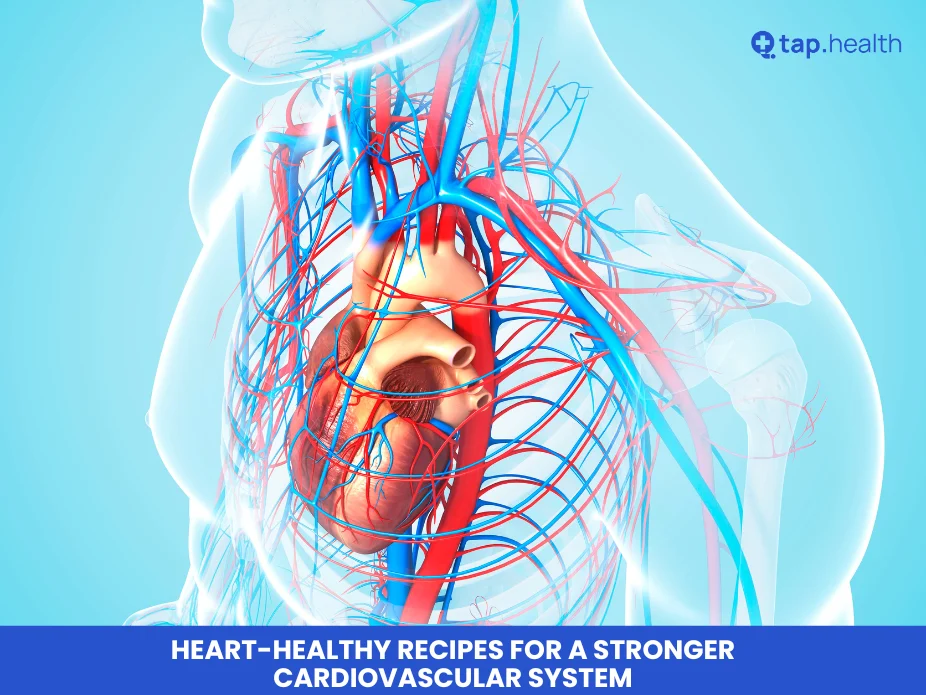
Taking care of your heart is essential for a long, healthy life. While regular exercise and avoiding unhealthy habits are important, what you eat plays a significant role in maintaining a strong cardiovascular system. Incorporating heart-healthy recipes for a stronger cardiovascular system into your diet can help reduce the risk of heart disease, lower blood pressure, and improve overall heart function. In this blog, we’ll explore delicious and nutritious meals that support heart health, share real-life scenarios, expert insights, and provide easy-to-follow recommendations backed by research. Let’s get started!
Why Your Diet Matters for Heart Health
Your heart is a vital organ that pumps blood throughout your body, delivering oxygen and nutrients to every cell. A balanced diet rich in essential nutrients can help keep your heart healthy, prevent the buildup of plaque in your arteries, and maintain optimal blood pressure levels. Conversely, a poor diet high in saturated fats, trans fats, and sodium can lead to heart disease, the leading cause of death worldwide.
Key Nutrients for a Healthy Heart
- Omega-3 Fatty Acids: Reduce inflammation and lower the risk of heart disease.
- Fiber: Helps lower cholesterol levels and maintain healthy blood sugar levels.
- Antioxidants: Protect the heart from oxidative stress and damage.
- Potassium: Helps regulate blood pressure and reduce the strain on your heart.
- Magnesium: Supports muscle function, including the heart muscle, and helps regulate blood pressure.
- Vitamin C and E: Powerful antioxidants that protect the heart from damage.
Top Heart-Healthy Foods to Include in Your Diet
1. Salmon
Salmon is an excellent source of omega-3 fatty acids, which are known to reduce inflammation and lower the risk of heart disease. Including salmon in your diet can help improve cholesterol levels and reduce blood pressure.
Real-Life Scenario:
James, a 45-year-old accountant, struggled with high cholesterol levels. After incorporating salmon into his meals twice a week, his cholesterol levels improved, and his doctor noted better heart health during his annual check-up.
2. Leafy Green Vegetables
Vegetables like spinach, kale, and Swiss chard are packed with vitamins, minerals, and antioxidants that support heart health. They are particularly high in vitamin K, which helps protect arteries and promote proper blood clotting.
3. Berries
Berries such as blueberries, strawberries, and raspberries are rich in antioxidants and fiber. They help reduce inflammation, lower blood pressure, and improve cholesterol levels, all of which are beneficial for the heart.
4. Nuts and Seeds
Almonds, walnuts, flaxseeds, and chia seeds are excellent sources of healthy fats, protein, and fiber. They help lower bad cholesterol (LDL) and increase good cholesterol (HDL), reducing the risk of heart disease.
5. Olive Oil
Extra virgin olive oil is a staple in heart-healthy diets like the Mediterranean diet. It contains monounsaturated fats and antioxidants that help reduce inflammation and protect the heart from damage.
6. Whole Grains
Whole grains like oats, brown rice, quinoa, and whole wheat are high in fiber, which helps lower cholesterol and maintain healthy blood sugar levels. They also provide essential nutrients like B vitamins and magnesium.
7. Avocados
Avocados are loaded with monounsaturated fats, potassium, and fiber. They help reduce bad cholesterol levels, lower blood pressure, and provide essential nutrients that support overall heart health.
8. Dark Chocolate
Dark chocolate with at least 70% cocoa content is rich in antioxidants and can improve heart health by lowering blood pressure, reducing inflammation, and improving blood flow to the brain and heart.
9. Beans and Lentils
Beans, lentils, and other legumes are excellent sources of protein, fiber, and essential nutrients like magnesium and potassium. They help lower cholesterol, reduce blood pressure, and support heart health.
10. Green Tea
Green tea is rich in antioxidants, particularly catechins, which help reduce inflammation and protect the heart from oxidative damage. Regular consumption of green tea is associated with a lower risk of heart disease.
Expert Contributions
Dr. Sarah Mitchell, a cardiologist at the Heart Health Institute, emphasizes the importance of nutrition in maintaining a healthy heart. She states, “A heart-healthy diet is not just about reducing the intake of harmful foods but also about incorporating nutrient-dense foods that support cardiovascular function. By choosing the right foods, individuals can significantly lower their risk of heart disease and improve their overall heart health” Heart Health Institute.
Recommendations Grounded in Proven Research and Facts
Incorporate a Variety of Heart-Healthy Foods
Eating a diverse range of heart-healthy foods ensures you receive a broad spectrum of nutrients that work together to support cardiovascular function. Aim to include at least five servings of fruits and vegetables, two servings of fatty fish, and a handful of nuts and seeds in your daily diet.
Limit Saturated and Trans Fats
Reducing your intake of saturated and trans fats can significantly lower your risk of heart disease. Avoid processed foods, fried foods, and high-fat dairy products. Instead, choose healthy fats from sources like olive oil, avocados, and nuts.
Increase Fiber Intake
Fiber helps lower cholesterol levels and maintain healthy blood sugar levels. Incorporate whole grains, beans, lentils, fruits, and vegetables into your meals to boost your fiber intake.
Stay Hydrated
Proper hydration is essential for maintaining blood pressure and ensuring optimal heart function. Aim to drink at least eight glasses of water a day, and limit sugary beverages and excessive caffeine intake.
Manage Sodium Intake
High sodium intake is linked to high blood pressure, a major risk factor for heart disease. Limit the use of salt in cooking and avoid processed foods that are high in sodium.
Maintain a Healthy Weight
Achieving and maintaining a healthy weight reduces the strain on your heart, lowers blood pressure, and decreases the risk of heart disease. Combine a balanced diet with regular physical activity to achieve your weight goals.
Real-Life Scenarios
Case Study 1: Maria’s Heart Health Transformation
Maria, a 50-year-old teacher, was diagnosed with high blood pressure and elevated cholesterol levels. Her doctor recommended dietary changes to support her heart health. Maria began incorporating more leafy greens, berries, and fatty fish into her meals while reducing her intake of red meat and processed foods. After six months, her blood pressure and cholesterol levels significantly improved, and she felt more energetic and healthier.
Case Study 2: Tom’s Cholesterol Reduction
Tom, a 40-year-old construction worker, had high LDL cholesterol and was at risk of developing heart disease. He started following a heart-healthy diet by adding nuts, seeds, and whole grains to his meals and replacing butter with olive oil. Within a year, Tom’s cholesterol levels dropped to healthy ranges, and his risk of heart disease was greatly reduced.
Factual and Reliable Information
Research consistently supports the link between diet and heart health. A study published in the American Journal of Clinical Nutrition found that individuals who followed a Mediterranean diet, rich in fruits, vegetables, whole grains, and healthy fats, had a lower risk of developing heart disease American Journal of Clinical Nutrition.
Another study in Nutrients highlighted the benefits of omega-3 fatty acids in reducing inflammation and improving heart health, emphasizing the importance of including fatty fish and plant-based sources of omega-3s in the diet Nutrients Journal.
Easy and Delicious Heart-Healthy Meal Ideas
Breakfast: Greek Yogurt Parfait with Berries and Nuts
Ingredients:
- 1 cup Greek yogurt
- 1/2 cup mixed berries (blueberries, strawberries, raspberries)
- 2 tablespoons almonds or walnuts, chopped
- 1 tablespoon honey
- 1 tablespoon chia seeds
Instructions:
- In a bowl, add Greek yogurt.
- Top with mixed berries and chopped nuts.
- Drizzle with honey.
- Sprinkle chia seeds on top.
- Enjoy a protein-packed and heart-healthy start to your day!
Lunch: Quinoa and Salmon Salad
Ingredients:
- 1 cup cooked quinoa
- 1 grilled salmon fillet, flaked
- 1/2 cup cherry tomatoes, halved
- 1/2 avocado, diced
- 1 cup mixed greens
- 2 tablespoons olive oil
- 1 tablespoon lemon juice
- Salt and pepper to taste
Instructions:
- In a large bowl, combine cooked quinoa, mixed greens, and cherry tomatoes.
- Add flaked salmon and diced avocado.
- Drizzle with olive oil and lemon juice.
- Season with salt and pepper.
- Toss gently and serve for a balanced and heart-healthy lunch!
Dinner: Mediterranean Chickpea Stew
Ingredients:
- 1 can chickpeas, drained and rinsed
- 1 can diced tomatoes
- 1 onion, chopped
- 2 cloves garlic, minced
- 1 zucchini, diced
- 1 bell pepper, diced
- 2 tablespoons olive oil
- 1 teaspoon cumin
- 1 teaspoon paprika
- 1/2 teaspoon turmeric
- Salt and pepper to taste
- Fresh parsley for garnish
Instructions:
- Heat olive oil in a large pot over medium heat.
- Add chopped onion and garlic, sauté until translucent.
- Add diced zucchini and bell pepper, cook for 5 minutes.
- Stir in chickpeas, diced tomatoes, cumin, paprika, and turmeric.
Heart-Healthy Recipes for a Stronger Cardiovascular System
Everyone wants a healthy heart to support an active and long life. While regular exercise and avoiding unhealthy habits are important, what you eat plays a crucial role in maintaining a strong cardiovascular system. Incorporating heart-healthy recipes for a stronger cardiovascular system into your diet can help reduce the risk of heart disease, lower blood pressure, and improve overall heart function. In this blog, we’ll explore delicious and nutritious meals that support heart health, share real-life scenarios, expert insights, and provide easy-to-follow recommendations backed by research. Let’s get started!
Why Your Diet Matters for Heart Health
Your heart is a vital organ that pumps blood throughout your body, delivering oxygen and nutrients to every cell. A balanced diet rich in essential nutrients can help keep your heart healthy, prevent the buildup of plaque in your arteries, and maintain optimal blood pressure levels. Conversely, a poor diet high in saturated fats, trans fats, and sodium can lead to heart disease, the leading cause of death worldwide.
Key Nutrients for a Healthy Heart
- Omega-3 Fatty Acids: Reduce inflammation and lower the risk of heart disease.
- Fiber: Helps lower cholesterol levels and maintain healthy blood sugar levels.
- Antioxidants: Protect the heart from oxidative stress and damage.
- Potassium: Helps regulate blood pressure and reduce the strain on your heart.
- Magnesium: Supports muscle function, including the heart muscle, and helps regulate blood pressure.
- Vitamin C and E: Powerful antioxidants that protect the heart from damage.
Top Heart-Healthy Foods to Include in Your Diet
1. Salmon
Salmon is an excellent source of omega-3 fatty acids, which are known to reduce inflammation and lower the risk of heart disease. Including salmon in your diet can help improve cholesterol levels and reduce blood pressure.
Real-Life Scenario:
James, a 45-year-old accountant, struggled with high cholesterol levels. After incorporating salmon into his meals twice a week, his cholesterol levels improved, and his doctor noted better heart health during his annual check-up.
2. Leafy Green Vegetables
Vegetables like spinach, kale, and Swiss chard are packed with vitamins, minerals, and antioxidants that support heart health. They are particularly high in vitamin K, which helps protect arteries and promote proper blood clotting.
3. Berries
Berries such as blueberries, strawberries, and raspberries are rich in antioxidants and fiber. They help reduce inflammation, lower blood pressure, and improve cholesterol levels, all of which are beneficial for the heart.
4. Nuts and Seeds
Almonds, walnuts, flaxseeds, and chia seeds are excellent sources of healthy fats, protein, and fiber. They help lower bad cholesterol (LDL) and increase good cholesterol (HDL), reducing the risk of heart disease.
5. Olive Oil
Extra virgin olive oil is a staple in heart-healthy diets like the Mediterranean diet. It contains monounsaturated fats and antioxidants that help reduce inflammation and protect the heart from damage.
6. Whole Grains
Whole grains like oats, brown rice, quinoa, and whole wheat are high in fiber, which helps lower cholesterol and maintain healthy blood sugar levels. They also provide essential nutrients like B vitamins and magnesium.
7. Avocados
Avocados are loaded with monounsaturated fats, potassium, and fiber. They help reduce bad cholesterol levels, lower blood pressure, and provide essential nutrients that support overall heart health.
8. Dark Chocolate
Dark chocolate with at least 70% cocoa content is rich in antioxidants and can improve heart health by lowering blood pressure, reducing inflammation, and improving blood flow to the brain and heart.
9. Beans and Lentils
Beans, lentils, and other legumes are excellent sources of protein, fiber, and essential nutrients like magnesium and potassium. They help lower cholesterol, reduce blood pressure, and support heart health.
10. Green Tea
Green tea is rich in antioxidants, particularly catechins, which help reduce inflammation and protect the heart from oxidative damage. Regular consumption of green tea is associated with a lower risk of heart disease.
Expert Contributions
Dr. Sarah Mitchell, a cardiologist at the Heart Health Institute, emphasizes the importance of nutrition in maintaining a healthy heart. She states, “A heart-healthy diet is not just about reducing the intake of harmful foods but also about incorporating nutrient-dense foods that support cardiovascular function. By choosing the right foods, individuals can significantly lower their risk of heart disease and improve their overall heart health” Heart Health Institute.
Recommendations Grounded in Proven Research and Facts
Incorporate a Variety of Heart-Healthy Foods
Eating a diverse range of heart-healthy foods ensures you receive a broad spectrum of nutrients that work together to support cardiovascular function. Aim to include at least five servings of fruits and vegetables, two servings of fatty fish, and a handful of nuts and seeds in your daily diet.
Limit Saturated and Trans Fats
Reducing your intake of saturated and trans fats can significantly lower your risk of heart disease. Avoid processed foods, fried foods, and high-fat dairy products. Instead, choose healthy fats from sources like olive oil, avocados, and nuts.
Increase Fiber Intake
Fiber helps lower cholesterol levels and maintain healthy blood sugar levels. Incorporate whole grains, beans, lentils, fruits, and vegetables into your meals to boost your fiber intake.
Stay Hydrated
Proper hydration is essential for maintaining blood pressure and ensuring optimal heart function. Aim to drink at least eight glasses of water a day, and limit sugary beverages and excessive caffeine intake.
Manage Sodium Intake
High sodium intake is linked to high blood pressure, a major risk factor for heart disease. Limit the use of salt in cooking and avoid processed foods that are high in sodium.
Maintain a Healthy Weight
Achieving and maintaining a healthy weight reduces the strain on your heart, lowers blood pressure, and decreases the risk of heart disease. Combine a balanced diet with regular physical activity to achieve your weight goals.
Real-Life Scenarios
Case Study 1: Maria’s Heart Health Transformation
Maria, a 50-year-old teacher, was diagnosed with high blood pressure and elevated cholesterol levels. Her doctor recommended dietary changes to support her heart health. Maria began incorporating more leafy greens, berries, and fatty fish into her meals while reducing her intake of red meat and processed foods. After six months, her blood pressure and cholesterol levels significantly improved, and she felt more energetic and healthier.
Case Study 2: Tom’s Cholesterol Reduction
Tom, a 40-year-old construction worker, had high LDL cholesterol and was at risk of developing heart disease. He started following a heart-healthy diet by adding nuts, seeds, and whole grains to his meals and replacing butter with olive oil. Within a year, Tom’s cholesterol levels dropped to healthy ranges, and his risk of heart disease was greatly reduced.
Factual and Reliable Information
Research consistently supports the link between diet and heart health. A study published in the American Journal of Clinical Nutrition found that individuals who followed a Mediterranean diet, rich in fruits, vegetables, whole grains, and healthy fats, had a lower risk of developing heart disease American Journal of Clinical Nutrition.
Another study in Nutrients highlighted the benefits of omega-3 fatty acids in reducing inflammation and improving heart health, emphasizing the importance of including fatty fish and plant-based sources of omega-3s in the diet Nutrients Journal.
Easy and Delicious Heart-Healthy Meal Ideas
Breakfast: Greek Yogurt Parfait with Berries and Nuts
Ingredients:
- 1 cup Greek yogurt
- 1/2 cup mixed berries (blueberries, strawberries, raspberries)
- 2 tablespoons almonds or walnuts, chopped
- 1 tablespoon honey
- 1 tablespoon chia seeds
Instructions:
- In a bowl, add Greek yogurt.
- Top with mixed berries and chopped nuts.
- Drizzle with honey.
- Sprinkle chia seeds on top.
- Enjoy a protein-packed and heart-healthy start to your day!
Lunch: Quinoa and Salmon Salad
Ingredients:
- 1 cup cooked quinoa
- 1 grilled salmon fillet, flaked
- 1/2 cup cherry tomatoes, halved
- 1/2 avocado, diced
- 1 cup mixed greens
- 2 tablespoons olive oil
- 1 tablespoon lemon juice
- Salt and pepper to taste
Instructions:
- In a large bowl, combine cooked quinoa, mixed greens, and cherry tomatoes.
- Add flaked salmon and diced avocado.
- Drizzle with olive oil and lemon juice.
- Season with salt and pepper.
- Toss gently and serve for a balanced and heart-healthy lunch!
Dinner: Mediterranean Chickpea Stew
Ingredients:
- 1 can chickpeas, drained and rinsed
- 1 can diced tomatoes
- 1 onion, chopped
- 2 cloves garlic, minced
- 1 zucchini, diced
- 1 bell pepper, diced
- 2 tablespoons olive oil
- 1 teaspoon cumin
- 1 teaspoon paprika
- 1/2 teaspoon turmeric
- Salt and pepper to taste
- Fresh parsley for garnish
Instructions:
- Heat olive oil in a large pot over medium heat.
- Add chopped onion and garlic, sauté until translucent.
- Add diced zucchini and bell pepper, cook for 5 minutes.
- Stir in chickpeas, diced tomatoes, cumin, paprika, and turmeric.
- Bring to a boil, then reduce heat and simmer for 20 minutes.
- Season with salt and pepper.
- Garnish with fresh parsley before serving.
- Enjoy a hearty and heart-healthy dinner!
Snack: Almond and Berry Yogurt Parfait
Ingredients:
- 1 cup Greek yogurt
- 1/2 cup mixed berries
- 2 tablespoons almonds, chopped
- 1 tablespoon honey
- 1 tablespoon flaxseeds
Instructions:
- In a glass, layer Greek yogurt with mixed berries.
- Sprinkle almonds and flaxseeds on top.
- Drizzle with honey.
- Enjoy a tasty and heart-boosting snack!
Smoothie: Green Anti-Inflammatory Smoothie
Ingredients:
- 1 cup kale leaves
- 1/2 avocado
- 1/2 cup pineapple chunks
- 1 banana
- 1 tablespoon ginger, grated
- 1 cup green tea, cooled
- Ice cubes (optional)
Instructions:
- Combine all ingredients in a blender.
- Blend until smooth.
- Pour into a glass and enjoy a refreshing, inflammation-fighting smoothie!
Frequently Asked Questions (FAQ) on Heart-Healthy Recipes for a Stronger Cardiovascular System
1. What are the best foods for a healthy heart?
Answer:
Foods rich in omega-3 fatty acids, antioxidants, fiber, healthy fats, and essential vitamins are excellent for a healthy heart. Examples include fatty fish, leafy green vegetables, berries, nuts, seeds, olive oil, whole grains, and avocados.
2. Can diet alone prevent heart disease?
Answer:
While a heart-healthy diet is crucial for reducing the risk of heart disease, it should be combined with other healthy lifestyle choices such as regular exercise, maintaining a healthy weight, avoiding smoking, and managing stress for optimal heart health.
3. How much omega-3 fatty acids should I consume for heart health?
Answer:
The American Heart Association recommends eating at least two servings of fatty fish per week to ensure adequate intake of omega-3 fatty acids. If you do not consume fish, consider taking a fish oil supplement after consulting with a healthcare provider.
4. Are there any side effects of consuming too much olive oil?
Answer:
While olive oil is healthy, it is high in calories. Consuming it in moderation is key to avoiding excessive calorie intake, which can lead to weight gain. Additionally, ensure you choose extra virgin olive oil for maximum health benefits.
5. How long does it take to see improvements in heart health from dietary changes?
Answer:
Results can vary depending on individual health conditions and the extent of dietary changes. Many people start noticing improvements in their cholesterol levels and blood pressure within a few months of consistently following a heart-healthy diet.
Conclusion
Maintaining a healthy heart doesn’t have to be complicated. By incorporating heart-healthy recipes for a stronger cardiovascular system into your daily diet, you can provide your body with the essential nutrients it needs to support heart function and reduce the risk of heart disease. Focus on a balanced diet rich in omega-3 fatty acids, antioxidants, fiber, healthy fats, and essential vitamins, stay hydrated, and limit processed foods and unhealthy fats. Remember, a healthy heart starts with what you eat!
For more tips on maintaining heart health through diet, check out these heart health resources.
References: