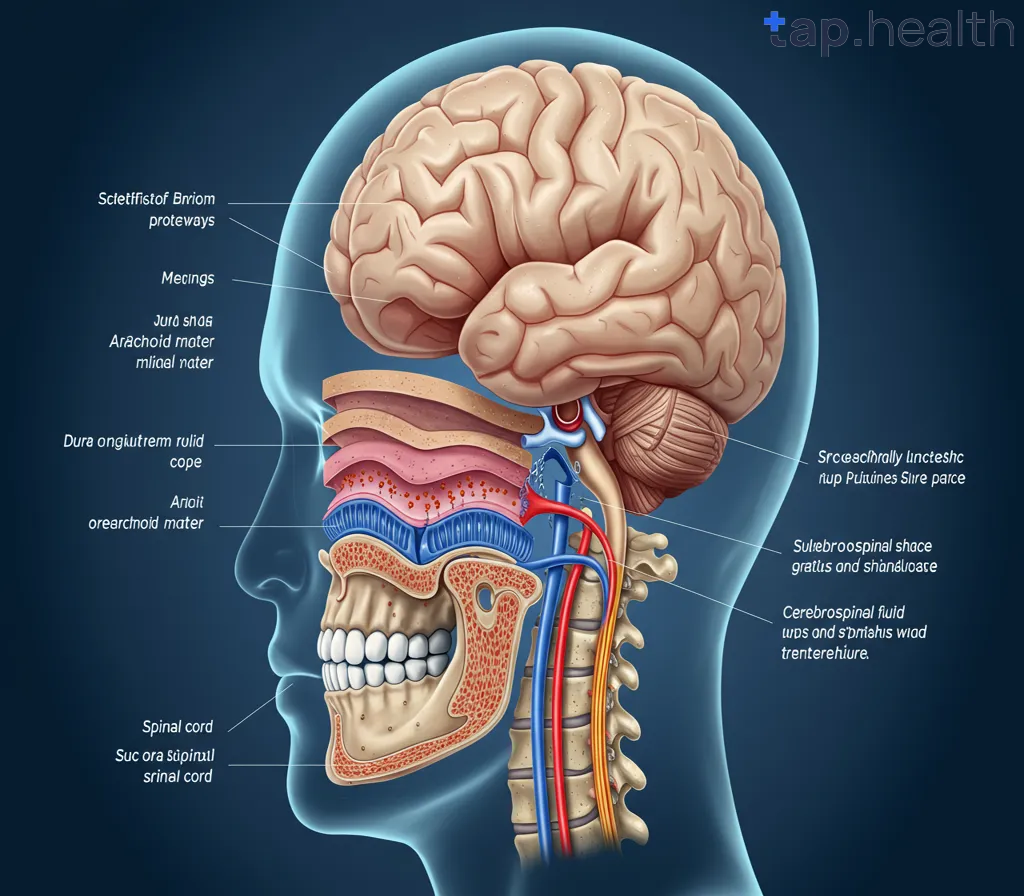
The brain and spinal cord are two of the most vital parts of the nervous system. They control everything from basic bodily functions to complex thought processes. These delicate structures are highly vulnerable to damage from external forces, diseases, or accidents. So, how are the brain and spinal cord protected in humans? In this article, we’ll explore the natural defenses that help safeguard these crucial parts of our body, including the bones, membranes, cerebrospinal fluid, and blood-brain barrier.
What Are the Brain and Spinal Cord?
Before we dive into their protection, let’s briefly understand what the brain and spinal cord are and why they are so important.
The Brain
The brain is the control center of the body, responsible for processing sensory information, regulating bodily functions, and enabling thinking, memory, emotions, and movement. It consists of several parts, including the cerebrum, cerebellum, and brainstem, each playing a specific role in maintaining bodily functions.
The Spinal Cord
The spinal cord runs from the brainstem down the back, encased in the spinal column. It acts as a communication highway, transmitting signals from the brain to the rest of the body and vice versa. The spinal cord controls reflexes and movement while also helping to regulate vital functions.
How Are the Brain and Spinal Cord Protected?
Both the brain and the spinal cord are protected by a variety of physical structures and biological systems that provide a shield against injury, infection, and other harmful factors. Let’s break down the key elements involved in their protection.
1. The Skull and Vertebral Column (Bones)
The skull and vertebral column (spine) are the first line of defense for the brain and spinal cord, respectively.
Skull
The skull, also known as the cranium, is a rigid, bony structure that surrounds and protects the brain. It consists of several bones fused together to form a protective casing around the brain. The skull is designed to absorb shock and provide structural support for the brain, minimizing the risk of direct impact or injury.
Vertebral Column
The vertebral column (or backbone) consists of 33 vertebrae that encase and protect the spinal cord. The vertebrae are arranged in a way that forms a strong, flexible column capable of supporting the body while safeguarding the spinal cord within the bony structure. This column is divided into five sections: cervical (neck), thoracic (upper back), lumbar (lower back), sacral (pelvic area), and coccygeal (tailbone).
2. Meninges (Protective Membranes)
The meninges are a set of three protective layers that surround both the brain and spinal cord, providing further protection from injury and infection.
The Three Layers of Meninges
- Dura Mater: The outermost and toughest layer, made of dense connective tissue, that provides a strong barrier to physical injury.
- Arachnoid Mater: The middle layer, which resembles a web-like structure. It acts as a cushion to protect the brain and spinal cord.
- Pia Mater: The innermost layer that is in direct contact with the brain and spinal cord. It is a thin, delicate membrane that helps to nourish the nervous tissue and acts as a barrier against infections.
3. Cerebrospinal Fluid (CSF)
The brain and spinal cord are also surrounded and protected by cerebrospinal fluid (CSF), a clear fluid that acts as both a cushion and a shock absorber. CSF circulates within the ventricles of the brain, through the spinal cord, and within the meninges.
Functions of Cerebrospinal Fluid:
- Cushioning: CSF provides a cushion against impact, reducing the risk of injury to the brain and spinal cord from blows or sudden movements.
- Nourishment: CSF helps to transport essential nutrients and remove waste products from the brain and spinal cord, maintaining their health and function.
- Protection Against Infection: CSF acts as a barrier to harmful pathogens, although it is not foolproof. The presence of CSF helps to maintain a controlled environment around the nervous system.
4. Blood-Brain Barrier (BBB)
The blood-brain barrier (BBB) is a highly selective permeability barrier that protects the brain from harmful substances in the blood while allowing necessary nutrients and oxygen to pass through.
How the Blood-Brain Barrier Works
- Protective Shield: The BBB consists of tightly joined endothelial cells lining the blood vessels in the brain. These cells prevent large molecules, toxins, and pathogens from entering the brain.
- Nutrient Transport: Despite its selective nature, the BBB allows the transport of essential substances like glucose and oxygen, which are vital for brain function.
The blood-brain barrier helps keep the brain safe from harmful substances that may be present in the bloodstream, such as bacteria, viruses, and toxins. However, it can also pose challenges when trying to deliver certain medications to the brain.
5. Reflexes and the Spinal Cord’s Protective Mechanisms
The spinal cord has its own set of protective mechanisms to prevent injury to the body and the nervous system.
Reflex Actions
Reflexes are automatic, rapid responses to stimuli that help protect the body from harm. For example, if you touch something hot, your spinal cord immediately sends a signal to your muscles to pull away from the heat without waiting for the brain’s input. This is an example of how the spinal cord helps protect the body through quick reflexes.
Spinal Shock
In the event of a spinal cord injury, the body may go into spinal shock, where there is a temporary loss of sensation and motor function below the level of injury. This process helps the body adjust to sudden damage and can sometimes allow for recovery.
Why Are These Protections So Important?
The brain and spinal cord are not only essential for basic bodily functions but also for more complex processes like thought, emotion, and movement. Their protection is crucial because damage to either structure can lead to severe consequences such as paralysis, cognitive dysfunction, or even death. The brain’s ability to think, learn, and feel emotions, and the spinal cord’s role in controlling movement, highlight the need for effective protective mechanisms.
Additional Mechanisms That Protect the Brain and Spinal Cord
Aside from the physical barriers and systems already discussed, there are other mechanisms that help to protect the brain and spinal cord from damage.
1. Skull Shape and Structure
The shape and structure of the skull are designed to disperse force during an impact. The brain is protected by the rounded, dome-like shape of the skull, which helps distribute the force over a larger area, reducing the risk of injury to delicate brain tissues.
2. Cushioning Effect of the Neck Muscles
The neck muscles help support and protect the brain and spinal cord by absorbing shocks and reducing the force exerted on the head and spine during sudden movements or impacts.
3. Vestibular System
The vestibular system, located in the inner ear, plays a crucial role in maintaining balance and orientation. This system helps protect the brain and spinal cord by providing feedback on movement, which allows the body to adjust to sudden changes in position, preventing falls and injuries.
How Do Injuries Affect the Protection of the Brain and Spinal Cord?
While the body has many protective mechanisms, injuries to the brain and spinal cord can still occur. Common injuries include:
1. Traumatic Brain Injuries (TBI)
TBIs occur when the brain is injured due to external forces, such as falls, accidents, or blows to the head. Even though the skull and meninges provide protection, a severe impact can still lead to bruising, bleeding, or other forms of damage to the brain.
2. Spinal Cord Injuries
Spinal cord injuries can result from accidents, sports injuries, or falls, leading to partial or complete paralysis below the site of the injury. The spinal column provides substantial protection, but the spinal cord remains vulnerable to severe damage.
FAQ on How Brain and Spinal Cord are Protected in Humans
1. How Does the Skull Protect the Brain?
The skull, made up of strong, fused bones, acts as a protective casing for the brain, absorbing shocks and protecting it from physical trauma.
2. What Are the Meninges?
The meninges are three layers of membranes surrounding the brain and spinal cord. They provide additional protection by cushioning the nervous system.
3. What Is Cerebrospinal Fluid (CSF) and How Does It Protect the Brain?
CSF is a clear fluid that surrounds and cushions the brain and spinal cord. It helps absorb shocks and provides nutrients to the nervous system while removing waste.
4. What Is the Blood-Brain Barrier and How Does It Protect the Brain?
The blood-brain barrier is a selective filter that prevents harmful substances in the bloodstream from entering the brain while allowing essential nutrients like oxygen to pass through.
5. How Does the Spinal Cord Protect Itself from Injury?
The spinal cord is protected by the vertebral column (spine), reflex actions, and mechanisms like spinal shock, which help the body respond to and recover from injury.
Conclusion
The brain and spinal cord are protected by a range of physical structures, including the skull and vertebral column, protective membranes (meninges), cerebrospinal fluid, and the blood-brain barrier. These systems help safeguard these vital parts of the nervous system from injury, infection, and harmful substances. However, despite these protections, injuries can still occur, and it’s essential to understand how these systems work to protect our body’s most important functions.
By maintaining proper safety practices and understanding how the body defends itself, we can reduce the risk of injury and ensure the continued health of the brain and spinal cord.