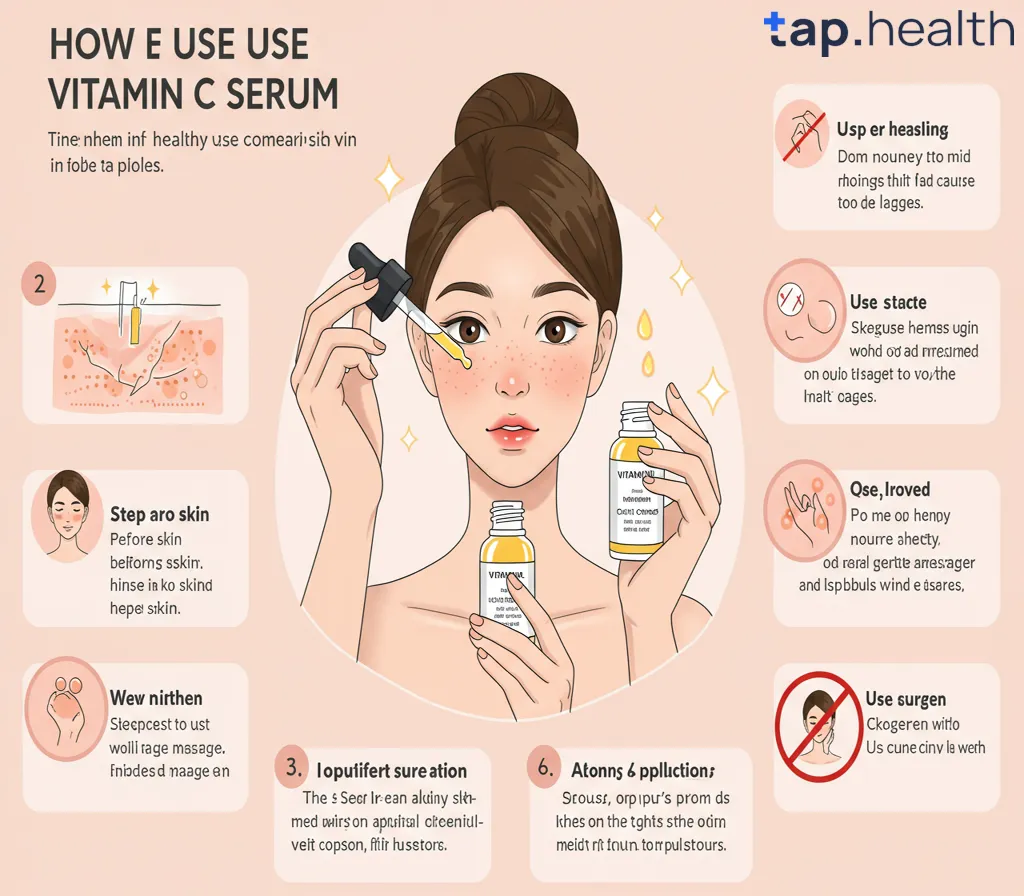
Vitamin C serum has become one of the most popular skincare products in recent years—and for good reason! This powerful antioxidant can help brighten your skin, reduce wrinkles, and even out your complexion. However, despite its popularity, many people are unsure about how to use Vitamin C serum properly. If you’re wondering how to incorporate this serum into your skincare routine, you’ve come to the right place.
In this detailed guide, we will break down everything you need to know about using Vitamin C serum effectively. We will explain its benefits, how to apply it, when to use it, and answer common questions that many people have about this amazing skincare product. Let’s dive in!
What is Vitamin C Serum?
Before we get into how to use Vitamin C serum, let’s first understand what it is and why it’s so beneficial for your skin.
What Is Vitamin C Serum?
Vitamin C serum is a concentrated liquid form of Vitamin C that is designed specifically for your skin. It typically contains ascorbic acid (the active form of Vitamin C), which is a potent antioxidant that helps protect your skin from free radical damage. Free radicals are unstable molecules that can damage skin cells and contribute to premature aging, fine lines, and wrinkles.
Vitamin C is also known for its ability to:
- Brighten the skin by reducing dark spots and hyperpigmentation
- Stimulate collagen production, helping to firm and smooth the skin
- Reduce inflammation, which is beneficial for sensitive or acne-prone skin
- Protect the skin from sun damage by neutralizing free radicals caused by UV exposure
Vitamin C serums are available in a variety of formulas, with different concentrations and additional ingredients like hyaluronic acid, ferulic acid, and vitamin E, which enhance the serum’s effectiveness.
How Do You Use Vitamin C Serum?
1. Start with Clean Skin
The first step in using any skincare product is to ensure your skin is clean and free of dirt, oil, and makeup. Vitamin C serum should be applied to freshly washed skin, as this allows for better absorption and effectiveness.
- Step 1: Cleanse your face with a gentle cleanser suited for your skin type. Avoid using harsh soaps or exfoliating cleansers, as they can strip your skin of natural oils, making it harder for the serum to penetrate.
- Step 2: Pat your face dry with a clean towel. Your skin should be slightly damp, but not wet, as this helps lock in moisture when you apply the serum.
2. Apply the Vitamin C Serum
Now that your skin is clean and prepped, it’s time to apply the Vitamin C serum. Here’s how to apply it:
- Step 1: Dispense a few drops of the serum onto your fingertips. You don’t need much—typically 2 to 3 drops are enough for your entire face.
- Step 2: Gently massage the serum into your skin using your fingertips. Start with your cheeks and work your way outward toward the rest of your face. Be sure to apply the serum evenly, covering your forehead, chin, and neck.
- Step 3: Allow the serum to absorb into your skin. Wait about 1 to 2 minutes before moving on to the next steps in your routine.
3. Layer Other Skincare Products
After applying the Vitamin C serum, you should continue with the rest of your skincare routine. Here’s the order of application for a basic skincare routine:
- Toner (Optional): If you use a toner, apply it after the serum. Toners help balance the skin’s pH and prepare the skin for moisturizing.
- Moisturizer: Follow up with a good moisturizer to lock in hydration and support your skin’s barrier function.
- Sunscreen (AM only): If you’re applying Vitamin C serum in the morning, always finish your routine with a broad-spectrum sunscreen of at least SPF 30. Vitamin C can help protect against sun damage, but it does not replace sunscreen.
4. Use Vitamin C Serum Consistently
For the best results, consistency is key. You should aim to use your Vitamin C serum every day. While some people may prefer to use it in the morning for added protection from free radicals during the day, others might choose to use it at night. Both are effective, so it’s really up to your personal preference and routine.
- Morning: If you use it in the morning, always follow with sunscreen to protect your skin from UV rays.
- Night: If you use it at night, simply apply the serum as part of your evening routine. There’s no need to worry about sun exposure while you sleep.
When Should You Start Using Vitamin C Serum?
It’s never too early to start caring for your skin, and Vitamin C serum can be a great addition to any skincare routine. However, there are some key benefits that may be most noticeable in different age groups.
1. In Your 20s: Prevention is Key
If you’re in your 20s, now is the perfect time to start incorporating Vitamin C into your routine. Using Vitamin C serum early helps protect your skin from free radical damage, which can cause premature aging. It also boosts collagen production, helping to keep your skin firm and smooth.
2. In Your 30s and Beyond: Treating and Repairing Damage
As we age, our skin becomes more prone to fine lines, wrinkles, and hyperpigmentation due to sun exposure and environmental damage. Vitamin C serum can help reverse some of this damage by reducing dark spots and stimulating collagen production, keeping your skin youthful and radiant.
Tips for Using Vitamin C Serum Effectively
1. Choose the Right Vitamin C Serum for Your Skin Type
Not all Vitamin C serums are created equal, and choosing the right one for your skin type is important for getting the best results.
- Oily Skin: Look for a lightweight, oil-free Vitamin C serum that won’t clog your pores.
- Dry Skin: Choose a serum with added hydrating ingredients, such as hyaluronic acid, to keep your skin moisturized.
- Sensitive Skin: Opt for a gentle Vitamin C serum with a lower concentration (around 10%) to avoid irritation.
2. Don’t Overdo It
A little Vitamin C serum goes a long way. Using too much can lead to irritation or skin sensitivity, especially if you have sensitive skin. Stick to the recommended dosage (usually 2-3 drops) and apply it evenly across your face.
3. Store Your Vitamin C Serum Properly
Vitamin C is sensitive to light and air, which can cause it to degrade over time. To maximize its effectiveness, store your Vitamin C serum in a cool, dark place. A dark-colored bottle can also help protect the serum from light exposure.
4. Combine Vitamin C Serum with Other Skincare Ingredients
Vitamin C works well when paired with other skincare ingredients, but there are a few things to keep in mind.
- Hyaluronic Acid: Great for hydrating the skin and complementing the effects of Vitamin C.
- Retinol: If you use retinol at night, you can still use Vitamin C serum during the day for extra protection and rejuvenation.
- Niacinamide: Vitamin C and niacinamide can work well together to brighten the skin and even out your complexion.
Frequently Asked Questions (FAQ) on How Do You Use Vitamin C Serum?
1. Can I Use Vitamin C Serum Every Day?
Yes, you can use Vitamin C serum every day. For best results, apply it once a day, either in the morning or at night, depending on your preference and routine.
2. Can I Use Vitamin C Serum with Other Skincare Products?
Yes, Vitamin C serum can be safely combined with other skincare products. Just be mindful of the order in which you apply them, with Vitamin C being one of the first products you apply after cleansing.
3. How Long Does It Take to See Results from Vitamin C Serum?
Results can vary from person to person, but most people start noticing improvements in their skin within 2 to 4 weeks of consistent use. With long-term use, Vitamin C can help reduce dark spots, fine lines, and dullness.
4. Can I Use Vitamin C Serum If I Have Sensitive Skin?
Yes, Vitamin C serum can be used on sensitive skin, but it’s important to start with a lower concentration (around 10%) and patch-test the product to ensure it doesn’t cause irritation.
5. What Percentage of Vitamin C Is Best for My Skin?
For beginners, a concentration of 10-15% is ideal. If you have more experience using Vitamin C and your skin is tolerant, you can opt for higher concentrations (20% or more).
6. Can Vitamin C Serum Replace Sunscreen?
No, Vitamin C serum should not replace sunscreen. While it provides some protection against UV damage, it is not a substitute for sunscreen. Always apply a broad-spectrum sunscreen with SPF 30 or higher after using Vitamin C serum in the morning.
Conclusion
Vitamin C serum is a powerful addition to any skincare routine, providing numerous benefits like brightening, firming, and protecting your skin from damage. To use it effectively, make sure to apply it to clean, slightly damp skin and follow up with a moisturizer and sunscreen if you’re using it in the morning. With consistent use, you’ll start noticing healthier, more radiant skin in just a few weeks.
Remember, Vitamin C serum works best when you choose the right product for your skin type, use it regularly, and store it properly. With these tips in mind, you’ll be well on your way to achieving glowing, youthful skin!