Reese’s Peanut Butter Cups are a beloved treat for many around the world. The combination of creamy peanut butter and smooth milk chocolate is irresistible, making them a favorite snack. However, if you’re watching your calorie intake or just curious about how many calories are in a Reese’s Cup, we’ve got the answers.
In this article, we will explore the calorie content of a Reese’s Cup, how it compares to other candy options, and provide tips for enjoying this popular treat without overindulging. Whether you enjoy Reese’s Cups as an occasional indulgence or a regular snack, this guide will help you make informed choices.
What is a Reese’s Cup?
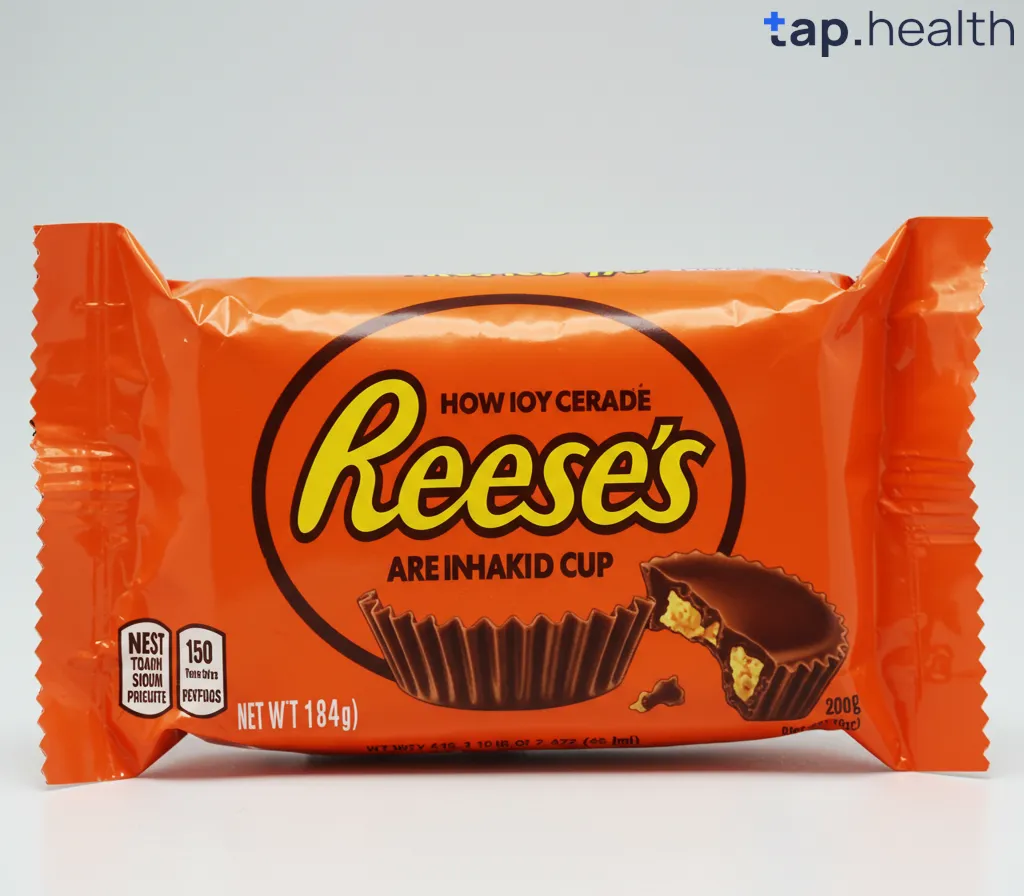
Reese’s Cups, created by the Hershey Company, are chocolate cups filled with a creamy peanut butter filling. They are one of the most popular candies in the U.S. and come in various sizes, including the classic single cup, miniatures, and even larger versions. Reese’s Cups are often seen as the perfect combination of salty and sweet, thanks to the smooth, salted peanut butter and the rich milk chocolate that coats it.
Reese’s Cups have become a go-to treat for candy lovers, but like most sweet treats, they can be high in calories and sugar. Let’s break down how many calories are in a Reese’s Cup and what makes up those calories.
How Many Calories Are in a Reese’s Cup?
The calorie content of a Reese’s Cup depends on its size. Reese’s offers several different versions of their peanut butter cups, including the original, mini cups, and big cups. Let’s take a look at the calorie content for each:
1. Original Reese’s Peanut Butter Cup
The classic Reese’s Peanut Butter Cup, which is typically about 1.5 ounces (42 grams), contains:
- Calories: 210 calories per cup
This calorie count includes both the chocolate and peanut butter filling. The majority of the calories come from the chocolate and peanut butter, which are both high in fat and sugar.
2. Reese’s Miniatures
Reese’s Miniatures are smaller versions of the original peanut butter cup, typically weighing about 0.5 ounces (14 grams) per piece. These mini cups are often sold in bags, making it easy to snack on multiple pieces. A single miniature cup contains:
- Calories: 80 calories per miniature cup
While smaller in size, these miniatures can add up in calories if you eat multiple pieces.
3. Reese’s Big Cup
Reese’s Big Cup is a larger version of the original, with a weight of about 2.8 ounces (79 grams). These cups are a popular choice for those who want a more substantial treat. One Reese’s Big Cup contains:
- Calories: 410 calories per cup
This larger version contains more peanut butter and chocolate, contributing to the higher calorie count.
4. Reese’s Cups with Stuffed Filling (Nutty, Crispy, etc.)
Reese’s also offers various limited-edition cups, such as those filled with crispy rice or nuts. These variations tend to have slightly more calories due to the added ingredients. For example:
- Reese’s Nutty Cup: 450 calories per cup
- Reese’s Crunchy Cup: 430 calories per cup
These versions are typically larger and come with added textures, increasing the calorie content.
Nutritional Breakdown of a Reese’s Cup
While calories are a key consideration, it’s also important to understand the other nutritional components of Reese’s Cups. Here’s the nutritional breakdown for a standard 1.5-ounce Reese’s Peanut Butter Cup:
- Calories: 210 calories
- Carbohydrates: 25 grams
- Sugar: 21 grams
- Fiber: 1 gram
- Protein: 5 grams
- Fat: 12 grams
- Saturated Fat: 4 grams
- Cholesterol: 5 milligrams
- Sodium: 125 milligrams
Key Nutrients in Reese’s Cups
- Sugar: The main contributor to the calorie count in a Reese’s Cup is the sugar. With about 21 grams of sugar per cup, this candy is high in added sugars, which can lead to spikes in blood sugar levels.
- Fat: Reese’s Cups contain 12 grams of fat, including 4 grams of saturated fat. While fat is an essential nutrient for energy, consuming too much saturated fat can raise your cholesterol levels, potentially leading to heart problems over time.
- Protein: Each Reese’s Cup provides about 5 grams of protein. While not a significant source of protein, the peanut butter filling does offer some amount of this essential macronutrient.
- Carbohydrates: A Reese’s Cup has around 25 grams of carbohydrates, mostly from sugar and refined flour in the chocolate.
- Sodium: A Reese’s Cup contains about 125 milligrams of sodium, which is relatively low. However, if you consume multiple cups or other salty snacks, the sodium can add up.
How to Enjoy Reese’s Cups Healthily
While Reese’s Cups are a delicious treat, they can be high in calories, fat, and sugar, so it’s important to enjoy them in moderation. Here are some tips for incorporating Reese’s Cups into a balanced diet:
1. Mind Your Portion Size
The key to enjoying Reese’s Cups without overindulging is to control your portion size. If you’re craving one, enjoy a single cup or a few miniatures, but be mindful of how many you’re consuming. You can also share your treat with others to prevent overeating.
2. Balance Your Diet with Nutrient-Rich Foods
If you’ve had a Reese’s Cup, make sure the rest of your meals are balanced and nutrient-dense. Focus on eating fruits, vegetables, whole grains, lean proteins, and healthy fats throughout the day. This can help balance out the sugar and fat you consume from the candy.
3. Exercise and Stay Active
If you enjoy sweets like Reese’s Cups, maintaining an active lifestyle can help balance out the extra calories. Engaging in physical activities like walking, running, or cycling can help burn off the calories consumed from treats.
4. Occasional Treat, Not an Everyday Habit
While it’s okay to enjoy a Reese’s Cup occasionally, they should not be part of your daily diet. Regularly consuming high-calorie, sugary foods can lead to weight gain and other health issues. Save them for special occasions and treat yourself in moderation.
How Do Reese’s Cups Compare to Other Popular Candies?
If you’re comparing Reese’s Cups to other popular candies, here’s how they measure up in terms of calories:
- Snickers (1 regular bar): About 250 calories
- Milky Way (1 fun-size bar): About 75 calories
- M&M’s (1 fun-size pack): About 90 calories
- Twix (1 regular bar): About 250 calories
- Reese’s Peanut Butter Cups (standard size): About 210 calories
Reese’s Cups fall somewhere in the middle when it comes to calorie count, with other candies like Snickers and Twix being slightly higher in calories.
Frequently Asked Questions (FAQs) on How Many Calories Are in a Reese’s Cup?
1. How many calories are in a Reese’s Cup?
A standard Reese’s Peanut Butter Cup contains about 210 calories. The calorie count can vary depending on the size and type of Reese’s Cup (e.g., with cheese or bacon).
2. How many calories are in a Reese’s Cup with peanut butter?
A regular Reese’s Peanut Butter Cup (1.5 ounces) contains 210 calories. The peanut butter filling doesn’t significantly add to the calorie count compared to the chocolate.
3. Are Reese’s Cups high in calories?
Yes, Reese’s Cups are relatively high in calories due to the sugar and fat content. A regular-sized cup contains 210 calories, which can add up quickly if you eat multiple.
4. Can I eat Reese’s Cups on a diet?
Reese’s Cups can be eaten on a diet in moderation. If you’re tracking your calories or trying to lose weight, it’s best to limit your intake of high-calorie foods like Reese’s and enjoy them as an occasional treat.
5. How many calories in a mini Reese’s Cup?
A mini Reese’s Cup contains approximately 70 calories. Miniatures are a smaller option and a great way to satisfy your craving without consuming as many calories.
6. Are Reese’s Cups bad for you?
Reese’s Cups can be part of a balanced diet when consumed occasionally. However, because they are high in sugar, fat, and calories, eating them too frequently can contribute to weight gain and other health issues.
Conclusion
Reese’s Cups are a delicious treat, but they can be calorie-dense. A regular-sized Reese’s Peanut Butter Cup contains about 210 calories, and the calorie count can increase depending on the size and any added ingredients like cheese or bacon. While they’re not the healthiest option, they can be enjoyed in moderation as part of a balanced diet. If you want to reduce your calorie intake, consider eating mini versions or pairing the treat with healthier snacks. As always, moderation is key to enjoying Reese’s Cups without overindulging!