tap.health logo
  • Diabetes Management
  • Health Assistant
  • About Us
  • Blog
  • Contact Us
Get Plan
  • Diabetes Management
  • Health Assistant
  • About Us
  • Blog
  • Contact Us
  • All Blogs
  • Weight loss
  • How Many Calories in a Corn on the Cob? Complete Nutritional Breakdown

How Many Calories in a Corn on the Cob? Complete Nutritional Breakdown

Weight loss
October 21, 2025
• 6 min read
Yasaswini Vajupeyajula
Written by
Yasaswini Vajupeyajula
Nishat Anjum
Reviewed by:
Nishat Anjum
ChatGPT Perplexity WhatsApp LinkedIn X Grok Google AI
How Many Calories in a Corn on the Cob? Complete Nutritional Breakdown

Corn on the cob is a popular side dish, especially during the summer months, when it’s grilled or boiled for family gatherings, picnics, and barbecues. It’s a simple and tasty vegetable, but if you’re conscious of your calorie intake, you might be wondering: How many calories are in a corn on the cob?

In this blog post, we’ll dive deep into the calories in corn on the cob, how various cooking methods impact its nutritional content, and the health benefits of adding corn to your diet. We’ll also answer some common questions related to this popular vegetable, helping you understand how it fits into a balanced diet.

Let’s get started!


What Is Corn on the Cob?

Before we dig into the calorie content, let’s define corn on the cob. This refers to the whole ear of corn, with the kernels still attached to the cob. Corn is a cereal grain that grows on tall plants, and the cob is the central part of the ear that holds all the kernels.

There are many ways to enjoy corn on the cob—it can be boiled, grilled, roasted, or even microwaved. While most people remove the kernels from the cob to use in recipes, corn on the cob remains a popular dish in many cultures.


How Many Calories Are in a Corn on the Cob?

The number of calories in a corn on the cob can vary based on the size of the cob and how it is cooked. However, on average, a medium-sized ear of corn (approximately 7-8 inches long) has:

  • Calories per ear of corn (medium-sized): 77-100 calories

This estimate is for boiled corn on the cob without added butter or toppings. When prepared without extra fats or oils, corn remains a fairly low-calorie, nutrient-dense food.

It’s important to note that the calorie content can change slightly depending on the size of the ear, as larger cobs will contain more calories. For example:

  • Small ear of corn (6-7 inches): Around 70 calories
  • Large ear of corn (9-10 inches): Around 120 calories

If you’re counting calories for a specific diet or meal plan, you can adjust the portion size of corn on the cob accordingly to keep your intake in check.


How Does Cooking Method Affect Calorie Content?

The calorie content in corn on the cob can be influenced by how it is cooked. While plain corn is low in calories, additives such as butter, oil, or cheese can increase the calorie count significantly. Let’s explore how different cooking methods impact the calorie content of corn.

1. Boiling Corn on the Cob

Boiling is one of the simplest and healthiest ways to prepare corn. When boiled, corn retains most of its natural nutrients and calories. As mentioned, a medium-sized boiled ear of corn contains around 77-100 calories.

Tip: If you’re watching your calorie intake, it’s best to boil the corn without adding butter or oil. This keeps the calorie content low while maintaining the vegetable’s nutritional benefits.

2. Grilling Corn on the Cob

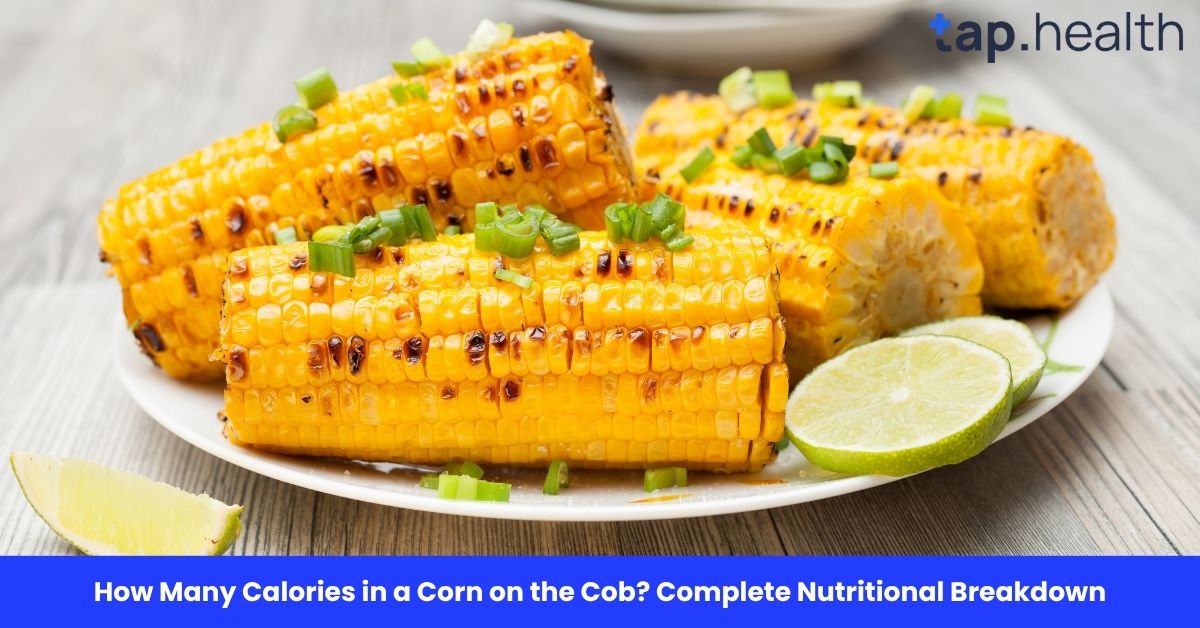
Grilling corn on the cob is a popular method, especially during summer barbecues. Grilled corn on the cob often has a slightly smoky flavor and is usually served with butter, which adds calories.

  • Calories per grilled corn on the cob (without butter): About 100-120 calories
  • Calories with butter (1 tablespoon): Adds approximately 35-45 calories

Grilling with butter or oil will increase the total calorie count, so be mindful of the added fats if you are watching your calories.

3. Microwaving Corn on the Cob

Microwaving corn is another convenient option. When prepared without butter, microwave corn is similar in calorie content to boiled corn. A medium ear of corn will have around 77-100 calories. Adding toppings will, of course, increase the calorie content.

4. Roasting Corn on the Cob

Roasting corn, often done in an oven, can enhance its natural sweetness and flavor. Like grilling, roasting often includes the use of oils or butter, which adds calories.

  • Calories per roasted corn on the cob (without butter): About 100-120 calories
  • Calories with butter or oil: Adds 35-45 calories depending on the amount used.

Nutritional Benefits of Corn on the Cob

While corn on the cob is relatively low in calories, it is packed with several important nutrients. Let’s look at the key nutritional benefits of eating corn:

1. Rich in Fiber

Corn is an excellent source of dietary fiber. A medium ear of corn contains about 2-3 grams of fiber, which can help improve digestion, regulate blood sugar levels, and keep you feeling fuller longer. Fiber is also essential for maintaining a healthy weight and digestive system.

2. High in Carbohydrates

Corn is a carbohydrate-rich food, providing about 20-30 grams of carbs per ear. These complex carbohydrates are a great source of energy, especially for those who need a quick energy boost during physical activity.

3. Packed with Vitamins and Minerals

Corn is a good source of several essential vitamins and minerals, including:

  • Vitamin C: This powerful antioxidant boosts the immune system and helps the body absorb iron.
  • B Vitamins: Corn contains B1 (thiamine), B3 (niacin), and B5 (pantothenic acid), which support energy production, brain function, and the nervous system.
  • Magnesium: Important for muscle function, nerve function, and bone health.
  • Potassium: This mineral helps regulate blood pressure and supports heart health.

4. Antioxidants

Corn also contains antioxidants like lutein and zeaxanthin, which are beneficial for eye health. These antioxidants help reduce the risk of age-related eye diseases, such as macular degeneration.


How Can You Make Corn on the Cob Healthier?

If you’re looking to make corn on the cob even healthier, here are a few simple tips:

1. Skip the Butter

While butter and oil add flavor, they also add extra calories. Instead, try seasoning your corn with herbs (like cilantro, basil, or parsley) or spices (such as chili powder, paprika, or cumin). You can also use a squeeze of lime or a sprinkle of sea salt for flavor without adding extra calories.

2. Grill or Roast with Minimal Oil

If you’re grilling or roasting corn, try to minimize the amount of oil or butter you use. Opt for a light brushing of olive oil instead of smothering the corn, or use a non-stick spray to reduce calorie intake.

3. Serve with Healthy Toppings

If you enjoy adding toppings to your corn on the cob, consider using Greek yogurt or low-fat cheese as healthier alternatives to heavy butter or mayonnaise.

Real-Life Scenario

Imagine you’re at a summer barbecue — you grab a grilled corn on the cob with a little butter and salt. This small addition adds about 35–50 extra calories per serving. By skipping the butter or using a low-fat alternative, you can keep your snack nutritious and light.


Expert Contribution

Nutrition experts often highlight that corn is a complex carbohydrate—it provides steady energy without sudden blood sugar spikes when eaten in moderation.
Dietitians also recommend pairing corn with protein or healthy fats (like grilled chicken or avocado) to make a balanced meal that supports satiety and blood sugar balance.


Recommendations Grounded in Proven Research and Facts

  • Portion Control: One medium ear is a healthy serving size.
  • Cooking Methods Matter: Boiling or steaming retains nutrients better than deep-frying or butter roasting.
  • Add Fiber & Protein: Combine with beans, eggs, or lean meats for improved nutrition.
  • Evidence: Research from the Journal of Nutrition and Metabolism shows that whole corn provides valuable fiber and antioxidants that support digestion and heart health.

Frequently Asked Questions (FAQ) on How Many Calories in a Corn on the Cob? Complete Breakdown

1. How many calories are in a corn on the cob?

On average, a medium-sized ear of corn on the cob contains around 77-100 calories, depending on its size and how it’s prepared.

2. How many calories in a grilled corn on the cob with butter?

A grilled ear of corn with butter typically contains around 120-150 calories, depending on the amount of butter used. One tablespoon of butter adds about 35-45 calories.

3. Is corn on the cob a healthy food choice?

Yes, corn on the cob is a healthy food choice. It’s low in calories and rich in fiber, vitamins, minerals, and antioxidants, making it a nutritious option to include in a balanced diet.

4. Can corn on the cob help with weight loss?

Corn on the cob is a relatively low-calorie food when eaten without heavy toppings. The fiber content helps with digestion and satiety, which can support weight loss goals if consumed in moderation as part of a balanced diet.

5. How can I make my corn on the cob healthier?

To make corn on the cob healthier, avoid adding excessive butter or oil. Instead, try seasoning with herbs, spices, or a squeeze of citrus for added flavor. You can also use Greek yogurt or low-fat cheese as toppings for a lighter option.


In conclusion, corn on the cob is a tasty and nutritious food that offers a good balance of calories, fiber, vitamins, and minerals. Whether you’re boiling, grilling, or roasting it, corn makes for a healthy side dish or snack when enjoyed in moderation. By making smart choices about toppings and preparation, you can enjoy corn without worrying about excess calories!

Tags
diabetes prevention foot health diabetes and sleep fasting blood sugar diabetes misconceptions diabetes medicine safety diabetic neuropathy symptoms diabetic foot ulcer warning signs can diabetics eat mango diabetes itching urinary infection diabetes diabetes slow wound healing metformin side effects diabetes numbness in hands banana for diabetes dates blood sugar jaggery for diabetes is poha good for diabetes guava blood sugar India diabetes diabetes after pregnancy A1C gestational diabetes poor sleep blood sugar HbA1c diabetes symptoms in women diabetes medicines diabetes nerve damage diabetes and blood pressure mango and diabetes dark patches diabetes diabetes stomach problems diabetes wounds metformin safety diabetes tingling hands banana blood sugar papaya for diabetes is jaggery good for diabetes poha blood sugar orange for diabetes sugar spike after rice gestational diabetes India Medicine blood sugar pregnancy diabetes sleep and diabetes diabetes in India women diabetes signs diabetes treatment advice tingling feet diabetes high blood pressure diabetes mango sugar diabetes walking after meals for diabetes diabetic gastroparesis diabetic wound care diabetes ketoacidosis warning signs diabetic neuropathy hands coconut water and diabetes is papaya good for diabetes gur for diabetes sprouts for diabetes can diabetics eat oranges Indian diet diabetes continuous glucose monitor India Health fasting glucose blood sugar pregnancy diabetes and stress diabetes risk factors India diabetes risk women Indian diabetic diet chart diabetes eye disease diabetes heart kidney risk diabetes reversal vs remission post meal walk diabetes diabetes bloating nausea diabetes yeast infection DKA symptoms fasting with diabetes coconut water for diabetes papaya blood sugar watermelon for diabetes are sprouts good for diabetes orange blood sugar glucose spike symptoms CGM cost India Lifestyle A1C test low blood sugar stress blood sugar diabetes prevention India diabetes symptoms in men diabetic meal plan diabetic eye test borderline HbA1c diabetes remission walking lowers blood sugar diabetes sick day rules diabetes fungal infection ketones diabetes diabetes fasting safety can diabetics drink coconut water oats for diabetes can diabetics eat watermelon sprouts blood sugar brown bread for diabetes post meal blood sugar time in range Home remedies diabetes diet hypoglycemia cortisol diabetes best fruits for diabetes men diabetes signs HbA1c test high protein breakfast for diabetes HbA1c 5.7 to 6.4 reverse type 2 diabetes diabetes grocery list India diabetes during illness diabetes vaginal itching diabetes blurry vision can diabetics fast curd for diabetes oatmeal diabetes watermelon blood sugar methi seeds for diabetes bread for diabetes diabetes blood pressure glucometer accuracy Fitness balanced meals diabetes safety diabetes eye care diabetes fruits diabetes risk men HbA1c normal range diabetes breakfast India prediabetes HbA1c diabetes plate method diabetic food list India blood sugar fever infection diabetes night sweats high blood sugar blurry vision insulin injection sites is curd good for diabetes are oats good for diabetes apple for diabetes fenugreek for diabetes whole wheat bread diabetes diabetes heart risk diabetes technology Prevention healthy eating diabetes heart health diabetic retinopathy fruit and blood sugar type 1 diabetes how to lower HbA1c diabetic breakfast ideas post-meal blood sugar Indian diabetes plate foods for diabetes shopping diabetes and alcohol low blood sugar at night diabetes excessive thirst insulin site rotation diabetes curd milk for diabetes can diabetics eat apple methi diabetes avocado for diabetes ABC diabetes CGM vs glucometer India Hygiene why diabetes is considered as a lifestyle disease blood pressure diabetes eye test rice and diabetes type 1 diabetes symptoms fasting sugar normal range PCOS and diabetes blood sugar after food diabetes portion control diabetes kidney tests alcohol blood sugar diabetes diabetes sweating at night diabetes dry mouth insulin lumps tea and coffee in diabetes can diabetics drink milk apple blood sugar cinnamon for diabetes is avocado good for diabetes kidney risk diabetes diabetes reversal myths Ailments lifestyle diabetes cholesterol diabetes kidney care can diabetics eat rice insulin diabetes high fasting blood sugar PCOS insulin resistance postprandial glucose low glycaemic index foods for diabetes urine albumin diabetes can diabetics drink alcohol diabetes headache frequent urination diabetes diabetes weight gain coffee diabetes best milk for diabetes eggs for diabetes cinnamon blood sugar avocado blood sugar blurred vision diabetes HbA1c remission Hindi type 2 diabetes lifestyle disease living with diabetes diabetic kidney disease diabetes diet India prediabetes diet reverse prediabetes naturally PCOS diabetes risk dawn phenomenon diabetes low GI foods India eGFR diabetes diabetes and dizziness high blood sugar headache diabetes fatigue diabetes and weight gain tea diabetes peanuts for diabetes are eggs good for diabetes dalchini for diabetes travelling with diabetes fundus exam diabetes remission vs reversal skin diseases exercise and diabetes diabetes habits kidney tests diabetes morning blood sugar prediabetes food prediabetes reversal gestational diabetes diet Indian morning sugar high diabetes low GI diet diabetes and dental problems dizziness diabetes low blood sugar headache diabetes tiredness insulin weight gain roti for diabetes are peanuts good for diabetes egg diabetes amla for diabetes diabetes travel checklist eye care diabetes vildagliptin acne vulgaris symptoms blood sugar control diabetes management high blood sugar symptoms fasting sugar high lower diabetes risk how to prevent type 2 diabetes pregnancy diabetes diet high fasting sugar in morning diabetes and fatty liver diabetes gum disease low sugar dizziness blood sugar monitoring at home high blood sugar tiredness diabetes swollen feet best roti for diabetes peanuts blood sugar paneer for diabetes amla juice diabetes insulin travel storage diabetic retinopathy symptoms vildagliptin benefits in type 2 diabetes patients AI Search physical activity insulin resistance hyperglycemia symptoms dawn phenomenon diabetes and weight loss insulin resistance diet gestational diabetes meal plan diabetes and cholesterol fatty liver diabetes dry mouth diabetes diabetes leg pain when to check blood sugar diabetes constipation swollen feet diabetes chapati diabetes sweet potato for diabetes is paneer good for diabetes amla blood sugar diabetes hot weather GDM screening DPP-4 inhibitor type 2 diabetes diabetes foot care insulin sensitivity diabetes warning signs diabetes myths weight loss diabetes Indian foods for insulin resistance diabetic foot ulcer diabetes lipid profile insulin resistance fatty liver diabetes urine infection diabetic leg cramps blood glucose monitoring diabetes and constipation diabetes foot swelling can diabetics eat dates can diabetics eat sweet potato paneer diabetes guava for diabetes diabetes dehydration pregnancy blood sugar targets diabetes medicine India prediabetes diabetic foot type 2 diabetes risk normal blood sugar levels diabetes facts insulin resistance weight loss improve insulin sensitivity diabetes foot wound cholesterol in diabetes diabetes skin problems frequent UTI diabetes diabetes nerve pain legs metformin for diabetes constipation diabetes can diabetics eat banana dates for diabetes sweet potato blood sugar poha for diabetes can diabetics eat guava heat and blood sugar postpartum diabetes risk
More blogs
Naimish Mishra
Naimish Mishra
• June 12, 2026
• 2 min read

Pinco Online Kazino 2026 – Pulsuz Dövriyyələr və Promolar

Pinco Online Kazino 2026 – Pulsuz Dövriyyələr və Promolar ▶️ OYNA Содержимое Pinco Online Kazino 2026 – Pulsuz Dövrələr və Promolar Pulsuz Dövrələrın Nəticələri və Kifayəti Pinko online kazino 2026-ci ilin məsuliyyəti ilə birlikdə pulsuz döriyyələr və promolar təmin edir. Pinko promo code və Pinko casino promo code istifadə edərək qazancınızni artırmaq və yaxşı oyunlar […]

Product
How Many Calories in a Corn on the Cob? Complete Nutritional Breakdown
K. Siva Jyothi
K. Siva Jyothi
• June 11, 2026
• 13 min read

Vildagliptin for Elderly Type 2 Diabetes Patients: Benefits and Safety Points

Vildagliptin for Elderly Type 2 Diabetes Patients: Benefits and Safety Points Learn benefits, safety, side effects, Indian diet tips, and doctor questions

Diabetes
How Many Calories in a Corn on the Cob? Complete Nutritional Breakdown
Naimish Mishra
Naimish Mishra
• June 11, 2026
• 13 min read

Vildagliptin and HbA1c: How It Helps Improve Long-Term Sugar Control

Vildagliptin and HbA1c: How It Helps Improve Long-Term Sugar Control Learn benefits, safety, side effects, Indian diet tips, and doctor questions in simple

Diabetes
How Many Calories in a Corn on the Cob? Complete Nutritional Breakdown
Do you remember your last sugar reading?
Log and Track your glucose on the Tap Health App
All logs in one place
Smart trend graphs
Medicine Reminder
100% Ad Free
Download Now

Missed your diabetes meds

again? Not anymore.

Get medicine reminders on your phone.

✓ Glucose diary and Insights
✓ Smart Nudges
✓ All logs at one place
✓ 100% Ad free
Download Free
tap health
tap.health logo
copyright © 2025
2nd Floor,Plot No 4, Minarch Tower,
Sector 44,Gurugram, 122003,
Haryana, India
  • About Us
  • Blog
  • Doctor login
  • Contact Us
  • Privacy Policy
  • Return / Shipping Policy
  • Terms and Conditions
Get Your Free AI Diabetes Coach