Grapefruit is a popular fruit that’s often enjoyed for its tangy flavor and vibrant color. It’s commonly eaten as a snack or added to salads, smoothies, or even breakfast. If you’re looking to maintain a balanced diet or watch your calorie intake, you might be wondering, “How many calories are in a grapefruit?”
In this comprehensive guide, we’ll break down the calories in grapefruit, its nutritional content, and the health benefits it offers. We’ll also discuss the different types of grapefruit and provide tips on how to include this fruit in your diet. Let’s dive into the details!
What is a Grapefruit?
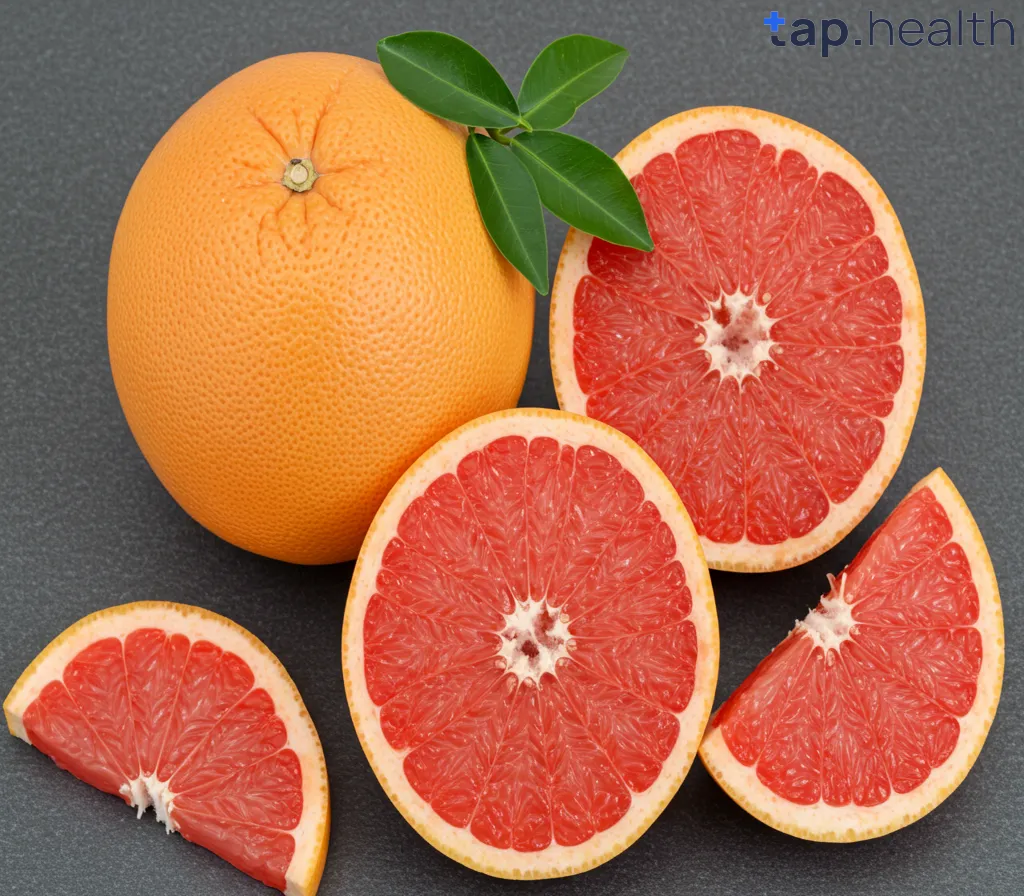
A grapefruit is a large, citrus fruit with a tangy, slightly bitter flavor. It comes in a variety of colors, including pink, red, and white, each having a slightly different taste. The red and pink varieties tend to be sweeter, while the white variety is known for being more tart.
Grapefruits are a rich source of vitamin C, fiber, and other essential nutrients, making them a popular choice for those looking to boost their immune system and improve digestion. They can be eaten on their own, added to fruit salads, juiced, or used in various culinary dishes.
How Many Calories are in a Grapefruit?
The calorie content of a grapefruit can vary depending on its size and variety. On average, a medium-sized grapefruit (about 4 inches in diameter) contains around 50-60 calories. Here’s a more detailed look at the calories in different types and sizes of grapefruit:
1. Calories in a Medium-Sized Grapefruit (4 inches in diameter):
- Calories: 52 calories
This is the most common serving size for a grapefruit. It contains about 52 calories, making it a relatively low-calorie snack option compared to other fruits.
2. Calories in a Small Grapefruit (3 inches in diameter):
- Calories: 35-40 calories
A smaller grapefruit will have fewer calories, typically around 35-40 calories. This is still a great choice if you’re watching your calorie intake and want a satisfying snack without consuming too many calories.
3. Calories in a Large Grapefruit (5 inches in diameter):
- Calories: 80-90 calories
A larger grapefruit will have more calories, ranging from 80-90 calories for a size that’s about 5 inches in diameter. This is still a reasonable calorie count, especially for those looking for a filling snack.
Nutritional Breakdown of Grapefruit
Now that we know the calorie content of grapefruit, let’s take a deeper look at its nutritional profile. This will help you understand the other important benefits it offers, such as vitamins, minerals, and fiber.
Nutritional Content (Per Medium Grapefruit – 1 serving):
- Calories: 52
- Total Fat: 0 grams
- Saturated Fat: 0 grams
- Cholesterol: 0 milligrams
- Sodium: 0 milligrams
- Total Carbohydrates: 13 grams
- Dietary Fiber: 2 grams
- Sugars: 9 grams
- Protein: 1 gram
- Vitamins and Minerals:
- Vitamin C: 80% of the Daily Value
- Vitamin A: 4% of the Daily Value
- Potassium: 5% of the Daily Value
- Calcium: 2% of the Daily Value
Key Nutritional Highlights:
- Calories: As mentioned, a medium grapefruit contains only about 52 calories, making it a low-calorie option for those looking for a refreshing, light snack.
- Fat: Grapefruit is fat-free, with 0 grams of fat per serving. This makes it a healthy choice for those trying to reduce their fat intake.
- Carbohydrates: A medium grapefruit contains about 13 grams of carbohydrates, including 2 grams of dietary fiber. The fiber content is important because it helps promote digestion and keeps you feeling full longer.
- Sugar: The natural sugars in grapefruit (about 9 grams) come from fructose, which is a healthier alternative to processed sugars. Grapefruit also has a low glycemic index, meaning it won’t cause a significant spike in blood sugar levels.
- Protein: Grapefruit contains a small amount of protein (1 gram per serving), which is typical for most fruits. While it’s not a high-protein food, it still contributes to overall nutritional intake.
- Vitamins and Minerals:
- Vitamin C: Grapefruit is an excellent source of vitamin C, providing about 80% of your daily value in just one medium-sized serving. Vitamin C is important for maintaining a strong immune system and promoting healthy skin.
- Potassium: It also provides potassium, an essential mineral for maintaining healthy blood pressure and heart function.
Health Benefits of Grapefruit
In addition to being low in calories, grapefruit offers numerous health benefits. Here’s why adding grapefruit to your diet can be a great choice:
1. Boosts Immune System
Grapefruit is rich in vitamin C, a nutrient that plays a crucial role in supporting your immune system. It helps protect your body against illness and supports wound healing. A medium-sized grapefruit provides 80% of your daily vitamin C requirement.
2. Supports Weight Loss
Grapefruit is a low-calorie, high-water fruit that can help with weight management. The fiber in grapefruit helps you feel fuller longer, reducing your overall calorie intake. Some studies suggest that grapefruit may even help reduce body fat and improve metabolism.
3. Improves Digestion
The fiber in grapefruit is beneficial for digestive health. It aids in digestion, helps prevent constipation, and promotes healthy bowel movements. The high water content also helps keep your digestive system running smoothly.
4. Heart Health
Grapefruit contains potassium, which supports heart health by helping maintain healthy blood pressure levels. Additionally, some studies have shown that grapefruit may help lower bad cholesterol (LDL) and reduce the risk of heart disease.
5. Rich in Antioxidants
Grapefruit contains a variety of antioxidants, including flavonoids like naringenin, which have anti-inflammatory and antioxidant properties. These antioxidants help protect your body from damage caused by free radicals and may reduce the risk of chronic diseases.
Different Types of Grapefruit and Their Calorie Content
While the calorie content of grapefruit is relatively consistent, the type of grapefruit you consume can influence its taste and nutritional content. Here’s a quick overview of the most common varieties:
1. Pink Grapefruit
- Calories: 50-60 per half grapefruit (depending on size)
- Pink grapefruit is sweeter than white grapefruit, with a slightly tangy flavor. It’s high in vitamin C and lycopene, an antioxidant that’s beneficial for heart health.
2. Red Grapefruit
- Calories: 50-60 per half grapefruit (depending on size)
- Similar to pink grapefruit, red grapefruit is sweeter and often contains more vitamin A. It’s rich in antioxidants like lycopene, which has been linked to improved heart health and reduced cancer risks.
3. White Grapefruit
- Calories: 50-60 per half grapefruit (depending on size)
- White grapefruit is the most bitter variety. While it’s still rich in vitamin C, it has a more tart taste compared to the pink and red varieties. It’s a great low-calorie snack option with a slightly different flavor profile.
How to Incorporate Grapefruit into Your Diet
Grapefruit is a versatile fruit that can be enjoyed in many ways. Here are some ideas for incorporating it into your diet:
1. Eat It Fresh
The simplest way to enjoy grapefruit is by eating it fresh. Cut it in half, scoop out the segments with a spoon, or slice it into wedges. You can add a little bit of honey or a sprinkle of salt to enhance its flavor if you prefer.
2. Add to Salads
Grapefruit can be a refreshing addition to salads. Try adding grapefruit segments to a mixed green salad, along with ingredients like avocado, spinach, almonds, and chicken for a balanced meal.
3. Make a Smoothie
Blend grapefruit with other fruits like banana, berries, and yogurt for a nutrient-packed smoothie. It’s a great way to enjoy the refreshing citrus flavor and boost your vitamin intake.
4. Juice It
If you prefer juice, try making fresh grapefruit juice at home. Avoid adding sugar to keep it healthy and low in calories. You can even mix grapefruit juice with other citrus juices like orange or lemon for a refreshing drink.
5. Grapefruit Sorbet or Popsicles
For a fun treat, make grapefruit sorbet or homemade popsicles. These are perfect for hot days and a healthy alternative to store-bought ice cream, which tends to be higher in calories and sugar.
Real-Life Scenario
If you’re on a weight-loss or diabetes-friendly diet, starting your morning with half a grapefruit can help you feel full while keeping your calorie intake low. For instance, pairing grapefruit with boiled eggs or oats provides a balanced breakfast under 250 calories.
Similarly, swapping sugary snacks for grapefruit slices can cut daily calorie consumption by 150–200 calories, contributing to gradual, sustainable weight loss.
Expert Contribution
According to registered dietitians, grapefruit is an excellent food for hydration and fat metabolism due to its high vitamin C and fiber content. Studies suggest that including grapefruit before meals may help reduce appetite and improve insulin sensitivity.
However, experts caution that grapefruit can interact with certain medications (like statins or blood pressure drugs). Always consult your healthcare provider if you take prescription medicines.
Recommendations Grounded in Proven Research and Facts
- Eat it fresh: Whole grapefruit provides more fiber and satiety than juice.
- Combine with protein: Pair it with eggs, yogurt, or nuts to maintain balanced blood sugar levels.
- Avoid added sugar: If you prefer grapefruit juice, choose unsweetened versions to keep calories low.
- Stay consistent: Regular consumption (3–4 times per week) supports weight management and skin health.
- Be mindful of medications: Check with a doctor before including grapefruit in your diet if you’re on medication.
FAQ: How Many Calories is a Grapefruit?
1. How many calories are in a grapefruit?
A medium-sized grapefruit (about 4 inches in diameter) contains around 52 calories. Smaller grapefruits have fewer calories, while larger ones contain slightly more.
2. Is grapefruit good for weight loss?
Yes! Grapefruit is low in calories, high in fiber, and contains water, making it a great option for weight loss. The fiber helps you feel fuller for longer, reducing the likelihood of overeating.
3. Can I eat grapefruit on a low-calorie diet?
Yes, grapefruit is an excellent choice for low-calorie diets. It provides essential nutrients like vitamin C, fiber, and potassium, while keeping your calorie intake low.
4. Does grapefruit have sugar?
Yes, grapefruit contains natural sugars (about 9 grams per medium grapefruit), but it’s still considered a low-sugar fruit compared to other fruits like bananas or grapes. It’s also high in fiber, which helps slow down sugar absorption.
5. Can I drink grapefruit juice while on a diet?
Yes, fresh grapefruit juice is a great way to enjoy the fruit, but make sure to avoid added sugars to keep the calorie count low. Homemade juice is always the healthiest option.
Conclusion
Grapefruit is a nutritious, low-calorie fruit that provides a wealth of health benefits, from boosting your immune system to promoting heart health and digestion. With only 52 calories in a medium-sized grapefruit, it’s an excellent choice for those looking to maintain a healthy weight or make more nutritious food choices.
By incorporating grapefruit into your diet in various ways—whether fresh, in smoothies, or as a topping for salads—you can enjoy its many benefits while keeping your calorie intake in check. This citrus fruit is a flavorful, vitamin-packed addition to any meal, and its versatility makes it easy to include in a wide range of dishes.