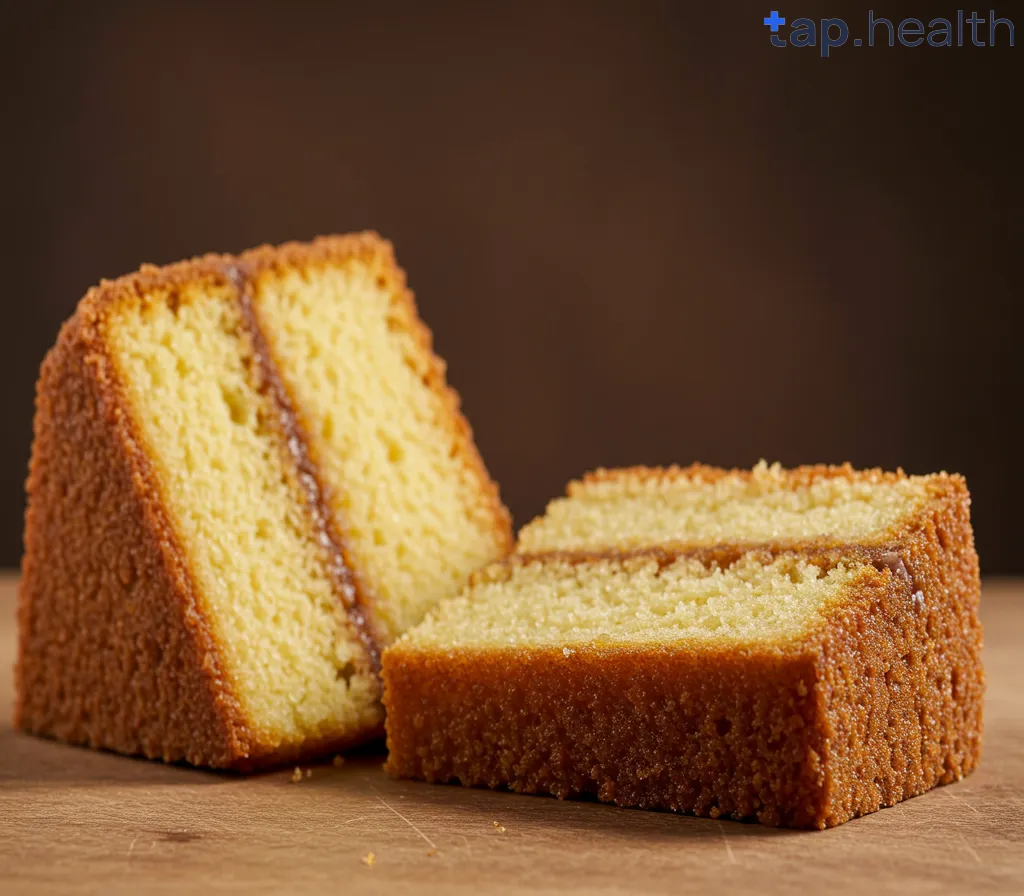
Cake is a beloved treat in many cultures, often served at celebrations, parties, or simply as a delicious dessert. But if you’re keeping track of your calorie intake, you might wonder: How many calories are in a piece of cake?
The calorie content of a piece of cake can vary widely depending on the type of cake, its ingredients, and its serving size. In this comprehensive guide, we will break down the average calories in different types of cakes, the factors that affect their calorie content, and tips for making healthier cake choices. Whether you love chocolate cake, cheesecake, or a classic vanilla slice, you’ll get all the information you need to enjoy your treat guilt-free.
What Affects the Calorie Content of Cake?
The number of calories in a piece of cake is influenced by several factors, including the type of cake, the ingredients used, and the serving size. Let’s explore the key factors that affect the calorie content of cake:
1. Type of Cake
Different types of cakes have different calorie counts. For example, a simple sponge cake will likely have fewer calories than a rich, creamy cheesecake or a chocolate cake with frosting. Cakes that are made with heavy ingredients like butter, cream, or chocolate tend to be higher in calories.
2. Ingredients
The ingredients in a cake have a significant impact on its calorie count. Butter, sugar, cream, and chocolate all contribute to higher calorie content, while lighter ingredients like applesauce or yogurt can reduce the calorie count. The type of flour used (e.g., white flour vs. whole wheat) can also make a difference.
3. Portion Size
The size of the cake slice plays a big role in its calorie content. A larger slice will contain more calories, while a smaller slice will have fewer calories. If you’re mindful of your calorie intake, portion control is key when enjoying cake.
How Many Calories Are in Different Types of Cake?
To give you a better idea of how many calories are in a piece of cake, let’s look at the average calorie count for different types of cake. Keep in mind that these are general estimates, and actual calorie counts can vary based on recipe variations and portion sizes.
1. Regular Cakes (Without Frosting)
- Sponge Cake (1 slice, 60g): 150-200 calories
- Pound Cake (1 slice, 60g): 200-250 calories
- Vanilla Cake (1 slice, 60g): 180-230 calories
Regular cakes without frosting or rich fillings are generally on the lower end of the calorie spectrum. The exact calorie count depends on the specific recipe and the ingredients used.
2. Cakes with Frosting or Filling
- Chocolate Cake with Frosting (1 slice, 80g): 250-400 calories
- Cheesecake (1 slice, 100g): 300-400 calories
- Carrot Cake with Cream Cheese Frosting (1 slice, 80g): 300-450 calories
Cakes with frosting or fillings are significantly higher in calories due to the added sugars, fats, and creams. Cheesecake, for instance, is made with cream cheese, which increases its fat and calorie content.
3. Specialty Cakes
- Angel Food Cake (1 slice, 60g): 70-100 calories
- Cupcakes (1 standard-sized cupcake): 200-400 calories, depending on frosting and filling
- Fruit Cake (1 slice, 60g): 200-300 calories
Angel Food Cake is one of the lightest cake options, with fewer calories, as it is typically made with egg whites and no fat. Cupcakes vary greatly in calories, especially when topped with buttercream frosting or filled with creamy centers.
4. Mini Cakes or Cake Bites
Mini cakes or bite-sized pieces are great options if you’re watching your calorie intake. A mini piece of cake may have:
- Mini chocolate cake: Around 150-200 calories
- Mini carrot cake: Around 120-180 calories
- Cake pop: Around 100-150 calories
These smaller portions can provide a satisfying treat without the high calorie count of a full-sized slice.
How to Make Cake Healthier
If you love cake but want to enjoy it without consuming too many calories, there are a few modifications you can make to your baking process. Here are some tips to reduce the calorie content of your cake while still maintaining a delicious flavor:
1. Use Lighter Ingredients
- Applesauce instead of butter: Replacing some of the butter with unsweetened applesauce can lower the fat content in your cake without sacrificing too much flavor.
- Greek yogurt instead of cream: Greek yogurt is a great substitute for heavy cream, providing protein and creaminess with fewer calories.
- Stevia or other sugar substitutes: If you’re trying to cut back on sugar, use natural sweeteners like stevia, monk fruit, or erythritol.
2. Reduce Sugar and Butter
- Cut the sugar by 1/3: Most cake recipes use more sugar than necessary. Try reducing the amount of sugar to make a lower-calorie version of your favorite cake.
- Use a lighter oil: Instead of using butter, opt for vegetable oil or coconut oil, which may have fewer calories and provide healthier fats.
3. Add Healthy Add-ins
- Fruit: Add fresh or dried fruits like berries, bananas, or apples to the batter. They provide natural sweetness and nutrients.
- Nuts or seeds: Adding small amounts of nuts like almonds or walnuts can boost the nutritional profile of your cake while providing healthy fats and protein.
4. Control Portion Sizes
If you want to enjoy cake without overindulging, it’s important to practice portion control. Consider serving smaller pieces of cake or using miniature cake pans to bake individual servings.
Read this : Decoding Food Date Labels: Your Diabetes-Friendly Guide
Cake for Special Occasions: How to Balance Enjoyment and Calories
Cakes are often a central part of celebrations like birthdays, weddings, and holidays. While it’s easy to overindulge, there are ways to enjoy your favorite cake without sabotaging your calorie goals.
1. Choose Lighter Cake Options
When possible, opt for cakes with fewer calories, like angel food cake or a fruit cake, which tend to be lower in fat and calories. If you’re at a party or gathering, try selecting a slice of cake with less frosting or a fruit-based filling.
2. Enjoy Small Portions
Instead of having a large slice, cut yourself a smaller portion. You can still enjoy the flavors and textures of cake without consuming as many calories. If you’re at a gathering, consider taking a half slice or even a small bite-sized piece of cake.
3. Balance Your Day’s Calories
If you know you’ll be indulging in a piece of cake later in the day, consider adjusting your other meals to ensure you stay within your calorie goals. Focus on eating lighter, nutrient-dense meals earlier in the day.
Real-Life Scenario
Imagine attending a birthday party. You’re trying to watch your calorie intake, but a big slice of chocolate cake with thick icing is tempting. That slice could be around 450 calories—almost the same as a full meal. By choosing a smaller portion or a cake with lighter toppings, you can still enjoy dessert without overloading on calories.
Expert Contribution
Nutritionists explain that cakes are high in sugar and fats, which can cause spikes in blood sugar and contribute to weight gain if eaten regularly. Dietitians often recommend enjoying cake occasionally and balancing it with healthier meals throughout the day.
For people with diabetes or those managing weight, opting for sugar-free cakes or smaller portions can make dessert more manageable.
Recommendations Grounded in Proven Research and Facts
- Watch the portion size: Cutting cake into smaller slices reduces calorie intake without skipping the treat.
- Choose lighter cakes: Sponge or angel food cake has fewer calories than cheesecake or chocolate fudge.
- Limit frosting: Most extra calories come from icing and cream. Scraping off some frosting can save 100–200 calories.
- Balance with activity: A brisk 30-minute walk can help burn around 150 calories, which offsets a smaller slice of cake.
- Occasional indulgence is fine: Research shows moderation is key—enjoying dessert occasionally won’t harm your health goals.
FAQs: How Many Calories Are in a Piece of Cake?
1. How many calories are in a slice of chocolate cake?
A slice of chocolate cake (with frosting) typically contains around 250-400 calories, depending on the portion size and ingredients used.
2. How many calories are in a piece of cheesecake?
One slice of cheesecake (about 100g) generally contains 300-400 calories, as it is made with high-fat ingredients like cream cheese and heavy cream.
3. How many calories are in a piece of carrot cake?
A slice of carrot cake (with cream cheese frosting) contains around 300-450 calories depending on the size and the frosting used.
4. How many calories are in a mini cupcake?
One mini cupcake (with frosting) typically contains 150-200 calories, but this can vary based on the type of frosting and cake used.
5. Can I make a low-calorie cake?
Yes! You can make a low-calorie cake by reducing sugar and fat, using lighter ingredients like applesauce or Greek yogurt, and focusing on portion control. Choose cakes that are naturally lower in calories, such as angel food cake or fruit-based cakes.
6. How can I make a cake healthier without losing flavor?
To make a healthier cake, try using whole wheat flour instead of white flour, cutting back on sugar, and using healthier fats like coconut oil or vegetable oil. Adding fresh fruits like berries or bananas can also enhance the flavor without adding excessive calories.
Conclusion
The number of calories in a piece of cake depends on the type of cake, the ingredients used, and the portion size. On average, a regular slice of cake (without frosting) contains around 150-250 calories, while cakes with frosting, like chocolate or carrot cake, can range from 250-450 calories or more per slice. To enjoy cake without going overboard on calories, consider making healthier versions by reducing sugar and fat, using lighter ingredients, and practicing portion control.
Remember, cake can be part of a balanced diet if enjoyed in moderation. Whether it’s for a special occasion or just a sweet treat, you can indulge in your favorite dessert while staying mindful of your calorie intake.