Pregnancy is a time when every food choice matters. You want to make sure you’re eating things that are good for you and your growing baby. One spice that often comes up in conversations about pregnancy is saffron —a bright red-orange spice known for its flavor, color, and potential health benefits.
But here’s the question many pregnant women ask: how many strands of saffron is safe during pregnancy ?
In this article, we’ll break down everything you need to know about using saffron while pregnant. We’ll cover what saffron is, its benefits, the right amount to use, and whether it’s safe or not. We’ll also answer all the questions you might have so you can feel confident making smart choices for your health and your baby’s well-being.
What Is Saffron?
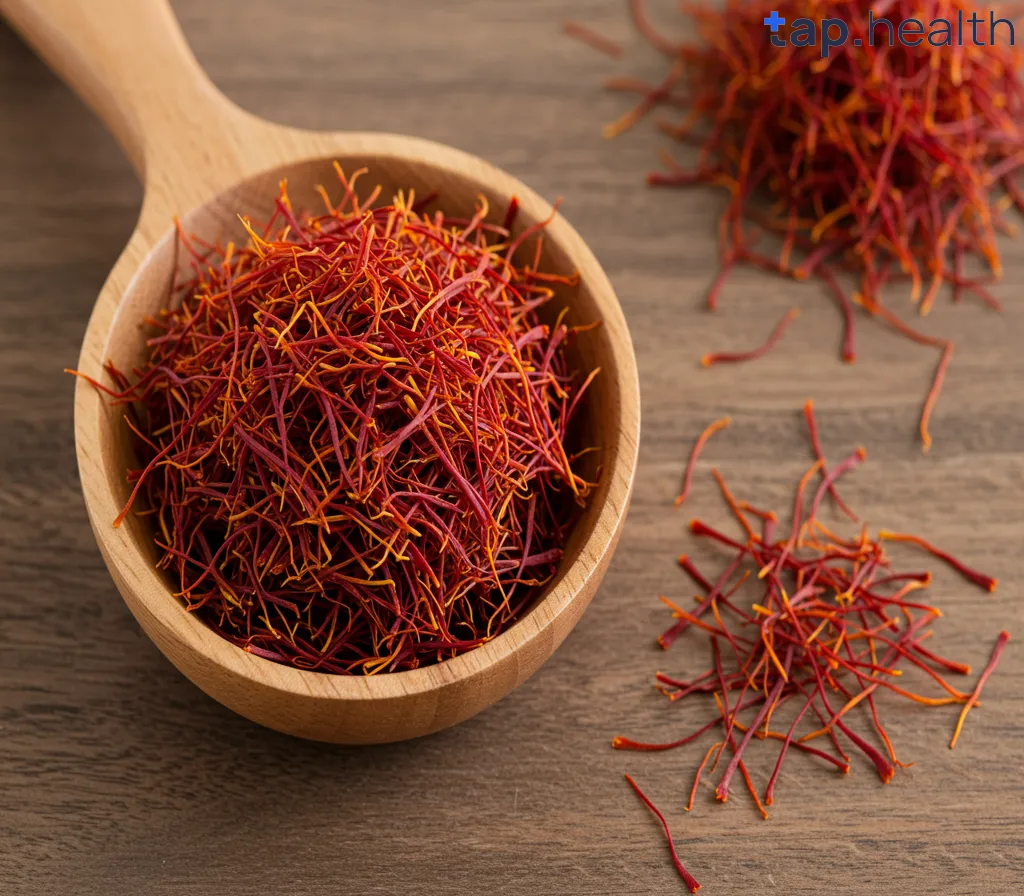
Saffron is a powerful spice made from the dried stigmas (the female part) of the Crocus sativus flower. It has a distinct golden color, earthy aroma, and slightly sweet, floral taste.
Because it takes thousands of flowers to make just one ounce of saffron, it’s considered one of the most expensive spices in the world. But despite its cost, it’s used in many cuisines and traditional remedies around the globe.
Why Do People Use Saffron During Pregnancy?
Saffron is popular in many cultures for its medicinal properties. Some people believe it helps with:
- Mood improvement
- Digestion
- Blood circulation
- Labor induction (controversial)
However, when it comes to pregnancy , the key question is: Is it safe to use saffron while pregnant , and if so, how much is too much?
Let’s find out.
Is Saffron Safe During Pregnancy?
The short answer is: Yes, in small amounts.
Saffron is generally safe when used as a spice in cooking . However, taking large doses or using concentrated forms like saffron supplements, essential oils, or high-dose teas is not recommended during pregnancy—especially in the early stages or near the due date.
Here’s why:
1. High Doses May Stimulate Uterine Contractions
Some studies suggest that high amounts of saffron may cause uterine contractions. While this could be useful for inducing labor, it can also be dangerous if taken too early in pregnancy. This is why many doctors recommend avoiding large amounts of saffron before the third trimester.
2. Possible Risk of Bleeding
Saffron has mild blood-thinning properties, which could increase the risk of bleeding, especially during labor or delivery.
3. Lack of Long-Term Safety Studies
There isn’t enough research on the long-term effects of regular saffron use during pregnancy. Because of this, it’s best to stick to small, occasional use unless your doctor says otherwise.
How Many Strands of Saffron Is Safe During Pregnancy?
Now let’s get to the main question: how many strands of saffron is safe during pregnancy ?
As a general rule, using 10–20 strands of saffron per day is considered safe for most pregnant women . That’s roughly the amount used in one cup of saffron-infused tea or rice dish.
Here’s a simple guide:
| Cooking (e.g., rice, soup) | 10–20 strands |
| Tea (1 cup) | 10–20 strands |
| Dessert (e.g., milk with saffron) | 5–10 strands |
Remember: These are guidelines. If you’re unsure, always consult your healthcare provider first.
Benefits of Using Saffron in Moderation During Pregnancy
When used in moderation, saffron can offer some health benefits for both mother and baby:
1. Antioxidant Powerhouse
Saffron is rich in antioxidants like crocin and crocetin, which help protect your cells from damage and reduce inflammation. This can support your immune system and overall health during pregnancy.
2. Mood Support
Some studies show that saffron may help improve mood and reduce symptoms of depression. This can be especially helpful during pregnancy, when hormonal changes can affect emotions.
3. Digestive Health
A little saffron added to warm milk or tea can soothe digestion and ease nausea—common issues during early pregnancy.
4. Skin and Hair Health
Many pregnant women notice their skin and hair getting drier or duller. Saffron contains compounds that may help improve skin tone and promote healthy hair growth.
Risks of Using Too Much Saffron During Pregnancy
Even though saffron is natural, using too much can lead to problems. Here are some risks to watch out for:
1. Uterine Contractions
As mentioned earlier, large amounts of saffron may stimulate contractions. If you’re in the first or second trimester, this could lead to premature labor.
2. Bleeding or Spotting
If you take more than the recommended dose, especially in the form of supplements or concentrated extracts, you may experience spotting or bleeding.
3. Allergic Reactions
Although rare, some people are allergic to saffron. Symptoms may include itching, swelling, or difficulty breathing.
4. Drug Interactions
If you’re taking medications for blood pressure, blood thinners, or other conditions, saffron may interact with them. Always check with your doctor before adding any new supplement or herb to your routine.
When Should You Avoid Saffron During Pregnancy?
You should avoid saffron or limit your intake in the following situations:
- You’re in the first trimester and haven’t discussed it with your doctor.
- You’re close to your due date and don’t want to induce labor prematurely.
- You’ve had a history of preterm labor or miscarriage.
- You’re on blood-thinning medications or have bleeding disorders.
- You’re using saffron supplements or concentrated forms instead of culinary-grade saffron.
How to Use Saffron Safely During Pregnancy
If you decide to use saffron during pregnancy, follow these tips to stay safe:
1. Use Culinary-Grade Saffron Only
Make sure you’re using food-grade saffron and not medicinal or concentrated forms. Culinary-grade is meant for cooking and is much safer.
2. Soak the Strands Before Using
To release the color and flavor, soak 10–20 strands in warm water or milk for about 10–15 minutes before adding them to your recipe.
3. Avoid High-Dose Teas or Supplements
Stick to using saffron in food rather than drinking strong saffron tea or taking capsules. The concentrated forms are more likely to cause side effects.
4. Watch for Side Effects
If you notice cramping, bleeding, or unusual symptoms after using saffron, stop immediately and contact your doctor.
Real-Life Scenario
Consider Meera, who was in her second trimester and started adding saffron to her milk daily after hearing it could make her baby fairer. Her doctor advised limiting it to 2 strands a day, explaining that saffron’s benefit lies not in complexion but in its soothing and digestive properties. Once she reduced the amount, she experienced better comfort and fewer episodes of heartburn.
Expert Contribution
According to nutritionists and gynecologists, saffron can be beneficial in small amounts. It may help with:
- Improving mood by balancing serotonin levels
- Reducing morning sickness and digestive discomfort
- Supporting better sleep due to its calming properties
However, medical experts warn that excess consumption could lead to uterine stimulation or allergic reactions. Thus, 2–4 strands per day is considered safe, and it’s best consumed after the first trimester.
Recommendations Grounded in Proven Research and Facts
- Limit to 2–4 strands daily: This is the safe range backed by health professionals.
- Soak before use: Let saffron soak in warm milk or water for 10–15 minutes to release its natural compounds.
- Avoid during early pregnancy: Start saffron intake only after the first trimester, with doctor approval.
- Buy authentic saffron: Choose pure, high-quality strands to avoid chemical adulteration.
- Consult your doctor: Always get personalized advice, especially if you have allergies or pregnancy complications.
Frequently Asked Questions About How Many Strands of Saffron Is Safe During Pregnancy?
Here are some common questions that expectant mothers often ask about using saffron during pregnancy:
Can I Eat Saffron Every Day While Pregnant?
Yes, you can eat saffron every day as long as you stick to small amounts —around 10–20 strands per day. Eating it daily in food is generally safe, but avoid using concentrated forms or large doses.
Is Saffron Good for Morning Sickness?
Some women find that a small amount of saffron in warm milk or tea helps ease morning sickness. However, results vary, and it’s best to try it in moderation.
Can Saffron Help Induce Labor?
There are some claims that saffron can help induce labor, but there’s no solid scientific evidence to support this. In fact, using too much saffron to induce labor can be risky. Always talk to your doctor before trying anything to induce labor.
Can Saffron Cause Miscarriage?
While there’s no direct evidence that saffron causes miscarriage, using large amounts—especially in the first trimester—may increase the risk of complications. Stick to small, safe doses.
Is Saffron Safe in the Third Trimester?
Saffron can be used in small amounts during the third trimester, but you should still be cautious. If you’re planning to use it for labor induction, consult your doctor first.
Can Saffron Affect My Baby?
Using saffron in food in moderation is unlikely to harm your baby. However, taking large doses or using concentrated forms could potentially affect the baby, especially in the early stages of pregnancy.
What If I Accidentally Take Too Much Saffron?
If you accidentally take more than the recommended amount, monitor yourself for symptoms like cramps, bleeding, or nausea. If you experience any concerning symptoms, seek medical attention right away.
Can I Use Saffron in My Postpartum Diet?
Yes, saffron is safe to use in small amounts after giving birth. In fact, some cultures use it in postpartum meals to support recovery and energy levels.
Is Saffron Safe While Breastfeeding?
Saffron in small amounts is generally considered safe while breastfeeding. However, since there’s limited research on its effects in nursing mothers, it’s best to consult your doctor before using it regularly.
Can Saffron Improve My Mood During Pregnancy?
Saffron contains compounds that may help improve mood and reduce symptoms of anxiety or depression. While it’s not a substitute for professional mental health care, it can be a helpful addition to a balanced lifestyle.
Final Thoughts
Saffron can be a wonderful addition to your pregnancy diet if used in moderation . Its rich flavor and potential health benefits make it a favorite in many traditional dishes and remedies.
However, because of its possible effects on the uterus and blood, it’s important to use it carefully and only in small amounts—like 10–20 strands per day. Avoid using concentrated forms or large doses, especially in the first or third trimesters.
As with any food or supplement during pregnancy, it’s always a good idea to talk to your healthcare provider before adding something new to your routine. They can give you personalized advice based on your health and pregnancy journey.