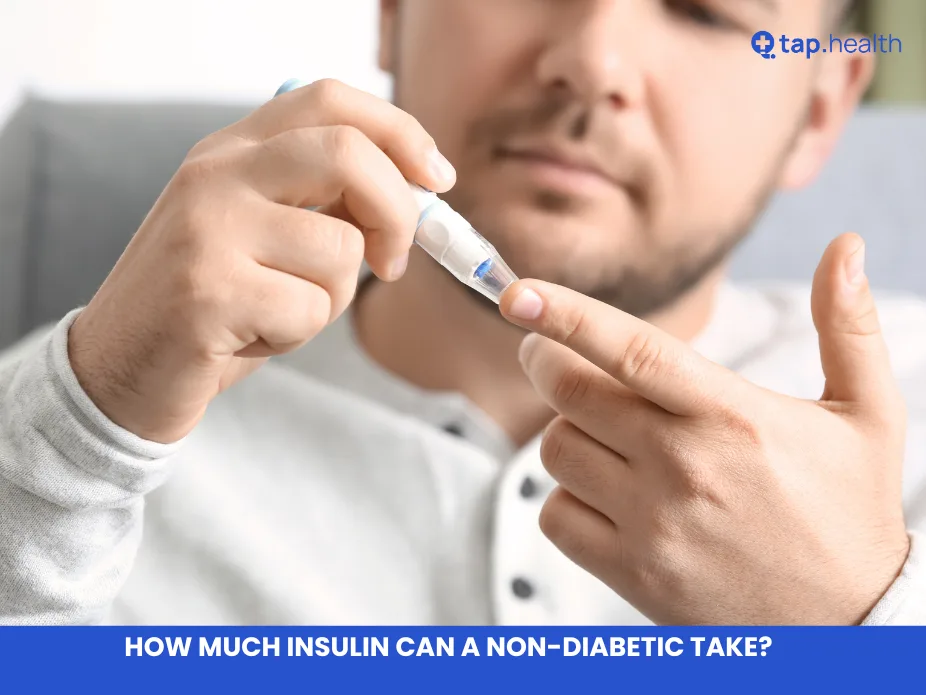
Insulin is a crucial hormone in the body that helps regulate blood sugar levels, and it’s often associated with managing diabetes. Many people with diabetes rely on insulin injections to help control their blood sugar levels. However, some individuals may wonder, “How much insulin can a non-diabetic take?” This is a highly important question because insulin is a powerful hormone, and using it improperly can cause serious health issues.
In this article, we will explore the potential risks of insulin use for non-diabetics, the effects it can have on the body, and whether it’s safe for someone without diabetes to take insulin. We will also provide guidelines for safe insulin use and address common questions surrounding this topic.
What is Insulin and How Does it Work?
Insulin is a hormone produced by the pancreas. It plays a key role in regulating blood sugar (glucose) levels in the body. When we eat food, particularly carbohydrates, the body breaks down these foods into glucose, which enters the bloodstream. Insulin helps the body absorb this glucose and store it for energy.
Key Functions of Insulin
- Regulates Blood Sugar: Insulin allows cells in the body to take in glucose from the bloodstream, reducing blood sugar levels.
- Storage of Energy: Insulin helps store excess glucose in the liver, muscle, and fat cells for later use.
- Fat Storage: Insulin promotes the storage of fat and prevents the breakdown of fat cells.
- Protein Synthesis: Insulin helps with the growth and repair of tissues by supporting protein synthesis.
For people with diabetes, the body either doesn’t produce enough insulin or becomes resistant to it, causing blood sugar levels to rise. Insulin therapy is used to help manage and control blood sugar in such individuals.
Can a Non-Diabetic Take Insulin?
The short answer is no—it is not safe for a non-diabetic individual to take insulin without medical supervision. While insulin is vital for individuals with diabetes, using it without a need can cause harmful effects on the body. Let’s break down why taking insulin as a non-diabetic is dangerous and the potential risks involved.
Why Taking Insulin is Dangerous for Non-Diabetics
- Hypoglycemia (Low Blood Sugar): The primary risk of insulin use in non-diabetics is hypoglycemia, or low blood sugar. Since non-diabetic individuals typically have normal blood sugar levels, taking insulin can lower blood sugar to dangerous levels, causing symptoms like dizziness, confusion, sweating, shakiness, and, in severe cases, loss of consciousness or seizures.
- Insulin Resistance: Regularly taking insulin when it’s not needed can cause the body to become resistant to the hormone. Insulin resistance occurs when the cells no longer respond properly to insulin, which can increase the risk of developing type 2 diabetes in the future.
- Weight Gain: Insulin promotes the storage of fat. Taking insulin when not needed can lead to unwanted weight gain, as the body will store more glucose as fat in adipose tissue.
- Heart and Kidney Strain: Insulin use, especially without a medical reason, can strain the heart and kidneys over time. High doses of insulin can lead to fluid retention and increase the risk of cardiovascular issues.
How Much Insulin Should a Non-Diabetic Take?
There is no safe amount of insulin that a non-diabetic can take without risking serious harm to their health. Insulin is a prescribed medication for people with diabetes, and its dosage is carefully determined based on an individual’s blood sugar levels, weight, and overall health. The body of a non-diabetic does not require insulin in the same way, and introducing it without proper medical supervision can cause dangerous side effects.
If you are wondering about insulin because you are concerned about weight loss or muscle gain, it’s important to understand that using insulin for these purposes is both ineffective and harmful. Some individuals mistakenly believe that insulin can help them gain muscle or burn fat, but this is not a safe or effective method for improving physical fitness.
What Are the Risks of Using Insulin Without a Medical Need?
Taking insulin when it’s not needed can lead to several health complications. Below are some of the major risks associated with insulin use in non-diabetic individuals:
1. Hypoglycemia (Low Blood Sugar)
As mentioned earlier, insulin lowers blood sugar by allowing glucose to enter cells. For non-diabetics, who already have normal blood sugar levels, insulin can lower blood sugar too much, leading to hypoglycemia. This condition can cause:
- Shakiness
- Sweating
- Weakness
- Confusion
- Loss of consciousness
Severe hypoglycemia can be life-threatening and requires immediate treatment with sugar or glucose.
2. Risk of Insulin Overdose
An overdose of insulin can lead to dangerously low blood sugar levels. It’s important to understand that the body’s natural mechanisms for regulating insulin are absent in a non-diabetic who takes insulin. Therefore, dosing without professional guidance can lead to significant complications.
3. Weight Gain
Excessive insulin in the body can lead to increased fat storage, which may cause weight gain. Insulin promotes the storage of glucose as fat, and over time, this can lead to unwanted weight gain and a higher risk of obesity.
4. Hormonal Imbalance
Insulin is a hormone that impacts several processes in the body, including the regulation of other hormones. Taking insulin without medical supervision can disrupt the body’s natural hormonal balance, leading to further health problems.
5. Increased Risk of Long-Term Health Issues
Chronic misuse of insulin can lead to insulin resistance, which is a precursor to type 2 diabetes. By introducing insulin into the body when it’s not needed, the body’s cells can become less responsive to it, increasing the likelihood of developing diabetes in the future.
Can Insulin Help With Weight Loss for Non-Diabetics?
There is a misconception that insulin can aid in weight loss by promoting fat burning or muscle growth. However, this is not true, and using insulin for weight loss is both ineffective and dangerous.
How Insulin Affects Weight
- Promotes Fat Storage: Insulin is known as the “storage hormone” because it facilitates the storage of excess glucose as fat. When insulin levels are high, fat storage increases, which can lead to weight gain, not weight loss.
- Does Not Aid Fat Burning: Insulin does not promote fat burning. In fact, insulin’s role is to store excess glucose as fat, making it harder to lose weight when insulin levels are high.
- Insulin and Muscle Growth: While insulin can play a role in muscle protein synthesis, taking it without a need does not directly lead to muscle gain. Non-diabetic individuals who use insulin in an attempt to build muscle may actually disrupt their metabolism, leading to undesirable effects.
Safe Methods for Weight Loss and Muscle Gain
For non-diabetics looking to lose weight or build muscle, safe and effective methods include:
- Proper Diet: Focus on a balanced diet rich in whole foods, lean proteins, and healthy fats.
- Exercise: Incorporating regular physical activity, including strength training, can help build muscle and promote fat loss.
- Sleep: Ensure proper rest, as lack of sleep can disrupt metabolism and hinder weight loss.
How is Insulin Prescribed for Diabetic Patients?
Insulin is prescribed for diabetic patients based on specific needs and blood sugar levels. A doctor will assess a diabetic person’s insulin requirements, which vary based on several factors such as:
- Type of Diabetes: Type 1 diabetes requires insulin as the body does not produce any insulin. Type 2 diabetes may involve insulin therapy if other medications do not effectively manage blood sugar levels.
- Lifestyle Factors: Diet, exercise, and stress levels all affect how much insulin a person may need.
- Age and Weight: Younger, leaner individuals may require less insulin than older or heavier individuals.
Doctors typically prescribe insulin in one of the following forms:
- Long-acting insulin: Works throughout the day and night.
- Short-acting insulin: Used before meals to control blood sugar spikes.
Real-Life Scenario
Imagine a person trying to use insulin to “lose weight” or “boost energy.” Even a small dose can rapidly drop blood sugar levels, causing symptoms like shakiness, sweating, dizziness, confusion, seizures, or loss of consciousness. Medical emergencies may follow if insulin is misused, and immediate treatment with glucose is required.
Expert Contribution
Endocrinologists and medical professionals strongly advise never using insulin unless prescribed. Insulin therapy is meant only for individuals with diabetes or specific medical conditions under close supervision. Misusing insulin for weight loss, bodybuilding, or experimentation is considered highly unsafe and life-threatening.
Recommendations Grounded in Proven Research and Facts
- Do not self-administer insulin: Only prescribed for specific medical conditions.
- Seek medical advice: If you are concerned about blood sugar or weight, consult a doctor for safe alternatives.
- Understand the risks: Hypoglycemia from insulin overdose can occur within minutes, leading to seizures or death if untreated.
- Educate on alternatives: Lifestyle changes like diet and exercise are safe ways to manage weight or blood sugar in non-diabetics.
- Emergency preparedness: People using insulin must have access to glucose or glucagon in case of hypoglycemia.
Frequently Asked Questions (FAQs) on How Much Insulin Can a Non-Diabetic Take?
1. What Happens If a Non-Diabetic Takes Insulin?
Taking insulin without diabetes can lead to dangerous low blood sugar levels (hypoglycemia), weight gain, and other complications such as insulin resistance. It is not safe to use insulin without medical supervision.
2. Can Insulin Help with Weight Loss?
No, insulin does not help with weight loss. In fact, it promotes fat storage and can lead to weight gain, especially if used improperly.
3. How Much Insulin Can a Non-Diabetic Safely Take?
There is no safe amount of insulin for non-diabetics. Using insulin without medical supervision can cause serious harm, including hypoglycemia, insulin resistance, and other health problems.
4. Can Insulin Be Used for Bodybuilding?
Some individuals believe that insulin can enhance muscle growth, but using insulin for bodybuilding is not recommended. It can lead to insulin resistance, weight gain, and disrupt natural hormonal balance.
5. Can Insulin Cause Diabetes?
Chronic misuse of insulin can lead to insulin resistance, which is a key factor in the development of type 2 diabetes. It is important to use insulin only when prescribed by a healthcare professional.
Conclusion
In conclusion, insulin should only be used by individuals who have a medical need for it, such as those with diabetes. For non-diabetic individuals, taking insulin is not only unnecessary but also dangerous. It can lead to severe health issues such as hypoglycemia, insulin resistance, and weight gain. If you’re considering insulin for weight loss or muscle gain, it’s crucial to understand that insulin is not a solution to these concerns. Instead, focus on a balanced diet, regular exercise, and healthy lifestyle habits to achieve your goals safely and effectively. Always consult with a healthcare professional before making any decisions about insulin use.