Emotional eating is a common challenge for many people, often triggered by stress, boredom, sadness, or even happiness. It involves using food as a way to cope with emotions rather than nourishing your body with healthy meals. Emotional eating can derail your progress toward health goals and affect your overall well-being. However, the good news is that emotional eating can be managed and even overcome by adopting healthy habits.
In this guide, we’ll explore practical ways to control emotional eating, break unhealthy cycles, and build healthier habits that promote long-term wellness. By the end of this article, you’ll have the tools to manage emotional eating and make mindful, balanced choices.
What is Emotional Eating?
1. Understanding Emotional Eating
Emotional eating refers to the practice of eating in response to emotions, rather than physical hunger. People may turn to food to deal with feelings such as stress, loneliness, sadness, or anxiety. While it’s normal to occasionally eat comfort food, emotional eating becomes a problem when it happens frequently or leads to unhealthy food choices.
2. Common Triggers of Emotional Eating
Emotional eating can be triggered by various emotions, including:
- Stress: A stressful day at work or home may lead you to seek comfort in food.
- Boredom: Eating when you’re not hungry can be a way to pass the time.
- Sadness or Depression: Food may be used as a temporary distraction from negative feelings.
- Loneliness: Emotional eating can provide a temporary sense of comfort when you’re feeling isolated.
- Happiness or Celebration: Sometimes, emotional eating can be a way to celebrate good times, like indulging in cake or snacks during a party.
Why Emotional Eating Happens
1. The Link Between Emotions and Eating
Emotions can trigger certain brain chemicals that prompt you to reach for food. When you eat something you enjoy, your brain releases “feel-good” chemicals like dopamine, which temporarily boosts your mood. Over time, your brain can start to associate eating with emotional relief, leading to a cycle of emotional eating.
2. Comfort Foods and Their Appeal
Comfort foods are often high in sugar, fat, or salt. These foods can provide temporary relief from emotions because they trigger a release of endorphins, the body’s natural “feel-good” hormones. Unfortunately, this quick mood boost is short-lived, and it can lead to feelings of guilt, regret, or even more stress.
3. Lack of Coping Mechanisms
Many people don’t have effective coping strategies for handling emotions like stress or sadness, and food becomes an easy go-to for managing those feelings. Without healthy outlets for emotions, emotional eating becomes a habitual response.
How to Control Emotional Eating with Healthy Habits
1. Identify Emotional Triggers
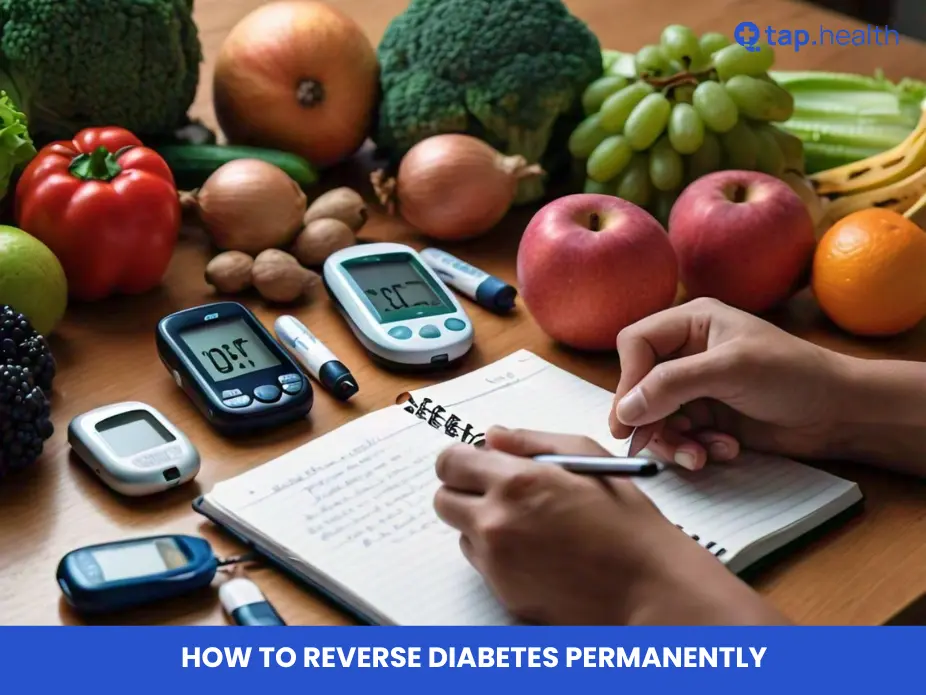
The first step in controlling emotional eating is recognizing what triggers your emotional eating episodes. Keep a journal or log to track your eating patterns, and note the emotions you’re feeling before eating. By identifying your triggers, you can develop healthier ways to cope with them.
Tips for Tracking Triggers:
- Note the emotion: Are you stressed, lonely, or bored?
- Identify the situation: Is it happening after a tough day at work, during family conflict, or when you’re feeling down?
- Reflect on your cravings: Are you craving certain comfort foods, like sweets or salty snacks?
2. Practice Mindful Eating
Mindful eating is the practice of being fully present and aware when eating. It helps you focus on the taste, texture, and sensations of food, which can reduce emotional eating. By eating mindfully, you can recognize when you’re full, preventing overeating, and also acknowledge whether you’re eating because you’re truly hungry or just trying to soothe an emotion.
How to Eat Mindfully:
- Eat slowly: Take the time to chew your food and enjoy the flavors.
- Listen to your body: Pay attention to hunger and fullness cues.
- Avoid distractions: Try not to eat while watching TV or scrolling on your phone. Focus on your food.
3. Find Healthier Ways to Cope with Emotions
Instead of turning to food when you’re feeling emotional, find healthier ways to manage your feelings. Exercise, journaling, talking to a friend, practicing deep breathing, or engaging in a hobby are all great alternatives to emotional eating.
Healthy Coping Strategies:
- Physical activity: Exercise releases endorphins, which help improve mood.
- Talking to someone: Sharing your feelings with a friend or family member can help you process emotions without using food as a crutch.
- Relaxation techniques: Try yoga, deep breathing exercises, or meditation to reduce stress and anxiety.
- Hobbies and interests: Engaging in a creative activity or something you enjoy can provide a distraction from emotional triggers.
4. Plan Your Meals and Snacks
Having a well-structured eating schedule can help reduce the chances of emotional eating. By planning meals and snacks in advance, you can ensure that you’re eating healthy, satisfying foods that nourish your body and keep hunger at bay.
Tips for Meal Planning:
- Eat balanced meals: Include protein, healthy fats, and fiber in your meals to keep you full longer.
- Healthy snacks: Keep healthy snacks like fruit, nuts, or vegetables handy to prevent reaching for comfort foods.
- Regular meals: Don’t skip meals, as this can lead to overeating or emotional eating later.
5. Control Portion Sizes and Avoid Trigger Foods
Portion control can be helpful in managing emotional eating. If you’re prone to emotional eating, try to avoid buying large quantities of trigger foods that may be hard to resist. Instead, keep smaller portions or healthier alternatives on hand.
Strategies for Portion Control:
- Use smaller plates: This can help trick your brain into feeling satisfied with less food.
- Pre-portion snacks: Measure out servings of snacks rather than eating directly from a large bag or container.
- Healthier alternatives: Swap out comfort foods for healthier options, like fresh fruit instead of candy, or roasted vegetables instead of chips.
6. Get Enough Sleep
Lack of sleep can lead to emotional instability, making it more difficult to resist the urge to emotionally eat. When you’re tired, your body craves quick sources of energy (like sugary or fatty foods), and your judgment may be impaired. Aim for 7-9 hours of sleep per night to support your overall well-being and make healthier food choices.
Tips to Stay on Track and Prevent Emotional Eating
1. Stay Hydrated
Sometimes, dehydration can mimic feelings of hunger, leading to emotional eating. Drinking enough water throughout the day can help you differentiate between true hunger and thirst.
Tips for Staying Hydrated:
- Carry a water bottle: Keep water with you throughout the day to remind yourself to drink.
- Add flavor: If plain water feels boring, try adding lemon, cucumber, or mint for a refreshing twist.
- Drink water before meals: This can help you feel full and prevent overeating.
2. Create a Supportive Environment
Creating a positive, supportive environment at home and at work can help reduce stress and emotional triggers. Surround yourself with supportive people and create a space that promotes calm and relaxation.
How to Create a Supportive Environment:
- Remove unhealthy foods: Keep your kitchen stocked with healthy options to make it easier to make the right choices.
- Surround yourself with positive influences: Connect with friends or family members who encourage healthy habits and emotional well-being.
3. Practice Self-Compassion
Breaking the cycle of emotional eating takes time, and it’s important to be kind to yourself during the process. Instead of beating yourself up after an emotional eating episode, practice self-compassion and recognize that this is a journey. Be patient and focus on progress, not perfection.
How to Practice Self-Compassion:
- Forgive yourself: Everyone has moments where they slip up. Learn from the experience and move forward.
- Focus on progress: Celebrate small victories, like choosing a healthy snack instead of comfort food.
- Treat yourself with kindness: Remember that emotional eating doesn’t define you. You are working towards healthier habits.
Frequently Asked Questions (FAQs) on How to Control Emotional Eating with Healthy Habits?
1. What Are the Common Causes of Emotional Eating?
Emotional eating is often triggered by stress, boredom, sadness, loneliness, or even happiness. It’s important to identify the specific emotions that trigger your eating habits so you can develop healthier coping mechanisms.
2. How Can I Stop Emotional Eating in the Moment?
When you feel the urge to emotionally eat, try to pause and take a few deep breaths. Ask yourself if you’re truly hungry or if you’re eating to cope with emotions. Engage in a healthy distraction, like a short walk, calling a friend, or practicing deep breathing exercises.
3. Can Therapy Help with Emotional Eating?
Yes, therapy can help address the underlying emotional triggers of eating. Cognitive Behavioral Therapy (CBT) and other therapeutic approaches can help you develop healthier ways to cope with emotions and break the cycle of emotional eating.
4. How Can I Avoid Emotional Eating During Stressful Times?
During stressful times, focus on creating a self-care routine that includes exercise, relaxation techniques, and mindfulness practices. Having a strategy to deal with stress can reduce the urge to turn to food for comfort.
5. Is It Possible to Completely Stop Emotional Eating?
While it may be challenging to completely eliminate emotional eating, it’s possible to reduce it significantly by developing healthier coping strategies and building a balanced, mindful relationship with food.
In conclusion, controlling emotional eating is about building healthy habits that support both your physical and emotional well-being. By understanding your triggers, practicing mindful eating, and replacing emotional eating with healthier coping mechanisms, you can break the cycle and foster a more positive relationship with food. Start small, be patient with yourself, and know that progress is possible.