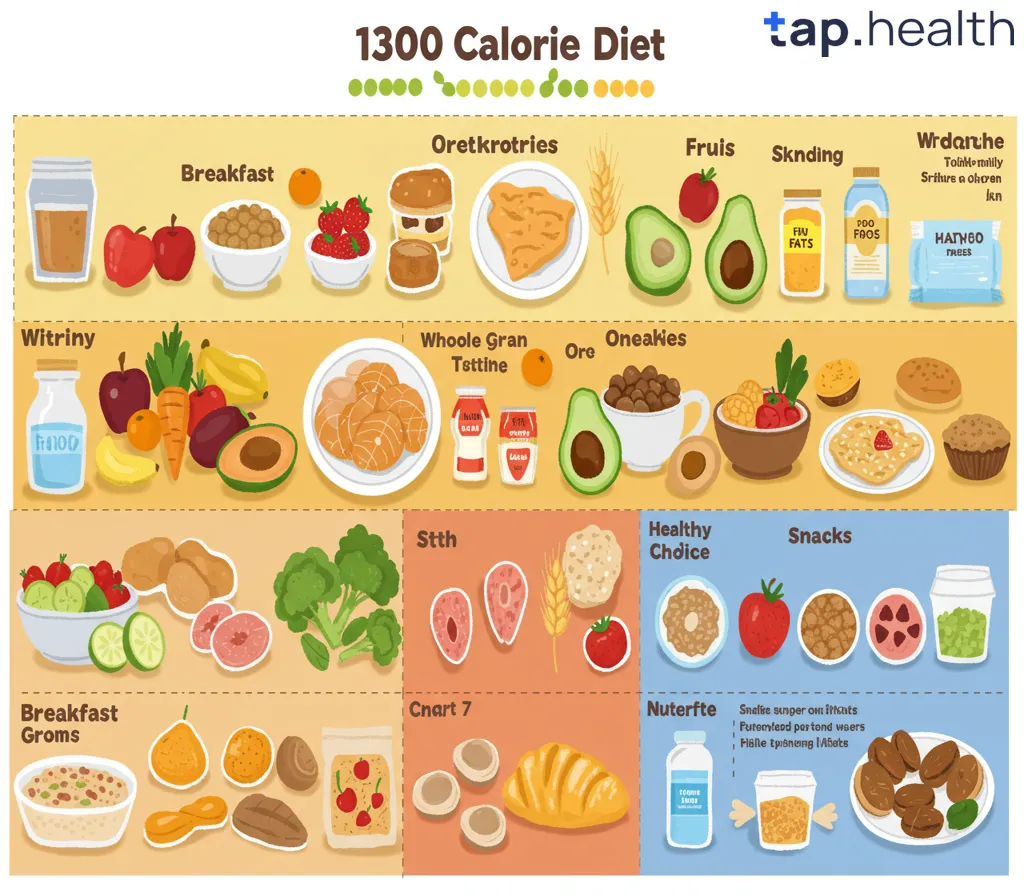
Eating 1300 calories a day is a common goal for those who are looking to lose weight or maintain a calorie-controlled diet. However, consuming such a limited number of calories doesn’t mean you should sacrifice nutrition or feel hungry all the time. The key is to make each calorie count by choosing nutrient-dense foods that keep you satisfied and provide essential nutrients.
In this guide, we’ll explore how to eat 1300 calories a day effectively, providing you with meal ideas, tips, and practical advice to help you stay on track. Whether you’re looking to shed a few pounds or just eat healthier, we’ve got you covered.
Why 1300 Calories a Day?
Is 1300 Calories Enough?
For many people, 1300 calories a day is a good starting point for weight loss, but it’s essential to know if this number is appropriate for your individual needs. The number of calories a person needs depends on several factors, including:
- Age
- Gender
- Activity level
- Metabolism
- Health goals (weight loss, maintenance, muscle gain)
For most women, 1300 calories can support a healthy weight loss plan, while for men, this number might be too low unless under specific circumstances (such as a lower activity level). It’s always a good idea to consult with a healthcare professional or dietitian to ensure you’re consuming enough nutrients while maintaining a calorie deficit.
How to Eat 1300 Calories a Day Without Feeling Hungry
Eating fewer calories doesn’t have to mean feeling hungry or deprived. By focusing on high-nutrient, low-calorie foods, you can stay full and satisfied throughout the day. Here are some tips on how to eat 1300 calories without constantly feeling hungry.
1. Prioritize Protein
Protein is the most satiating macronutrient, meaning it helps you feel fuller for longer. It also plays a crucial role in muscle repair, making it an essential part of any diet, especially if you’re aiming to lose weight while maintaining muscle mass.
How Much Protein Should You Eat?
Aim for 20–30% of your total daily calories to come from protein. For a 1300-calorie diet, this would be around 65–97 grams of protein per day. Great protein sources include:
- Chicken breast
- Fish (salmon, tuna)
- Eggs
- Greek yogurt
- Tofu or tempeh
- Legumes (beans, lentils)
2. Fill Up on Vegetables
Non-starchy vegetables are packed with fiber, vitamins, and minerals, and they are very low in calories. This means you can eat large portions without overloading your calorie count. Vegetables help keep you full and satisfied while providing essential nutrients.
Examples of High-Fiber Vegetables:
- Leafy greens (spinach, kale, arugula)
- Cucumbers
- Bell peppers
- Zucchini
- Broccoli
- Cauliflower
3. Choose Healthy Fats
Healthy fats are essential for maintaining hormonal balance and supporting brain health. While fats are more calorie-dense, small amounts can help keep you satisfied. Aim for 15–25% of your daily calories from healthy fats.
Healthy Fat Sources:
- Avocados
- Olive oil
- Nuts and seeds (almonds, chia seeds, flaxseeds)
- Fatty fish (salmon, mackerel)
4. Avoid Liquid Calories
Caloric beverages like sugary drinks, alcohol, and high-calorie coffees can quickly add up and make it difficult to stay within your calorie limit. Instead, drink water, herbal teas, or black coffee to hydrate and avoid consuming unnecessary calories.
5. Snack Smart
Instead of reaching for processed snacks, choose healthy options that fit into your calorie goal. High-protein or high-fiber snacks can curb your hunger without adding too many calories.
Healthy Snack Ideas:
- A small handful of almonds or walnuts
- Greek yogurt with a sprinkle of chia seeds
- Carrot sticks with hummus
- Hard-boiled eggs
Sample Meal Plan for 1300 Calories
Creating a balanced and satisfying meal plan can help ensure you stay on track with your calorie goals. Here’s a sample meal plan that provides approximately 1300 calories:
Breakfast: Scrambled Eggs with Spinach (Approx. 300 Calories)
- 2 large eggs (140 calories)
- 1 cup spinach (7 calories)
- 1 teaspoon olive oil (40 calories)
- 1 slice whole-grain toast (80 calories)
- Black coffee or herbal tea (0 calories)
Morning Snack: Greek Yogurt and Berries (Approx. 200 Calories)
- 1/2 cup plain Greek yogurt (80 calories)
- 1/2 cup mixed berries (blueberries, raspberries) (35 calories)
- 1 tablespoon chia seeds (55 calories)
- 1 teaspoon honey (40 calories)
Lunch: Grilled Chicken Salad (Approx. 350 Calories)
- 3 oz grilled chicken breast (140 calories)
- 2 cups mixed greens (spinach, arugula, lettuce) (20 calories)
- 1 tablespoon olive oil (for dressing) (120 calories)
- 1 tablespoon balsamic vinegar (15 calories)
- 1/4 avocado (60 calories)
- Cucumber, cherry tomatoes (40 calories)
Afternoon Snack: Hummus and Veggies (Approx. 150 Calories)
- 2 tablespoons hummus (60 calories)
- Carrot sticks, celery, cucumber (90 calories)
Dinner: Baked Salmon with Broccoli (Approx. 400 Calories)
- 4 oz baked salmon (230 calories)
- 1 cup steamed broccoli (55 calories)
- 1 teaspoon olive oil (40 calories)
- 1/2 cup quinoa (120 calories)
How to Ensure You’re Getting Enough Nutrients on 1300 Calories
While eating fewer calories, it’s important to make sure you’re still getting all the essential vitamins and minerals your body needs to function well. Here are some tips for ensuring proper nutrition on a 1300-calorie diet:
1. Take a Multivitamin
If you’re cutting calories, you may not be getting as much variety in your diet as you should. A multivitamin can help fill in any nutritional gaps. However, it’s important to focus on food first and use supplements to support your diet.
2. Focus on Micronutrients
Choose nutrient-dense foods that are rich in vitamins and minerals. For example, dark leafy greens provide a good amount of iron, calcium, and vitamin K, while citrus fruits are an excellent source of vitamin C.
3. Avoid Empty Calories
Foods that are high in sugar and refined carbs might give you a quick burst of energy, but they lack essential nutrients and can leave you feeling hungry sooner. Focus on whole foods like vegetables, lean proteins, and whole grains for sustained energy.
Real-Life Scenario
Imagine you want to lose weight and your goal is 1,300 calories daily. Instead of skipping meals, you plan your day with balanced, low-calorie meals. You enjoy oatmeal in the morning, a small fruit mid-morning, a hearty salad for lunch, a light snack in the afternoon, and a filling dinner. By sticking to portion sizes, you maintain energy while staying within your calorie goal.
Expert Contribution
Nutritionists emphasize that a 1,300-calorie diet can be safe for short-term weight loss if it includes enough protein, vitamins, and minerals. They warn against cutting calories too drastically, which can lead to fatigue, nutrient deficiencies, and slowed metabolism. Experts recommend pairing a low-calorie diet with regular exercise and hydration for sustainable results.
Recommendations Grounded in Proven Research and Facts
- Focus on nutrient-dense foods: Vegetables, lean proteins, whole grains, and fruits provide more nutrients per calorie.
- Plan meals ahead: Prepping meals reduces the risk of overeating or choosing high-calorie convenience foods.
- Use portion control: Measuring food or using smaller plates helps maintain the calorie limit.
- Include protein in every meal: Protein keeps you full and helps preserve muscle during weight loss.
- Stay hydrated: Drinking water before meals can reduce appetite and prevent mistaking thirst for hunger.
Frequently Asked Questions (FAQs) on How to Eat 1300 Calories a Day
How Can I Lose Weight on 1300 Calories Without Feeling Hungry?
To avoid hunger while eating 1300 calories a day, focus on high-protein and high-fiber foods. These nutrients help keep you full longer. You should also prioritize healthy fats and eat smaller, more frequent meals to keep your metabolism active and prevent extreme hunger.
Is 1300 Calories Enough for Weight Loss?
For most women, 1300 calories is sufficient for weight loss, especially if you are not highly active. However, for men or those with higher energy needs, 1300 calories may be too low. It’s important to adjust your calorie intake based on your personal needs, activity level, and health goals.
Can I Exercise While Eating 1300 Calories a Day?
Yes, you can exercise while eating 1300 calories, but you may need to adjust your food intake depending on the intensity of your workouts. If you’re doing high-intensity exercise or weightlifting, make sure you’re eating enough protein and recovering properly.
How Do I Make Sure I’m Getting Enough Protein on a 1300-Calorie Diet?
To get enough protein on a 1300-calorie diet, include a good source of protein at every meal, such as lean meats, fish, eggs, dairy, or plant-based proteins like tofu and legumes. Aim for 20–30% of your total calories from protein to preserve muscle mass during weight loss.
How Should I Track My Calories on a 1300-Calorie Diet?
Using a calorie-tracking app like MyFitnessPal or Lose It! can help you stay on track with your daily calorie goals. These apps let you log your meals, track your nutrient intake, and ensure you’re hitting your protein, carb, and fat targets.
In conclusion, eating 1300 calories a day is an effective way to lose weight or maintain a calorie-controlled diet, but it requires careful planning to ensure you’re getting all the nutrients your body needs. By focusing on nutrient-dense foods, prioritizing protein, and managing your portions, you can stay full and satisfied while meeting your calorie goals. Remember to listen to your body and adjust your diet as necessary to stay healthy and energized.