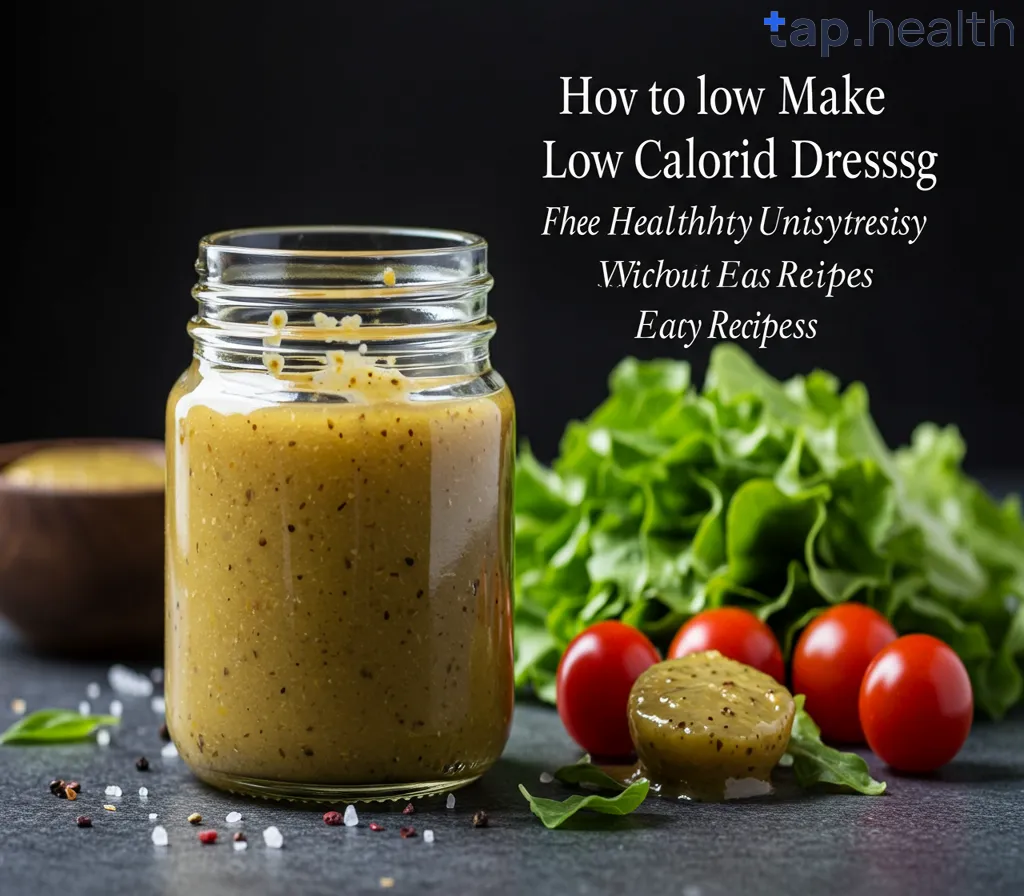
Salads are a great way to eat healthy, but sometimes the salad dressing you use can pack in more calories than the vegetables themselves. The good news is that you can easily make low-calorie salad dressings that are both delicious and nutritious. Whether you’re trying to lose weight, maintain a healthy lifestyle, or just want to cut back on extra calories, these easy recipes and tips will help you create the perfect salad dressing without the guilt.
In this guide, we’ll show you how to make low-calorie salad dressings, what ingredients to use, and how to balance flavor with health. Let’s dive into these healthy dressing options that will keep your salads tasty and light!
Why Choose Low-Calorie Salad Dressing?
1. Cut Down on Calories
The most obvious reason to switch to low-calorie salad dressings is to reduce your overall calorie intake. Many store-bought dressings, especially creamy ones like ranch, Caesar, or blue cheese, are loaded with calories from oils, sugar, and dairy. By making your own, you can control the ingredients and cut out unnecessary calories.
2. Better for Your Health
Most low-calorie dressings use wholesome ingredients like vinegar, olive oil, or yogurt, which offer healthy fats and additional nutrients. By reducing processed ingredients and sugars, homemade dressings can be a healthier option compared to commercial ones filled with preservatives and artificial flavors.
3. Flavors Without the Guilt
A great low-calorie salad dressing should still pack a punch in terms of flavor. With the right ingredients, you can create dressings that are rich, tangy, and full of taste while keeping the calories low. Healthy dressings can make eating vegetables more enjoyable without compromising on taste.
Basic Ingredients for Low-Calorie Salad Dressings
To make your own healthy salad dressing, you’ll need a few essential ingredients. Here’s a breakdown of what you’ll want to use:
1. Vinegar (For Tanginess)
Vinegar is a great base for a low-calorie dressing. It provides a tangy flavor that pairs well with various ingredients. Common types of vinegar used for salad dressings include:
- Apple cider vinegar: Great for tang and health benefits.
- Balsamic vinegar: Adds a slightly sweet and rich flavor.
- Red or white wine vinegar: Perfect for light, fresh-tasting dressings.
2. Healthy Fats (For Creaminess and Flavor)
While you want to keep the calories low, healthy fats are essential for flavor and satiety. Here are some healthy fats that can be used in moderation:
- Olive oil: Provides a good dose of monounsaturated fats.
- Avocado: Offers a creamy texture with a healthy fat profile.
- Greek yogurt: Adds creaminess and a boost of protein, making it perfect for lighter dressings.
3. Mustard and Spices (For Flavor)
Mustard, garlic, and herbs can amp up the flavor without adding too many calories. Mustard can be used as a base for a tangy, spicy dressing, and fresh or dried herbs like oregano, basil, and thyme add complexity to the flavor.
4. Sweeteners (To Balance Tanginess)
Sometimes, you might want a little sweetness to balance out the acidity of the vinegar. Instead of sugar, use healthier alternatives:
- Stevia: A no-calorie sweetener.
- Honey: A small amount can add natural sweetness.
- Maple syrup: Opt for pure maple syrup for a richer, more natural sweetness.
How to Make Low-Calorie Salad Dressing: Easy Recipes
Now that you have your ingredients, let’s look at some simple recipes to make low-calorie salad dressing. These dressings are quick to prepare and can be stored in the refrigerator for up to a week.
1. Lemon Dijon Dressing (Approx. 20 Calories per Serving)
This bright and tangy dressing is light and refreshing, with just the right amount of zest.
Ingredients:
- 2 tablespoons lemon juice
- 1 tablespoon Dijon mustard
- 1 teaspoon honey (optional)
- 1 tablespoon olive oil
- Salt and pepper to taste
- 1 tablespoon water (to thin out if needed)
Instructions:
- In a small bowl, whisk together the lemon juice, Dijon mustard, and honey.
- Slowly add olive oil while continuing to whisk until the dressing emulsifies (blends together).
- Add water to reach your desired consistency.
- Season with salt and pepper to taste. Enjoy!
2. Greek Yogurt Ranch Dressing (Approx. 40 Calories per Serving)
This creamy dressing uses Greek yogurt for a protein boost and a creamy texture.
Ingredients:
- 1/2 cup plain Greek yogurt
- 1 tablespoon olive oil
- 1 tablespoon lemon juice
- 1 teaspoon garlic powder
- 1 teaspoon onion powder
- 1 tablespoon chopped fresh dill (or 1 teaspoon dried dill)
- Salt and pepper to taste
- Water to thin (optional)
Instructions:
- In a small bowl, mix together the Greek yogurt, olive oil, and lemon juice.
- Add garlic powder, onion powder, and dill, then stir to combine.
- Add salt and pepper to taste.
- If you want a thinner consistency, add a little water.
- Serve over salads or as a dip.
3. Balsamic Vinaigrette (Approx. 50 Calories per Serving)
This classic dressing is tangy and rich, perfect for almost any salad combination.
Ingredients:
- 2 tablespoons balsamic vinegar
- 1 tablespoon Dijon mustard
- 2 tablespoons olive oil
- 1 teaspoon honey (optional)
- Salt and pepper to taste
Instructions:
- In a small bowl, combine the balsamic vinegar, Dijon mustard, and honey.
- Slowly whisk in the olive oil until the dressing emulsifies.
- Add salt and pepper to taste. Adjust sweetness with more honey if desired.
- Serve over fresh greens, roasted veggies, or grain salads.
4. Avocado Cilantro Lime Dressing (Approx. 70 Calories per Serving)
This creamy, zesty dressing is perfect for topping salads or as a dip for veggies.
Ingredients:
- 1 ripe avocado
- 2 tablespoons lime juice
- 1/4 cup water
- 1/4 cup fresh cilantro
- 1 tablespoon olive oil
- 1 teaspoon honey (optional)
- Salt and pepper to taste
Instructions:
- In a blender, combine the avocado, lime juice, water, cilantro, and olive oil.
- Blend until smooth and creamy. If the dressing is too thick, add more water.
- Taste and add honey, salt, and pepper to balance the flavor.
- Serve over salads, tacos, or grilled vegetables.
Tips for Making Low-Calorie Salad Dressing
To make your salad dressing even healthier and keep it low-calorie, here are a few tips:
1. Use Less Oil
While olive oil is a healthy fat, it’s also calorie-dense. Try using just a small amount or replacing some of the oil with water or lemon juice to keep the calories low while still getting the creamy texture.
2. Experiment with Herbs and Spices
Herbs and spices are a great way to add flavor without adding calories. Fresh herbs like basil, parsley, or cilantro can make a huge difference in your dressing without affecting the calorie count. Similarly, try adding a pinch of cayenne pepper, paprika, or garlic powder for extra flavor.
3. Make It Creamy with Yogurt or Avocado
Instead of using heavy cream or mayonnaise, try Greek yogurt or avocado to give your dressing a creamy texture. These ingredients are healthier and add a good dose of protein or healthy fats.
4. Add a Sweet Touch with Natural Sweeteners
Instead of refined sugars, use natural sweeteners like stevia, honey, or maple syrup in moderation. These options provide sweetness without the empty calories of refined sugar.
Frequently Asked Questions (FAQs) on ow to Make a Low Calorie Salad Dressing
How Can I Make Low-Calorie Salad Dressings That Taste Good?
The key to making tasty low-calorie dressings is balancing the right amount of acidity (like vinegar or lemon juice), sweetness (from honey or natural sweeteners), and fat (like olive oil or avocado). Experiment with herbs and spices to bring depth to the flavor without adding extra calories.
What Are Some Good Substitutes for Oil in Salad Dressings?
To lower the calorie count, you can substitute oil with other ingredients like:
- Greek yogurt for a creamy texture
- Avocado for healthy fats and creaminess
- Water or vegetable broth to thin out dressings
- Vinegar for tanginess and depth
How Do I Store Homemade Salad Dressing?
Store homemade low-calorie salad dressing in an airtight container in the refrigerator. Most dressings will last for about 5-7 days. Make sure to shake or stir the dressing before using it, as it may separate over time.
Can I Make Salad Dressing Ahead of Time?
Yes! In fact, making salad dressing ahead of time allows the flavors to meld together, giving it a richer taste. Prepare a batch at the beginning of the week and store it in a jar or bottle in the fridge for easy access throughout the week.
Are Low-Calorie Salad Dressings Healthier Than Store-Bought Options?
Yes, homemade low-calorie dressings are usually healthier than store-bought options because they don’t contain added preservatives, artificial colors, or excess sugar. By using fresh, natural ingredients, you can ensure your dressing is packed with nutrients while staying low in calories.
In conclusion, making your own low-calorie salad dressing is easy, quick, and rewarding. By focusing on nutrient-dense ingredients like olive oil, Greek yogurt, and fresh herbs, you can create flavorful dressings that complement your healthy eating habits. These dressings not only help you control your calorie intake but also add depth and excitement to your salads. Enjoy experimenting with these recipes and making them your own!