tap.health logo
  • Diabetes Management
  • Health Assistant
  • About Us
  • Blog
  • Contact Us
Get Plan
  • Diabetes Management
  • Health Assistant
  • About Us
  • Blog
  • Contact Us
  • All Blogs
  • Product
  • How to Preserve Bone Structure and Function in Tuberculosis

How to Preserve Bone Structure and Function in Tuberculosis

Product
March 8, 2024
• 4 min read
Yasaswini Vajupeyajula
Written by
Yasaswini Vajupeyajula
ChatGPT Perplexity WhatsApp LinkedIn X Grok Google AI
how-to-preserve-bone-structure-and-function-in-tuberculosis

Bone tuberculosis (TB), also known as skeletal or osteoarticular tuberculosis, is a rare but serious condition caused by Mycobacterium tuberculosis. Affecting bones and joints, this chronic infection can lead to severe complications like joint destruction, deformities, and even paralysis if not treated promptly. In this comprehensive guide, we’ll explore what bone tuberculosis is, its symptoms, causes, diagnostic methods, and treatment options to help you understand and manage this condition effectively.

What is Bone Tuberculosis?

Bone tuberculosis occurs when Mycobacterium tuberculosis infects the bones or joints, most commonly affecting weight-bearing areas like the spine, hips, or knees. Representing 1-3% of all TB cases, it spreads through the bloodstream or from nearby infected tissues, causing inflammation and progressive damage. Early recognition is critical to prevent long-term complications.


Causes and Risk Factors of Bone Tuberculosis

Bone tuberculosis is caused by Mycobacterium tuberculosis, a bacterium transmitted through respiratory droplets from coughing, sneezing, or speaking. While inhaling the bacteria doesn’t always lead to active disease, certain factors increase the risk of developing bone TB:

  • Weakened Immune System: Conditions like HIV/AIDS or immunosuppressive medications heighten susceptibility.
  • Malnutrition: Poor nutrition impairs the body’s ability to fight infections.
  • Overcrowded or Unsanitary Conditions: These environments facilitate TB transmission.
  • Close Contact with Infected Individuals: Healthcare workers or those living with TB patients are at higher risk.
  • Previous TB Infection: A history of TB increases the likelihood of skeletal involvement.

Early identification of these risk factors and prompt treatment of active TB cases are essential to prevent community spread.

Recognizing Bone Tuberculosis Symptoms

Timely recognition of bone tuberculosis symptoms is crucial for early diagnosis and effective management. Symptoms vary depending on the disease’s stage and the affected bones or joints.

Early Symptoms of Bone TB

In its initial stages, bone tuberculosis may present with:

  • Persistent pain in the affected bone or joint
  • Swelling and tenderness
  • Stiffness and restricted movement
  • Gradual symptom onset

These early signs can be subtle and mimic other musculoskeletal conditions, making diagnosis challenging without proper testing.

Advanced Symptoms of Bone TB

As the disease progresses, symptoms become more severe, including:

  • Worsening pain, particularly at night
  • Increased swelling and visible deformities
  • Weight loss and fatigue
  • Fever and night sweats
  • Difficulty performing daily activities

Advanced cases may lead to bone destruction, joint deformities, or spinal cord compression, necessitating immediate medical attention.

Impact of Bone Tuberculosis on the Body

Bone tuberculosis has profound effects on both the skeletal system and overall health, particularly when untreated.

Effects on the Skeletal System

The infection can cause:

  • Joint Destruction: Leading to stiffness, swelling, and loss of function.
  • Spinal Deformities: Resulting in curvature or neurological deficits.
  • Bone Collapse and Fractures: Causing chronic pain and impaired mobility.
  • Abscesses and Sinus Tracts: Spreading infection to nearby tissues.

These complications significantly reduce quality of life and may lead to permanent disability.

General Health Implications

Beyond the skeletal system, bone TB can:

  • Cause chronic inflammation, affecting other organs.
  • Lead to weight loss due to increased metabolic demands.
  • Result in anemia from inflammation and poor nutrient absorption.
  • Weaken immune function, increasing susceptibility to secondary infections.

Diagnosing Bone Tuberculosis

Accurate diagnosis of bone tuberculosis requires a comprehensive approach, combining medical history, physical exams, and diagnostic tests.

Medical History and Physical Examination

Healthcare providers assess:

  • Symptoms like pain, swelling, or limited mobility.
  • Risk factors such as TB exposure or immune-compromising conditions.
  • Physical signs of inflammation or tenderness in affected areas.

A detailed medical history helps identify potential TB sources, while a focused physical exam provides clinical clues.

Laboratory Tests and Imaging

Diagnostic tools include:

  • Blood Tests: Tuberculin skin tests or interferon-gamma release assays detect TB infection.
  • Cultures and Molecular Tests: Analyze fluid or tissue samples to confirm Mycobacterium tuberculosis.
  • Imaging Studies:
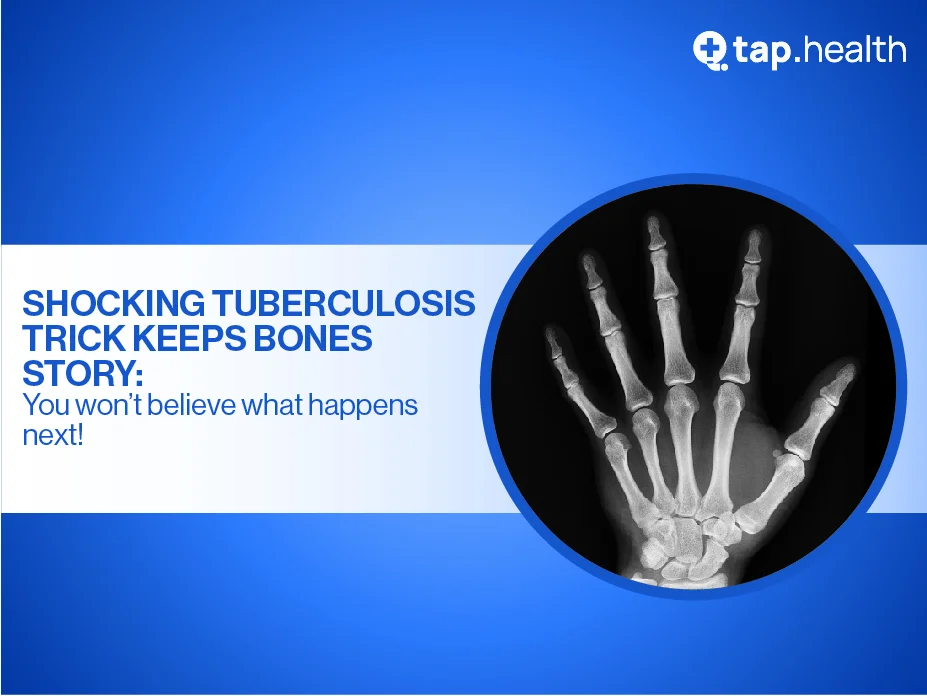
    • X-rays: Show bone destruction or periosteal reactions.
    • CT Scans/MRIs: Provide detailed views of bone and joint damage.

These tests confirm the diagnosis and assess the extent of skeletal involvement.

Treatment Options for Bone Tuberculosis

Effective treatment of bone tuberculosis involves a combination of medications and, in some cases, surgical interventions.

Medication and Antibiotics

The cornerstone of bone TB treatment is a prolonged course (typically 6-9 months) of antituberculosis medications, including:

  • Isoniazid
  • Rifampicin
  • Pyrazinamide
  • Ethambutol

Key Considerations:

  • Strict adherence to the regimen is critical for success.
  • Side effects like gastrointestinal issues or liver toxicity require monitoring.
  • Regular follow-ups ensure treatment effectiveness and manage adverse effects.

Surgical Interventions

Surgery may be needed to:

  • Drain abscesses or remove necrotic tissue.
  • Stabilize bones or joints with severe deformities or fractures.
  • Use bone grafts or hardware to promote healing.

Performed by orthopedic surgeons, these procedures aim to restore function and prevent further damage. Post-surgical rehabilitation is essential for recovery.

Preventing Bone Tuberculosis

While bone tuberculosis is rare, preventive measures can reduce its risk:

  • Early TB Detection: Screen and treat pulmonary TB to prevent spread to bones.
  • Strengthen Immunity: Maintain a balanced diet and manage underlying conditions like HIV.
  • Avoid Exposure: Limit contact with active TB cases in high-risk settings.
  • Vaccination: The BCG vaccine may offer partial protection in high-risk areas.

Living with Bone Tuberculosis

Managing bone tuberculosis requires a multidisciplinary approach, including medical treatment, physical therapy, and lifestyle adjustments. Patients should:

  • Follow medication schedules diligently.
  • Engage in rehabilitation to restore mobility and strength.
  • Seek support from healthcare providers for emotional and physical challenges.

With early diagnosis and proper treatment, many individuals recover fully and regain their quality of life.


Conclusion

Bone tuberculosis is a serious condition that demands early recognition and comprehensive treatment to prevent long-term complications. By understanding its causes, recognizing symptoms, and seeking timely medical care, individuals can effectively manage this chronic infection. A combination of antituberculosis medications, surgical interventions when necessary, and preventive strategies can help preserve bone structure and function, improving overall health outcomes.

If you or someone you know experiences persistent bone or joint pain, swelling, or other symptoms, consult a healthcare provider promptly for evaluation and treatment.

Tags
A1C test diabetes heart health diabetic retinopathy fruit and blood sugar type 1 diabetes how to lower HbA1c diabetic breakfast ideas post-meal blood sugar Indian diabetes plate foods for diabetes shopping diabetes and alcohol low blood sugar at night diabetes excessive thirst insulin site rotation why diabetes is considered as a lifestyle disease blood pressure diabetes eye test rice and diabetes type 1 diabetes symptoms fasting sugar normal range PCOS and diabetes blood sugar after food diabetes portion control diabetes kidney tests alcohol blood sugar diabetes diabetes sweating at night diabetes dry mouth insulin lumps Medicine lifestyle diabetes cholesterol diabetes kidney care can diabetics eat rice insulin diabetes high fasting blood sugar PCOS insulin resistance postprandial glucose low glycaemic index foods for diabetes urine albumin diabetes can diabetics drink alcohol diabetes headache frequent urination diabetes diabetes weight gain Health type 2 diabetes lifestyle disease living with diabetes diabetic kidney disease diabetes diet India prediabetes diet reverse prediabetes naturally PCOS diabetes risk dawn phenomenon diabetes low GI foods India eGFR diabetes diabetes and dizziness high blood sugar headache diabetes fatigue diabetes and weight gain Lifestyle exercise and diabetes diabetes habits kidney tests diabetes morning blood sugar prediabetes food prediabetes reversal gestational diabetes diet Indian morning sugar high diabetes low GI diet diabetes and dental problems dizziness diabetes low blood sugar headache diabetes tiredness insulin weight gain Home remedies blood sugar control diabetes management high blood sugar symptoms fasting sugar high lower diabetes risk how to prevent type 2 diabetes pregnancy diabetes diet high fasting sugar in morning diabetes and fatty liver diabetes gum disease low sugar dizziness blood sugar monitoring at home high blood sugar tiredness diabetes swollen feet Fitness physical activity insulin resistance hyperglycemia symptoms dawn phenomenon diabetes and weight loss insulin resistance diet gestational diabetes meal plan diabetes and cholesterol fatty liver diabetes dry mouth diabetes diabetes leg pain when to check blood sugar diabetes constipation swollen feet diabetes Prevention diabetes foot care insulin sensitivity diabetes warning signs diabetes myths weight loss diabetes Indian foods for insulin resistance diabetic foot ulcer diabetes lipid profile insulin resistance fatty liver diabetes urine infection diabetic leg cramps blood glucose monitoring diabetes and constipation diabetes foot swelling Hygiene diabetic foot type 2 diabetes risk normal blood sugar levels diabetes facts insulin resistance weight loss improve insulin sensitivity diabetes foot wound cholesterol in diabetes diabetes skin problems frequent UTI diabetes diabetes nerve pain legs metformin for diabetes constipation diabetes Ailments foot health diabetes and sleep fasting blood sugar diabetes misconceptions diabetes medicine safety diabetic neuropathy symptoms diabetic foot ulcer warning signs can diabetics eat mango diabetes itching urinary infection diabetes diabetes slow wound healing metformin side effects diabetes numbness in hands Hindi gestational diabetes poor sleep blood sugar HbA1c diabetes symptoms in women diabetes medicines diabetes nerve damage diabetes and blood pressure mango and diabetes dark patches diabetes diabetes stomach problems diabetes wounds metformin safety diabetes tingling hands skin diseases pregnancy diabetes sleep and diabetes diabetes in India women diabetes signs diabetes treatment advice tingling feet diabetes high blood pressure diabetes mango sugar diabetes walking after meals for diabetes diabetic gastroparesis diabetic wound care diabetes ketoacidosis warning signs diabetic neuropathy hands acne vulgaris symptoms blood sugar pregnancy diabetes and stress diabetes risk factors India diabetes risk women Indian diabetic diet chart diabetes eye disease diabetes heart kidney risk diabetes reversal vs remission post meal walk diabetes diabetes bloating nausea diabetes yeast infection DKA symptoms fasting with diabetes AI Search low blood sugar stress blood sugar diabetes prevention India diabetes symptoms in men diabetic meal plan diabetic eye test borderline HbA1c diabetes remission walking lowers blood sugar diabetes sick day rules diabetes fungal infection ketones diabetes diabetes fasting safety blood sugar hypoglycemia cortisol diabetes best fruits for diabetes men diabetes signs HbA1c test high protein breakfast for diabetes HbA1c 5.7 to 6.4 reverse type 2 diabetes diabetes grocery list India diabetes during illness diabetes vaginal itching diabetes blurry vision can diabetics fast fasting glucose diabetes safety diabetes eye care diabetes fruits diabetes risk men HbA1c normal range diabetes breakfast India prediabetes HbA1c diabetes plate method diabetic food list India blood sugar fever infection diabetes night sweats high blood sugar blurry vision insulin injection sites
More blogs
Nishat Anjum
Nishat Anjum
• May 26, 2026
• 19 min read

Fasting With Diabetes: Safety Rules, Blood Sugar Checks, Medicines, and Warning Signs

A practical guide to fasting with diabetes, including who should avoid fasting, glucose checks, medicine safety, hydration, meals, and warning signs.

Diabetes
how-to-preserve-bone-structure-and-function-in-tuberculosis
Naimish Mishra
Naimish Mishra
• May 26, 2026
• 18 min read

Diabetes and Constipation: Causes, Nerve Link, Food, Fluids, and When to See a Doctor

Understand why constipation may happen with diabetes, including nerve changes, medicines, low fibre, dehydration, food habits, and warning signs.

Diabetes
how-to-preserve-bone-structure-and-function-in-tuberculosis
Varshitha Sotala
Varshitha Sotala
• May 26, 2026
• 19 min read

Diabetes and Weight Gain: Insulin Resistance, Medicines, Hunger, and Healthy Weight Control

Understand why weight gain can happen with diabetes, including insulin resistance, medicines, hunger, low sugar, sleep, stress, and healthy weight-control steps.

Diabetes
how-to-preserve-bone-structure-and-function-in-tuberculosis
Do you remember your last sugar reading?
Log and Track your glucose on the Tap Health App
All logs in one place
Smart trend graphs
Medicine Reminder
100% Ad Free
Download Now

Missed your diabetes meds

again? Not anymore.

Get medicine reminders on your phone.

✓ Glucose diary and Insights
✓ Smart Nudges
✓ All logs at one place
✓ 100% Ad free
Download Free
tap health
tap.health logo
copyright © 2025
2nd Floor,Plot No 4, Minarch Tower,
Sector 44,Gurugram, 122003,
Haryana, India
  • About Us
  • Blog
  • Doctor login
  • Contact Us
  • Privacy Policy
  • Return / Shipping Policy
  • Terms and Conditions
Get Your Free AI Diabetes Coach