tap.health logo
  • Diabetes Management
  • Health Assistant
  • About Us
  • Blog
  • Contact Us
Get Plan
  • Diabetes Management
  • Health Assistant
  • About Us
  • Blog
  • Contact Us
  • All Blogs
  • Weight loss
  • How to Reduce Sugar Intake Without Feeling Deprived: Simple Tips

How to Reduce Sugar Intake Without Feeling Deprived: Simple Tips

Weight loss
July 14, 2025
• 6 min read
Nishat Anjum
Written by
Nishat Anjum
Nishat Anjum
Reviewed by:
Nishat Anjum
ChatGPT Perplexity WhatsApp LinkedIn X Grok Google AI
How to Reduce Sugar Intake Without Feeling Deprived: Simple Tips

Reducing sugar intake has become a popular goal for many people who are focused on improving their health, managing weight, or preventing chronic diseases like diabetes. While it’s clear that cutting back on sugar is beneficial, the idea of giving up sweets, sugary snacks, and other sugary foods can be overwhelming. The good news is that it’s entirely possible to reduce your sugar intake without feeling deprived or missing out on the foods you love.

In this guide, we’ll explore practical tips on how to reduce sugar in your diet, explain the benefits of cutting back on sugar, and provide simple alternatives that allow you to enjoy sweet flavors without going overboard.


Why Is Reducing Sugar Important?

1. The Health Risks of Excessive Sugar Consumption

Excessive sugar intake, especially added sugars found in processed foods, can contribute to several health issues. These include weight gain, an increased risk of heart disease, type 2 diabetes, and high blood pressure. Eating too much sugar can also lead to energy crashes, mood swings, and poor dental health.

2. The Benefits of Reducing Sugar Intake

Cutting back on sugar has immediate and long-term benefits for your health. By reducing sugar, you may notice:

  • Improved energy levels: Without the rollercoaster ride of blood sugar spikes and crashes.
  • Better weight management: Lower sugar intake can help reduce empty calories and control appetite.
  • Improved mood and mental clarity: Avoiding sugar-induced mood swings and brain fog.
  • Reduced risk of chronic diseases: A lower risk of developing type 2 diabetes, heart disease, and obesity.

How to Reduce Sugar Intake Without Feeling Deprived

Reducing sugar intake doesn’t have to mean saying goodbye to all your favorite foods. Instead, it’s about making smarter choices and finding satisfying alternatives. Here are some easy and effective strategies to help you reduce your sugar intake while still enjoying delicious, satisfying meals.

1. Start Gradually to Avoid Feeling Deprived

Going cold turkey by completely eliminating sugar overnight can feel overwhelming and may lead to cravings. Instead, start gradually by reducing your sugar intake step by step. This gives your taste buds time to adjust, and it’s less likely to cause feelings of deprivation.

How to Start Gradually:

  • Reduce the sugar you add to your coffee or tea by half.
  • Swap out one sugary snack per day with a healthier alternative.
  • Use smaller portions of sugar in recipes.

2. Switch to Natural Sweeteners

You don’t have to completely give up sweet flavors to reduce your sugar intake. You can substitute added sugars with natural sweeteners like stevia, monk fruit, or erythritol. These alternatives don’t cause blood sugar spikes and are often lower in calories.

Natural Sweeteners to Try:

  • Stevia: A plant-based sweetener that has no calories and doesn’t affect blood sugar.
  • Monk fruit: A natural sweetener that is 100–250 times sweeter than sugar, with no calories.
  • Erythritol: A sugar alcohol that has little to no calories and doesn’t raise blood sugar.

3. Read Food Labels Carefully

Many processed foods contain hidden sugars that you may not be aware of, including salad dressings, sauces, and packaged snacks. When shopping, always read food labels carefully. Look for terms like high fructose corn syrup, corn syrup, honey, and agave nectar, which are all types of added sugars.

What to Look For:

  • Sugar content: Check the total sugar and added sugar amounts.
  • Ingredients list: Look for sugar listed near the top of the ingredients list (meaning it’s a main ingredient).
  • “Healthy” snacks: Beware of granola bars and low-fat products, as they often contain added sugars.

4. Choose Whole Fruits Over Fruit Juices

Fruit juices, even those labeled “100% juice,” often contain high amounts of added sugar and lack the fiber that whole fruits offer. Whole fruits are packed with vitamins, fiber, and antioxidants, making them a better choice for satisfying your sweet tooth.

Benefits of Whole Fruits:

  • More fiber: Helps you feel fuller and regulates blood sugar levels.
  • Less sugar: Whole fruits contain natural sugars that are more slowly absorbed by your body.
  • Nutrient-packed: Fruits like berries, apples, and oranges provide a variety of vitamins and minerals.

5. Cook More at Home

Cooking your meals at home gives you full control over the ingredients, including how much sugar is used. Restaurant meals, take-out, and pre-packaged foods often contain hidden sugars. By preparing your meals from scratch, you can choose healthier options and reduce your sugar intake.

Benefits of Home Cooking:

  • Control over ingredients: You can reduce or eliminate added sugars from recipes.
  • Healthier options: You can use natural sweeteners, fresh ingredients, and less processed food.

6. Use Spices to Add Sweetness Without Sugar

Spices like cinnamon, nutmeg, vanilla, and ginger can add sweetness and flavor to foods without the need for added sugars. For example, adding cinnamon to your oatmeal or coffee can make it taste sweeter naturally, without the sugar.

Spices to Add:

  • Cinnamon: Great for oatmeal, smoothies, and baked goods.
  • Vanilla extract: Adds a sweet flavor to coffee, yogurt, and desserts.
  • Nutmeg: Adds warmth and sweetness to smoothies and cereals.

7. Snack Smart with Whole Foods

When you’re hungry between meals, it can be tempting to grab a sugary snack. Instead, opt for whole foods like vegetables, nuts, seeds, or fruits. These foods are nutrient-dense, high in fiber, and help curb cravings without spiking your blood sugar.

Healthy Snacks:

  • Carrot sticks or cucumber slices with hummus
  • Apple slices with almond butter
  • Nuts (almonds, walnuts, cashews)

8. Find Healthier Alternatives to Desserts

Desserts don’t have to be off-limits when you reduce sugar. There are plenty of delicious, healthy dessert options that satisfy your sweet cravings without relying on added sugars. Try making desserts with whole ingredients like bananas, oats, and dark chocolate.

Healthier Dessert Ideas:

  • Frozen banana and berry popsicles
  • Chia seed pudding with unsweetened almond milk
  • Dark chocolate with a sprinkle of sea salt
  • Baked apples with cinnamon

9. Drink More Water and Herbal Teas

Sometimes thirst is mistaken for hunger, and we end up reaching for sugary drinks or snacks. Drinking water or herbal teas throughout the day can help you stay hydrated, reduce cravings, and prevent overeating. Adding a squeeze of lemon or lime to your water can provide a refreshing, naturally sweet flavor.

Drinks to Try:

  • Water with lemon or cucumber: Infuse your water with refreshing flavors.
  • Herbal teas: Peppermint, ginger, or chamomile tea can be a satisfying, sugar-free alternative to sugary beverages.

10. Practice Mindful Eating

Mindful eating helps you become more aware of your food choices, allowing you to make better decisions about what you eat. By being more present while eating, you can learn to listen to your body’s hunger cues and make healthier choices without feeling deprived.

Tips for Mindful Eating:

  • Eat slowly: Pay attention to the flavors, textures, and smells of your food.
  • Avoid distractions: Put away your phone or TV while eating to focus on your meal.
  • Tune into your hunger: Eat when you’re hungry, and stop when you’re satisfied—not stuffed.

Frequently Asked Questions (FAQs) on How to Reduce Sugar Intake Without Feeling Deprived: Simple Tips

Why is it So Hard to Cut Back on Sugar?

Sugar is addictive for many people because it stimulates the brain’s reward system. Eating sugary foods releases dopamine, the “feel-good” chemical, which makes us crave sugar. Over time, your body becomes accustomed to this dopamine release, making it harder to break the sugar habit.

How Can I Satisfy My Sweet Tooth Without Sugar?

To satisfy your sweet cravings without sugar, try using natural sweeteners like stevia or monk fruit. You can also reach for whole fruits like apples, pears, or berries, which provide natural sugars along with fiber, vitamins, and antioxidants. Other options include healthy desserts made with dates, nuts, or coconut.

Will Cutting Out Sugar Help Me Lose Weight?

Yes, reducing sugar intake can help with weight loss. By cutting back on added sugars, you’re reducing empty calories, which can help prevent overeating. Additionally, cutting sugar can help balance insulin levels, which plays a role in fat storage.

How Can I Reduce Sugar in My Coffee?

Instead of using sugar or sweeteners in your coffee, try adding spices like cinnamon or nutmeg for sweetness. You can also experiment with unsweetened almond milk or coconut milk for a creamier texture without the added sugar.

Can I Still Eat Fruit While Reducing Sugar?

Yes, fruit is an excellent option when reducing sugar because it contains natural sugars that come with fiber, vitamins, and minerals. Stick to whole fruits, such as berries, apples, and oranges, and avoid fruit juices or dried fruit, which can contain added sugars.


In conclusion, reducing sugar intake doesn’t mean you have to give up the foods you love or feel deprived. By gradually cutting back on added sugars and making healthier choices, you can improve your overall health and manage your weight without feeling restricted. Focus on eating whole foods, using natural sweeteners, and finding healthy alternatives to satisfy your sweet cravings. By following these tips, you’ll be able to reduce sugar in your diet and still enjoy delicious, satisfying meals!

Tags
diabetes prevention foot health diabetes and sleep fasting blood sugar diabetes misconceptions diabetes medicine safety diabetic neuropathy symptoms diabetic foot ulcer warning signs can diabetics eat mango diabetes itching urinary infection diabetes diabetes slow wound healing metformin side effects diabetes numbness in hands banana for diabetes dates blood sugar jaggery for diabetes is poha good for diabetes guava blood sugar India diabetes diabetes after pregnancy type 1 and type 2 diabetes difference lipid profile diabetes diabetes vs MODY frozen shoulder diabetes reactive hypoglycaemia A1C gestational diabetes poor sleep blood sugar HbA1c diabetes symptoms in women diabetes medicines diabetes nerve damage diabetes and blood pressure mango and diabetes dark patches diabetes diabetes stomach problems diabetes wounds metformin safety diabetes tingling hands banana blood sugar papaya for diabetes is jaggery good for diabetes poha blood sugar orange for diabetes sugar spike after rice gestational diabetes India difference between type 1 and type 2 diabetes diabetes vs neuropathy MODY diabetes symptoms diabetic shoulder pain low blood sugar after eating Medicine blood sugar pregnancy diabetes sleep and diabetes diabetes in India women diabetes signs diabetes treatment advice tingling feet diabetes high blood pressure diabetes mango sugar diabetes walking after meals for diabetes diabetic gastroparesis diabetic wound care diabetes ketoacidosis warning signs diabetic neuropathy hands coconut water and diabetes is papaya good for diabetes gur for diabetes sprouts for diabetes can diabetics eat oranges Indian diet diabetes continuous glucose monitor India diabetes vs diabetes insipidus diabetes vs heart disease maturity onset diabetes of the young metformin vitamin B12 deficiency postprandial hypoglycaemia Health fasting glucose blood sugar pregnancy diabetes and stress diabetes risk factors India diabetes risk women Indian diabetic diet chart diabetes eye disease diabetes heart kidney risk diabetes reversal vs remission post meal walk diabetes diabetes bloating nausea diabetes yeast infection DKA symptoms fasting with diabetes coconut water for diabetes papaya blood sugar watermelon for diabetes are sprouts good for diabetes orange blood sugar glucose spike symptoms CGM cost India diabetes mellitus vs diabetes insipidus diabetes heart disease risk continuous glucose monitor diabetes metformin B12 symptoms diabetes and bone health Lifestyle A1C test low blood sugar stress blood sugar diabetes prevention India diabetes symptoms in men diabetic meal plan diabetic eye test borderline HbA1c diabetes remission walking lowers blood sugar diabetes sick day rules diabetes fungal infection ketones diabetes diabetes fasting safety can diabetics drink coconut water oats for diabetes can diabetics eat watermelon sprouts blood sugar brown bread for diabetes post meal blood sugar time in range diabetes insipidus symptoms diabetes and heart attack CGM diabetes vitamin B12 test metformin diabetes osteoporosis Home remedies diabetes diet hypoglycemia cortisol diabetes best fruits for diabetes men diabetes signs HbA1c test high protein breakfast for diabetes HbA1c 5.7 to 6.4 reverse type 2 diabetes diabetes grocery list India diabetes during illness diabetes vaginal itching diabetes blurry vision can diabetics fast curd for diabetes oatmeal diabetes watermelon blood sugar methi seeds for diabetes bread for diabetes diabetes blood pressure glucometer accuracy diabetes vs metabolic syndrome gestational diabetes vs type 2 diabetes continuous glucose monitoring diabetes distress diabetes fracture risk Fitness balanced meals diabetes safety diabetes eye care diabetes fruits diabetes risk men HbA1c normal range diabetes breakfast India prediabetes HbA1c diabetes plate method diabetic food list India blood sugar fever infection diabetes night sweats high blood sugar blurry vision insulin injection sites is curd good for diabetes are oats good for diabetes apple for diabetes fenugreek for diabetes whole wheat bread diabetes diabetes heart risk diabetes technology metabolic syndrome and diabetes pregnancy diabetes and type 2 diabetes diabetes and hair loss diabetes burnout diabetes and muscle loss Prevention healthy eating diabetes heart health diabetic retinopathy fruit and blood sugar type 1 diabetes how to lower HbA1c diabetic breakfast ideas post-meal blood sugar Indian diabetes plate foods for diabetes shopping diabetes and alcohol low blood sugar at night diabetes excessive thirst insulin site rotation diabetes curd milk for diabetes can diabetics eat apple methi diabetes avocado for diabetes ABC diabetes CGM vs glucometer India metabolic syndrome symptoms gestational diabetes future risk diabetes hair loss causes diabetes burnout symptoms diabetes muscle weakness Hygiene why diabetes is considered as a lifestyle disease blood pressure diabetes eye test rice and diabetes type 1 diabetes symptoms fasting sugar normal range PCOS and diabetes blood sugar after food diabetes portion control diabetes kidney tests alcohol blood sugar diabetes diabetes sweating at night diabetes dry mouth insulin lumps tea and coffee in diabetes can diabetics drink milk apple blood sugar cinnamon for diabetes is avocado good for diabetes kidney risk diabetes diabetes reversal myths diabetes vs thyroid diabetes vs anaemia hair fall in diabetes diabetes depression anxiety sarcopenia diabetes Ailments lifestyle diabetes cholesterol diabetes kidney care can diabetics eat rice insulin diabetes high fasting blood sugar PCOS insulin resistance postprandial glucose low glycaemic index foods for diabetes urine albumin diabetes can diabetics drink alcohol diabetes headache frequent urination diabetes diabetes weight gain coffee diabetes best milk for diabetes eggs for diabetes cinnamon blood sugar avocado blood sugar blurred vision diabetes HbA1c remission diabetes and thyroid disease diabetes fatigue or anaemia diabetes and erectile dysfunction diabetes and depression Hindi type 2 diabetes lifestyle disease living with diabetes diabetic kidney disease diabetes diet India prediabetes diet reverse prediabetes naturally PCOS diabetes risk dawn phenomenon diabetes low GI foods India eGFR diabetes diabetes and dizziness high blood sugar headache diabetes fatigue diabetes and weight gain tea diabetes peanuts for diabetes are eggs good for diabetes dalchini for diabetes travelling with diabetes fundus exam diabetes remission vs reversal thyroid blood sugar anaemia diabetes symptoms erectile dysfunction diabetes diabetes anxiety symptoms skin diseases exercise and diabetes diabetes habits kidney tests diabetes morning blood sugar prediabetes food prediabetes reversal gestational diabetes diet Indian morning sugar high diabetes low GI diet diabetes and dental problems dizziness diabetes low blood sugar headache diabetes tiredness insulin weight gain roti for diabetes are peanuts good for diabetes egg diabetes amla for diabetes diabetes travel checklist eye care diabetes vildagliptin diabetes vs PCOS diabetes vs Cushing syndrome ED in diabetic men how to store insulin acne vulgaris symptoms blood sugar control diabetes management high blood sugar symptoms fasting sugar high lower diabetes risk how to prevent type 2 diabetes pregnancy diabetes diet high fasting sugar in morning diabetes and fatty liver diabetes gum disease low sugar dizziness blood sugar monitoring at home high blood sugar tiredness diabetes swollen feet best roti for diabetes peanuts blood sugar paneer for diabetes amla juice diabetes insulin travel storage diabetic retinopathy symptoms vildagliptin benefits in type 2 diabetes patients diabetes vs hypertension Cushing syndrome blood sugar diabetes and menopause insulin storage at home AI Search physical activity insulin resistance hyperglycemia symptoms dawn phenomenon diabetes and weight loss insulin resistance diet gestational diabetes meal plan diabetes and cholesterol fatty liver diabetes dry mouth diabetes diabetes leg pain when to check blood sugar diabetes constipation swollen feet diabetes chapati diabetes sweet potato for diabetes is paneer good for diabetes amla blood sugar diabetes hot weather GDM screening DPP-4 inhibitor diabetes and hypertension diabetes vs LADA menopause blood sugar insulin fridge temperature type 2 diabetes diabetes foot care insulin sensitivity diabetes warning signs diabetes myths weight loss diabetes Indian foods for insulin resistance diabetic foot ulcer diabetes lipid profile insulin resistance fatty liver diabetes urine infection diabetic leg cramps blood glucose monitoring diabetes and constipation diabetes foot swelling can diabetics eat dates can diabetics eat sweet potato paneer diabetes guava for diabetes diabetes dehydration pregnancy blood sugar targets diabetes medicine India blood sugar vs blood pressure LADA diabetes symptoms type 2 diabetes menopause glucometer errors prediabetes diabetic foot type 2 diabetes risk normal blood sugar levels diabetes facts insulin resistance weight loss improve insulin sensitivity diabetes foot wound cholesterol in diabetes diabetes skin problems frequent UTI diabetes diabetes nerve pain legs metformin for diabetes constipation diabetes can diabetics eat banana dates for diabetes sweet potato blood sugar poha for diabetes can diabetics eat guava heat and blood sugar postpartum diabetes risk type 1 vs type 2 diabetes diabetes vs high cholesterol latent autoimmune diabetes in adults diabetes and frozen shoulder wrong blood sugar reading
More blogs
Varshitha Sotala
Varshitha Sotala
• June 22, 2026
• 19 min read

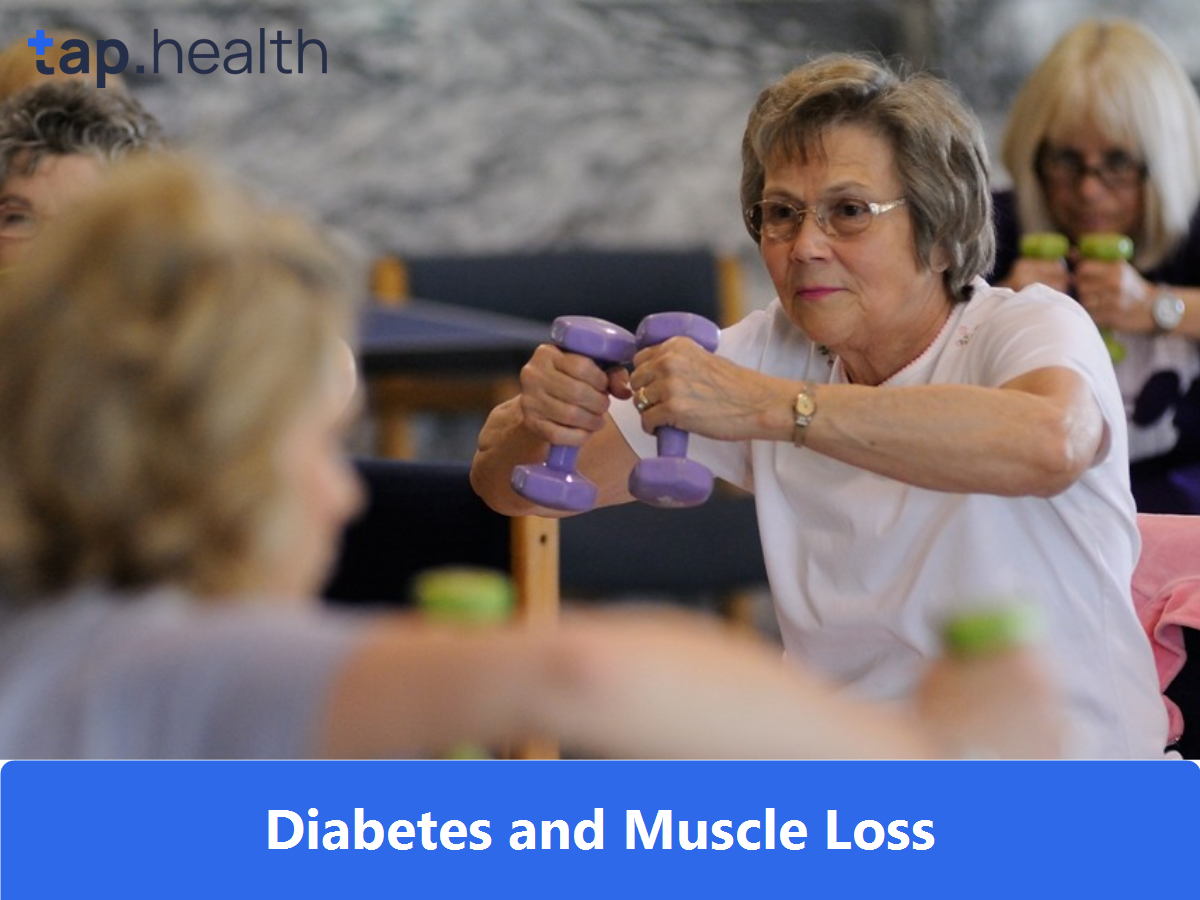
Diabetes and Muscle Loss: Causes, Warning Signs, Protein, Strength Training, and Recovery

Learn why diabetes may contribute to muscle loss and weakness, how to recognise sarcopenia, and how protein, resistance exercise, and medical checks help.

Diabetes
How to Reduce Sugar Intake Without Feeling Deprived: Simple Tips
Nishat Anjum
Nishat Anjum
• June 22, 2026
• 19 min read

Diabetes and Bone Health: Osteoporosis, Fracture Risk, Tests, Calcium, Vitamin D, and Exercise

Learn how diabetes may affect bone quality and fracture risk, which tests help, and how nutrition, vitamin D, exercise, and fall prevention support bones.

Diabetes
How to Reduce Sugar Intake Without Feeling Deprived: Simple Tips
Naimish Mishra
Naimish Mishra
• June 22, 2026
• 18 min read

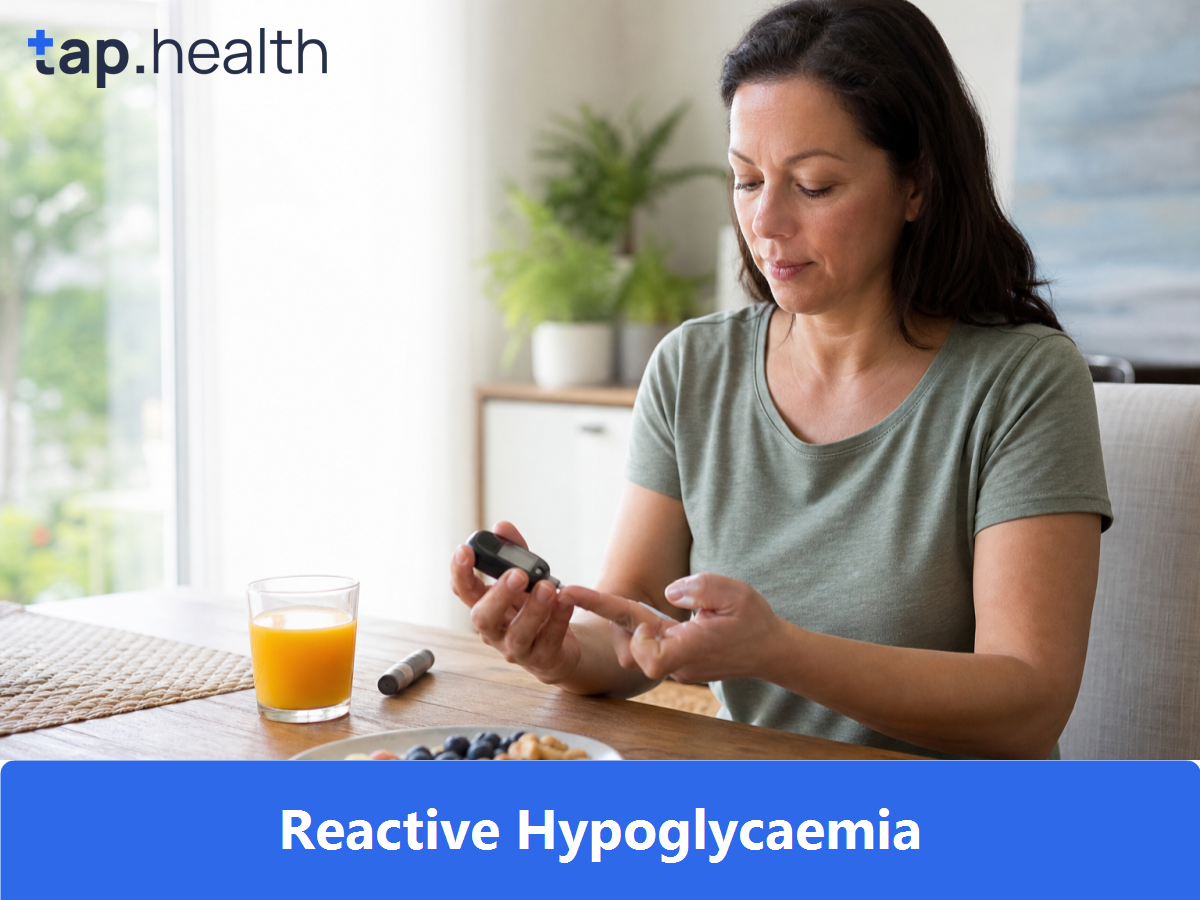
Reactive Hypoglycaemia: Symptoms After Meals, Causes, Tests, Diet, and Treatment

A detailed guide to reactive hypoglycaemia, covering low-sugar symptoms after meals, possible causes, diagnosis, food strategies, and red flags.

Diabetes
How to Reduce Sugar Intake Without Feeling Deprived: Simple Tips
Do you remember your last sugar reading?
Log and Track your glucose on the Tap Health App
All logs in one place
Smart trend graphs
Medicine Reminder
100% Ad Free
Download Now

Missed your diabetes meds

again? Not anymore.

Get medicine reminders on your phone.

✓ Glucose diary and Insights
✓ Smart Nudges
✓ All logs at one place
✓ 100% Ad free
Download Free
tap health
tap.health logo
copyright © 2025
2nd Floor,Plot No 4, Minarch Tower,
Sector 44,Gurugram, 122003,
Haryana, India
  • About Us
  • Blog
  • Doctor login
  • Contact Us
  • Privacy Policy
  • Return / Shipping Policy
  • Terms and Conditions
Get Your Free AI Diabetes Coach