tap.health logo
  • Diabetes Management
  • Health Assistant
  • About Us
  • Blog
  • Contact Us
Get Plan
  • Diabetes Management
  • Health Assistant
  • About Us
  • Blog
  • Contact Us
  • All Blogs
  • Product
  • How to Stay Calm When Experiencing No Symptoms After Embryo Transfer?

How to Stay Calm When Experiencing No Symptoms After Embryo Transfer?

Product
March 8, 2024
• 4 min read
Shalu Raghav
Written by
Shalu Raghav
ChatGPT Perplexity WhatsApp LinkedIn X Grok Google AI
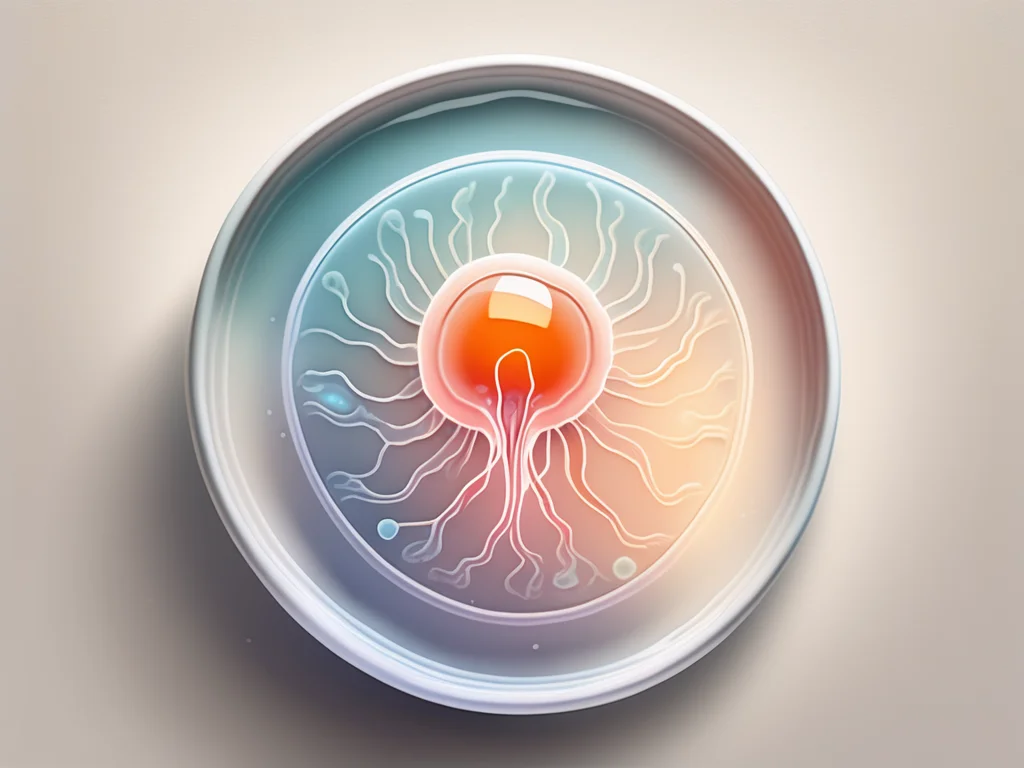
A petri dish with a small EMBRYO

Embryo transfer is a pivotal step in the in vitro fertilization (IVF) journey, filled with hope and anticipation. Many individuals expect to feel specific symptoms post-transfer as a sign of success, but what happens when no symptoms appear? Is it normal to feel nothing after embryo transfer? This blog explores the absence of symptoms, why it occurs, and how to navigate this phase with confidence. We’ll address common concerns, provide medical insights, and offer tips for emotional well-being during this critical time.

What Is Embryo Transfer?

Q: What happens during an embryo transfer? Embryo transfer is a key part of the IVF process where embryos, created from eggs and sperm in a lab, are placed into the uterus. This straightforward procedure, typically performed in a fertility clinic, is guided by ultrasound to ensure precise placement. The process is quick, relatively painless, and marks the transition from lab to natural uterine environment. After the transfer, patients rest briefly to optimize implantation conditions.

Q: How are embryos prepared for transfer? Embryos are cultured in a lab for several days, mimicking the female reproductive system’s conditions. Embryologists monitor their development, selecting the most viable ones, often at the blastocyst stage, for transfer due to their higher implantation potential.


Is It Normal to Have No Symptoms After Embryo Transfer?

Q: Why don’t I feel any symptoms after embryo transfer? It’s completely normal for some women to experience no symptoms after embryo transfer. The absence of symptoms does not indicate a failed procedure. Every body responds differently to hormonal changes and fertility treatments, and the lack of noticeable signs doesn’t necessarily mean the embryo hasn’t implanted.

Q: What factors explain the lack of symptoms? Several factors contribute to the absence of symptoms:

  • Hormonal Response Variation: Hormones like progesterone, used in IVF, affect individuals differently. Some may experience pronounced symptoms, while others have a milder response.
  • Individual Sensitivity: People have varying levels of sensitivity to bodily changes. Some may not notice subtle shifts that others perceive as symptoms.
  • External Factors: Stress, diet, and overall health can influence how symptoms manifest. A healthy lifestyle may minimize discomfort, leading to fewer noticeable symptoms.

Q: Do symptoms always indicate pregnancy? No, symptoms like cramping or bloating can be side effects of fertility medications rather than signs of pregnancy. Conversely, a lack of symptoms doesn’t rule out a successful implantation.

Common Symptoms After Embryo Transfer

Q: What symptoms might I experience after embryo transfer? Some women report mild symptoms post-transfer, including:

  • Mild Cramping: Often due to the procedure or hormonal shifts.
  • Bloating: A common side effect of fertility medications.
  • Breast Tenderness: Triggered by increased progesterone levels.
  • Fatigue: A result of hormonal changes or emotional stress.
  • Implantation Bleeding: Light spotting when the embryo attaches to the uterine wall, sometimes mistaken for a period.

Not everyone experiences these symptoms, and their presence or absence isn’t a definitive indicator of pregnancy success.

Q: Why do some women experience symptoms? Symptoms often stem from hormonal fluctuations caused by fertility drugs. Progesterone, commonly used in IVF, mimics early pregnancy symptoms, leading to physical and emotional changes. Psychological factors, like stress or heightened awareness, can also amplify the perception of symptoms.


Coping with No Symptoms: Emotional and Practical Tips

Q: How can I stay calm if I don’t feel symptoms? The absence of symptoms can spark anxiety, but there are ways to manage this uncertainty:

  • Practice Mindfulness: Engage in meditation, yoga, or deep breathing to reduce stress.
  • Seek Support: Connect with loved ones, support groups, or online forums for shared experiences.
  • Communicate with Your Medical Team: Regular check-ins with your fertility specialist can provide reassurance and clarity.
  • Focus on Self-Care: Maintain a balanced diet, stay hydrated, and prioritize rest to support your body.

Q: How can support systems help during this time? Joining fertility-focused support groups or counseling services offers a safe space to share concerns and gain insights from others. Online communities, such as forums on X, can provide real-time encouragement and advice from individuals undergoing similar journeys.

When to Seek Medical Advice

Q: When should I contact my doctor after embryo transfer? While no symptoms are usually not a cause for concern, certain signs warrant immediate medical attention:

  • Severe Pain: Intense or persistent pain could indicate complications.
  • Heavy Bleeding: Unlike light implantation spotting, heavy bleeding requires evaluation.
  • Sudden Weight Gain: May suggest ovarian hyperstimulation syndrome (OHSS).
  • Signs of Infection: Fever, chills, or unusual discharge need prompt attention.

Q: Why are regular check-ups important? Scheduled visits with your fertility specialist ensure close monitoring of your progress. These appointments allow for adjustments to treatment plans and provide opportunities to address concerns, ensuring the best chance for a successful outcome.

Personal Stories: No Symptoms, Positive Outcomes

Q: Are there success stories with no symptoms after embryo transfer? Yes, many women report no symptoms post-transfer and still achieve successful pregnancies. These stories, often shared in fertility forums or support groups, highlight the variability of experiences. The absence of symptoms doesn’t equate to failure, and hearing others’ journeys can provide comfort and hope.

Q: How can personal stories help? Reading or sharing experiences fosters a sense of community, reducing feelings of isolation. Platforms like X allow users to connect with others, offering reassurance that symptom-free periods are common and don’t necessarily predict outcomes.

Maintaining Emotional Well-Being During the Wait

Q: How can I manage anxiety during the post-transfer period? The two-week wait after embryo transfer can be emotionally taxing. To cope:

  • Limit Symptom Checking: Obsessing over bodily changes can heighten anxiety. Focus on activities that bring joy.
  • Engage in Hobbies: Creative outlets like journaling or art can distract from uncertainty.
  • Lean on Loved Ones: Open conversations with partners or friends provide emotional grounding.
  • Consider Professional Support: A therapist specializing in fertility issues can offer tailored coping strategies.

Q: What resources are available for emotional support? Fertility-specific counseling, online forums, and support groups are invaluable. Websites like x.ai or fertility clinic resources can guide you to local or virtual communities. Engaging with others who understand the IVF journey can make the process feel less overwhelming.

Key Takeaways for Navigating No Symptoms Post-Transfer

Experiencing no symptoms after embryo transfer is normal and doesn’t indicate the success or failure of the procedure. Hormonal responses, individual sensitivity, and lifestyle factors all play a role in how symptoms manifest. While some women experience mild cramping or spotting, others feel nothing, and both scenarios can lead to positive outcomes. Regular communication with your fertility team, coupled with self-care and emotional support, is crucial during this time. By staying informed and connected, you can navigate the post-transfer period with confidence and hope.

Tags
blood sugar test diabetes foot care insulin sensitivity diabetes warning signs diabetes myths weight loss diabetes Indian foods for insulin resistance diabetic foot ulcer diabetes lipid profile insulin resistance fatty liver diabetes urine infection diabetic leg cramps blood glucose monitoring diabetes and constipation diabetes foot swelling can diabetics eat dates can diabetics eat sweet potato paneer diabetes amla for diabetes is avocado good for diabetes rava upma diabetes prediabetes diabetic foot type 2 diabetes risk normal blood sugar levels diabetes facts insulin resistance weight loss improve insulin sensitivity diabetes foot wound cholesterol in diabetes diabetes skin problems frequent UTI diabetes diabetes nerve pain legs metformin for diabetes constipation diabetes can diabetics eat banana dates for diabetes sweet potato blood sugar poha for diabetes amla juice diabetes avocado blood sugar makhana for diabetes Medicine diabetes prevention foot health diabetes and sleep fasting blood sugar diabetes misconceptions diabetes medicine safety diabetic neuropathy symptoms diabetic foot ulcer warning signs can diabetics eat mango diabetes itching urinary infection diabetes diabetes slow wound healing metformin side effects diabetes numbness in hands banana for diabetes dates blood sugar jaggery for diabetes is poha good for diabetes amla blood sugar chia seeds for diabetes fox nuts diabetes Health A1C gestational diabetes poor sleep blood sugar HbA1c diabetes symptoms in women diabetes medicines diabetes nerve damage diabetes and blood pressure mango and diabetes dark patches diabetes diabetes stomach problems diabetes wounds metformin safety diabetes tingling hands banana blood sugar papaya for diabetes is jaggery good for diabetes poha blood sugar guava for diabetes chia seeds blood sugar makhana blood sugar Lifestyle blood sugar pregnancy diabetes sleep and diabetes diabetes in India women diabetes signs diabetes treatment advice tingling feet diabetes high blood pressure diabetes mango sugar diabetes walking after meals for diabetes diabetic gastroparesis diabetic wound care diabetes ketoacidosis warning signs diabetic neuropathy hands coconut water and diabetes is papaya good for diabetes gur for diabetes sprouts for diabetes can diabetics eat guava are chia seeds good for diabetes Home remedies fasting glucose blood sugar pregnancy diabetes and stress diabetes risk factors India diabetes risk women Indian diabetic diet chart diabetes eye disease diabetes heart kidney risk diabetes reversal vs remission post meal walk diabetes diabetes bloating nausea diabetes yeast infection DKA symptoms fasting with diabetes coconut water for diabetes papaya blood sugar watermelon for diabetes are sprouts good for diabetes guava blood sugar quinoa for diabetes Fitness A1C test low blood sugar stress blood sugar diabetes prevention India diabetes symptoms in men diabetic meal plan diabetic eye test borderline HbA1c diabetes remission walking lowers blood sugar diabetes sick day rules diabetes fungal infection ketones diabetes diabetes fasting safety can diabetics drink coconut water oats for diabetes can diabetics eat watermelon sprouts blood sugar orange for diabetes is quinoa good for diabetes Prevention diabetes diet hypoglycemia cortisol diabetes best fruits for diabetes men diabetes signs HbA1c test high protein breakfast for diabetes HbA1c 5.7 to 6.4 reverse type 2 diabetes diabetes grocery list India diabetes during illness diabetes vaginal itching diabetes blurry vision can diabetics fast curd for diabetes oatmeal diabetes watermelon blood sugar methi seeds for diabetes can diabetics eat oranges quinoa blood sugar Hygiene balanced meals diabetes safety diabetes eye care diabetes fruits diabetes risk men HbA1c normal range diabetes breakfast India prediabetes HbA1c diabetes plate method diabetic food list India blood sugar fever infection diabetes night sweats high blood sugar blurry vision insulin injection sites is curd good for diabetes are oats good for diabetes apple for diabetes fenugreek for diabetes orange blood sugar dal for diabetes Ailments healthy eating diabetes heart health diabetic retinopathy fruit and blood sugar type 1 diabetes how to lower HbA1c diabetic breakfast ideas post-meal blood sugar Indian diabetes plate foods for diabetes shopping diabetes and alcohol low blood sugar at night diabetes excessive thirst insulin site rotation diabetes curd milk for diabetes can diabetics eat apple methi diabetes brown bread for diabetes lentils for diabetes Hindi why diabetes is considered as a lifestyle disease blood pressure diabetes eye test rice and diabetes type 1 diabetes symptoms fasting sugar normal range PCOS and diabetes blood sugar after food diabetes portion control diabetes kidney tests alcohol blood sugar diabetes diabetes sweating at night diabetes dry mouth insulin lumps tea and coffee in diabetes can diabetics drink milk apple blood sugar cinnamon for diabetes bread for diabetes which dal is good for diabetes skin diseases lifestyle diabetes cholesterol diabetes kidney care can diabetics eat rice insulin diabetes high fasting blood sugar PCOS insulin resistance postprandial glucose low glycaemic index foods for diabetes urine albumin diabetes can diabetics drink alcohol diabetes headache frequent urination diabetes diabetes weight gain coffee diabetes best milk for diabetes eggs for diabetes cinnamon blood sugar whole wheat bread diabetes idli for diabetes acne vulgaris symptoms type 2 diabetes lifestyle disease living with diabetes diabetic kidney disease diabetes diet India prediabetes diet reverse prediabetes naturally PCOS diabetes risk dawn phenomenon diabetes low GI foods India eGFR diabetes diabetes and dizziness high blood sugar headache diabetes fatigue diabetes and weight gain tea diabetes peanuts for diabetes are eggs good for diabetes dalchini for diabetes dosa for diabetes can diabetics eat idli AI Search exercise and diabetes diabetes habits kidney tests diabetes morning blood sugar prediabetes food prediabetes reversal gestational diabetes diet Indian morning sugar high diabetes low GI diet diabetes and dental problems dizziness diabetes low blood sugar headache diabetes tiredness insulin weight gain roti for diabetes are peanuts good for diabetes egg diabetes bitter gourd for diabetes can diabetics eat dosa idli blood sugar type 2 diabetes blood sugar control diabetes management high blood sugar symptoms fasting sugar high lower diabetes risk how to prevent type 2 diabetes pregnancy diabetes diet high fasting sugar in morning diabetes and fatty liver diabetes gum disease low sugar dizziness blood sugar monitoring at home high blood sugar tiredness diabetes swollen feet best roti for diabetes peanuts blood sugar paneer for diabetes karela juice diabetes dosa blood sugar upma for diabetes early signs of diabetes physical activity insulin resistance hyperglycemia symptoms dawn phenomenon diabetes and weight loss insulin resistance diet gestational diabetes meal plan diabetes and cholesterol fatty liver diabetes dry mouth diabetes diabetes leg pain when to check blood sugar diabetes constipation swollen feet diabetes chapati diabetes sweet potato for diabetes is paneer good for diabetes bitter gourd blood sugar avocado for diabetes is upma good for diabetes
More blogs
Varshitha Sotala
Varshitha Sotala
• June 4, 2026
• 19 min read

Upma for Diabetes: Blood Sugar Impact, Rava Portion Size, Vegetable Add-Ins, and Tips

A practical guide to upma for diabetes, including rava, blood sugar impact, portion size, vegetables, protein add-ins, and breakfast mistakes.

Diabetes
A petri dish with a small EMBRYO
Naimish Mishra
Naimish Mishra
• June 4, 2026
• 19 min read

Chia Seeds for Diabetes: Blood Sugar Benefits, Fibre, How to Use, and Safety Tips

A detailed guide to chia seeds for diabetes, including fibre, blood sugar effects, portion size, soaking, digestion, and medicine safety.

Diabetes
A petri dish with a small EMBRYO
Nishat Anjum
Nishat Anjum
• June 4, 2026
• 19 min read

Dal for Diabetes: Best Lentils, Blood Sugar Benefits, Portion Size, and Indian Meal Tips

A detailed Indian guide to dal for diabetes, including lentil types, protein, fibre, portion size, tadka choices, and meal balancing.

Diabetes
A petri dish with a small EMBRYO
Do you remember your last sugar reading?
Log and Track your glucose on the Tap Health App
All logs in one place
Smart trend graphs
Medicine Reminder
100% Ad Free
Download Now

Missed your diabetes meds

again? Not anymore.

Get medicine reminders on your phone.

✓ Glucose diary and Insights
✓ Smart Nudges
✓ All logs at one place
✓ 100% Ad free
Download Free
tap health
tap.health logo
copyright © 2025
2nd Floor,Plot No 4, Minarch Tower,
Sector 44,Gurugram, 122003,
Haryana, India
  • About Us
  • Blog
  • Doctor login
  • Contact Us
  • Privacy Policy
  • Return / Shipping Policy
  • Terms and Conditions
Get Your Free AI Diabetes Coach