Understanding Hypertension in Pregnancy: A Complete Guide
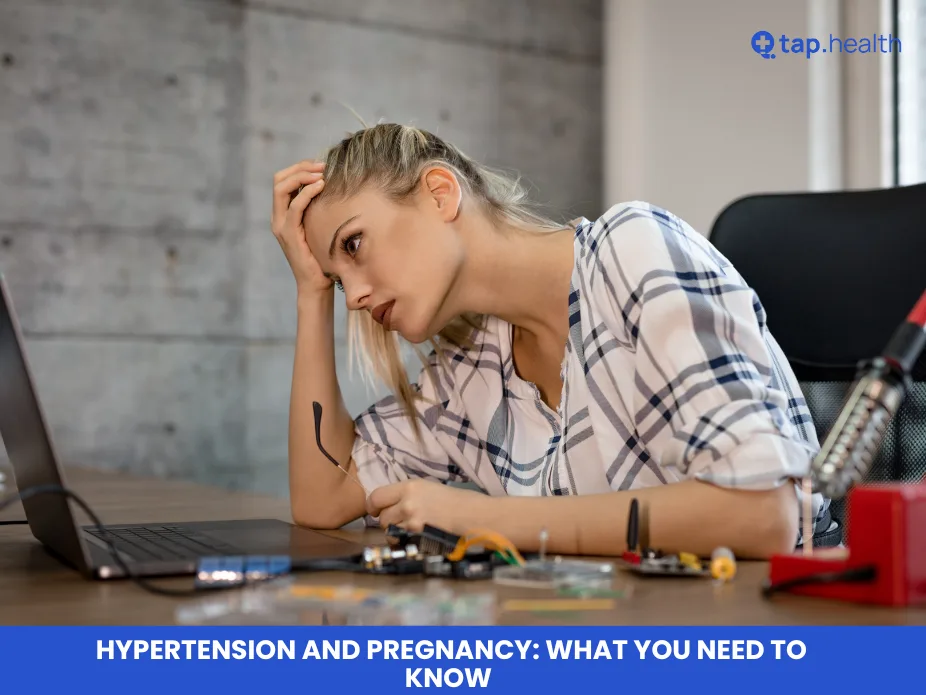
Pregnancy is beautiful, but conditions like high blood pressure can make it challenging. Hypertension in pregnancy affects up to 10% of expectant mothers worldwide. Knowing the types, risks, and management strategies helps protect both mother and baby.
What Is Hypertension During Pregnancy?
Hypertension occurs when blood pressure consistently reads 140/90 mmHg or higher. In pregnancy, doctors classify it into three main types:
- Chronic Hypertension: Exists before pregnancy or appears before 20 weeks.
- Gestational Hypertension: Develops after 20 weeks without protein in urine; usually resolves after delivery.
- Preeclampsia (and its severe form, eclampsia): High blood pressure after 20 weeks plus protein in urine or signs of organ damage.
How Does High Blood Pressure Affect Mother and Baby?
Uncontrolled hypertension reduces blood flow through the placenta and raises serious risks:
For the mother:
- Preeclampsia progression
- Placental abruption
- Stroke, seizures, or HELLP syndrome
- Kidney or liver damage
For the baby:
- Preterm birth
- Intrauterine growth restriction (IUGR)
- Low birth weight
- Stillbirth (rare with proper care)
Early detection dramatically lowers these dangers.
Real-Life Examples Every Pregnant Woman Should Know
Sarah, 34, had chronic hypertension for years. With twice-weekly monitoring, low-dose labetalol, and a low-sodium diet, she delivered a healthy boy at 38 weeks.
Ayesha, 29 and previously healthy, developed gestational hypertension at 30 weeks. Daily home blood pressure checks, rest, and reduced salt brought her readings down, and she delivered naturally at 39 weeks.
These stories prove that awareness and medical guidance lead to safe outcomes.
Expert-Recommended Ways to Manage Hypertension in Pregnancy
- Attend every prenatal visit – blood pressure checks are non-negotiable.
- Monitor at home with a validated arm cuff if your doctor advises.
- Follow the DASH or pregnancy-modified low-salt diet (aim for <2,300 mg sodium daily).
- Stay gently active – 30 minutes of walking or prenatal swimming most days (doctor-approved).
- Practice stress relief: prenatal yoga, meditation, or deep breathing.
- Take prescribed antihypertensive medication exactly as directed (methyldopa, labetalol, and nifedipine are considered safe).
- Watch for preeclampsia warning signs: sudden swelling, severe headache, vision changes, upper abdominal pain, sudden swelling – call your doctor immediately if any appear.
Frequently Asked Questions About Hypertension and Pregnancy
Q: When does gestational hypertension turn into preeclampsia?
A: When protein appears in urine or blood tests show liver, kidney, or platelet problems.
Q: Can I still have a vaginal birth with hypertension?
A: Yes, most women with well-controlled hypertension deliver vaginally unless severe preeclampsia requires early induction or C-section.
Q: Is bed rest still recommended?
A: Current guidelines (ACOG 2024–2025) no longer recommend strict bed rest; moderate activity is safer.
Q: Will I need blood pressure medicine after delivery?
A: Women with chronic hypertension usually resume pre-pregnancy medication. Gestational hypertension often resolves within 12 weeks postpartum.
Q: Does having hypertension in one pregnancy mean I’ll have it in the next?
A: Risk of recurrence is 20–50% for gestational hypertension and higher for chronic cases, but planning and preconception care help.
Can TapHealth Help Manage Diabetes and Hypertension During Pregnancy?
Yes! The TapHealth app provides FDA-cleared blood pressure tracking, instant preeclampsia symptom checker, medication reminders, and direct chat with maternal-fetal medicine specialists – all designed to keep both hypertension and gestational diabetes under control throughout pregnancy.
Early action and consistent monitoring remain the cornerstone of a healthy pregnancy when hypertension appears. Work closely with your obstetrician, follow evidence-based guidelines, and use reliable tools like TapHealth to stay one step ahead.