tap.health logo
  • Diabetes Management
  • Health Assistant
  • About Us
  • Blog
  • Contact Us
Get Plan
  • Diabetes Management
  • Health Assistant
  • About Us
  • Blog
  • Contact Us
  • All Blogs
  • Diabetes
  • Is an 110 mg/dL Sugar Level Normal? Everything You Need to Know

Is an 110 mg/dL Sugar Level Normal? Everything You Need to Know

Diabetes
January 27, 2026
• 8 min read
Yasaswini Vajupeyajula
Written by
Yasaswini Vajupeyajula
Nishat Anjum
Reviewed by:
Nishat Anjum
ChatGPT Perplexity WhatsApp LinkedIn X Grok Google AI
is-an-110-mg-dl-sugar-level-normal

Meta Title: Is 110 Sugar Level Normal? Fasting vs. After Food Explained Meta Description: Asking “is 110 sugar level normal?” It depends on when you tested! We break down 110 mg/dL for fasting (pre-diabetes?) vs. after eating (healthy?), risks, and tips.


Is an 110 mg/dL Sugar Level Normal? Everything You Need to Know

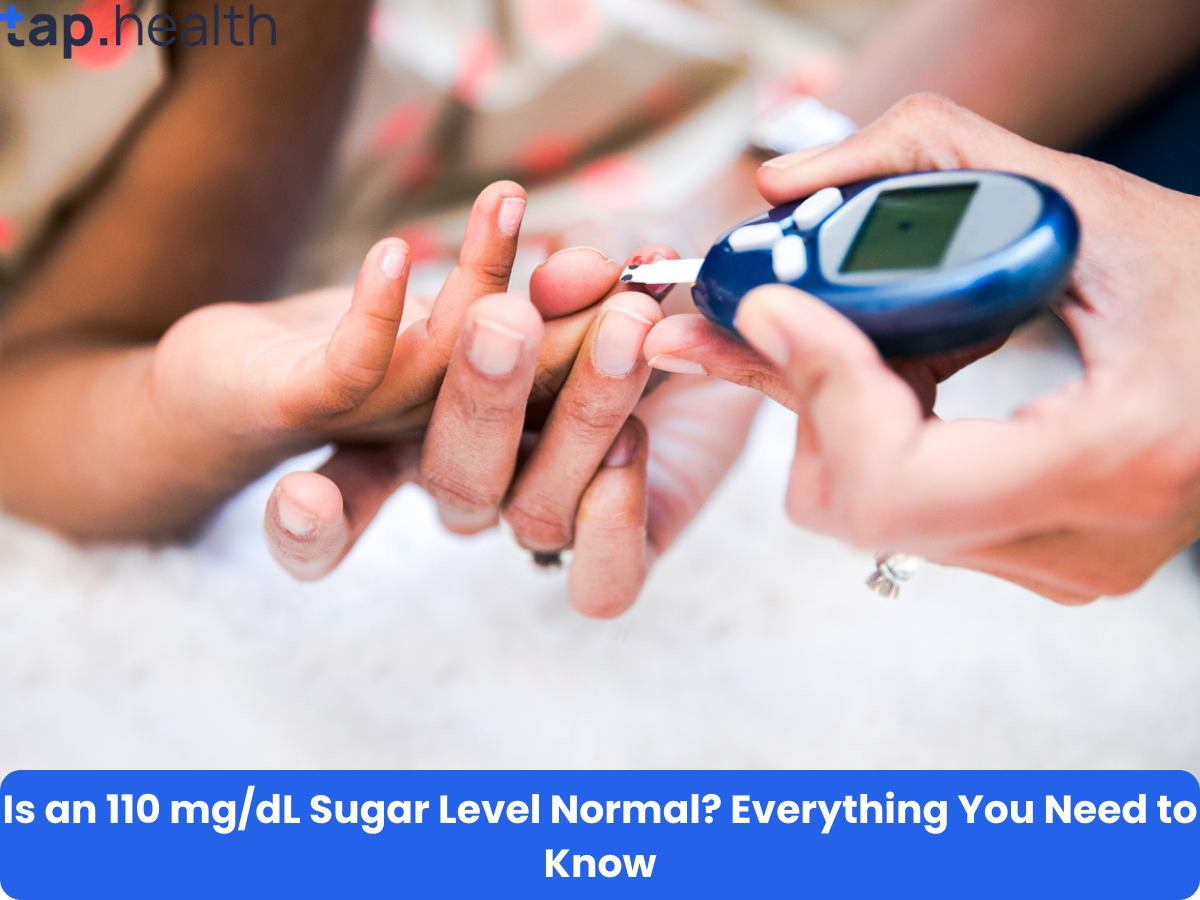
You wake up in the morning, prick your finger, and wait for the countdown on your glucometer. The number pops up: 110 mg/dL.

Or perhaps you just finished a heavy lunch of Rice and Dal, checked your sugar two hours later, and saw the same number: 110 mg/dL.

Now you are confused. You look at the charts. Some say “Normal is below 100.” Others say “Below 140 is fine.” Your neighbor says, “Arre, 110 is nothing, don’t worry!” But Google mentions “Pre-diabetes.”

So, what is the truth? Is an 110 mg/dL sugar level normal?

The answer is the classic medical frustrater: It depends. Specifically, it depends on when you took the test.

  • If this is your Fasting sugar (empty stomach), it is a warning sign.
  • If this is your Post-Prandial sugar (after eating), it is a badge of honor.

In this comprehensive, deep-dive guide written in simple Indian English, we will dissect the number 110. We will explain why it falls into the “Grey Zone,” what it means for your future health, and how to interpret it correctly so you can stop worrying and start acting.


The Big Picture: What Does 110 mg/dL Actually Mean?

To understand if 110 is “good” or “bad,” we first need to understand how our body handles sugar (glucose).

Think of your body like a car and sugar like petrol. When you eat, your fuel tank fills up (sugar rises). When you haven’t eaten for 8 hours (fasting), your tank should be relatively low because your body has used up the fuel while sleeping.

The Golden Rules of Blood Sugar Ranges:

  1. Fasting (No food for 8+ hours):
    • Normal: Less than 100 mg/dL.
    • Pre-Diabetes: 100 mg/dL to 125 mg/dL.
    • Diabetes: 126 mg/dL or higher.
  2. Post-Prandial (2 hours after a meal):
    • Normal: Less than 140 mg/dL.
    • Pre-Diabetes: 140 mg/dL to 199 mg/dL.
    • Diabetes: 200 mg/dL or higher.

So, where does 110 fit in?

  • Scenario A: Fasting at 110 mg/dL.
    • Verdict: This is NOT Normal. It falls into the Pre-Diabetes range (also called Impaired Fasting Glucose). Your body is struggling slightly to keep fasting sugar down.
  • Scenario B: After Food at 110 mg/dL.
    • Verdict: This is Excellent. It is perfectly normal. It means your insulin is working beautifully to clear the sugar from your meal.

Deep Dive: 110 mg/dL Fasting – The “Pre-Diabetes” Warning

Let’s focus on the most common concern: Fasting Sugar of 110.

Many people see 110 and think, “Oh, it’s only 10 points above 100. It’s close enough.” This is a dangerous mindset. In the medical world, the jump from 99 to 110 is significant.

Why is 110 Fasting Considered High?

When you sleep, you are not eating. Your pancreas should be releasing a steady, low amount of insulin to keep your baseline sugar stable. If you wake up at 110, it means one of two things is happening:

  1. Insulin Resistance: Your cells are becoming stubborn. They aren’t listening to the insulin properly, so a little bit of sugar is left floating in your blood instead of going into the cells.
  2. Liver Leaking Sugar: Your liver stores extra sugar (glycogen). In the early morning, it might be dumping too much sugar into your blood, and your body can’t clear it fast enough.

Is 110 Fasting “Diabetes”?

No. It is Pre-diabetes. Think of Pre-diabetes as a yellow traffic light. It is telling you to slow down and check your engine before you hit the red light (Type 2 Diabetes).

  • The Good News: You can reverse this. You can bring 110 down to 95 with lifestyle changes.
  • The Bad News: If you ignore it and continue eating sweets and not exercising, 110 will turn into 130 within a few years.

Deep Dive: 110 mg/dL After Eating – The “Perfect” Score

Now, let’s look at the flip side. You ate lunch—maybe two Rotis, Sabzi, and Curd. Two hours later, you test, and it is 110.

Why is this good? Food contains carbohydrates. Carbs turn into glucose. After a meal, it is natural for blood sugar to spike (maybe up to 130 or 140).

  • If your reading is 110 mg/dL two hours later, it means your pancreas released the exact right amount of insulin.
  • It cleared the spike efficiently and brought your levels back to a safe baseline.
  • This indicates strong Insulin Sensitivity—your body’s metabolism is healthy.

Can it be too low? No. 110 after a meal is not low. “Low blood sugar” (Hypoglycemia) is generally below 70 mg/dL. 110 is a very safe, stable number to have during the day.


Factors That Can Cause a “False” 110 Reading

Before you panic about a fasting 110, you must ensure the reading is accurate. Several things can mess up a test result.

1. The “Dawn Phenomenon”

This is very common in India. Early in the morning (around 4 AM to 8 AM), our body releases “wake up” hormones like cortisol and growth hormones. These hormones naturally raise blood sugar to give you energy to get out of bed.

  • In a perfectly healthy person, insulin counteracts this.
  • In someone with slight insulin resistance, the sugar rises a bit too much—resulting in a reading like 105 or 110.

2. Dirty Fingers

Did you peel an orange or touch a piece of toast before testing? Even microscopic food particles on your finger can mix with the blood drop and give a falsely high reading.

  • Fix: Always wash your hands with soap and dry them completely before pricking.

3. Poor Sleep & Stress

Did you have a bad night’s sleep? Were you stressed about a work meeting? Stress releases cortisol. Cortisol dumps sugar into the blood. A single night of poor sleep can temporarily push your fasting sugar from 95 to 110.

4. Late Night Snacking

If you ate a heavy meal at 11 PM and tested at 6 AM (only 7 hours gap), you are not truly “fasting.” Your body is still digesting that late dinner.

  • Rule: Fasting means 8 to 10 hours of no food.

Symptoms: Does 110 mg/dL Feel Like Anything?

This is the tricky part. Can you feel a blood sugar of 110? The answer is almost always No.

A sugar level of 110 mg/dL is technically “high” for fasting, but it is not high enough to cause the classic diabetes symptoms like extreme thirst, frequent urination, or blurry vision. Those symptoms usually start appearing when sugar crosses 180 or 200 mg/dL.

This is why Pre-diabetes is called a “Silent” condition. You might feel perfectly fine. You might have good energy. You might not look overweight. But internally, the sugar is slowly creeping up. The only way to know is by testing.


The HbA1c Connection: The 3-Month Average

One single prick of 110 mg/dL is just a snapshot in time. To know the real story, doctors look at HbA1c.

HbA1c measures your average blood sugar over the past 3 months.

  • If your Fasting is consistently 110 mg/dL, your HbA1c might be hovering around 5.7% to 6.0%.
  • Normal HbA1c: Below 5.7%.
  • Pre-Diabetes HbA1c: 5.7% to 6.4%.

If your Fasting is 110 but your HbA1c is normal (say, 5.4%), the 110 might just be a “Dawn Phenomenon” spike or a one-off error. But if both are high, it confirms Pre-diabetes.

Also Read: Is Blood Sugar Over 400 an Emergency?


Real-Life Scenario

Meet Rajesh (38, Software Engineer): Rajesh felt healthy. He wasn’t obese, though he had a small “paunch” (belly fat) common in Indian men. During a company health checkup, his Fasting Blood Sugar came back at 112 mg/dL.

Rajesh thought, “It’s barely over 100. I’ll ignore it.”

The Expert Advice: His doctor explained that 112 was a red flag. It meant his body was working too hard to keep sugar down. If he ignored it, his pancreas would eventually get tired, and that 112 would become 150 (full-blown Diabetes).

The Action Plan:

  1. Diet: Rajesh didn’t stop eating. He just swapped White Rice for Brown Rice and stopped adding sugar to his Chai.
  2. Movement: He started a 20-minute brisk walk after dinner.
  3. Sleep: He stopped scrolling on his phone at night to ensure better sleep.

The Result: Three months later, Rajesh’s fasting sugar dropped to 94 mg/dL. He had successfully reversed his pre-diabetes risk.


Expert Contribution

We consulted Dr. V. Sharma, a Diabetologist, to understand the clinical view on the number 110.

“I often see patients who argue that 110 is ‘normal’ because their parents have diabetes readings of 200. I tell them: Do not compare yourself to a sick person; compare yourself to a healthy version of you. A fasting sugar of 110 is the body whispering that it needs help. If you listen to the whisper now, you won’t have to deal with the scream of diabetes later. 110 is the perfect window of opportunity to reverse the condition completely with simple lifestyle tweaks.”


How to Lower Fasting Blood Sugar From 110 to <100

If your fasting sugar is 110, you don’t need medicine yet. You need Lifestyle Therapy. Here are specific, research-backed ways to lower it.

1. The “Early Dinner” Hack

In India, we often eat dinner late (9:00 or 10:00 PM). This is the biggest enemy of fasting sugar.

  • Try this: Finish your dinner by 7:30 PM.
  • Why: This gives your body a longer window to digest and rest before you wake up. You will likely see your morning number drop by 5-10 points just by doing this.

2. Apple Cider Vinegar (ACV)

Studies suggest that having 1 tablespoon of Apple Cider Vinegar in a glass of water before bedtime can improve insulin sensitivity.

  • Result: It helps lower the morning fasting sugar spike.

3. Walk After Dinner

Don’t sit on the sofa and watch TV immediately after eating.

  • Try this: Take a 15-minute “shatpavali” (100 steps or gentle walk).
  • Why: Your muscles use up the glucose from dinner, so less sugar is left floating in your blood overnight.

4. Swap the “White” for “Brown”

  • Reduce Maida (Biscuits, Bread, Naan).
  • Reduce White Rice.
  • Increase Fiber: Add salads (Cucumber, Tomato) to every meal. Fiber slows down sugar absorption.

Recommendations Grounded in Proven Research and Facts

According to the American Diabetes Association (ADA) and the Indian Council of Medical Research (ICMR):

  1. The “Pre-Diabetes” Range: Both organizations confirm that 100-125 mg/dL is the official Pre-diabetes zone.
  2. Testing Frequency: If you have a reading of 110, you should re-test in 3 months. Do not wait a whole year.
  3. Weight Loss: Losing just 5% to 7% of your body weight can lower your fasting sugar significantly. For a 70kg person, that is just 3.5kg to 5kg.

When Should You See a Doctor?

You don’t need to rush to the emergency room for a reading of 110 mg/dL. However, you should book a routine appointment if:

  1. You get a Fasting reading of 110+ on two separate mornings.
  2. You have other risk factors: Overweight, family history of diabetes, high blood pressure, or sedentary lifestyle.
  3. You are pregnant. (See FAQ below).

A doctor will likely order an HbA1c test and a Glucose Tolerance Test (OGTT) to confirm if it is Pre-diabetes.


Conclusion: Key Takeaways

So, is an 110 mg/dL sugar level normal?

  • Fasting (Empty Stomach): No. It is slightly high and indicates Pre-diabetes. It is a warning sign to change your lifestyle, but it is not yet full-blown diabetes.
  • Post-Prandial (After Food): Yes. It is an excellent, healthy score.
  • Random (Any time): It is generally considered normal.

The Bottom Line: Do not panic, but do not ignore it. A fasting sugar of 110 is a gift—it is an early warning system giving you time to act. With small changes like eating earlier dinners, walking more, and cutting down on sugar, you can push that number back down to the 90s and stay healthy for years to come.


FAQ: Frequently Asked Questions

Is 110 fasting sugar normal for a non-diabetic?

No, for a healthy non-diabetic, fasting sugar should ideally be below 100 mg/dL. A reading of 110 falls into the Pre-diabetes range (Impaired Fasting Glucose). It means you are at higher risk of developing diabetes in the future if you don’t make changes.

Is 110 sugar level normal after eating?

Yes, absolutely. A blood sugar level of 110 mg/dL two hours after a meal is excellent. It shows that your body is managing insulin very well. The safe limit after food is anything below 140 mg/dL.

What should I do if my fasting sugar is 110?

First, verify the result by testing again the next morning (ensure you fasted for 8-10 hours). If it stays around 110, consult a doctor. Start eating dinner earlier, cut down on sweets/rice, and start walking daily to bring it down.

Is 110 mg/dL normal during pregnancy?

If you are pregnant, strict control is needed.

  • Fasting: 110 is High. Doctors typically want fasting sugar below 95 mg/dL during pregnancy to prevent Gestational Diabetes complications.
  • After Meal: 110 is Normal and safe.
  • Consult your Gynecologist immediately if your fasting is 110.

Can stress cause blood sugar to be 110?

Yes. Stress hormones like cortisol and adrenaline cause your liver to release extra glucose. If you are going through a stressful period or slept poorly, your fasting sugar can temporarily rise to 110.

Is 110 sugar level high or low?

  • For Fasting: It is Slightly High (Pre-diabetic).
  • For Random/After Food: It is Normal (Healthy).
  • It is definitely not Low (Hypoglycemia), which is typically below 70 mg/dL.

Does 110 mean I need medicine?

Usually, No. Doctors rarely prescribe medication (like Metformin) for a fasting sugar of 110 unless you have other complications. The first line of treatment is Diet and Exercise (Lifestyle Modification).


References

  1. American Diabetes Association (ADA): Understanding Blood Glucose Numbers
  2. Mayo Clinic: Prediabetes – Symptoms and Causes
  3. National Institutes of Health (NIH): Glucose Tolerance Test
  4. Healthline: What are Normal Blood Sugar Levels?

Disclaimer: This article is for informational purposes only and does not constitute medical advice. Always consult with a qualified healthcare provider for diagnosis and treatment of any medical condition.

Tags
diabetes prevention foot health diabetes and sleep fasting blood sugar diabetes misconceptions diabetes medicine safety diabetic neuropathy symptoms diabetic foot ulcer warning signs can diabetics eat mango diabetes itching urinary infection diabetes diabetes slow wound healing metformin side effects diabetes numbness in hands banana for diabetes dates blood sugar jaggery for diabetes is poha good for diabetes guava blood sugar India diabetes pregnancy blood sugar targets diabetes medicine India blood sugar vs blood pressure LADA diabetes symptoms ED in diabetic men how to store insulin cataract surgery diabetes diabetes cholesterol levels Ramadan diabetes medicine timing walking after meals diabetes flu vaccine diabetes diabetes food cravings whey protein diabetes diabetes thirst fluids skipping breakfast diabetes diabetes and blurred vision breathlessness diabetes diabetes nausea causes dry mouth high blood sugar diabetes and shoulder pain diabetes and palpitations diabetes symptoms and tests diabetes and hand tremors causes A1C gestational diabetes poor sleep blood sugar HbA1c diabetes symptoms in women diabetes medicines diabetes nerve damage diabetes and blood pressure mango and diabetes dark patches diabetes diabetes stomach problems diabetes wounds metformin safety diabetes tingling hands banana blood sugar papaya for diabetes is jaggery good for diabetes poha blood sugar orange for diabetes sugar spike after rice postpartum diabetes risk type 1 vs type 2 diabetes diabetes vs high cholesterol latent autoimmune diabetes in adults diabetes and menopause insulin storage at home diabetes and muscle loss diabetes triglycerides diabetes and shift work diabetes and smoking GLP-1 diabetes medicines sugar cravings diabetes protein powder kidney diabetes diabetes diarrhoea vomiting diabetes breakfast skipping diabetic eye symptoms high sugar breathing problems diabetes and vomiting diabetes mouth symptoms diabetes frozen shoulder racing heart low sugar diabetes and tingling feet diabetes and appetite loss Medicine blood sugar pregnancy diabetes sleep and diabetes diabetes in India women diabetes signs diabetes treatment advice tingling feet diabetes high blood pressure diabetes mango sugar diabetes walking after meals for diabetes diabetic gastroparesis diabetic wound care diabetes ketoacidosis warning signs diabetic neuropathy hands coconut water and diabetes is papaya good for diabetes gur for diabetes sprouts for diabetes can diabetics eat oranges Indian diet diabetes diabetes after pregnancy type 1 and type 2 diabetes difference lipid profile diabetes diabetes vs MODY menopause blood sugar insulin fridge temperature diabetes muscle weakness diabetes and high blood pressure night shift diabetes smoking diabetes risk GLP-1 weight loss diabetes diabetes hunger cravings CGM skin irritation diabetes diabetes sick day vomiting morning sugar skipping breakfast diabetes and sweating diabetes and shaking vomiting with diabetes diabetes and itchy skin shoulder stiffness diabetes heart pounding diabetes diabetes and tingling feet causes diabetes and appetite loss causes Health fasting glucose blood sugar pregnancy diabetes and stress diabetes risk factors India diabetes risk women Indian diabetic diet chart diabetes eye disease diabetes heart kidney risk diabetes reversal vs remission post meal walk diabetes diabetes bloating nausea diabetes yeast infection DKA symptoms fasting with diabetes coconut water for diabetes papaya blood sugar watermelon for diabetes are sprouts good for diabetes orange blood sugar glucose spike symptoms gestational diabetes India difference between type 1 and type 2 diabetes diabetes vs neuropathy MODY diabetes symptoms type 2 diabetes menopause glucometer errors sarcopenia diabetes diabetes hypertension diabetes meal timing shift work diabetes quit smoking semaglutide diabetes diabetes and fever CGM sensor rash diabetes loose motions late dinner diabetes sweating low blood sugar tremors low blood sugar diabetes and cold feet itching high blood sugar diabetes and loss of appetite diabetes and muscle weakness diabetes and sweaty feet diabetes and burning feet Lifestyle A1C test low blood sugar stress blood sugar diabetes prevention India diabetes symptoms in men diabetic meal plan diabetic eye test borderline HbA1c diabetes remission walking lowers blood sugar diabetes sick day rules diabetes fungal infection ketones diabetes diabetes fasting safety can diabetics drink coconut water oats for diabetes can diabetics eat watermelon sprouts blood sugar brown bread for diabetes post meal blood sugar continuous glucose monitor India diabetes vs diabetes insipidus diabetes vs heart disease maturity onset diabetes of the young diabetes and frozen shoulder wrong blood sugar reading diabetes and anaemia BP in diabetes diabetes and vitamin D diabetes neuropathy pain relief diabetes and migraine best shoes for diabetic feet diabetes adhesive allergy CGM diabetes and kidney stones diabetes dinner timing diabetes and leg cramps shaky feeling diabetes cold feet diabetes diabetes fungal itching loss appetite diabetes weakness high blood sugar diabetes and sweaty feet causes diabetes and burning feet causes Home remedies diabetes diet hypoglycemia cortisol diabetes best fruits for diabetes men diabetes signs HbA1c test high protein breakfast for diabetes HbA1c 5.7 to 6.4 reverse type 2 diabetes diabetes grocery list India diabetes during illness diabetes vaginal itching diabetes blurry vision can diabetics fast curd for diabetes oatmeal diabetes watermelon blood sugar methi seeds for diabetes bread for diabetes insulin resistance symptoms CGM cost India diabetes mellitus vs diabetes insipidus diabetes heart disease risk continuous glucose monitor diabetes frozen shoulder diabetes reactive hypoglycaemia anaemia diabetes HbA1c diabetes and liver enzymes vitamin D deficiency diabetes diabetic neuropathy burning feet diabetes headache triggers diabetic socks foot ulcer prevention diabetes monsoon care kidney stones diabetes night sugar late dinner leg cramps diabetes diabetes and periods diabetes poor circulation feet diabetes and swollen ankles diabetes not feeling hungry diabetes leg weakness diabetes and neck pain diabetes and slow digestion Fitness balanced meals diabetes safety diabetes eye care diabetes fruits diabetes risk men HbA1c normal range diabetes breakfast India prediabetes HbA1c diabetes plate method diabetic food list India blood sugar fever infection diabetes night sweats high blood sugar blurry vision insulin injection sites is curd good for diabetes are oats good for diabetes apple for diabetes fenugreek for diabetes whole wheat bread diabetes diabetes blood pressure time in range diabetes insipidus symptoms diabetes and heart attack CGM diabetes diabetic shoulder pain low blood sugar after eating low haemoglobin diabetes high SGPT diabetes vitamin D insulin resistance diabetes gastroparesis blood sugar migraine diabetes and driving diabetes rainy season foot infection diabetes urine pain diabetes medicine timing diabetes muscle cramps periods affect blood sugar hair loss diabetes ankle swelling diabetes diabetes and restless legs diabetes and memory problems diabetes and neck pain causes diabetes and slow digestion causes Prevention healthy eating diabetes heart health diabetic retinopathy fruit and blood sugar type 1 diabetes how to lower HbA1c diabetic breakfast ideas post-meal blood sugar Indian diabetes plate foods for diabetes shopping diabetes and alcohol low blood sugar at night diabetes excessive thirst insulin site rotation diabetes curd milk for diabetes can diabetics eat apple methi diabetes avocado for diabetes diabetes heart risk glucometer accuracy diabetes vs metabolic syndrome gestational diabetes vs type 2 diabetes continuous glucose monitoring metformin vitamin B12 deficiency postprandial hypoglycaemia diabetes and uric acid SGOT SGPT diabetes diabetes and magnesium diabetic gastroparesis symptoms diabetes and thyroid medication driving with diabetes monsoon diabetes tips diabetes foot nail care diabetes medicine before or after food diabetes and frequent infections menstrual cycle diabetes diabetes hair fall causes diabetes leg swelling causes restless leg syndrome diabetes diabetes brain fog diabetes and chest pain Hygiene why diabetes is considered as a lifestyle disease blood pressure diabetes eye test rice and diabetes type 1 diabetes symptoms fasting sugar normal range PCOS and diabetes blood sugar after food diabetes portion control diabetes kidney tests alcohol blood sugar diabetes diabetes sweating at night diabetes dry mouth insulin lumps tea and coffee in diabetes can diabetics drink milk apple blood sugar cinnamon for diabetes is avocado good for diabetes ABC diabetes diabetes technology metabolic syndrome and diabetes pregnancy diabetes and type 2 diabetes steroid induced diabetes metformin B12 symptoms type 3c diabetes high uric acid diabetes diabetes and dental health magnesium deficiency diabetes delayed stomach emptying diabetes levothyroxine diabetes low blood sugar driving diabetes and antibiotics diabetic nail cutting missed diabetes medicine dose recurrent infections diabetes time in range diabetes diabetes wounds not healing diabetes and headache diabetes leg discomfort night memory loss blood sugar diabetes and chest pain causes Ailments lifestyle diabetes cholesterol diabetes kidney care can diabetics eat rice insulin diabetes high fasting blood sugar PCOS insulin resistance postprandial glucose low glycaemic index foods for diabetes urine albumin diabetes can diabetics drink alcohol diabetes headache frequent urination diabetes diabetes weight gain coffee diabetes best milk for diabetes eggs for diabetes cinnamon blood sugar avocado blood sugar kidney risk diabetes CGM vs glucometer India metabolic syndrome symptoms gestational diabetes future risk steroid diabetes symptoms vitamin B12 test metformin pancreatogenic diabetes diabetes gout risk tooth infection diabetes magnesium insulin sensitivity diabetes and UTI thyroid medicine blood sugar diabetes in older adults antibiotics blood sugar diabetes diabetes fungal nail infection diabetes airport travel diabetes infection symptoms CGM time in range diabetes and increased appetite headache low blood sugar fever high blood sugar diabetes and skin discolouration diabetes and cough Hindi type 2 diabetes lifestyle disease living with diabetes diabetic kidney disease diabetes diet India prediabetes diet reverse prediabetes naturally PCOS diabetes risk dawn phenomenon diabetes low GI foods India eGFR diabetes diabetes and dizziness high blood sugar headache diabetes fatigue diabetes and weight gain tea diabetes peanuts for diabetes are eggs good for diabetes dalchini for diabetes travelling with diabetes diabetes footwear diabetes reversal myths diabetes vs thyroid diabetes vs anaemia steroids high blood sugar diabetes distress diabetes caused by pancreas disease diabetes and PCOS diabetes and skin infections protein intake diabetes urinary tract infection diabetes diabetes fatigue after eating elderly diabetes care infection treatment diabetes antibiotics CGM vs glucometer insulin airport security dizziness low blood sugar time in range targets constant hunger diabetes high sugar headache sick day diabetes yellow skin diabetes diabetes and cough causes skin diseases exercise and diabetes diabetes habits kidney tests diabetes morning blood sugar prediabetes food prediabetes reversal gestational diabetes diet Indian morning sugar high diabetes low GI diet diabetes and dental problems dizziness diabetes low blood sugar headache diabetes tiredness insulin weight gain roti for diabetes are peanuts good for diabetes egg diabetes amla for diabetes diabetes travel checklist blurred vision diabetes HbA1c remission diabetes and thyroid disease diabetes fatigue or anaemia diabetes and hair loss diabetes burnout diabetes and bone health PCOS insulin resistance diabetes boils diabetes diabetes protein diet diabetes women's sexual health sleepy after meals diabetes diabetes low sugar older adults diabetes workplace health CGM vs finger prick diabetes travel documents dizziness high blood sugar millets for diabetes diabetes hunger causes diabetes and bladder problems diabetes and daytime sleepiness diabetes and night urination diabetes and snoring acne vulgaris symptoms blood sugar control diabetes management high blood sugar symptoms fasting sugar high lower diabetes risk how to prevent type 2 diabetes pregnancy diabetes diet high fasting sugar in morning diabetes and fatty liver diabetes gum disease low sugar dizziness blood sugar monitoring at home high blood sugar tiredness diabetes swollen feet best roti for diabetes peanuts blood sugar paneer for diabetes amla juice diabetes insulin travel storage fundus exam diabetes remission vs reversal thyroid blood sugar anaemia diabetes symptoms diabetes hair loss causes diabetes burnout symptoms diabetes osteoporosis diabetes and sleep apnoea diabetes and travel protein foods for diabetes diabetes vaginal dryness post meal sugar spike tiredness diabetes blood tests diabetes desk job diabetes CGM accuracy night hypoglycaemia symptoms diabetes and skin tags ragi jowar bajra diabetes diabetes and morning constipation diabetes urinary symptoms diabetes fatigue sleepiness urinating at night diabetes diabetes and snoring causes AI Search physical activity insulin resistance hyperglycemia symptoms dawn phenomenon diabetes and weight loss insulin resistance diet gestational diabetes meal plan diabetes and cholesterol fatty liver diabetes dry mouth diabetes diabetes leg pain when to check blood sugar diabetes constipation swollen feet diabetes chapati diabetes sweet potato for diabetes is paneer good for diabetes amla blood sugar diabetes hot weather eye care diabetes vildagliptin diabetes vs PCOS diabetes vs Cushing syndrome hair fall in diabetes diabetes depression anxiety diabetes fracture risk sleep apnea diabetes travel with diabetes diabetes and fibre diabetes sexual problems women diabetes meal timing diabetes test list office snacks diabetes early signs of insulin resistance diabetes low sugar during sleep dark neck insulin resistance best millet for blood sugar constipation diabetes morning diabetes and body odour diabetes and bloating nocturia diabetes diabetes and morning fatigue type 2 diabetes diabetes foot care insulin sensitivity diabetes warning signs diabetes myths weight loss diabetes Indian foods for insulin resistance diabetic foot ulcer diabetes lipid profile insulin resistance fatty liver diabetes urine infection diabetic leg cramps blood glucose monitoring diabetes and constipation diabetes foot swelling can diabetics eat dates can diabetics eat sweet potato paneer diabetes guava for diabetes diabetes dehydration diabetic retinopathy symptoms vildagliptin benefits in type 2 diabetes patients diabetes vs hypertension Cushing syndrome blood sugar diabetes and erectile dysfunction diabetes and depression diabetes and cataracts snoring diabetes insulin resistance diabetes Ramadan fasting fibre foods for diabetes diabetes and vaccines best time to eat for diabetes blood tests for diabetes checkup diabetes and dehydration insulin resistance tests constipation in diabetes acanthosis nigricans diabetes diabetes and nausea morning bowel movement diabetes diabetes smell sweat bloating with diabetes diabetes and numbness in hands diabetes and morning fatigue causes prediabetes diabetic foot type 2 diabetes risk normal blood sugar levels diabetes facts insulin resistance weight loss improve insulin sensitivity diabetes foot wound cholesterol in diabetes diabetes skin problems frequent UTI diabetes diabetes nerve pain legs metformin for diabetes constipation diabetes can diabetics eat banana dates for diabetes sweet potato blood sugar poha for diabetes can diabetics eat guava heat and blood sugar GDM screening DPP-4 inhibitor diabetes and hypertension diabetes vs LADA erectile dysfunction diabetes diabetes anxiety symptoms diabetic cataract symptoms diabetes and high cholesterol diabetes fasting Ramadan soluble fibre blood sugar vaccines for diabetes late night eating diabetes protein powder diabetes dehydration blood sugar walk after dinner blood sugar diabetes constipation relief diabetes and shortness of breath nausea with diabetes diabetes and dry mouth fruity breath diabetes diabetes stomach gas diabetes and numbness in hands causes diabetes and hand tremors
More blogs
Kazima Qureshi
Kazima Qureshi
• July 17, 2026
• 19 min read

Diabetes and Hand Tremors: Low Sugar, Medicines, Anxiety, and What to Do

A detailed, research-based guide to diabetes and hand tremors, including causes, tests, safe care, and warning signs.

Diabetes
is-an-110-mg-dl-sugar-level-normal
K. Siva Jyothi
K. Siva Jyothi
• July 17, 2026
• 19 min read

Diabetes and Morning Fatigue: Sleep, High Sugar, Anaemia, Thyroid, and Tests

A detailed, research-based guide to diabetes and morning fatigue, including causes, tests, safe care, and warning signs.

Diabetes
is-an-110-mg-dl-sugar-level-normal
Isha Yadav
Isha Yadav
• July 17, 2026
• 19 min read

Diabetes and Snoring: Sleep Apnoea, Weight, Blood Sugar, and Testing

A detailed, research-based guide to diabetes and snoring, including causes, tests, safe care, and warning signs.

Diabetes
is-an-110-mg-dl-sugar-level-normal
Do you remember your last sugar reading?
Log and Track your glucose on the Tap Health App
All logs in one place
Smart trend graphs
Medicine Reminder
100% Ad Free
Start Now

Missed your diabetes meds

again? Not anymore.

Get medicine reminders on your phone.

✓ Glucose diary and Insights
✓ Smart Nudges
✓ All logs at one place
✓ 100% Ad free
Start for free
tap health
tap.health logo
copyright © 2025
2nd Floor,Plot No 4, Minarch Tower,
Sector 44,Gurugram, 122003,
Haryana, India
  • About Us
  • Blog
  • Doctor login
  • Contact Us
  • Privacy Policy
  • Return / Shipping Policy
  • Terms and Conditions
Get Your Free AI Diabetes Coach