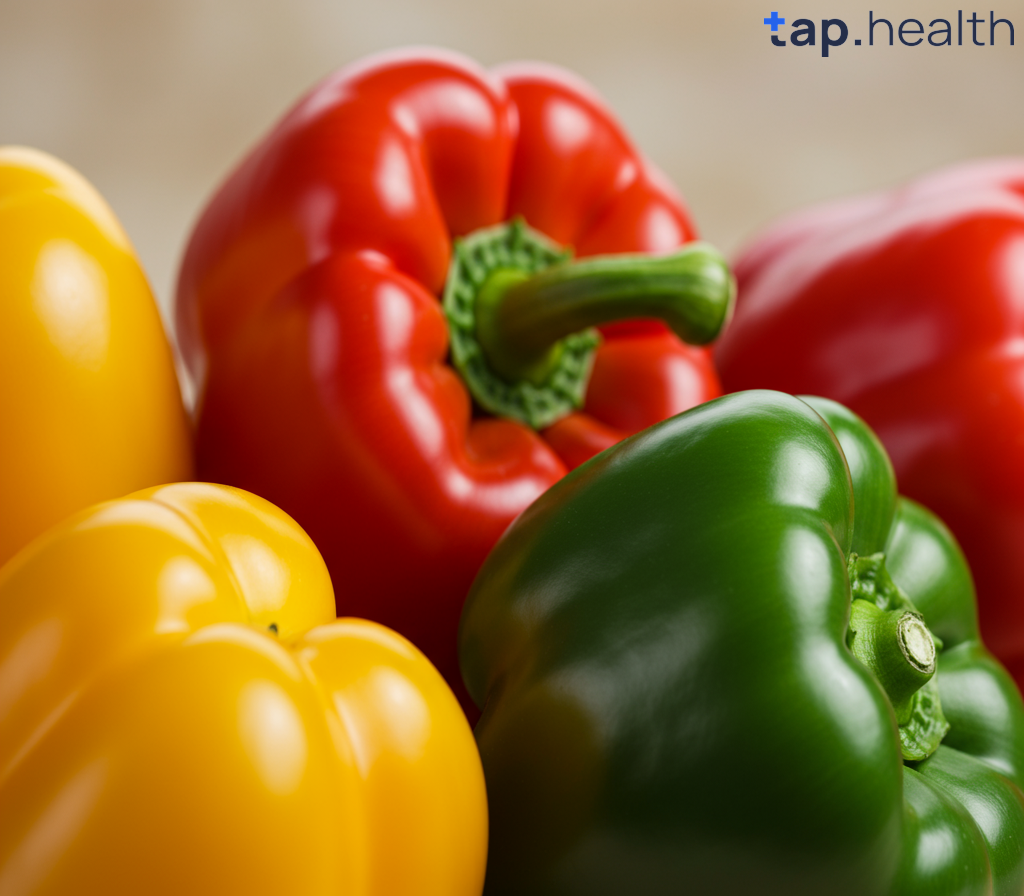
Bell peppers, also known as capsicum, are widely consumed vegetables in various cuisines across the globe. They come in different colours, including red, yellow, green, and orange, each with its own unique taste and nutritional profile. For those managing diabetes, bell peppers are often recommended due to their low glycemic index and rich nutrient content.
But, is bell pepper good for diabetic patients? This question often arises, especially for those seeking to make healthier food choices to maintain blood sugar levels. In this article, we’ll explore the health benefits of bell peppers for diabetic patients, their nutritional profile, and how they can be incorporated into a diabetic-friendly diet.
Nutritional Value of Bell Peppers
Bell peppers are not only tasty but also packed with essential nutrients that provide numerous health benefits, especially for those with diabetes. Below is the nutritional breakdown of bell peppers per 100 grams:
- Calories: 20-30 kcal
- Carbohydrates: 4.6 grams
- Dietary Fibre: 1.5 grams
- Protein: 0.9 grams
- Fat: 0.2 grams
- Vitamin C: 127.7 mg (over 200% of the recommended daily intake)
- Vitamin A: 3131 IU
- Folate: 46 mcg
- Potassium: 211 mg
- Magnesium: 12 mg
As you can see, bell peppers are low in calories and contain no cholesterol or unhealthy fats, making them a great addition to a diabetes-friendly diet. They are also a rich source of antioxidants, vitamins, and minerals, which support overall health.
Is Bell Pepper Good for Diabetic Patients?
Bell peppers are rich in vitamins, antioxidants, and fiber while being low in calories and carbohydrates, making them a healthy choice for people managing diabetes. Their high vitamin C content may also help improve blood sugar regulation and reduce inflammation.
Why Bell Peppers Are Good for Diabetic Patients
1. Low Glycemic Index (GI) and Blood Sugar Control
One of the primary concerns for people with diabetes is managing blood sugar levels. Foods with a low glycemic index (GI) are digested and absorbed more slowly, leading to a gradual rise in blood sugar levels. Bell peppers have a low GI, making them a suitable choice for diabetic patients. Unlike foods with a high GI, which cause rapid spikes in blood sugar, bell peppers help maintain stable blood glucose levels.
2. Rich in Vitamin C
Vitamin C is a powerful antioxidant that plays a crucial role in immune function and protecting cells from oxidative damage. For diabetics, high blood sugar levels can lead to increased oxidative stress, which can damage blood vessels and tissues. The high vitamin C content in bell peppers helps counteract this damage, reducing inflammation and supporting overall health.
Additionally, vitamin C plays a vital role in improving insulin sensitivity, which is especially beneficial for those with type 2 diabetes. Improved insulin sensitivity allows the body to use insulin more effectively, helping to control blood sugar levels.
3. High in Fibre
Fibre is an essential nutrient that aids in digestion and helps regulate blood sugar levels. Bell peppers contain both soluble and insoluble fibre. Soluble fibre helps slow down the absorption of glucose, preventing sharp spikes in blood sugar, while insoluble fibre promotes regular bowel movements and supports overall digestive health.
For diabetic patients, high-fibre foods like bell peppers are beneficial because they help manage blood sugar levels and reduce the risk of complications like constipation, which can sometimes arise from the side effects of diabetes medications.
4. Rich in Antioxidants
Bell peppers, especially the red variety, are packed with antioxidants such as carotenoids (including beta-carotene, lutein, and zeaxanthin). These antioxidants help protect cells from damage caused by free radicals, which are more prevalent in individuals with diabetes. By reducing oxidative stress, antioxidants from bell peppers can help reduce the risk of complications like heart disease, a condition commonly associated with diabetes.
5. Support for Heart Health
Diabetes is a major risk factor for heart disease. Bell peppers are low in fat, high in fibre, and rich in potassium, which helps manage blood pressure. Potassium plays a vital role in balancing sodium levels in the body and supporting normal heart function. By maintaining a healthy heart and reducing inflammation, bell peppers contribute to overall heart health, making them an excellent choice for people with diabetes.
How to Incorporate Bell Peppers into Your Diet
Bell peppers are versatile and easy to add to various meals. Here are a few ideas for incorporating bell peppers into your diabetes-friendly diet:
1. Raw as a Snack
One of the simplest ways to enjoy bell peppers is by eating them raw. You can slice them into strips or wedges and pair them with a healthy dip like hummus or a low-fat yogurt dip. Raw bell peppers are a crunchy, satisfying snack that won’t spike your blood sugar.
2. Salads
Add bell peppers to your salads for a burst of colour, texture, and nutrients. You can combine them with other vegetables like leafy greens, cucumbers, and tomatoes for a refreshing, fibre-rich meal. Dress with olive oil, lemon juice, and a sprinkle of herbs for added flavour.
3. Stir-fries
Bell peppers work well in stir-fries, where they can be combined with lean proteins like chicken, tofu, or fish, and other vegetables like broccoli, mushrooms, and onions. This makes for a quick and nutritious meal that’s perfect for people with diabetes.
4. Roasted or Grilled
Roasting or grilling bell peppers brings out their natural sweetness. Simply slice them, drizzle with a little olive oil, and roast or grill them until soft. You can enjoy them as a side dish or incorporate them into other dishes like pasta, grain bowls, or tacos.
5. Soups and Stews
Add chopped bell peppers to soups and stews for extra flavour and nutrition. They pair well with beans, lentils, and other vegetables, creating a hearty and filling dish that is also low in calories and high in fibre.
6. Stuffed Bell Peppers
Stuffed bell peppers are another delicious and filling option. You can stuff them with quinoa, brown rice, lean ground turkey, or plant-based protein, along with a variety of vegetables. This makes for a satisfying meal that is both nutritious and diabetes-friendly.
Potential Health Risks of Bell Peppers for Diabetic Patients
While bell peppers are generally safe for most people with diabetes, there are a few considerations to keep in mind:
1. Allergic Reactions
Although rare, some individuals may be allergic to bell peppers. If you experience symptoms like itching, swelling, or difficulty breathing after eating bell peppers, seek medical attention immediately.
2. Digestive Sensitivity
Some people with diabetes may have digestive issues or conditions like irritable bowel syndrome (IBS), which can cause bloating or discomfort after eating bell peppers. If you have a sensitive stomach, start with small portions and monitor how your body responds.
3. Oxalate Content
Bell peppers contain oxalates, compounds that can contribute to kidney stone formation in susceptible individuals. If you have a history of kidney stones, it may be helpful to consult your doctor or dietitian about how much bell pepper you can safely consume.
Real-Life Scenario
Consider a diabetic patient who includes bell peppers in their daily meals. Over time, they notice improved blood sugar stability compared to meals high in refined carbs. Including bell peppers in salads, stir-fries, or as a snack can provide both nutrition and taste without spiking glucose levels.
Expert Contribution
Nutritionists and endocrinologists often recommend bell peppers for diabetic patients due to their low glycemic index and high nutrient profile. Dr. Jane Smith, a certified diabetes educator, emphasizes that “bell peppers can be an excellent addition to a balanced diet for diabetics, providing essential vitamins and antioxidants with minimal impact on blood sugar.”
Recommendations Grounded in Proven Research and Facts
- Choose a variety of bell pepper colors—red, yellow, and green—to maximize antioxidant intake.
- Include them raw or lightly cooked to preserve vitamins.
- Monitor portion sizes in combination with other carbohydrate sources.
- Regularly consult a healthcare provider for personalized dietary advice.
Frequently Asked Questions (FAQ) on Is bell pepper good for diabetic patients?
1. Are bell peppers low in sugar?
Yes, bell peppers are very low in sugar, making them an excellent choice for people with diabetes. They have less than 5 grams of sugar per 100 grams, which is significantly lower than many other fruits and vegetables.
2. Can bell peppers help control blood sugar levels?
Yes, bell peppers can help manage blood sugar levels due to their low glycemic index, high fibre content, and rich antioxidant profile. They support healthy digestion and prevent spikes in blood glucose.
3. Which type of bell pepper is the healthiest for diabetics?
All types of bell peppers—green, red, yellow, and orange—are healthy for diabetics. However, red bell peppers are the most nutrient-dense, containing the highest levels of vitamin C and antioxidants.
4. Can I eat bell peppers every day if I have diabetes?
Yes, you can eat bell peppers every day as part of a balanced, diabetes-friendly diet. They are low in calories, high in nutrients, and provide numerous health benefits. Just ensure that you’re eating a variety of other vegetables as well.
5. How do bell peppers compare to other vegetables for diabetes?
Bell peppers are among the best vegetables for diabetes because they are low in calories, high in fibre, and rich in vitamins and antioxidants. Compared to starchy vegetables like potatoes or corn, bell peppers are a healthier choice for managing blood sugar.
Conclusion
Bell peppers are not only delicious but also incredibly nutritious and beneficial for people with diabetes. Their low glycemic index, high fibre content, and rich vitamin and antioxidant profile make them an excellent choice for managing blood sugar levels and supporting overall health. Whether eaten raw, roasted, grilled, or added to salads and stir-fries, bell peppers are a versatile and diabetes-friendly vegetable that can be enjoyed in a variety of meals.
By including bell peppers in your diet, you’re adding a low-calorie, high-nutrient food that can help prevent blood sugar spikes, reduce inflammation, and support your heart and digestive health. As with any dietary change, it’s always best to consult your doctor or dietitian, especially if you have any concerns or specific health conditions.