tap.health logo
  • Diabetes Management
  • Health Assistant
  • About Us
  • Blog
  • Contact Us
Get Plan
  • Diabetes Management
  • Health Assistant
  • About Us
  • Blog
  • Contact Us
  • All Blogs
  • Diabetes
  • Is Black Rice Good for Diabetics? Benefits, GI, and Best Way to Eat

Is Black Rice Good for Diabetics? Benefits, GI, and Best Way to Eat

Diabetes
March 7, 2026
• 10 min read
Yasaswini Vajupeyajula
Written by
Yasaswini Vajupeyajula
Kazima Qureshi
Reviewed by:
Kazima Qureshi
ChatGPT Perplexity WhatsApp LinkedIn X Grok Google AI
Is Black Rice Good for Diabetics? Benefits, GI, and Best Way to Eat

If you grew up in an Indian household, rice is probably more than just food to you. It is a staple, a comfort, and a daily habit. But when a diabetes diagnosis enters the picture, this beloved grain is usually the first thing your doctor tells you to cut back on.

White rice is notorious for causing rapid spikes in blood sugar. This leaves many people feeling deprived and constantly searching for a safe alternative. You might have tried brown rice or quinoa, but recently, a much darker, richer grain has been making waves in the health community: black rice.

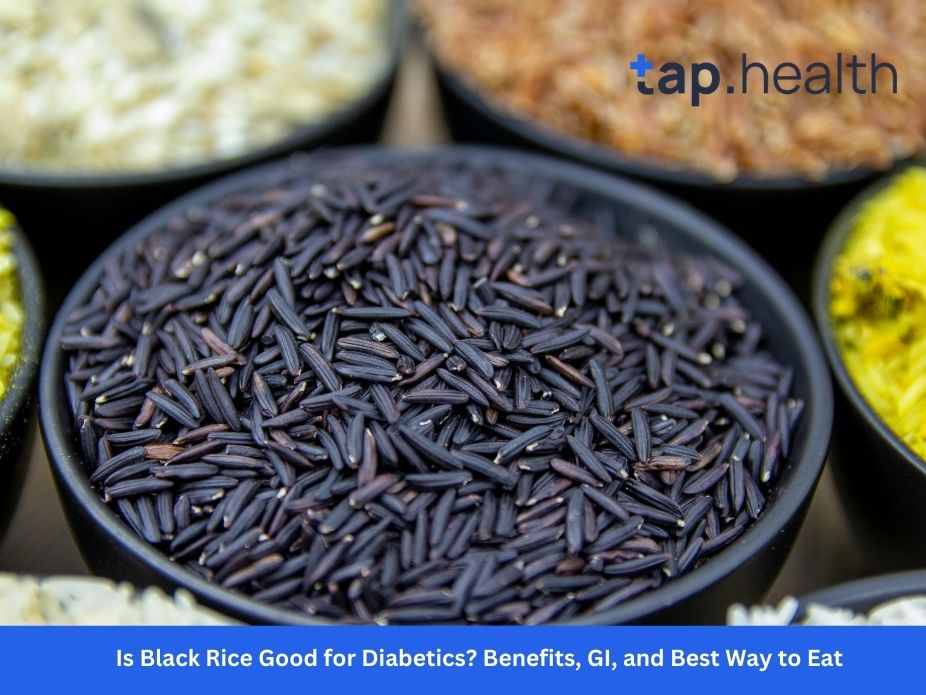
Also known locally as kala chawal, this deep purple grain is being hailed as a superfood. But the most important question remains: is black rice good for diabetics?

Managing your blood sugar does not mean you have to give up rice entirely. It simply means you need to choose your grains wisely and understand how they work inside your body. In this comprehensive guide, we will explore everything you need to know about black rice. We will look at its nutritional profile, its impact on your glucometer, and the smartest ways to include it in your daily meals without risking a sugar spike.

Short Answer – Can People with Diabetes Eat Black Rice?

Yes, people with diabetes can absolutely eat black rice. In fact, it is one of the smartest grain choices you can make.

Black rice has a much lower Glycaemic Index (GI) than standard white rice. Because it is an unrefined whole grain, it is packed with dietary fibre and protein. This combination forces your digestive system to work harder, releasing glucose into your bloodstream at a slow, steady pace rather than a sudden rush.

However, it is still a carbohydrate-rich food. Eating unlimited amounts will raise your blood sugar. The secret to enjoying black rice safely lies in strict portion control and pairing it properly with other foods.

What Is Black Rice? (Kala Chawal Explained)

Before we dig into the science, let us understand what this unique grain actually is.

Historically, black rice was known as “Forbidden Rice” in ancient China. It was so highly valued for its health benefits that it was strictly reserved for the Chinese emperors. Today, it is widely grown in parts of India, particularly in Manipur and Assam, where it is known as Chak-Hao.

Black rice gets its dark, almost pitch-black colour from a pigment called anthocyanin. This is the exact same powerful antioxidant that gives blueberries and blackberries their deep purple hues. Unlike white rice, which is heavily milled and polished, black rice retains its outer bran layer and germ. This means all the natural vitamins, minerals, and fibres are left completely intact.

Nutritional Profile of Black Rice (What Matters for Diabetes)

To understand why black rice is a better choice for your blood sugar, we have to look at what is inside a standard serving. Here is a breakdown of what a 100-gram serving of cooked black rice typically offers:

  • Carbohydrates: Roughly 34 grams. It is a carbohydrate source, which is why portion control is essential.
  • Fibre: About 2 to 3 grams. This is significantly higher than white rice, which has almost zero fibre.
  • Protein: Around 4 to 5 grams. Protein helps stabilise blood sugar and keeps you feeling full.
  • Antioxidants (Anthocyanins): Extremely high. This is the standout feature that fights internal inflammation.
  • Calories: Roughly 160 kcal. It provides dense, sustained energy without empty calories.

For a person with diabetes, the standout stars here are the high fibre and the anthocyanins. They work together to change how your body processes the carbohydrates.

Glycaemic Index and Glycaemic Load of Black Rice

If you are managing diabetes, you are probably familiar with the Glycaemic Index (GI). This is a scale from 0 to 100 that measures how quickly a food turns into sugar in your blood.

The GI of black rice is typically between 42 and 50. This places it firmly in the “Low GI” category. In contrast, standard white rice often has a GI of 70 or higher, making it a “High GI” food. The lower the GI, the slower the sugar enters your system.

However, GI is only half the story. You must also consider the Glycaemic Load (GL).

While GI tells you how fast the sugar enters your blood, GL tells you how much sugar is entering based on your portion size. If you eat a massive bowl of low-GI black rice, the overall Glycaemic Load will still be very high, and your blood sugar will still spike. This is why keeping an eye on your portion size matters more than the GI score alone.

Does Black Rice Raise Blood Sugar in Diabetics?

Yes, black rice will raise your blood sugar. Any food that contains carbohydrates will eventually be broken down into glucose.

The difference lies in the type of spike. When you eat white rice, the lack of fibre means your stomach digests it instantly. Your blood sugar shoots straight up like a rocket. This forces your pancreas to panic and pump out massive amounts of insulin.

When you eat black rice, the tough bran layer and the high fibre act like a speed bump. Your stomach has to work harder to break it down. Instead of a sudden rocket spike, your blood sugar experiences a gentle, rolling hill. This slow release is much easier for a diabetic body to handle.

Furthermore, how much it raises your sugar depends heavily on meal pairing. If you eat a bowl of plain black rice, it will raise your sugar more than if you eat half a bowl of black rice paired with a large serving of dal and a side salad.

Benefits of Black Rice for People with Diabetes

Swapping your regular rice for kala chawal offers a host of metabolic benefits beyond just basic blood sugar control.

Higher Fibre for Slower Glucose Absorption

Dietary fibre is a diabetic’s best friend. Because the human body cannot fully digest fibre, it passes through the gut largely intact. As it moves through, it forms a gel-like substance that physically traps sugar molecules, preventing them from being absorbed into the blood too quickly.

Antioxidants (Anthocyanins) and Anti-Inflammatory Support

Type 2 diabetes is often accompanied by chronic, low-grade inflammation in the body. This inflammation worsens insulin resistance. The anthocyanins in black rice are potent antioxidants that neutralise harmful free radicals. By reducing internal inflammation, these antioxidants can actually help your cells become more sensitive and responsive to insulin over time.

Better Satiety and Weight Management Support

Losing excess belly fat is one of the most effective ways to manage Type 2 diabetes. Because black rice is dense and chewy, it requires more effort to eat. The combination of protein and fibre keeps your stomach feeling full for hours. This stops the mid-afternoon hunger pangs and reduces the urge to snack on unhealthy sweets.

Heart Health Support

People with diabetes are at a significantly higher risk of developing heart disease and high blood pressure. Black rice is naturally free of cholesterol and sodium. Moreover, the specific antioxidants found in its dark pigment have been shown to help lower LDL (bad) cholesterol and prevent the buildup of plaque in your arteries.

Black Rice vs Brown Rice vs White Rice for Diabetes

If you are standing in the supermarket aisle trying to choose, how do these three grains compare?

  • White Rice: The worst option for diabetes. It is highly refined, stripped of its fibre and nutrients, and causes rapid blood sugar spikes.
  • Brown Rice: A solid, healthy choice. It retains its bran and germ, offering good fibre and a medium GI score (around 55 to 60).
  • Black Rice: The ultimate winner. It has a lower GI than brown rice (around 42 to 50), slightly more protein, and a massive dose of antioxidants that brown rice simply does not have.

While brown rice is a great everyday upgrade, black rice offers superior metabolic and heart health benefits for those willing to make the switch.

How Much Black Rice Can a Diabetic Eat? (Portion Guidance)

Even though black rice is a superfood, it is not a “free” food. You cannot eat it in unlimited quantities.

A safe portion for most people with diabetes is about half a katori (small bowl) to one katori of cooked black rice per meal. This roughly equates to 50 to 75 grams of cooked rice.

It is best to include it in your diet 2 to 3 times a week, rather than eating it for lunch and dinner every single day. The best way to know your exact limit is to check your blood sugar with a glucometer exactly two hours after eating a measured portion. If your reading is within your target range, that portion size works for your unique metabolism.

Best Way to Eat Black Rice for Diabetics

Cooking and serving black rice correctly can make a huge difference in how your body handles the carbohydrates.

Cooked and Cooled Rice Method (Resistant Starch Tip)

Here is a brilliant, science-backed hack. Cook your black rice the night before you plan to eat it. Place it in the fridge overnight to chill completely. The cooling process changes the structure of the rice, forming “resistant starch.” Resistant starch acts exactly like fibre—it resists digestion and significantly lowers the overall blood sugar impact of the meal. You can gently reheat it the next day before eating.

Pair with Protein (Dal, Eggs, Paneer, Fish)

Never eat a bowl of rice on its own. Always pair your black rice with a high-quality protein source. Protein takes a long time to digest. When eaten alongside carbohydrates, it acts as an anchor, further slowing down the release of glucose. Enjoy your kala chawal with a thick bowl of moong dal, grilled fish, or a paneer scramble.

Add Fibre (Vegetables, Salad)

Before you take your first bite of rice, eat a plate of fresh cucumber, tomato, and leafy green salad. The fibre from the raw vegetables coats your stomach lining. By the time the black rice enters your stomach, the vegetable fibre barrier will slow down the carb absorption drastically.

Avoid Black Rice Desserts and Sweet Add-ons

In some cultures, black rice is boiled with coconut milk and jaggery to make a sweet pudding or kheer. For a person with diabetes, this is a dangerous combination. Adding jaggery, honey, or white sugar completely destroys the low-GI benefits of the grain. Keep your black rice dishes savoury.

When Black Rice May Not Be Ideal

While generally safe, there are a few scenarios where you might need to limit or avoid this grain.

If your diabetes is highly uncontrolled (for example, an HbA1c over 9%), your body is currently struggling to process even complex carbohydrates. In this phase, your doctor might advise you to avoid all grains temporarily until your baseline sugars stabilise.

If you have chronic kidney disease (Diabetic Nephropathy), you need to be cautious. Whole grains like black and brown rice contain higher levels of phosphorus and potassium than white rice. If your nephrologist has put you on a restricted kidney diet, you must consult them before eating black rice.

Lastly, because it is so high in fibre, eating a large amount suddenly can cause bloating, gas, or stomach cramps. Introduce it to your diet slowly.

Black Rice for Type 2 vs Type 1 Diabetes (Any Difference?)

The way this grain affects you depends on the type of diabetes you manage.

For Type 2 Diabetes, black rice is an excellent tool. It directly helps combat insulin resistance, aids in weight loss, and prevents the extreme sugar rushes that exhaust an already tired pancreas.

For Type 1 Diabetes, the rules are slightly different. People with Type 1 do not produce insulin and must inject it based on the total carbohydrates they eat. A katori of black rice has roughly the same total carbohydrates as a katori of white rice. You must still count the carbs accurately to calculate your insulin dose. However, because black rice digests so slowly, it might require a split insulin dose to prevent a delayed sugar spike hours after the meal.

Common Myths About Black Rice and Diabetes

Let us clear up some of the most common misunderstandings floating around the internet.

Myth: “Black rice is completely sugar-free and carb-free.” Fact: It is a grain, and all grains contain carbohydrates. It is not carb-free. It just digests slower than refined grains.

Myth: “Because it is healthy, I can eat an unlimited amount.” Fact: Healthy calories are still calories. Overeating black rice will lead to weight gain and high blood sugar. Portion control is mandatory.

Myth: “Eating black rice will cure my diabetes.” Fact: There is no single food that cures diabetes. Black rice is a fantastic management tool, but it must be part of a broader lifestyle that includes exercise, proper sleep, and medical care.


Real-Life Scenario

Meet Mr. Sharma, a 55-year-old bank manager from Delhi. He had been living with Type 2 diabetes for five years. His biggest struggle was giving up his daily lunchtime rice. Whenever he ate white rice, his post-meal blood sugar would shoot up past 200 mg/dL, leaving him feeling lethargic all afternoon.

A dietitian suggested he try black rice instead. Hesitant but desperate, Mr. Sharma bought a packet. He started by cooking a small portion, chilling it in the fridge overnight to build resistant starch, and reheating it for lunch the next day.

He made sure to eat a large cucumber salad first, followed by a bowl of protein-rich dal, and finally, half a katori of his black rice.

Two hours later, he checked his glucometer. Instead of hitting 200 mg/dL, his reading was a highly stable 145 mg/dL. He also noticed that he didn’t feel sleepy at his desk that afternoon. By changing the quality of his grain and tweaking his meal sequence, Mr. Sharma found a way to enjoy his beloved rice without harming his health.


Expert Contribution

We reached out to a senior clinical nutritionist specialising in metabolic disorders to understand why this grain is so effective.

“The real magic of black rice lies in its deep purple pigment,” she explains. “Those anthocyanins do more than just look pretty. When a diabetic patient experiences a blood sugar spike, it causes massive oxidative stress, literally rusting the cells from the inside.

The antioxidants in black rice act like a fire extinguisher, putting out that cellular inflammation. Furthermore, the tough outer bran of the grain demands vigorous digestion. It forces the gut to work slowly. I constantly advise my patients that if they must eat rice, they should always choose a grain that makes their digestive system work hard for the calories. Black rice does exactly that.”


Recommendations Grounded in Proven Research and Facts

The medical community strongly backs the shift from refined grains to whole grains for diabetes management.

According to a study published in the National Institutes of Health (NIH), substituting white rice with whole grains like black or brown rice significantly lowers the risk of developing Type 2 diabetes. The research highlights that the intact bran layer delays gastric emptying, which directly improves postprandial (post-meal) glycaemic control.

Furthermore, guidelines from the American Diabetes Association (ADA) emphasise that individuals with diabetes should prioritise carbohydrates that are rich in dietary fibre. Black rice fits this medical recommendation perfectly, providing both the required roughage and a low glycaemic index profile necessary for stable daily blood sugars.


Conclusion / Key Takeaways

So, is black rice good for diabetics? The verdict is highly positive.

When managed correctly, it is a nutritional powerhouse that leaves traditional white rice far behind.

  • Low GI: It releases sugar slowly, preventing dangerous spikes.
  • High Fibre: It keeps your gut healthy and makes you feel full longer.
  • Antioxidant Rich: It protects your heart and reduces cellular inflammation.
  • Portion Control is Key: Limit your serving to half or one small katori per meal.
  • Meal Pairing: Always eat it alongside raw vegetables and a strong protein source.

If you are tired of plain rotis and miss having rice on your plate, kala chawal is a delicious, earthy, and incredibly safe alternative. Make the swap, watch your portions, and let your glucometer show you the results.


Frequently Asked Questions on Is Black Rice Good for Diabetics?

Can diabetic patients eat black rice?

Yes, diabetic patients can safely eat black rice. It has a low Glycaemic Index (around 42 to 50) and is rich in dietary fibre, which helps prevent the rapid blood sugar spikes typically caused by eating refined white rice.

What is the best rice for diabetics to eat?

The best rice options for diabetics are unrefined whole grains like black rice, red rice, or brown rice. Among these, black rice is often considered superior due to its slightly lower glycaemic index and massive concentration of anti-inflammatory antioxidants.

Does black rice have a lot of sugar?

Black rice does not contain simple, refined sugar. It is, however, a complex carbohydrate. While these carbohydrates eventually break down into glucose in your body, the high fibre content in black rice ensures this process is slow and steady, making it safe when eaten in moderation.

Which is better for diabetics, black or brown rice?

Both are excellent, healthy choices compared to white rice. However, black rice is generally considered slightly better for diabetics. It contains more protein, a lower glycaemic index, and a significantly higher amount of anthocyanin antioxidants than brown rice.


References

  • WebMD: Black Rice: Health Benefits, Nutrition, and Uses
  • National Institutes of Health (NIH) PMC: Substituting white rice with brown and black rice as an alternative to prevent diabetes mellitus type 2
  • Healthline: 11 Surprising Benefits and Uses of Black Rice
  • American Diabetes Association: Understanding Carbohydrates and Whole Grains
Tags
diabetes prevention foot health diabetes and sleep fasting blood sugar diabetes misconceptions diabetes medicine safety diabetic neuropathy symptoms diabetic foot ulcer warning signs can diabetics eat mango diabetes itching urinary infection diabetes diabetes slow wound healing metformin side effects diabetes numbness in hands banana for diabetes dates blood sugar jaggery for diabetes is poha good for diabetes guava blood sugar India diabetes pregnancy blood sugar targets diabetes medicine India blood sugar vs blood pressure LADA diabetes symptoms ED in diabetic men how to store insulin cataract surgery diabetes diabetes cholesterol levels Ramadan diabetes medicine timing walking after meals diabetes flu vaccine diabetes diabetes food cravings whey protein diabetes diabetes thirst fluids skipping breakfast diabetes diabetes and blurred vision breathlessness diabetes diabetes nausea causes dry mouth high blood sugar diabetes and shoulder pain diabetes and palpitations diabetes symptoms and tests diabetes and hand tremors causes A1C gestational diabetes poor sleep blood sugar HbA1c diabetes symptoms in women diabetes medicines diabetes nerve damage diabetes and blood pressure mango and diabetes dark patches diabetes diabetes stomach problems diabetes wounds metformin safety diabetes tingling hands banana blood sugar papaya for diabetes is jaggery good for diabetes poha blood sugar orange for diabetes sugar spike after rice postpartum diabetes risk type 1 vs type 2 diabetes diabetes vs high cholesterol latent autoimmune diabetes in adults diabetes and menopause insulin storage at home diabetes and muscle loss diabetes triglycerides diabetes and shift work diabetes and smoking GLP-1 diabetes medicines sugar cravings diabetes protein powder kidney diabetes diabetes diarrhoea vomiting diabetes breakfast skipping diabetic eye symptoms high sugar breathing problems diabetes and vomiting diabetes mouth symptoms diabetes frozen shoulder racing heart low sugar diabetes and tingling feet diabetes and appetite loss Medicine blood sugar pregnancy diabetes sleep and diabetes diabetes in India women diabetes signs diabetes treatment advice tingling feet diabetes high blood pressure diabetes mango sugar diabetes walking after meals for diabetes diabetic gastroparesis diabetic wound care diabetes ketoacidosis warning signs diabetic neuropathy hands coconut water and diabetes is papaya good for diabetes gur for diabetes sprouts for diabetes can diabetics eat oranges Indian diet diabetes diabetes after pregnancy type 1 and type 2 diabetes difference lipid profile diabetes diabetes vs MODY menopause blood sugar insulin fridge temperature diabetes muscle weakness diabetes and high blood pressure night shift diabetes smoking diabetes risk GLP-1 weight loss diabetes diabetes hunger cravings CGM skin irritation diabetes diabetes sick day vomiting morning sugar skipping breakfast diabetes and sweating diabetes and shaking vomiting with diabetes diabetes and itchy skin shoulder stiffness diabetes heart pounding diabetes diabetes and tingling feet causes diabetes and appetite loss causes Health fasting glucose blood sugar pregnancy diabetes and stress diabetes risk factors India diabetes risk women Indian diabetic diet chart diabetes eye disease diabetes heart kidney risk diabetes reversal vs remission post meal walk diabetes diabetes bloating nausea diabetes yeast infection DKA symptoms fasting with diabetes coconut water for diabetes papaya blood sugar watermelon for diabetes are sprouts good for diabetes orange blood sugar glucose spike symptoms gestational diabetes India difference between type 1 and type 2 diabetes diabetes vs neuropathy MODY diabetes symptoms type 2 diabetes menopause glucometer errors sarcopenia diabetes diabetes hypertension diabetes meal timing shift work diabetes quit smoking semaglutide diabetes diabetes and fever CGM sensor rash diabetes loose motions late dinner diabetes sweating low blood sugar tremors low blood sugar diabetes and cold feet itching high blood sugar diabetes and loss of appetite diabetes and muscle weakness diabetes and sweaty feet diabetes and burning feet Lifestyle A1C test low blood sugar stress blood sugar diabetes prevention India diabetes symptoms in men diabetic meal plan diabetic eye test borderline HbA1c diabetes remission walking lowers blood sugar diabetes sick day rules diabetes fungal infection ketones diabetes diabetes fasting safety can diabetics drink coconut water oats for diabetes can diabetics eat watermelon sprouts blood sugar brown bread for diabetes post meal blood sugar continuous glucose monitor India diabetes vs diabetes insipidus diabetes vs heart disease maturity onset diabetes of the young diabetes and frozen shoulder wrong blood sugar reading diabetes and anaemia BP in diabetes diabetes and vitamin D diabetes neuropathy pain relief diabetes and migraine best shoes for diabetic feet diabetes adhesive allergy CGM diabetes and kidney stones diabetes dinner timing diabetes and leg cramps shaky feeling diabetes cold feet diabetes diabetes fungal itching loss appetite diabetes weakness high blood sugar diabetes and sweaty feet causes diabetes and burning feet causes Home remedies diabetes diet hypoglycemia cortisol diabetes best fruits for diabetes men diabetes signs HbA1c test high protein breakfast for diabetes HbA1c 5.7 to 6.4 reverse type 2 diabetes diabetes grocery list India diabetes during illness diabetes vaginal itching diabetes blurry vision can diabetics fast curd for diabetes oatmeal diabetes watermelon blood sugar methi seeds for diabetes bread for diabetes insulin resistance symptoms CGM cost India diabetes mellitus vs diabetes insipidus diabetes heart disease risk continuous glucose monitor diabetes frozen shoulder diabetes reactive hypoglycaemia anaemia diabetes HbA1c diabetes and liver enzymes vitamin D deficiency diabetes diabetic neuropathy burning feet diabetes headache triggers diabetic socks foot ulcer prevention diabetes monsoon care kidney stones diabetes night sugar late dinner leg cramps diabetes diabetes and periods diabetes poor circulation feet diabetes and swollen ankles diabetes not feeling hungry diabetes leg weakness diabetes and neck pain diabetes and slow digestion Fitness balanced meals diabetes safety diabetes eye care diabetes fruits diabetes risk men HbA1c normal range diabetes breakfast India prediabetes HbA1c diabetes plate method diabetic food list India blood sugar fever infection diabetes night sweats high blood sugar blurry vision insulin injection sites is curd good for diabetes are oats good for diabetes apple for diabetes fenugreek for diabetes whole wheat bread diabetes diabetes blood pressure time in range diabetes insipidus symptoms diabetes and heart attack CGM diabetes diabetic shoulder pain low blood sugar after eating low haemoglobin diabetes high SGPT diabetes vitamin D insulin resistance diabetes gastroparesis blood sugar migraine diabetes and driving diabetes rainy season foot infection diabetes urine pain diabetes medicine timing diabetes muscle cramps periods affect blood sugar hair loss diabetes ankle swelling diabetes diabetes and restless legs diabetes and memory problems diabetes and neck pain causes diabetes and slow digestion causes Prevention healthy eating diabetes heart health diabetic retinopathy fruit and blood sugar type 1 diabetes how to lower HbA1c diabetic breakfast ideas post-meal blood sugar Indian diabetes plate foods for diabetes shopping diabetes and alcohol low blood sugar at night diabetes excessive thirst insulin site rotation diabetes curd milk for diabetes can diabetics eat apple methi diabetes avocado for diabetes diabetes heart risk glucometer accuracy diabetes vs metabolic syndrome gestational diabetes vs type 2 diabetes continuous glucose monitoring metformin vitamin B12 deficiency postprandial hypoglycaemia diabetes and uric acid SGOT SGPT diabetes diabetes and magnesium diabetic gastroparesis symptoms diabetes and thyroid medication driving with diabetes monsoon diabetes tips diabetes foot nail care diabetes medicine before or after food diabetes and frequent infections menstrual cycle diabetes diabetes hair fall causes diabetes leg swelling causes restless leg syndrome diabetes diabetes brain fog diabetes and chest pain Hygiene why diabetes is considered as a lifestyle disease blood pressure diabetes eye test rice and diabetes type 1 diabetes symptoms fasting sugar normal range PCOS and diabetes blood sugar after food diabetes portion control diabetes kidney tests alcohol blood sugar diabetes diabetes sweating at night diabetes dry mouth insulin lumps tea and coffee in diabetes can diabetics drink milk apple blood sugar cinnamon for diabetes is avocado good for diabetes ABC diabetes diabetes technology metabolic syndrome and diabetes pregnancy diabetes and type 2 diabetes steroid induced diabetes metformin B12 symptoms type 3c diabetes high uric acid diabetes diabetes and dental health magnesium deficiency diabetes delayed stomach emptying diabetes levothyroxine diabetes low blood sugar driving diabetes and antibiotics diabetic nail cutting missed diabetes medicine dose recurrent infections diabetes time in range diabetes diabetes wounds not healing diabetes and headache diabetes leg discomfort night memory loss blood sugar diabetes and chest pain causes Ailments lifestyle diabetes cholesterol diabetes kidney care can diabetics eat rice insulin diabetes high fasting blood sugar PCOS insulin resistance postprandial glucose low glycaemic index foods for diabetes urine albumin diabetes can diabetics drink alcohol diabetes headache frequent urination diabetes diabetes weight gain coffee diabetes best milk for diabetes eggs for diabetes cinnamon blood sugar avocado blood sugar kidney risk diabetes CGM vs glucometer India metabolic syndrome symptoms gestational diabetes future risk steroid diabetes symptoms vitamin B12 test metformin pancreatogenic diabetes diabetes gout risk tooth infection diabetes magnesium insulin sensitivity diabetes and UTI thyroid medicine blood sugar diabetes in older adults antibiotics blood sugar diabetes diabetes fungal nail infection diabetes airport travel diabetes infection symptoms CGM time in range diabetes and increased appetite headache low blood sugar fever high blood sugar diabetes and skin discolouration diabetes and cough Hindi type 2 diabetes lifestyle disease living with diabetes diabetic kidney disease diabetes diet India prediabetes diet reverse prediabetes naturally PCOS diabetes risk dawn phenomenon diabetes low GI foods India eGFR diabetes diabetes and dizziness high blood sugar headache diabetes fatigue diabetes and weight gain tea diabetes peanuts for diabetes are eggs good for diabetes dalchini for diabetes travelling with diabetes diabetes footwear diabetes reversal myths diabetes vs thyroid diabetes vs anaemia steroids high blood sugar diabetes distress diabetes caused by pancreas disease diabetes and PCOS diabetes and skin infections protein intake diabetes urinary tract infection diabetes diabetes fatigue after eating elderly diabetes care infection treatment diabetes antibiotics CGM vs glucometer insulin airport security dizziness low blood sugar time in range targets constant hunger diabetes high sugar headache sick day diabetes yellow skin diabetes diabetes and cough causes skin diseases exercise and diabetes diabetes habits kidney tests diabetes morning blood sugar prediabetes food prediabetes reversal gestational diabetes diet Indian morning sugar high diabetes low GI diet diabetes and dental problems dizziness diabetes low blood sugar headache diabetes tiredness insulin weight gain roti for diabetes are peanuts good for diabetes egg diabetes amla for diabetes diabetes travel checklist blurred vision diabetes HbA1c remission diabetes and thyroid disease diabetes fatigue or anaemia diabetes and hair loss diabetes burnout diabetes and bone health PCOS insulin resistance diabetes boils diabetes diabetes protein diet diabetes women's sexual health sleepy after meals diabetes diabetes low sugar older adults diabetes workplace health CGM vs finger prick diabetes travel documents dizziness high blood sugar millets for diabetes diabetes hunger causes diabetes and bladder problems diabetes and daytime sleepiness diabetes and night urination diabetes and snoring acne vulgaris symptoms blood sugar control diabetes management high blood sugar symptoms fasting sugar high lower diabetes risk how to prevent type 2 diabetes pregnancy diabetes diet high fasting sugar in morning diabetes and fatty liver diabetes gum disease low sugar dizziness blood sugar monitoring at home high blood sugar tiredness diabetes swollen feet best roti for diabetes peanuts blood sugar paneer for diabetes amla juice diabetes insulin travel storage fundus exam diabetes remission vs reversal thyroid blood sugar anaemia diabetes symptoms diabetes hair loss causes diabetes burnout symptoms diabetes osteoporosis diabetes and sleep apnoea diabetes and travel protein foods for diabetes diabetes vaginal dryness post meal sugar spike tiredness diabetes blood tests diabetes desk job diabetes CGM accuracy night hypoglycaemia symptoms diabetes and skin tags ragi jowar bajra diabetes diabetes and morning constipation diabetes urinary symptoms diabetes fatigue sleepiness urinating at night diabetes diabetes and snoring causes AI Search physical activity insulin resistance hyperglycemia symptoms dawn phenomenon diabetes and weight loss insulin resistance diet gestational diabetes meal plan diabetes and cholesterol fatty liver diabetes dry mouth diabetes diabetes leg pain when to check blood sugar diabetes constipation swollen feet diabetes chapati diabetes sweet potato for diabetes is paneer good for diabetes amla blood sugar diabetes hot weather eye care diabetes vildagliptin diabetes vs PCOS diabetes vs Cushing syndrome hair fall in diabetes diabetes depression anxiety diabetes fracture risk sleep apnea diabetes travel with diabetes diabetes and fibre diabetes sexual problems women diabetes meal timing diabetes test list office snacks diabetes early signs of insulin resistance diabetes low sugar during sleep dark neck insulin resistance best millet for blood sugar constipation diabetes morning diabetes and body odour diabetes and bloating nocturia diabetes diabetes and morning fatigue type 2 diabetes diabetes foot care insulin sensitivity diabetes warning signs diabetes myths weight loss diabetes Indian foods for insulin resistance diabetic foot ulcer diabetes lipid profile insulin resistance fatty liver diabetes urine infection diabetic leg cramps blood glucose monitoring diabetes and constipation diabetes foot swelling can diabetics eat dates can diabetics eat sweet potato paneer diabetes guava for diabetes diabetes dehydration diabetic retinopathy symptoms vildagliptin benefits in type 2 diabetes patients diabetes vs hypertension Cushing syndrome blood sugar diabetes and erectile dysfunction diabetes and depression diabetes and cataracts snoring diabetes insulin resistance diabetes Ramadan fasting fibre foods for diabetes diabetes and vaccines best time to eat for diabetes blood tests for diabetes checkup diabetes and dehydration insulin resistance tests constipation in diabetes acanthosis nigricans diabetes diabetes and nausea morning bowel movement diabetes diabetes smell sweat bloating with diabetes diabetes and numbness in hands diabetes and morning fatigue causes prediabetes diabetic foot type 2 diabetes risk normal blood sugar levels diabetes facts insulin resistance weight loss improve insulin sensitivity diabetes foot wound cholesterol in diabetes diabetes skin problems frequent UTI diabetes diabetes nerve pain legs metformin for diabetes constipation diabetes can diabetics eat banana dates for diabetes sweet potato blood sugar poha for diabetes can diabetics eat guava heat and blood sugar GDM screening DPP-4 inhibitor diabetes and hypertension diabetes vs LADA erectile dysfunction diabetes diabetes anxiety symptoms diabetic cataract symptoms diabetes and high cholesterol diabetes fasting Ramadan soluble fibre blood sugar vaccines for diabetes late night eating diabetes protein powder diabetes dehydration blood sugar walk after dinner blood sugar diabetes constipation relief diabetes and shortness of breath nausea with diabetes diabetes and dry mouth fruity breath diabetes diabetes stomach gas diabetes and numbness in hands causes diabetes and hand tremors
More blogs
Kazima Qureshi
Kazima Qureshi
• July 17, 2026
• 19 min read

Diabetes and Hand Tremors: Low Sugar, Medicines, Anxiety, and What to Do

A detailed, research-based guide to diabetes and hand tremors, including causes, tests, safe care, and warning signs.

Diabetes
Is Black Rice Good for Diabetics? Benefits, GI, and Best Way to Eat
K. Siva Jyothi
K. Siva Jyothi
• July 17, 2026
• 19 min read

Diabetes and Morning Fatigue: Sleep, High Sugar, Anaemia, Thyroid, and Tests

A detailed, research-based guide to diabetes and morning fatigue, including causes, tests, safe care, and warning signs.

Diabetes
Is Black Rice Good for Diabetics? Benefits, GI, and Best Way to Eat
Isha Yadav
Isha Yadav
• July 17, 2026
• 19 min read

Diabetes and Snoring: Sleep Apnoea, Weight, Blood Sugar, and Testing

A detailed, research-based guide to diabetes and snoring, including causes, tests, safe care, and warning signs.

Diabetes
Is Black Rice Good for Diabetics? Benefits, GI, and Best Way to Eat
Do you remember your last sugar reading?
Log and Track your glucose on the Tap Health App
All logs in one place
Smart trend graphs
Medicine Reminder
100% Ad Free
Start Now

Missed your diabetes meds

again? Not anymore.

Get medicine reminders on your phone.

✓ Glucose diary and Insights
✓ Smart Nudges
✓ All logs at one place
✓ 100% Ad free
Start for free
tap health
tap.health logo
copyright © 2025
2nd Floor,Plot No 4, Minarch Tower,
Sector 44,Gurugram, 122003,
Haryana, India
  • About Us
  • Blog
  • Doctor login
  • Contact Us
  • Privacy Policy
  • Return / Shipping Policy
  • Terms and Conditions
Get Your Free AI Diabetes Coach