For many of us, the day simply does not begin until we have had our morning cup of tea. In India, tea is more than just a beverage; it is an emotion, a comforting ritual, and a way to welcome guests. However, when you are diagnosed with diabetes, everything you eat and drink comes under a microscope.
Suddenly, your favourite morning habit becomes a source of worry. You know that sugary milk tea is off the menu, but what about plain black tea? You might be asking yourself, is black tea good for diabetics? Will it raise your blood sugar, or could it actually help you manage your condition?
Managing diabetes does not mean you have to give up everything you love. It simply means you need to make smarter, more informed choices. The good news is that unsweetened black tea is not just safe; it is actually packed with health benefits that can support your diabetes management journey.
In this comprehensive guide, we will break down exactly how black tea affects your blood sugar. We will look at its nutritional profile, compare it to green tea, and explore the absolute best ways to brew a cup that protects your health.
Can People with Diabetes Drink Black Tea Daily?
The short answer is a resounding yes. People with diabetes can absolutely drink black tea every single day.
When consumed without added sugar or heavy milk, black tea is a zero-calorie, zero-carbohydrate beverage. Because it contains no carbohydrates, it does not cause your blood sugar to spike. In fact, many health experts and dietitians recommend black tea as an excellent alternative to sugary sodas, packaged fruit juices, and traditional sweetened milk chai.
However, the key word here is “unsweetened.” The moment you stir in a spoonful of sugar or a chunk of jaggery (gur), the health benefits are compromised.
What Is Black Tea? (Simple Explanation)
To understand why black tea is healthy, it helps to know what it is. All true tea—whether it is black, green, white, or oolong—comes from the exact same plant, called Camellia sinensis.
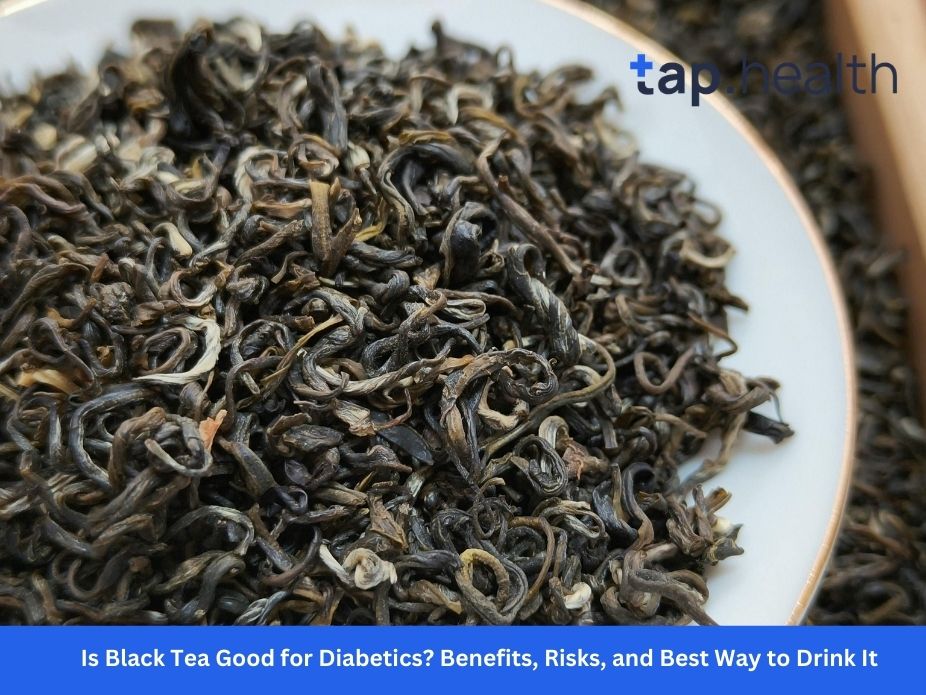
The difference lies in how the tea leaves are processed after they are plucked. To make black tea, the fresh green leaves are rolled and exposed to the air. This process is called oxidation. The oxygen interacts with the cell walls of the tea leaves, turning them dark brown or black and giving the tea its strong, robust, and earthy flavour.
This oxidation process also changes the chemical structure of the leaves, creating unique plant compounds called antioxidants, which are incredibly beneficial for a diabetic body.
Nutritional Profile of Black Tea (What Matters for Diabetes)
When you look at the nutritional breakdown of a cup of plain black tea, it is easy to see why it is a diabetic-friendly choice.
A standard cup (about 240 ml) of brewed black tea contains:
- Calories: 2 kcal (Practically zero)
- Carbohydrates: 0 grams
- Sugar: 0 grams
- Protein: 0 grams
- Fat: 0 grams
What it does contain in high amounts are polyphenols (powerful antioxidants) and a moderate amount of caffeine (roughly 40 to 50 milligrams per cup, which is about half the amount found in a cup of coffee). It also contains trace amounts of minerals like potassium and magnesium. Because it has no hidden sugars or fats, it is a perfectly safe daily beverage.
Does Black Tea Raise Blood Sugar?
If you are drinking plain, unsweetened black tea, it will not raise your blood sugar.
Because there are no carbohydrates in plain black tea, your digestive system has nothing to convert into glucose. Therefore, your pancreas does not need to release extra insulin to manage it.
However, the story changes drastically if you add extras to your cup. If you drink black tea with two teaspoons of sugar, your blood sugar will spike rapidly. Even adding a large amount of full-fat milk adds natural milk sugars (lactose) and calories, which can indirectly affect your sugar levels and weight over time. The safest way to enjoy it is plain.
How Black Tea May Help People with Diabetes
So, we know it does not hurt your blood sugar, but does it actually help? Yes. Modern research shows that black tea offers several active benefits for diabetes management.
Antioxidants (Polyphenols) and Metabolic Support
When tea leaves are oxidised to become black tea, they form specific antioxidants called theaflavins and thearubigins. These polyphenols are highly effective at fighting oxidative stress in the body. Diabetes causes a lot of inflammation and oxidative stress, which damages blood vessels and organs. The antioxidants in black tea act like a shield, neutralising harmful free radicals and reducing this internal inflammation.
Possible Improvement in Insulin Sensitivity
Insulin resistance is the primary driver of Type 2 diabetes. It means your body produces insulin, but your cells refuse to unlock and let the sugar in. Some studies suggest that the polyphenols in black tea can help improve insulin sensitivity. They make your cells more responsive to insulin, allowing glucose to leave your bloodstream and enter your muscles where it is needed for energy.
May Reduce Post-Meal Sugar Spikes (If Taken Unsweetened)
Drinking a warm cup of black tea shortly after a meal might help blunt the sudden spike in your blood sugar. Certain compounds in black tea can mildly inhibit the digestive enzymes in your gut that break down carbohydrates. By slowing down carbohydrate digestion, the sugar enters your bloodstream at a slower, more manageable pace.
Read this: Green Tea vs. Masala Chai
Weight Management and Craving Control Support
Losing excess weight is one of the most effective ways to control Type 2 diabetes. Because black tea is virtually calorie-free, replacing your daily sugary drinks or heavily milked chai with plain black tea cuts hundreds of empty calories from your diet. Furthermore, the robust, slightly bitter taste of black tea can help cleanse your palate and reduce sudden cravings for sweet snacks.
Black Tea vs Green Tea for Diabetes – Which Is Better?
You often hear green tea praised as the ultimate health drink, leaving black tea in the shadows. But which is actually better for diabetes?
Both teas come from the same plant, but they contain different types of antioxidants. Green tea is not oxidised, so it is rich in a compound called EGCG (epigallocatechin gallate). Black tea is fully oxidised, making it rich in theaflavins.
The truth is, both are excellent for diabetes. Green tea might have a slight edge in clinical weight-loss studies, but black tea is equally powerful for improving insulin sensitivity and providing cardiovascular protection. If you prefer the strong, comforting taste of black tea over the grassy taste of green tea, you are still making a fantastic, health-boosting choice.
Best Way to Drink Black Tea for Diabetics
To get the maximum medical benefit from your brew, you need to prepare it correctly. Here is how to make the perfect diabetic-friendly cup.
Without Sugar (Most Important)
This is the golden rule. You must avoid adding white sugar, brown sugar, honey, or jaggery. If you find plain black tea too bitter, try stepping down your sugar gradually, or use a safe, zero-calorie artificial sweetener like Stevia or Monk Fruit extract until your taste buds adjust.
With Lemon or Cinnamon (Optional)
Adding a squeeze of fresh lemon juice not only brightens the flavour but also adds a dose of Vitamin C. Better yet, try dropping a small stick of cinnamon (dalchini) into the boiling water. Cinnamon has been scientifically shown to help lower fasting blood sugar levels and improve insulin resistance.
With Milk – Is It Safe?
In India, tea without milk feels incomplete to many. Adding a splash of milk to your black tea is generally safe. However, dairy contains casein proteins that can bind to the antioxidants in tea, potentially reducing their effectiveness. If you want the full metabolic benefits, try to drink it without milk. If you must have milk, use a very small amount of skimmed or low-fat milk.
Best Time to Drink (Morning / After Meals)
The best times to enjoy black tea are in the mid-morning or about 30 to 45 minutes after a heavy lunch. Drinking it after a meal helps with digestion and may prevent sharp post-meal sugar spikes.
How Many Cups Per Day Is Safe?
Moderation is key. Drinking 2 to 3 cups of black tea a day is perfectly safe and optimal for reaping the health benefits. Going beyond 4 or 5 cups can lead to side effects due to the caffeine content.
Risks and Side Effects of Black Tea for Diabetics
While black tea is a healthy choice, it is not without a few minor risks. You should be aware of how it interacts with your body.
Caffeine Effects (BP, Anxiety, Sleep)
Black tea contains caffeine. While it gives you a nice energy boost, too much caffeine can cause your heart to race and temporarily raise your blood pressure (BP). If you drink it late in the evening, it can disrupt your sleep. Poor sleep is directly linked to higher fasting blood sugar levels the next morning.
Acid Reflux / Gastritis
Black tea contains tannins, which are the compounds that give it a slightly bitter, dry taste. If you drink strong black tea on a completely empty stomach first thing in the morning, these tannins can irritate your stomach lining, causing acidity, nausea, or acid reflux.
Dehydration Myth vs Reality
You may have heard that tea dehydrates you because caffeine is a diuretic (makes you urinate more). While high doses of caffeine are diuretic, the amount of water in a standard cup of tea more than makes up for it. Drinking 2-3 cups of black tea actually contributes to your daily fluid intake, which is essential for healthy kidney function in diabetics.
Iron Absorption Concern (If Anaemic)
The tannins in black tea can bind to iron from plant-based foods, preventing your body from absorbing it properly. If you are a diabetic who also suffers from anaemia (low iron/haemoglobin), avoid drinking black tea immediately with your meals. Wait at least an hour after eating.
Who Should Be Careful With Black Tea?
Most people can enjoy black tea safely, but certain individuals need to exercise a bit more caution.
People with Uncontrolled BP
If your blood pressure is consistently high and unmanaged, the caffeine in strong black tea can cause further, temporary spikes. Opt for weaker brews or limit your intake to one cup a day.
People with Anxiety or Poor Sleep
If you struggle with anxiety or insomnia—both of which can make diabetes management harder—you should avoid caffeinated black tea after 3:00 PM. Switch to caffeine-free herbal teas like chamomile in the evening.
Pregnant Women with Gestational Diabetes
If you have developed diabetes during pregnancy, you need to be mindful of your total caffeine intake to protect the baby. Medical guidelines generally advise pregnant women to limit caffeine to 200 mg per day (about 3-4 cups of black tea maximum).
People with Kidney Issues (If Caffeine Restricted)
Diabetic nephropathy (kidney damage) is a common complication of long-term diabetes. If your nephrologist has put you on a strict fluid or caffeine restriction, you must follow their specific advice regarding tea consumption.
Black Tea Add-ons That Can Make It Unhealthy for Diabetes
The tea itself is rarely the problem; it is the company it keeps. Avoid these common add-ons that ruin a healthy cup of tea:
- Sugar and Honey: These are direct sources of simple carbohydrates that spike blood sugar instantly.
- Jaggery (Gur): A massive myth is that jaggery is safe for diabetics. Jaggery has the exact same glycaemic impact as white sugar. It will spike your glucose levels.
- Tea-Time Biscuits and Rusks: Dipping refined flour (maida) biscuits, rusks, or namkeen into your tea adds empty calories, unhealthy trans fats, and hidden sugars to your diet.
- Flavoured Syrups: If you buy iced black tea at a cafe, beware of added fruit syrups. Always ask for unsweetened iced tea.
Black Tea and Diabetes Medicines – Any Interaction?
Generally, black tea does not dangerously interact with standard diabetes medications like Metformin or DPP-4 inhibitors.
However, you should be mindful of the hypoglycaemia risk. If you take insulin or strong medications like sulfonylureas (which force your body to produce more insulin), drinking plain black tea instead of your usual sugary morning tea will reduce your carbohydrate intake. If you do not adjust your food intake accordingly, your blood sugar might drop too low (hypoglycaemia). Always monitor your sugar levels when making dietary changes.
Real-Life Scenario
Consider the story of Mr. Verma, a 55-year-old bank manager from Delhi. He was recently diagnosed with Type 2 diabetes. His biggest struggle was giving up his daily routine of having three large cups of traditional sweet, milky chai with two Marie biscuits every afternoon. His post-meal blood sugar was constantly hovering around 220 mg/dL.
His dietitian suggested a simple swap. Instead of his sweet milk tea, Mr. Verma switched to brewing fresh, loose-leaf black tea. He added a pinch of cinnamon powder for flavour but used no sugar and no milk. He also swapped the biscuits for a small handful of roasted almonds.
At first, he missed the sweetness. But within two weeks, his palate adjusted to the rich, earthy taste of the black tea. More importantly, when he checked his post-meal blood sugar, it had dropped to a much safer 160 mg/dL. By making this simple natural swap, Mr. Verma cut out hidden sugars, boosted his antioxidant intake, and took control of his health without giving up his beloved tea breaks.
Expert Contribution
We consulted clinical dietitians and endocrinologists to understand the medical consensus on tea consumption.
A leading diabetes educator notes: “One of the most frequent questions I get in the clinic is whether tea is allowed. I always tell my patients that black tea is actually a functional food. The polyphenols, specifically theaflavins, behave beautifully in a diabetic body by reducing systemic inflammation. The danger lies purely in the Indian habit of boiling the tea leaves with thick milk and sugar until it becomes a dessert rather than a beverage. Learn to appreciate the true taste of pure, steeped black tea, and it will serve as a wonderful tool for your metabolic health.”
Recommendations Grounded in Proven Research and Facts
The benefits of black tea are not just old wives’ tales; they are backed by solid clinical research.
- Postprandial Glucose Control: A study published by the National Institutes of Health (NIH) demonstrated that participants who consumed black tea after a sugary meal experienced significantly lower postprandial (after-meal) blood glucose spikes compared to those who drank a placebo. The researchers linked this to the tea’s ability to inhibit carbohydrate-digesting enzymes.
- Long-Term Diabetes Prevention: Data from large-scale population studies suggest that individuals who drink 2 to 3 cups of black or green tea daily have a lower long-term risk of developing Type 2 diabetes.
- Heart Health Benefits: According to guidelines from health authorities like Harvard Health, the antioxidants in black tea significantly reduce the risk of cardiovascular disease. Since people with diabetes are at a much higher risk for heart attacks, drinking black tea provides a dual layer of protection for both blood sugar and heart health.
Conclusion / Key Takeaways
So, is black tea good for diabetics? The answer is a definitive yes, provided you follow a few simple rules.
- Zero Calories & Carbs: Plain black tea will not spike your blood sugar.
- Rich in Antioxidants: The polyphenols in black tea help reduce inflammation and improve how your body uses insulin.
- Keep It Plain: Do not add white sugar, jaggery, honey, or large amounts of milk. These additions destroy the diabetic benefits of the tea.
- Flavour Smartly: Use a squeeze of lemon or a pinch of cinnamon to naturally enhance the taste and further stabilise blood sugar.
- Moderation is Key: Stick to 2 or 3 cups a day to avoid caffeine-related side effects like acidity or poor sleep.
By making black tea a mindful part of your daily routine, you can enjoy a comforting, warm beverage that actively works to protect your long-term health.
Frequently Asked Questions on Is Black Tea Good for Diabetics?
Which tea is best for diabetes?
Both green tea and black tea are excellent choices for diabetes management because they are rich in antioxidants and contain zero carbohydrates. Green tea is slightly higher in catechins (which aid metabolism), while black tea is rich in theaflavins (which support heart health and blood sugar control). Herbal teas like chamomile or hibiscus are also great caffeine-free options.
What is the best hot drink for diabetics?
The best hot drinks for diabetics are those that contain zero added sugars and zero carbohydrates. Plain black coffee, unsweetened black or green tea, cinnamon-infused hot water, and clear vegetable broths are the top choices. They provide warmth and hydration without causing blood sugar spikes.
Which tea does not spike blood sugar?
Any true tea (black, green, white, or oolong) or herbal tea (peppermint, ginger, chamomile) will not spike blood sugar, as long as it is consumed unsweetened. It is the added milk, sugar, or honey that causes blood glucose levels to rise, not the tea leaves themselves.
Does black tea trigger insulin?
Black tea does not contain carbohydrates, so it does not trigger a massive release of insulin from the pancreas like a sugary drink would. However, the polyphenols in black tea help improve insulin sensitivity, meaning they help the insulin your body already has work much more effectively at clearing glucose from your bloodstream.