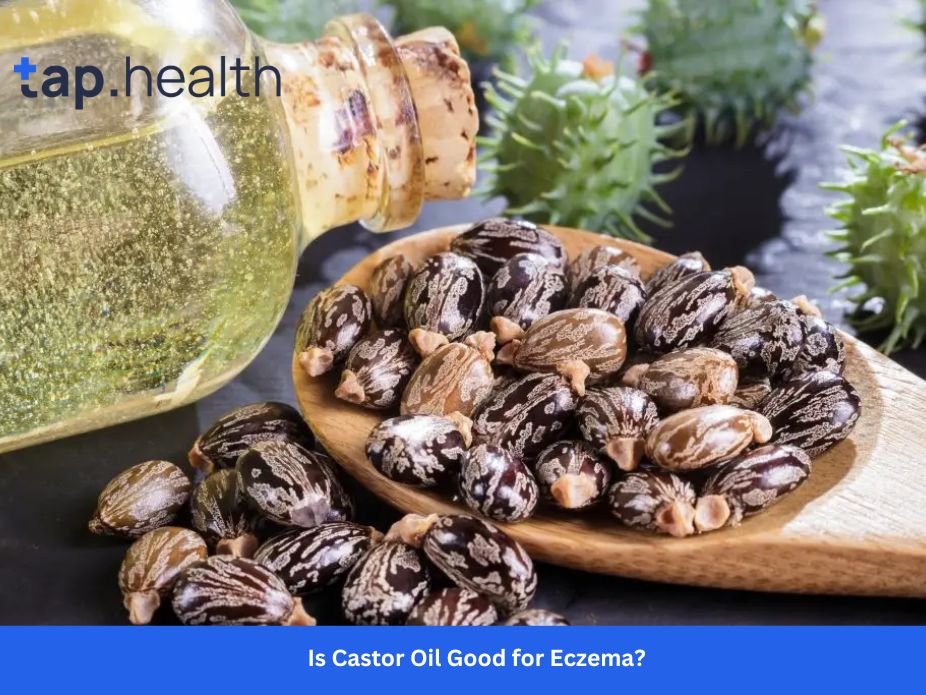
Eczema is a skin condition that causes red, itchy, and inflamed patches on the skin. It’s a condition that affects many people, especially in areas like the elbows, knees, and hands. If you’re looking for ways to soothe and treat eczema, you may have come across castor oil as a natural remedy. But is castor oil good for eczema? In this comprehensive guide, we’ll explore everything you need to know about how castor oil can benefit your skin, including its properties, how it works, and how you can use it effectively to manage eczema.
What is Eczema?
Eczema, also known as atopic dermatitis, is a chronic condition that results in the skin becoming inflamed and itchy. The exact cause of eczema is not fully understood, but it is thought to be related to genetics, environmental factors, and the immune system’s response to irritants or allergens. The most common symptoms of eczema include dry, flaky skin, redness, swelling, and severe itching. It can appear anywhere on the body, but is particularly common on the hands, face, and behind the knees.
How Does Castor Oil Work for Eczema?
Castor oil is a vegetable oil derived from the castor bean plant. It’s been used for centuries for its various health benefits, especially in skin care. Castor oil is rich in fatty acids, especially ricinoleic acid, which gives it its medicinal properties. This oil has a number of attributes that make it effective for treating eczema:
1. Moisturizing Properties
One of the main causes of eczema flare-ups is dry skin. Castor oil is an excellent moisturizer, as it is packed with hydrating properties. When applied to the skin, it locks in moisture, preventing dryness, which is crucial for soothing eczema. Its ability to create a barrier helps retain water in the skin, keeping it hydrated and soft.
2. Anti-Inflammatory Effects
Inflammation is one of the major contributors to eczema symptoms. Castor oil has natural anti-inflammatory properties, which can help reduce redness and swelling. By reducing inflammation, castor oil helps soothe the skin and reduce the discomfort associated with eczema flare-ups.
3. Antibacterial and Antifungal Properties
Eczema can make the skin more prone to infections, especially when the skin is cracked or broken due to constant scratching. Castor oil has both antibacterial and antifungal properties that help prevent infections by killing harmful bacteria and fungi on the skin. This is important as infections can worsen eczema symptoms and delay healing.
4. Skin Repair and Healing
Castor oil is rich in nutrients that promote skin healing, including vitamin E and other antioxidants. These nutrients help repair damaged skin by stimulating the production of new skin cells, making it an excellent option for eczema sufferers whose skin is often prone to damage.
How to Use Castor Oil for Eczema
Now that we know how castor oil works to improve eczema symptoms, let’s discuss the best ways to use it for effective results.
1. Castor Oil as a Moisturizer
For daily use, apply a thin layer of castor oil directly to the affected area of the skin. This will help lock in moisture and prevent your skin from becoming dry. It’s best to apply the oil after a bath or shower when your skin is still slightly damp, as this will help seal in the moisture.
2. Castor Oil and Coconut Oil Mixture
Coconut oil is another excellent oil for eczema due to its moisturizing and anti-inflammatory properties. You can mix castor oil with coconut oil to enhance the benefits. Simply combine equal parts of both oils and massage the mixture into your skin. The addition of coconut oil helps improve the skin’s healing process while making the castor oil more spreadable and less sticky.
3. Castor Oil Compress
A compress is a great way to deliver the healing benefits of castor oil to a specific area. To create a castor oil compress, soak a clean cloth in warm water, then wring it out. Apply a few drops of castor oil to the cloth and place it on the eczema-affected area. Leave the compress on for about 20 minutes to allow the oil to penetrate deeply into the skin.
4. Castor Oil and Aloe Vera Gel
Aloe vera is known for its soothing properties, especially for irritated skin. You can mix castor oil with aloe vera gel to create a more soothing treatment for eczema. Aloe vera will help calm down the redness and irritation while castor oil moisturizes and protects the skin.
Can Castor Oil Cure Eczema?
While castor oil can help manage eczema symptoms by moisturizing the skin, reducing inflammation, and promoting healing, it’s important to note that it may not cure eczema completely. Eczema is a chronic condition, and while castor oil can significantly reduce flare-ups and symptoms, it won’t eliminate the condition entirely. It can, however, be a valuable part of your eczema management routine.
Is Castor Oil Safe for Eczema?
Castor oil is generally considered safe for most people, but as with any product, it’s important to do a patch test before using it on a large area of skin. Apply a small amount of castor oil to a discreet patch of skin and wait 24 hours to see if any irritation or allergic reactions occur. If your skin becomes red, itchy, or swollen, avoid using castor oil on your eczema.
Side Effects of Castor Oil
While rare, some people may experience mild side effects from using castor oil, including:
- Skin irritation
- Allergic reactions (rash, redness, swelling)
- Excessive dryness (if used too frequently)
If you experience any of these side effects, stop using castor oil immediately and consult with a healthcare professional.
Other Natural Remedies for Eczema
While castor oil is effective for many people, there are other natural remedies that may also provide relief from eczema symptoms. Some of these include:
1. Coconut Oil
Coconut oil is another natural oil that helps to moisturize and soothe the skin. It has natural antibacterial properties that can reduce the risk of infection.
2. Honey
Honey is a natural humectant that helps to draw moisture into the skin. It also has antibacterial properties and can help reduce inflammation.
3. Oatmeal Baths
Oatmeal baths are a popular remedy for soothing eczema. Oats have anti-inflammatory properties that can relieve itching and irritation.
4. Aloe Vera
Aloe vera has soothing and healing properties, making it ideal for treating inflamed or irritated skin caused by eczema.
Real-Life Scenario
Meet Sarah. Her hands had eczema that would flare up after washing dishes. She tried castor oil and saw change in just a few days. She used:
- Castor oil mixed with coconut oil, applied after every hand wash.
- A warm castor-oil compress before bedtime when skin felt tight.
After two weeks, her skin felt softer, red patches faded, and she scratched less. Her dermatologist approved this safe, topical routine. Sarah’s story shows how castor oil can help, with simple care and gentle use.
Expert Contribution
According to dermatologists and skin-care experts:
- Castor oil’s rich fatty acids help lock in moisture.
- Its anti-inflammatory nature helps calm eczema’s redness and itch.
- Experts warn that not everyone benefits—some may be allergic, so patch testing is crucial.
- They remind users that castor oil won’t cure eczema but can be a helpful add-on to a wider skincare plan.
Recommendations Grounded in Proven Research and Facts
1. Stick to External Use Only
Castor oil is safe for eczema only when applied to the skin. Don’t ingest it—not for constipation, not for any internal use. Ingesting it can trigger cramps, diarrhea, dehydration, and even labor—especially risky for pregnant people.
2. Use High-Quality, Pure Castor Oil
Choose organic, cold-pressed castor oil with no additives. This lowers the chance of skin irritation.
3. Combine with Gentle, Soothing Ingredients
Mix with lighter, skin-friendly oils like coconut, olive, or jojoba. Aloe vera gel helps even further soothe inflammation.
4. Be Gentle on Your Skin
Apply castor oil softly—don’t rub raw eczema open. Instead, blend gently in a circular motion.
5. Always Patch Test
Put a small dab behind your ear or on your inner forearm. Wait 24–48 hours. If no redness or itching appears, it’s likely safe to use more widely.
6. Track What Works Best for You
Use a small diary to note when flare-ups happen, how your skin reacts to castor oil, what time of day you apply it, and how much relief you feel.
7. Don’t Rely Just on Castor Oil
Eczema is complex. Moisturizers, avoiding triggers (like certain soaps or fabrics), and following dermatologist advice form a better plan.
8. Know When to See a Doctor
If eczema spreads, causes sleep loss, or shows signs of infection (yellow crust, deep cracks, swelling), speak to a healthcare provider.
FAQs About Castor Oil for Eczema
1. How long does it take for castor oil to work on eczema?
The time it takes to see results from castor oil varies depending on the severity of your eczema. For some people, relief may be seen within a few days, while others may take a couple of weeks to notice significant improvement.
2. Can castor oil be used on broken skin caused by eczema?
Yes, castor oil can be used on broken skin, but it’s important to ensure that the skin is clean and free from infection before applying it. If the skin is severely cracked or open, you should consult a doctor before using castor oil to avoid further irritation or infection.
3. Can castor oil prevent eczema flare-ups?
While castor oil can help keep the skin hydrated and reduce the risk of flare-ups, it is not a cure for eczema. It can help manage the symptoms and reduce the frequency of flare-ups when used regularly.
4. Is castor oil good for all types of eczema?
Yes, castor oil can be used for all types of eczema, including atopic dermatitis and contact dermatitis. However, if you have a specific type of eczema, it’s a good idea to consult with a dermatologist to ensure that castor oil is a suitable treatment.
5. Can castor oil be used for eczema in children?
Castor oil can be used on children, but it’s important to consult with a pediatrician before applying it to a child’s skin, especially if the child is under 2 years old. Always do a patch test first to ensure there is no allergic reaction.
Also Read this : Can I Apply Castor Oil During Pregnancy?
Conclusion
Castor oil can be an effective natural remedy for managing eczema symptoms. Its moisturizing, anti-inflammatory, and antibacterial properties make it an excellent choice for soothing irritated skin, reducing redness, and promoting skin healing. While it may not cure eczema completely, regular use of castor oil can significantly improve the condition and help prevent flare-ups. As with any natural remedy, it’s important to perform a patch test and consult with a healthcare professional if you have concerns or if your eczema worsens.