tap.health logo
  • Diabetes Management
  • Health Assistant
  • About Us
  • Blog
  • Contact Us
Get Plan
  • Diabetes Management
  • Health Assistant
  • About Us
  • Blog
  • Contact Us
  • All Blogs
  • Diabetes
  • Is Diabetes Caused by a Virus or Bacteria?

Is Diabetes Caused by a Virus or Bacteria?

Diabetes
August 22, 2025
• 4 min read
Kritika Singh
Written by
Kritika Singh
ChatGPT Perplexity WhatsApp LinkedIn X Grok Google AI
is diabetes caused by a virus or bacteria

Diabetes is a condition that affects millions of people around the world. If you’ve ever wondered whether diabetes could be caused by a virus or bacteria, you’re not alone. In this blog post, we will dive into this topic, exploring the facts, expert insights, and real-life examples to give you a clear understanding of what’s really going on in the body when diabetes develops.

What Is Diabetes?

Diabetes is a chronic condition that affects how your body processes glucose (sugar). There are two main types of diabetes: Type 1 and Type 2. In Type 1 diabetes, the body’s immune system attacks and destroys the insulin-producing cells in the pancreas. In Type 2 diabetes, the body doesn’t use insulin properly, which leads to high blood sugar levels.

Can Diabetes Be Caused by a Virus or Bacteria?

This is a common question, and the answer is a bit more complicated than a simple “yes” or “no.” While viruses and bacteria can play a role in triggering certain types of diabetes, the exact causes are still being researched.

Type 1 Diabetes and Viruses

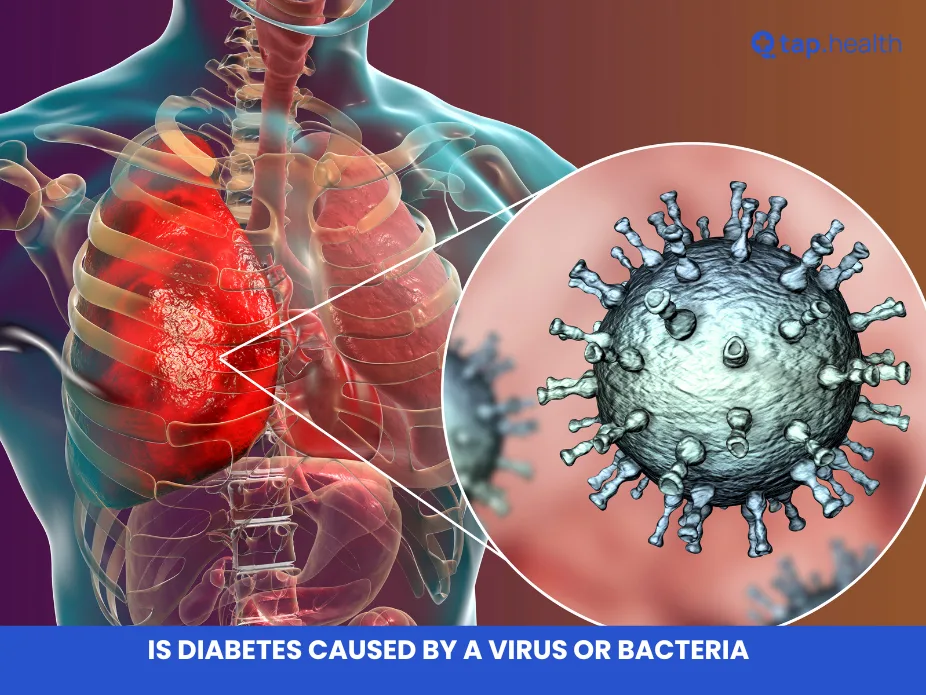
For years, researchers have been investigating the connection between viruses and Type 1 diabetes. Some studies suggest that certain viral infections may trigger the immune system to attack the pancreas. In particular, the Coxsackievirus, a virus that belongs to the enterovirus family, has been linked to an increased risk of Type 1 diabetes.

When someone with a genetic predisposition to diabetes contracts a viral infection, the immune system may mistakenly target the pancreas, thinking it’s a harmful invader. This process is known as an autoimmune response.

Type 2 Diabetes and Bacteria

For Type 2 diabetes, the link between bacteria and the disease isn’t as direct as in Type 1 diabetes. However, emerging research suggests that certain bacteria in the gut may influence insulin resistance, which is a key factor in the development of Type 2 diabetes.

Researchers have found that people with an imbalance of bacteria in their gut—also known as dysbiosis—may be at higher risk of developing insulin resistance. The exact mechanism isn’t entirely clear, but gut health plays a significant role in metabolic diseases like Type 2 diabetes.

Real-Life Scenario: Ravi’s Story

Take the case of Ravi, a 28-year-old man from Mumbai. Ravi had always been healthy, but after he caught a severe viral infection during flu season, he started noticing unusual symptoms—fatigue, increased thirst, and frequent urination. After a series of tests, Ravi was diagnosed with Type 1 diabetes. His doctors believe the viral infection triggered his autoimmune response, leading to the destruction of his insulin-producing cells. Ravi’s experience shows how a virus, combined with genetic factors, can contribute to the development of diabetes.

Expert Contributions: Insights from Dr. Rani Mehta

According to Dr. Rani Mehta, a well-known endocrinologist in India, “While viruses like the Coxsackievirus have been linked to Type 1 diabetes, bacteria’s role in Type 2 diabetes is more complex. Gut health plays a significant role, but it’s still not fully understood how bacteria can trigger the disease.”

Dr. Mehta also points out that while infections may increase the risk, lifestyle factors such as diet and exercise are also crucial in managing and preventing diabetes. A balanced lifestyle can help lower the risk, even if you have a genetic predisposition.

How Do Viruses and Bacteria Affect Diabetes?

Viruses and bacteria can influence the immune system and metabolic processes in different ways:

  1. Viruses: Some viruses, like the Coxsackievirus, can cause an autoimmune response where the body mistakenly attacks its own cells. In Type 1 diabetes, this results in the destruction of insulin-producing cells in the pancreas.
  2. Bacteria: In Type 2 diabetes, the connection to bacteria is more indirect. Imbalances in gut bacteria (dysbiosis) can affect how your body processes food and glucose, contributing to insulin resistance.

Recommendations Grounded in Proven Research and Facts

If you’re concerned about the potential role of viruses or bacteria in diabetes, it’s important to focus on managing your overall health. Proven strategies include:

  1. Maintaining a healthy diet: Eating foods rich in fiber, fruits, vegetables, and lean proteins can help regulate blood sugar levels.
  2. Regular physical activity: Exercise can help your body use insulin more effectively and maintain a healthy weight.
  3. Monitoring your health regularly: If you have a family history of diabetes or suspect that you may be at risk, getting regular checkups can help you catch any signs early.

Additionally, understanding the link between gut health and diabetes can help. Eating foods that promote a healthy gut microbiome, such as probiotics and fiber-rich foods, can improve overall metabolic health.

For more information on how insulin affects the kidneys, check out this article on insulin and kidney health.

Prevention of Diabetes: Can You Avoid It?

While you can’t change your genetic predisposition, lifestyle changes can significantly reduce the risk of developing diabetes. Here’s what you can do to lower your risk:

  1. Stay Active: Regular exercise improves insulin sensitivity and helps maintain a healthy weight.
  2. Eat Well: A balanced diet rich in whole grains, fruits, and vegetables can help keep blood sugar levels stable.
  3. Manage Stress: Chronic stress can impact insulin resistance, so finding ways to relax and unwind is crucial.

Also read this : Is Besan Flour Good for Diabetes? A Comprehensive Guide

FAQ on Diabetes and Its Causes

1. Can a virus really cause diabetes?

Yes, some viruses, like the Coxsackievirus, have been linked to the onset of Type 1 diabetes. However, it usually requires a genetic predisposition for this to occur.

2. Are bacteria responsible for Type 2 diabetes?

Bacteria in the gut may contribute to insulin resistance, which is a major factor in the development of Type 2 diabetes. However, the link between gut bacteria and Type 2 diabetes is still being studied.

3. Can lifestyle changes prevent diabetes caused by a virus?

While lifestyle changes can’t prevent viruses, maintaining a healthy lifestyle can help manage diabetes and reduce the risk of complications if you already have it.

4. What should I do if I suspect I have diabetes?

If you suspect you have diabetes, it’s important to visit a healthcare provider for a diagnosis. Early detection can help prevent complications.

Conclusion

While viruses and bacteria may play a role in the development of diabetes, the full picture is still not entirely clear. Factors like genetics, lifestyle, and immune responses also contribute significantly to the risk of diabetes. By staying informed, making healthy lifestyle choices, and getting regular checkups, you can manage your risk and lead a healthier life.


Tags
A1C test diabetes heart health diabetic retinopathy fruit and blood sugar type 1 diabetes how to lower HbA1c diabetic breakfast ideas post-meal blood sugar Indian diabetes plate foods for diabetes shopping diabetes and alcohol low blood sugar at night diabetes excessive thirst why diabetes is considered as a lifestyle disease blood pressure diabetes eye test rice and diabetes type 1 diabetes symptoms fasting sugar normal range PCOS and diabetes blood sugar after food diabetes portion control diabetes kidney tests alcohol blood sugar diabetes diabetes sweating at night diabetes dry mouth Medicine lifestyle diabetes cholesterol diabetes kidney care can diabetics eat rice insulin diabetes high fasting blood sugar PCOS insulin resistance postprandial glucose low glycaemic index foods for diabetes urine albumin diabetes can diabetics drink alcohol diabetes headache frequent urination diabetes Health type 2 diabetes lifestyle disease living with diabetes diabetic kidney disease diabetes diet India prediabetes diet reverse prediabetes naturally PCOS diabetes risk dawn phenomenon diabetes low GI foods India eGFR diabetes diabetes and dizziness high blood sugar headache diabetes fatigue Lifestyle exercise and diabetes diabetes habits kidney tests diabetes morning blood sugar prediabetes food prediabetes reversal gestational diabetes diet Indian morning sugar high diabetes low GI diet diabetes and dental problems dizziness diabetes low blood sugar headache diabetes tiredness Home remedies blood sugar control diabetes management high blood sugar symptoms fasting sugar high lower diabetes risk how to prevent type 2 diabetes pregnancy diabetes diet high fasting sugar in morning diabetes and fatty liver diabetes gum disease low sugar dizziness blood sugar monitoring at home high blood sugar tiredness Fitness physical activity insulin resistance hyperglycemia symptoms dawn phenomenon diabetes and weight loss insulin resistance diet gestational diabetes meal plan diabetes and cholesterol fatty liver diabetes dry mouth diabetes diabetes leg pain when to check blood sugar Prevention diabetes foot care insulin sensitivity diabetes warning signs diabetes myths weight loss diabetes Indian foods for insulin resistance diabetic foot ulcer diabetes lipid profile insulin resistance fatty liver diabetes urine infection diabetic leg cramps blood glucose monitoring Hygiene diabetic foot type 2 diabetes risk normal blood sugar levels diabetes facts insulin resistance weight loss improve insulin sensitivity diabetes foot wound cholesterol in diabetes diabetes skin problems frequent UTI diabetes diabetes nerve pain legs metformin for diabetes Ailments foot health diabetes and sleep fasting blood sugar diabetes misconceptions diabetes medicine safety diabetic neuropathy symptoms diabetic foot ulcer warning signs can diabetics eat mango diabetes itching urinary infection diabetes diabetes slow wound healing metformin side effects Hindi gestational diabetes poor sleep blood sugar HbA1c diabetes symptoms in women diabetes medicines diabetes nerve damage diabetes and blood pressure mango and diabetes dark patches diabetes diabetes stomach problems diabetes wounds metformin safety skin diseases pregnancy diabetes sleep and diabetes diabetes in India women diabetes signs diabetes treatment advice tingling feet diabetes high blood pressure diabetes mango sugar diabetes walking after meals for diabetes diabetic gastroparesis diabetic wound care diabetes ketoacidosis warning signs acne vulgaris symptoms blood sugar pregnancy diabetes and stress diabetes risk factors India diabetes risk women Indian diabetic diet chart diabetes eye disease diabetes heart kidney risk diabetes reversal vs remission post meal walk diabetes diabetes bloating nausea diabetes yeast infection DKA symptoms AI Search low blood sugar stress blood sugar diabetes prevention India diabetes symptoms in men diabetic meal plan diabetic eye test borderline HbA1c diabetes remission walking lowers blood sugar diabetes sick day rules diabetes fungal infection ketones diabetes blood sugar hypoglycemia cortisol diabetes best fruits for diabetes men diabetes signs HbA1c test high protein breakfast for diabetes HbA1c 5.7 to 6.4 reverse type 2 diabetes diabetes grocery list India diabetes during illness diabetes vaginal itching diabetes blurry vision fasting glucose diabetes safety diabetes eye care diabetes fruits diabetes risk men HbA1c normal range diabetes breakfast India prediabetes HbA1c diabetes plate method diabetic food list India blood sugar fever infection diabetes night sweats high blood sugar blurry vision
More blogs
K. Siva Jyothi
K. Siva Jyothi
• May 25, 2026
• 19 min read

Diabetes and Blurry Vision: High Sugar, Eye Strain, Retinopathy, and When to Get an Eye Test

Understand why blurry vision can happen with diabetes, including high blood sugar, eye-fluid changes, diabetic retinopathy, eye strain, and test timing.

Diabetes
is diabetes caused by a virus or bacteria
Fashtana Khan
Fashtana Khan
• May 25, 2026
• 19 min read

Metformin for Diabetes: Benefits, Side Effects, Safety Tips, and When to Ask Your Doctor

Understand metformin for diabetes, including how it works, common side effects, stomach symptoms, vitamin B12, kidney safety, and doctor-review signs.

Diabetes
is diabetes caused by a virus or bacteria
Kazima Qureshi
Kazima Qureshi
• May 25, 2026
• 19 min read

Diabetes and Excessive Thirst: Dry Mouth, Frequent Urination, Dehydration, and Warning Signs

Learn why diabetes may cause excessive thirst, dry mouth, frequent urination, dehydration, high sugar symptoms, and when testing is important.

Diabetes
is diabetes caused by a virus or bacteria
Do you remember your last sugar reading?
Log and Track your glucose on the Tap Health App
All logs in one place
Smart trend graphs
Medicine Reminder
100% Ad Free
Download Now

Missed your diabetes meds

again? Not anymore.

Get medicine reminders on your phone.

✓ Glucose diary and Insights
✓ Smart Nudges
✓ All logs at one place
✓ 100% Ad free
Download Free
tap health
tap.health logo
copyright © 2025
2nd Floor,Plot No 4, Minarch Tower,
Sector 44,Gurugram, 122003,
Haryana, India
  • About Us
  • Blog
  • Doctor login
  • Contact Us
  • Privacy Policy
  • Return / Shipping Policy
  • Terms and Conditions
Get Your Free AI Diabetes Coach