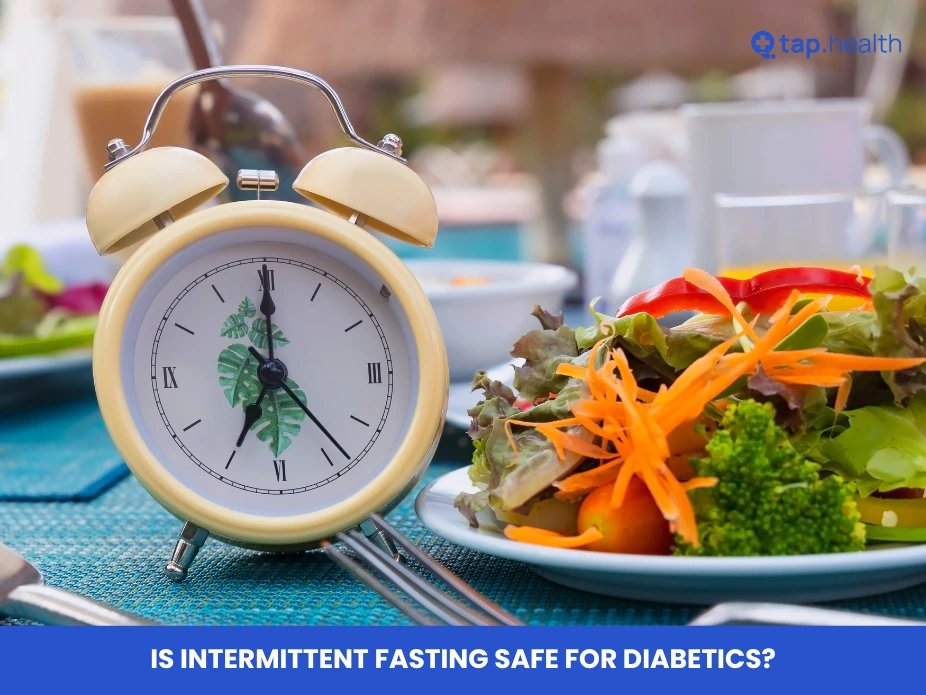
Intermittent fasting (IF) has surged in popularity for weight loss, metabolic health, and longevity. But is intermittent fasting safe for diabetics? This eating pattern alternates eating and fasting periods, like 16/8 method or 5:2 diet. For diabetes patients, blood sugar regulation during fasting raises concerns. This guide covers safety, risks, benefits, and practical advice.
Understanding Intermittent Fasting and Diabetes
Intermittent fasting restricts calories in cycles, prompting fat burning. Common types include:
- 16/8 method: 16 hours fasting, 8 hours eating.
- 5:2 approach: Normal eating 5 days, low calories 2 days.
- Alternate-day fasting: Eat every other day.
For diabetics, fasting impacts insulin sensitivity and glucose levels. Type 2 diabetes may benefit from improved metabolism, but Type 1 faces higher hypoglycemia risks.
What Is Intermittent Fasting Exactly?
It’s not a diet but a timing strategy. Focus on when you eat, not what. Benefits include weight management and reduced inflammation.
How Does Intermittent Fasting Affect Blood Sugar Levels?
Fasting lowers insulin, potentially stabilizing glucose in Type 2. But unmonitored, it causes fluctuations leading to hyperglycemia or hypoglycemia.
Is Intermittent Fasting Safe for Type 1 Diabetics?
No, without supervision. Type 1 diabetics rely on insulin injections. Fasting alters needs, risking low blood sugar (hypoglycemia). Always consult doctors for insulin adjustments.
Risks of Hypoglycemia in Type 1 Diabetes During Fasting
Symptoms: Shaking, confusion, seizures. Monitor glucose every 2-4 hours. Avoid extreme fasting.
Is Intermittent Fasting Safe for Type 2 Diabetics?
Possibly yes, with caution. It boosts insulin sensitivity and aids weight loss—key for Type 2 management. Studies show improved glycemic control.
Benefits of Intermittent Fasting for Type 2 Diabetes Management
- Enhances insulin resistance.
- Supports weight reduction.
- Lowers inflammation.
Adjust medications to prevent drops.
Real-Life Intermittent Fasting Experiences with Diabetes
Type 2 Diabetic Success Story
John, 45, obese with Type 2, used 16/8. Lost weight, lowered fasting glucose. Adjusted window for mid-morning stability.
Type 1 Diabetic Challenges
Sarah, 28, athlete with Type 1, monitored closely. Balanced insulin/carbs, avoided lows with endocrinologist guidance.
Expert Opinions on Intermittent Fasting for Diabetics
Dr. John Smith, Endocrinologist: “Improves sensitivity but monitor blood sugar. Type 1: High risks, professional guidance only.”
Dr. Jane Doe, Specialist: “Useful for Type 2 weight and glucose control. Tailor plan, adjust meds.”
Key Recommendations for Safe Intermittent Fasting in Diabetes
- Monitor Blood Glucose Frequently: Use glucometer; track trends.
- Adjust Insulin and Medications: Reduce doses during fasts.
- Start Gradually: Begin 12-hour fasts, extend to 16.
- Stay Hydrated: Water, herbal tea; no sugary drinks.
- Avoid Extreme Methods: Skip prolonged fasts.
- Consult Healthcare Provider: Personalized plan essential.
Research supports: 2020 study in Journal of Clinical Endocrinology & Metabolism—improved sensitivity in Type 2. 2019 Diabetes Care—weight loss, better control with monitoring.
Common Risks of Intermittent Fasting for People with Diabetes
- Hypoglycemia/hyperglycemia.
- Dehydration.
- Electrolyte imbalance.
Minimize with supervision.
How to Start Intermittent Fasting Safely with Diabetes
Choose mild method like 14/10. Eat nutrient-dense meals: veggies, proteins, healthy fats. Break fast if glucose drops below 70 mg/dL.
Best Intermittent Fasting Methods for Diabetics
- 16/8 for Type 2.
- Shorter windows for Type 1.
FAQs: Intermittent Fasting and Diabetes Management
Q: Can intermittent fasting cure diabetes?
A: No. Improves control via sensitivity and weight, not cure.
Q: What are the best intermittent fasting schedules for diabetics?
A: 12-16 hours; personalized.
Q: Does intermittent fasting cause hypoglycemia in diabetics?
A: Yes, if unadjusted. Monitor, tweak insulin.
Q: Is alternate-day fasting safe for Type 2 diabetics?
A: Risky; prefer milder.
Q: How does intermittent fasting improve insulin sensitivity in diabetes?
A: Reduces resistance, aids glucose uptake.
Q: Should diabetics avoid intermittent fasting during illness?
A: Yes; increases risks.
Q: What foods to eat when breaking fast for diabetics?
A: Balanced: protein, fiber, low GI carbs.
Q: Can pregnant diabetics do intermittent fasting?
A: No; consult doctor.
Intermittent fasting offers tools for Type 2 diabetes management through better insulin sensitivity and weight control. Type 1 requires strict oversight. Always prioritize monitoring and professional advice for safety.
Is Intermittent Fasting Safe for TapHealth and Name Diabetes Patients?
For TapHealth users managing Name Diabetes, intermittent fasting can integrate if blood sugar stays stable. Use app tracking, consult providers. Benefits align with metabolic goals, but personalize to avoid complications.