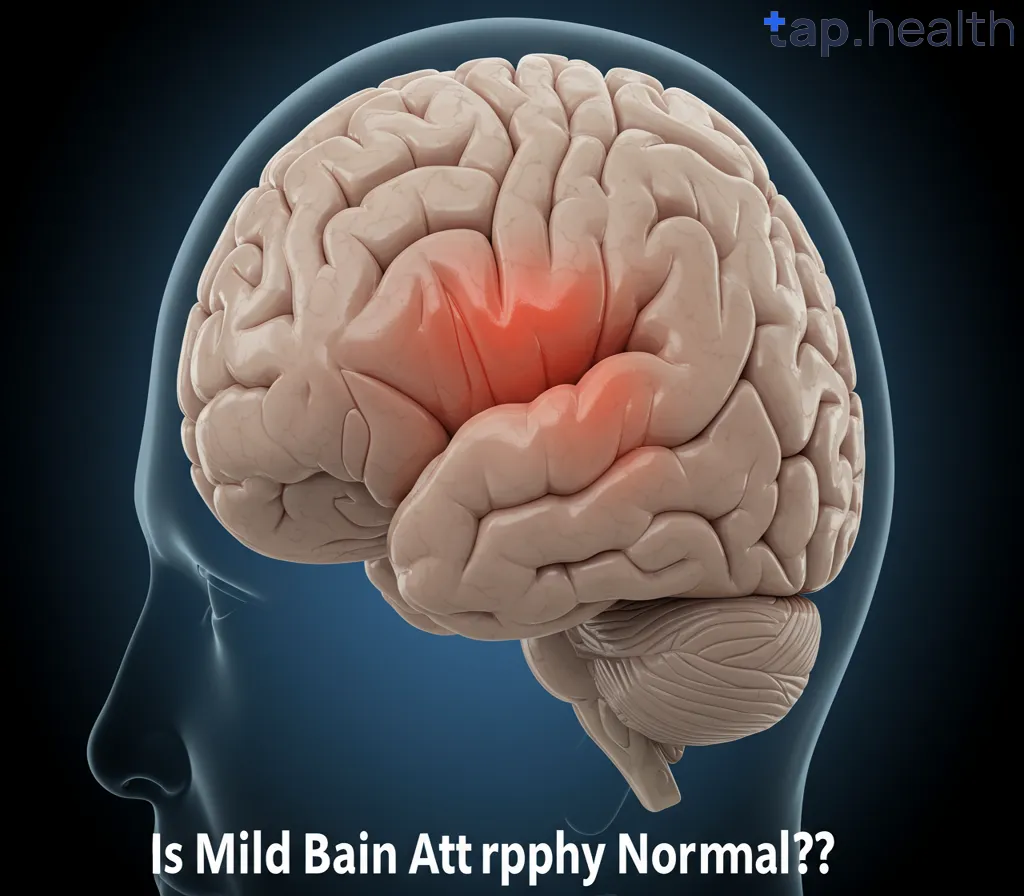
Brain atrophy is a term that refers to the loss of neurons and the connections between them in the brain. The brain shrinks as a result, which can lead to cognitive decline and other neurological symptoms. Many people have heard of brain atrophy, but the question is: is mild brain atrophy normal?
In this article, we’ll explore what mild brain atrophy is, whether it is a normal part of aging, the causes and symptoms, and how it is diagnosed and treated. We’ll also address some of the concerns surrounding this condition and help you understand when brain atrophy might be a cause for concern.
What is Mild Brain Atrophy?
Brain atrophy refers to the gradual shrinking of the brain, which can occur due to various factors such as aging, injury, or disease. When the brain shrinks, it loses both the size and the function of brain tissue, which can lead to various neurological symptoms.
Mild vs. Severe Brain Atrophy
- Mild Brain Atrophy: This refers to a small, limited loss of brain tissue. Mild brain atrophy can happen naturally over time and may not lead to significant symptoms.
- Severe Brain Atrophy: This is a more pronounced form of brain atrophy and is typically associated with diseases like Alzheimer’s disease, Parkinson’s disease, and other neurodegenerative conditions. Severe atrophy can lead to major cognitive impairment, memory loss, and other debilitating symptoms.
Is Mild Brain Atrophy Normal?
For many people, mild brain atrophy is a normal part of aging. As we age, it’s common for the brain to lose some neurons, especially in areas involved with learning, memory, and other cognitive functions. However, not all brain atrophy is normal, and when it’s related to diseases like dementia or neurological conditions, it can become a cause for concern.
What Causes Mild Brain Atrophy?
Mild brain atrophy can happen due to a variety of factors, both normal and pathological. Here are the most common causes of mild brain atrophy:
1. Aging
As you age, it’s normal to experience some brain shrinkage. The brain tends to lose mass as you get older, especially in regions related to memory and processing speed. This is often referred to as age-related brain atrophy, and it usually progresses gradually.
Age-Related Atrophy:
- Typically begins around the age of 60-70 years.
- It may not cause noticeable symptoms but can affect cognitive abilities like memory, processing speed, and decision-making.
2. Neurodegenerative Diseases
Certain conditions that affect the nervous system can lead to brain atrophy. These diseases can cause more severe brain shrinkage and might be associated with cognitive decline. Some common neurodegenerative diseases linked to brain atrophy include:
- Alzheimer’s Disease: A progressive condition that causes memory loss, cognitive impairment, and confusion.
- Parkinson’s Disease: A movement disorder that can lead to brain shrinkage, particularly in areas that control movement and coordination.
- Huntington’s Disease: A genetic disorder that leads to progressive motor and cognitive dysfunction, causing brain tissue loss.
3. Chronic Alcohol Use
Excessive drinking over long periods can lead to brain shrinkage. Chronic alcohol abuse damages the brain cells and reduces the size of certain brain regions, which can lead to memory problems and cognitive decline.
4. Stroke or Brain Injury
A stroke or traumatic brain injury (TBI) can cause brain damage and lead to atrophy in the affected area. If a stroke damages a particular part of the brain, the brain tissue around the damaged area may begin to shrink.
5. Chronic Stress
Long-term stress can contribute to brain atrophy. Stress increases the level of cortisol, a hormone that, in high levels, can be toxic to brain cells, particularly in areas responsible for memory and learning, like the hippocampus.
6. Infections
Certain infections, like meningitis (infection of the brain’s lining) or encephalitis (infection of brain tissue), can lead to inflammation and damage to brain cells, which may result in brain atrophy.
Symptoms of Mild Brain Atrophy
Mild brain atrophy may not cause noticeable symptoms right away, especially if it’s due to aging. However, over time, the effects of brain shrinkage can manifest in subtle ways. Common symptoms associated with mild brain atrophy include:
1. Memory Issues
One of the most common signs of brain atrophy, especially when related to aging, is memory impairment. You might forget where you put things, or struggle to remember recent events. Memory issues may be mild at first and become more noticeable as time progresses.
2. Difficulty in Concentration
Brain shrinkage in areas that control focus and attention can lead to difficulty concentrating. Tasks that require mental effort, such as reading or following conversations, might feel more challenging.
3. Slower Thinking and Decision-Making
Atrophy in the frontal lobes of the brain, which are responsible for reasoning and decision-making, can cause slower thinking. You may find it takes longer to solve problems or make decisions.
4. Coordination Problems
In some cases, brain atrophy can affect motor skills, leading to coordination difficulties. You may notice issues with walking, balance, or fine motor skills like handwriting or using utensils.
5. Mood Changes
Brain atrophy, especially in areas that regulate emotions, can result in mood swings, irritability, or feelings of depression.
Diagnosing Mild Brain Atrophy
To determine if brain atrophy is mild and if it’s due to normal aging or something more serious, a doctor will typically use imaging tests and other diagnostic tools.
1. MRI (Magnetic Resonance Imaging)
An MRI is one of the most common imaging techniques used to identify brain atrophy. It provides detailed images of the brain and can show whether there is shrinkage in certain areas. MRI scans can help doctors monitor brain changes over time.
2. CT Scan (Computed Tomography)
While an MRI is preferred for detailed imaging, a CT scan can also be used to detect brain shrinkage and identify any damage caused by stroke or injury.
3. Cognitive Testing
If cognitive decline is suspected, a doctor may perform neuropsychological tests to assess memory, thinking, attention, and other cognitive abilities. These tests help determine whether the symptoms are linked to mild brain atrophy or a more serious condition like dementia.
4. Blood Tests
Blood tests may be done to rule out other causes of cognitive symptoms, such as thyroid problems, vitamin deficiencies, or infections.
Is Mild Brain Atrophy Reversible?
Unfortunately, mild brain atrophy due to aging or chronic conditions cannot typically be reversed. However, there are steps you can take to slow down the progression of brain shrinkage and maintain cognitive health.
1. Exercise Regularly
Regular physical activity, especially cardiovascular exercise, has been shown to improve brain health by increasing blood flow to the brain, supporting the growth of new brain cells, and preventing further atrophy.
2. Mental Stimulation
Engaging in activities that challenge the brain, such as reading, puzzles, learning new skills, or playing musical instruments, can help maintain cognitive function and slow the effects of brain atrophy.
3. Healthy Diet
A balanced diet rich in omega-3 fatty acids, antioxidants, and vitamins (like Vitamin D, B12, and folate) can promote brain health. Diets like the Mediterranean diet, which are rich in healthy fats and plant-based foods, may reduce the risk of cognitive decline.
4. Stress Management
Chronic stress is detrimental to the brain. Mindfulness, meditation, and relaxation techniques can help reduce stress and support brain health.
5. Adequate Sleep
Quality sleep is essential for brain repair and function. Poor sleep or sleep disorders, like sleep apnea, can worsen brain atrophy. Aim for 7-9 hours of sleep per night.
FAQ Section
1. Is mild brain atrophy dangerous?
Mild brain atrophy is typically not dangerous and is often a normal part of aging. However, it can contribute to subtle cognitive decline over time and may indicate underlying conditions like stroke or neurodegenerative diseases.
2. Can mild brain atrophy be reversed?
While mild brain atrophy can’t usually be reversed, lifestyle changes such as regular exercise, mental stimulation, and a healthy diet can help slow its progression and maintain cognitive function.
3. What causes mild brain atrophy?
Mild brain atrophy is commonly caused by aging, but it can also be triggered by conditions like stroke, chronic alcohol use, brain injuries, or neurodegenerative diseases.
4. How is mild brain atrophy diagnosed?
Mild brain atrophy is diagnosed through imaging tests like MRI or CT scans, along with cognitive testing to assess the impact on brain function.
5. Are there treatments for mild brain atrophy?
There are no specific treatments to reverse mild brain atrophy, but therapies like exercise, mental stimulation, and stress management can help slow its progression and improve quality of life.
Conclusion
Mild brain atrophy is a common condition, especially in older adults, and in many cases, it is a normal part of aging. However, understanding the causes, symptoms, and implications of brain atrophy can help individuals make informed decisions about their brain health. While mild brain atrophy itself may not be dangerous, its potential to affect cognitive function underscores the importance of a healthy lifestyle, mental stimulation, and early intervention if necessary.
If you or someone you know is experiencing symptoms related to brain atrophy, such as memory issues or difficulty concentrating, it’s important to consult with a healthcare provider for a proper evaluation and guidance on how to maintain brain health.