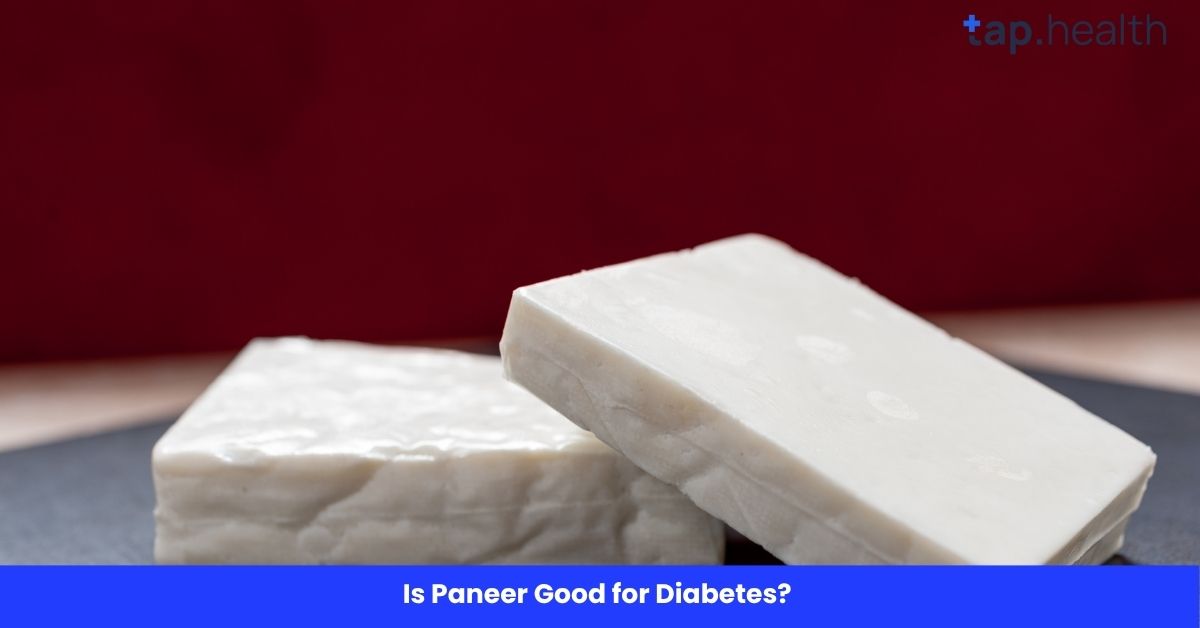
Diabetes requires careful management of diet to keep blood sugar levels stable. Paneer, a fresh Indian cheese, is often recommended for diabetics due to its low carbohydrate content, high protein, and beneficial fats. But how effective is it really in a diabetes-friendly diet? This blog will dive into the nutritional profile of paneer, its impact on blood glucose, how to include it in a diabetic meal plan, and frequently asked questions to help you make the best choices.
Understanding Paneer’s Nutritional Profile for Diabetics
Paneer, a fresh Indian cottage cheese, is a popular ingredient in many traditional dishes. For individuals with diabetes, the question of whether paneer is a suitable food choice is an important one to consider.
Paneer is known for its high protein content and relatively low carbohydrate levels. This nutritional profile makes it a potentially beneficial addition to the diet of those managing diabetes. Let’s dive deeper into the specifics of paneer’s nutritional composition and how it can impact blood sugar levels.
The Relation between Paneer and Diabetics
One of the key factors that makes paneer a favorable option for individuals with diabetes is its low carbohydrate content. Carbohydrates are the macronutrient that has the most significant impact on blood sugar levels. Since paneer is low in carbs, it does not cause rapid spikes in blood glucose the way high-carb foods can. This helps diabetics maintain better control over their blood sugar levels.
Additionally, paneer is rich in protein. Protein-rich foods are known to promote satiety and slow the absorption of sugars, further contributing to stable blood sugar management. The healthy fats present in paneer also play a role in moderating glucose responses.
The Impact of Paneer on Blood Sugar Levels
The glycemic index (GI) and glycemic load (GL) are important metrics to consider when evaluating the impact of a food on blood sugar levels. Paneer has a low glycemic index, meaning it is digested and absorbed slowly, leading to a gradual rise in blood glucose rather than a sharp spike.
Furthermore, the GL of paneer is also low, indicating that the amount of carbohydrates it contains is minimal and unlikely to cause significant fluctuations in blood sugar. This makes paneer a suitable choice for individuals with diabetes who are looking to manage their condition through dietary modifications.
Glycemic Index and Load of Paneer
The glycemic index of paneer is estimated to be around 10-15, which is considered low on the GI scale. This means that paneer is digested and absorbed slowly, leading to a gradual rise in blood glucose levels rather than a rapid spike.
In terms of glycemic load, paneer scores very low, typically around 1-2 per serving. The glycemic load takes into account both the quantity of carbohydrates and the glycemic index of a food, providing a more comprehensive assessment of its impact on blood sugar.
Is Paneer Good for Diabetes?
Yes, paneer can be a beneficial food choice for individuals with diabetes. Its low carbohydrate content, high protein levels, and low glycemic index and load make it a suitable addition to a diabetes-friendly diet.
What are the benefits of paneer for diabetes?
- Stable Blood Sugar Levels: The low carbohydrate content and slow digestion of paneer help prevent rapid spikes in blood glucose levels, allowing for better management of diabetes.
- Protein-Rich: Paneer is a rich source of high-quality protein, which can aid in maintaining muscle mass, promoting satiety, and supporting weight management – all important factors in diabetes management.
- Bone Health Support: Paneer is a good source of calcium, which is essential for maintaining strong bones. This is particularly beneficial for individuals with diabetes, who are at a higher risk of developing osteoporosis.
- Nutrient-Dense: Paneer provides a range of essential nutrients, including phosphorus, vitamin B12, and riboflavin, which can contribute to overall health and well-being for those with diabetes.
- Versatile Ingredient: Paneer can be incorporated into a variety of dishes, allowing for the creation of flavorful and satisfying meals that fit within a diabetes-friendly diet.
Health Benefits of Paneer for Individuals with Diabetes
In addition to its positive impact on blood sugar management, paneer offers several other health benefits for individuals with diabetes:
- Weight Management: The protein and healthy fats in paneer can help promote feelings of fullness, reducing the likelihood of overeating and supporting weight management efforts.
- Heart Health: Paneer contains omega-3 fatty acids, which are known to have a positive impact on cardiovascular health, reducing the risk of heart disease – a common complication associated with diabetes.
- Bone Strength: The calcium and vitamin D present in paneer contribute to the maintenance of strong, healthy bones, which is particularly important for diabetic individuals who are at a higher risk of developing osteoporosis.
- Reduced Inflammation: The anti-inflammatory properties of paneer, attributed to its omega-3 content, can help alleviate joint pain and discomfort – a common issue faced by those with diabetes.
Paneer’s Role in Stabilizing Blood Sugar
The low carbohydrate content and slow digestion of paneer are the primary reasons why it can be beneficial for individuals with diabetes. By not causing rapid spikes in blood glucose levels, paneer helps maintain stable blood sugar throughout the day.
Additionally, the protein in paneer can slow the absorption of sugars, preventing sudden increases in blood glucose. This, in turn, can help individuals with diabetes better manage their condition and reduce the risk of complications associated with fluctuating blood sugar levels.
Is paneer good for type 2 diabetes?
Yes, paneer can be a suitable food choice for individuals with type 2 diabetes. Its low carbohydrate content, high protein levels, and low glycemic index make it a diabetes-friendly option that can help manage blood sugar levels.
is paneer good for diabetes type 1
Paneer can also be a beneficial addition to the diet of individuals with type 1 diabetes. While the management of type 1 diabetes requires a more complex approach, including insulin therapy, the low-carb, high-protein profile of paneer can still contribute to stable blood sugar levels when consumed in moderation as part of a balanced, diabetes-friendly meal plan.
How much paneer should people with diabetes eat per day?
It is generally recommended for individuals with diabetes to consume moderate amounts of paneer, around 50-100 grams per serving. This portion size helps ensure that the intake of calories, saturated fats, and carbohydrates from paneer remains within a healthy range.
It’s important to monitor individual responses to paneer and adjust the portion size accordingly, as the optimal amount may vary based on factors such as overall dietary intake, activity levels, and personal metabolic considerations.
How Can Diabetics Include Paneer In Their Diabetes Diet?
There are several ways that individuals with diabetes can incorporate paneer into their meal plans:
- Grilled Paneer Salad: Marinate paneer cubes in a mixture of light oil, lemon juice, and spices, then grill them and add to a salad with fresh vegetables.
- Spinach and Paneer Stir-fry: Sauté paneer cubes with garlic, ginger, and onions, then add chopped spinach for a nutrient-dense side dish.
- Paneer Curry: Prepare a low-fat, tomato-based curry with paneer, along with a variety of vegetables and spices.
- Paneer Tikka: Skewer and grill paneer cubes with bell peppers and onions for a protein-rich appetizer or main course.
- Paneer Stuffed Vegetables: Use paneer as a filling for stuffed bell peppers, tomatoes, or zucchini for a satisfying and diabetes-friendly meal.
The key is to focus on portion control, healthy cooking methods, and pairing paneer with fiber-rich, low-glycemic vegetables and whole grains to create a balanced, diabetes-friendly meal.
Different ways to consume Paneer for Diabetes
- Grilled Paneer: Marinate paneer cubes in a mixture of spices, herbs, and a small amount of oil, then grill or bake them for a flavorful and low-calorie option.
- Paneer Tikka: Skewer and grill paneer cubes with bell peppers, onions, and a yogurt-based marinade for a protein-rich appetizer or main course.
- Paneer Curry: Prepare a tomato-based, low-fat curry with paneer, along with a variety of vegetables and spices to create a satisfying and diabetes-friendly dish.
- Paneer Stuffed Vegetables: Use paneer as a filling for stuffed bell peppers, tomatoes, or zucchini, providing a nutrient-dense and low-carb meal.
- Paneer Salad: Add grilled or sautéed paneer cubes to a salad with leafy greens, vegetables, and a light, vinegar-based dressing.
- Paneer Stir-fry: Sauté paneer with garlic, ginger, and a variety of vegetables for a quick and easy diabetes-friendly side dish.
- Paneer Bhurji: Scramble paneer with spices, onions, and tomatoes for a protein-packed breakfast or snack option.
The key is to focus on portion control, healthy cooking methods, and pairing paneer with fiber-rich, low-glycemic vegetables and whole grains to create a balanced, diabetes-friendly meal.
Managing Blood Sugar Levels with Paneer
To effectively manage blood sugar levels while incorporating paneer into the diet, individuals with diabetes should consider the following tips:
- Monitor Portion Sizes: Stick to recommended serving sizes of 50-100 grams of paneer per meal to avoid excessive calorie and fat intake.
- Choose Healthy Preparation Methods: Opt for grilling, baking, or sautéing paneer with minimal oil to reduce the overall fat and calorie content.
- Pair with Fiber-Rich Foods: Combine paneer with high-fiber vegetables, whole grains, or legumes to slow the absorption of carbohydrates and promote feelings of fullness.
- Track Blood Sugar Responses: Closely monitor your blood glucose levels before and after consuming paneer-based dishes to understand how your body reacts and make necessary adjustments to your meal plan.
- Consult a Dietitian: Work with a registered dietitian who specializes in diabetes management to create a personalized meal plan that incorporates paneer and other diabetes-friendly foods.
By following these guidelines, individuals with diabetes can enjoy the nutritional benefits of paneer while maintaining stable blood sugar levels and supporting their overall health.
Different Ways to Incorporate Paneer in a Diabetes-Friendly Diet
- Grilled Paneer Salad: Marinate paneer cubes in a mixture of lemon juice, olive oil, and spices, then grill or bake them and add to a salad with leafy greens, tomatoes, and cucumbers.
- Paneer Tikka Skewers: Thread paneer cubes, bell peppers, and onions onto skewers, then grill or bake them for a protein-rich and diabetes-friendly appetizer or main course.
- Palak Paneer: Prepare a spinach-based curry with paneer, onions, tomatoes, and aromatic spices for a nutrient-dense and diabetes-friendly main dish.
- Paneer Stuffed Peppers: Stuff bell peppers with a mixture of paneer, vegetables, and spices for a satisfying and low-carb meal.
- Paneer Bhurji: Scramble paneer with onions, tomatoes, and spices for a high-protein breakfast or snack option.
- Paneer Paratha: Make whole-wheat parathas (flatbreads) with a paneer filling for a balanced and diabetes-friendly meal.
- Paneer Kebabs: Grill or bake paneer cubes with a variety of low-glycemic vegetables like zucchini, eggplant, and bell peppers.
The key is to focus on portion control, healthy cooking methods, and pairing paneer with fiber-rich, low-glycemic ingredients to create well-balanced, diabetes-friendly meals.
Real-Life Scenario
Ravi, a 45-year-old man with type 2 diabetes, often struggles to include protein in his diet without spiking his blood sugar. By adding 50–100g of paneer to his meals—like in salads, stir-fries, or grilled dishes—he can maintain stable glucose levels while staying full longer.
Expert Contribution
Nutritionists highlight paneer as a diabetes-friendly food due to its high protein and low-carb profile. It can replace higher-carb foods like bread or rice in meals. Experts also suggest choosing low-fat or homemade paneer to reduce excess saturated fat, which can impact heart health—a common concern for diabetics.
Recommendations Grounded in Proven Research and Facts
- Portion Control: Stick to 50–100g per serving to avoid excess calories.
- Low-Fat Options: Homemade or low-fat paneer is better for managing weight and cholesterol.
- Combine with Vegetables: Pairing paneer with fiber-rich vegetables helps slow down glucose absorption.
- Cooking Methods: Opt for grilling, baking, or steaming instead of frying to keep meals healthier.
- Balanced Diet: Paneer should be part of a balanced meal including whole grains, vegetables, and healthy fats.
FAQ on is paneer good for diabetes
1.How much paneer can someone with diabetes safely eat?
It is generally recommended for individuals with diabetes to consume 50-100 grams of paneer per serving as part of a balanced, diabetes-friendly meal plan. The optimal amount may vary based on individual factors, so it’s important to monitor blood sugar responses and adjust portion sizes accordingly.
2.Are there any specific paneer recipes recommended for diabetics?
Some diabetes-friendly paneer recipes include grilled paneer salad, palak paneer, paneer tikka skewers, paneer stuffed peppers, and paneer bhurji. These recipes focus on using healthy cooking methods, pairing paneer with fiber-rich vegetables, and controlling portion sizes to support stable blood sugar levels.
3.Can paneer be eaten daily by diabetics?
Paneer can be included as part of a balanced, diabetes-friendly diet, but it’s important to consume it in moderation. Eating paneer daily in recommended portion sizes (50-100 grams) is generally considered safe for individuals with diabetes, as long as it is part of an overall healthy and well-rounded meal plan.
4.Does paneer help in managing other health conditions besides diabetes?
Yes, paneer can provide additional health benefits beyond diabetes management. Its high protein content can support muscle maintenance and weight management, while the calcium and other nutrients in paneer can promote bone health and potentially reduce the risk of certain conditions like osteoporosis.
5.What are the best times to consume paneer for optimal blood sugar control?
For individuals with diabetes, it is generally recommended to consume paneer as part of a balanced meal, rather than as a standalone snack. This helps minimize the impact on blood sugar levels by slowing the absorption of carbohydrates and providing a more gradual release of glucose into the bloodstream.
6.When should paneer be avoided?
Paneer should be avoided or consumed in very limited quantities if an individual with diabetes is experiencing high blood sugar levels or is struggling to manage their condition. In such cases, it’s best to consult a healthcare professional or registered dietitian to determine the appropriate role of paneer in the diet.
7.Can I eat paneer if I have diabetes?
Yes, paneer can be a suitable food choice for individuals with diabetes when consumed in moderation as part of a balanced, diabetes-friendly diet. The low carbohydrate content, high protein levels, and low glycemic index of paneer make it a potentially beneficial addition to the diet for managing blood sugar levels.
8.Is palak paneer good for diabetes?
Yes, palak paneer (paneer cooked with spinach) can be a good option for individuals with diabetes. The combination of paneer’s low-carb, high-protein profile and the fiber-rich spinach can help manage blood sugar levels and provide essential nutrients. As with any dish, portion control is key when incorporating palak paneer into a diabetes-friendly meal plan.
9.Is paneer healthy for diabetics?
Yes, paneer can be a healthy choice for individuals with diabetes when consumed in moderation as part of a balanced, diabetes-friendly diet. Paneer’s low carbohydrate content, high protein levels, and low glycemic index make it a suitable option for managing blood sugar levels. However, it’s important to be mindful of portion sizes and preparation methods to ensure paneer is incorporated into a healthy, well-rounded meal plan.
10.Is paneer is good for diabetes
Yes, paneer can be a good food choice for individuals with diabetes. Its low carbohydrate content, high protein levels, and low glycemic index make it a suitable option for managing blood sugar levels. When consumed in moderation as part of a balanced, diabetes-friendly diet, paneer can provide important nutrients and support overall health for those living with diabetes.
11.Is paneer is good for diabetic patient
Yes, paneer can be a beneficial food choice for diabetic patients when consumed in moderation as part of a balanced, diabetes-friendly diet. Paneer’s low carbohydrate content, high protein levels, and low glycemic index make it a suitable option for managing blood sugar levels and providing important nutrients. However, it’s important to monitor portion sizes and preparation methods to ensure paneer is incorporated into a healthy, well-rounded meal plan for diabetic patients.