Living with diabetes means being mindful of the foods you eat, especially when it comes to carbohydrates. It can often feel like you’re constantly navigating a maze of what’s safe and what might send your blood sugar on a rollercoaster ride. In the world of health foods, one “superfood” that has gained immense popularity is quinoa. But the big question for anyone managing diabetes is: is quinoa a friend or a foe?
The short answer is a resounding yes! Quinoa can be an excellent addition to a diabetic-friendly diet. However, like with any food, the devil is in the details. This comprehensive guide will walk you through everything you need to know about incorporating quinoa into your meals in a way that helps you manage your blood sugar levels effectively.
What’s the Big Deal About Quinoa?
You’ve probably seen quinoa on restaurant menus, in health food stores, and all over the internet. It’s often touted as a “superfood,” but what does that even mean? Simply put, quinoa has earned this title because it’s packed with an impressive amount of nutrients.
For someone with diabetes, the goal is to choose foods that are not only nutritious but also help maintain stable blood sugar levels. Quinoa’s unique nutritional profile makes it a standout choice that can support this goal. Throughout this article, we’ll dive deep into why this tiny seed has such a mighty reputation and how you can make it a regular and delicious part of your diabetic meal plan.
Understanding Diabetes and Diet: The Basics
Before we zoom in on quinoa, let’s quickly recap the connection between diabetes and diet. When you have diabetes, your body either doesn’t produce enough insulin (Type 1) or can’t use the insulin it produces effectively (Type 2). Insulin is a hormone that helps your cells absorb glucose (sugar) from your bloodstream for energy.
Without proper insulin function, sugar can build up in your blood, leading to high blood sugar levels. This is where diet plays a crucial role. The foods you eat, particularly carbohydrates, have the most significant impact on your blood sugar.
This is where understanding the glycemic index (GI) comes in handy. The GI is a scale from 0 to 100 that ranks carbohydrate-containing foods by how much they raise your blood sugar levels. Foods with a high GI are digested and absorbed quickly, causing a rapid spike in blood sugar. On the other hand, low-GI foods are digested more slowly, leading to a more gradual and manageable rise in blood sugar.
Quinoa 101: More Than Just a Grain
To truly understand if quinoa is a good fit for a diabetic diet, we need to get to know it a little better.
What Exactly Is Quinoa?
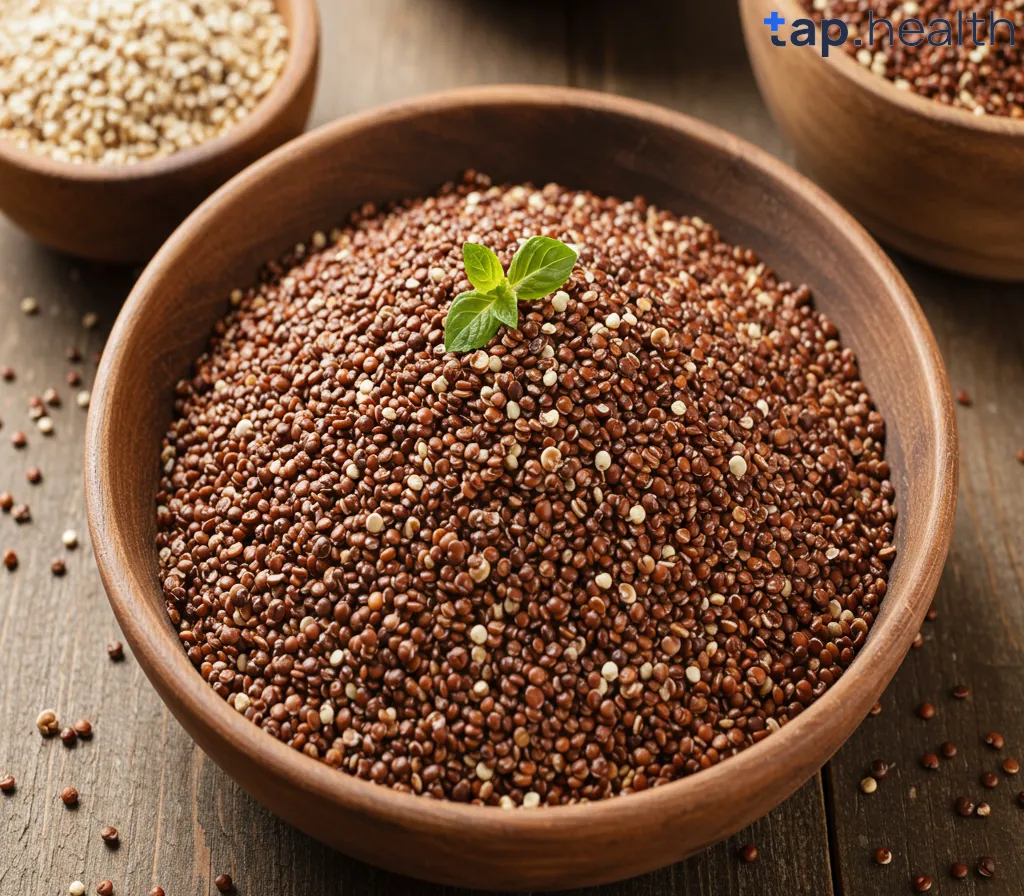
Interestingly, while we often cook and eat quinoa like a grain, it’s technically a seed. It’s what’s known as a “pseudocereal,” a term for seeds that are consumed as grains. Quinoa has been cultivated for thousands of years in the Andes mountains of South America, where it was a staple food for the ancient Incas, who revered it as “the mother of all grains.”
Today, it’s celebrated worldwide for its versatility and impressive health benefits. It comes in different colors, most commonly white, red, and black, and has a mild, slightly nutty flavor and a fluffy, slightly chewy texture when cooked.
The Nutritional Powerhouse: What’s Inside Quinoa?
Here’s where quinoa truly shines, especially for those managing diabetes. It boasts a nutritional profile that’s hard to beat:
- A Complete Protein: Quinoa is one of the few plant-based foods that is a complete protein. This means it contains all nine essential amino acids that your body can’t produce on its own. Protein is vital for repairing cells, building muscle, and it also helps you feel full and satisfied after a meal, which can aid in weight management.
- High in Fiber: Quinoa is an excellent source of dietary fiber, containing significantly more than many other grains. Fiber is a diabetic’s best friend. It slows down the digestion of carbohydrates, which in turn helps to prevent sharp spikes in blood sugar. It also promotes a healthy digestive system and can contribute to lowering cholesterol levels.
- A Treasure Trove of Vitamins and Minerals: Quinoa is rich in essential micronutrients, including:
- Magnesium: This mineral plays a crucial role in blood sugar control and insulin sensitivity. Many people with diabetes are deficient in magnesium, making quinoa an excellent food choice.
- Iron: Important for carrying oxygen in the blood.
- Manganese: An antioxidant that helps protect your cells from damage.
- Folate: A B-vitamin that’s essential for cell growth and metabolism.
- A Complex Carbohydrate: The carbohydrates in quinoa are complex, meaning they are broken down more slowly by your body compared to simple carbohydrates like those found in sugary drinks and white bread. This slow release of energy is ideal for maintaining stable blood sugar levels.
The Million-Dollar Question: Is Quinoa Good for Diabetics?
Now, let’s get to the heart of the matter. With its stellar nutritional profile, how does quinoa stack up when it comes to managing diabetes?
The Glycemic Index of Quinoa: A Diabetic’s Friend?
As we discussed, the glycemic index is a critical tool for managing diabetes. Foods with a low GI are generally better choices. Quinoa has a glycemic index of around 53, which falls into the low-to-medium range.
To put this into perspective, white rice has a GI of around 73, and white bread has a GI of about 75. This means that when you eat quinoa, your blood sugar is likely to rise more slowly and steadily compared to when you eat high-GI foods. This makes it much easier to manage your blood sugar levels and avoid those dreaded spikes and crashes.
The Power of Protein and Fiber in Quinoa for Blood Sugar Control
The benefits of quinoa for diabetics go beyond its favorable glycemic index. The high protein and fiber content work together to create a powerful blood sugar-stabilizing duo.
Imagine you’re eating a meal. The fiber in the quinoa forms a gel-like substance in your stomach, which slows down the entire digestive process. This means the carbohydrates from your meal are broken down and absorbed into your bloodstream at a much more leisurely pace. At the same time, the protein helps you feel full and satisfied, which can prevent overeating.
This combination is a winning formula for anyone with diabetes. It not only helps with blood sugar control but can also aid in weight management, which is particularly important for individuals with type 2 diabetes.
Quinoa and Insulin Sensitivity: What the Science Says
There is also growing evidence to suggest that the nutrients in quinoa may help improve insulin sensitivity. Insulin sensitivity refers to how responsive your body’s cells are to insulin. Improved insulin sensitivity means your body can use glucose from your blood more effectively, which helps to keep your blood sugar levels in a healthy range.
The high magnesium content in quinoa is thought to play a significant role here. Research has shown that a diet rich in magnesium is associated with a lower risk of type 2 diabetes and better glycemic control in people who already have the condition.
How Much Quinoa Can a Diabetic Eat? Portion Control is Key
While quinoa is undoubtedly a healthy choice, it’s essential to remember that it’s still a carbohydrate-containing food. This means that portion control is crucial. Even the healthiest of foods can lead to high blood sugar if eaten in large quantities.
So, how much quinoa is a safe amount? A good starting point for most people with diabetes is a serving size of about one-half to one cup of cooked quinoa.
Here are a few tips to help you with portion control:
- Use Measuring Cups: Don’t just eyeball your portion sizes. Use measuring cups to ensure you’re getting the right amount.
- Mind Your Plate: A simple way to build a balanced, diabetic-friendly meal is to use the plate method. Fill half of your plate with non-starchy vegetables (like broccoli, spinach, or bell peppers), one-quarter of your plate with a lean protein (like chicken, fish, or beans), and the remaining one-quarter with a complex carbohydrate like quinoa.
- Listen to Your Body and Your Meter: Everyone’s body is different. Pay attention to how your blood sugar responds after eating quinoa. Testing your blood sugar before and about two hours after your meal can give you valuable insights into how this food affects you personally.
- Consult a Professional: It’s always a good idea to work with a registered dietitian or a certified diabetes educator. They can help you create a personalized meal plan that takes into account your individual needs, preferences, and health goals.
How to Prepare Quinoa for a Diabetic-Friendly Diet
One of the best things about quinoa is how easy it is to prepare. Here are some simple steps and tips to make your quinoa dishes both delicious and diabetic-friendly.
Rinsing is a Must!
Quinoa has a natural coating called saponin, which can give it a bitter or soapy taste. While most of the quinoa sold in stores today has been pre-rinsed, it’s always a good idea to give it another rinse at home. Simply place your quinoa in a fine-mesh sieve and rinse it under cold running water for about 30 seconds to a minute before cooking.
Simple and Healthy Cooking Methods
Cooking quinoa is as easy as cooking rice. The general rule of thumb is to use a 2:1 ratio of liquid to quinoa. For every one cup of uncooked quinoa, you’ll need two cups of liquid.
Here’s a basic recipe:
- Rinse one cup of quinoa thoroughly.
- In a medium saucepan, combine the rinsed quinoa with two cups of water or low-sodium vegetable or chicken broth.
- Bring the liquid to a boil.
- Once it’s boiling, reduce the heat to low, cover the saucepan, and let it simmer for about 15 minutes, or until all the liquid has been absorbed.
- Remove the saucepan from the heat and let it sit, covered, for another 5 minutes.
- Fluff the quinoa with a fork, and it’s ready to serve!
Delicious and Diabetic-Friendly Quinoa Recipes
The versatility of quinoa means you can enjoy it in countless ways. Here are a few ideas to get you started:
- As a Supercharged Side Dish: Use cooked quinoa as a substitute for white rice or pasta alongside your favorite lean protein and vegetables.
- In a Vibrant Salad: Toss chilled, cooked quinoa with an array of colorful chopped vegetables like cucumbers, tomatoes, bell peppers, and red onions. Add some chickpeas or grilled chicken for an extra protein boost, and dress it with a light vinaigrette made with olive oil and lemon juice.
- For a Hearty Breakfast: Cook quinoa with milk or a milk alternative and a sprinkle of cinnamon for a warm and satisfying breakfast porridge. Top it with a small handful of berries and nuts for added fiber and healthy fats.
- Stuffed in Vegetables: Use a mixture of cooked quinoa, lean ground turkey, and spices to stuff bell peppers or zucchinis for a complete and flavorful meal.
- In Soups and Stews: Add a scoop of quinoa to your favorite soups and stews to make them more filling and nutritious.
When creating your quinoa meals, always aim for balance. Pairing quinoa with a lean protein source and healthy fats (like avocado, nuts, or olive oil) will further help to slow down the absorption of carbohydrates and keep you feeling full and energized for longer.
Are There Any Downsides to Quinoa for Diabetics?
While quinoa is overwhelmingly a healthy choice, there are a couple of things to keep in mind:
- It’s Still a Carb: As we’ve mentioned, while it’s a healthy complex carbohydrate, it will still affect your blood sugar levels. This is why portion control is non-negotiable.
- Calorie Density: Quinoa is a nutrient-dense food, but it’s also calorie-dense. If you’re trying to lose or manage your weight, being mindful of your portion sizes is crucial.
- Potential for Digestive Issues: For some people, suddenly introducing a large amount of fiber into their diet can cause some digestive discomfort, such as gas or bloating. If you’re new to quinoa, it’s best to start with a small serving and gradually increase your intake as your body adjusts.
Quinoa vs. Other Grains: The Diabetic Showdown
How does quinoa compare to other common grains in a diabetic diet? Let’s break it down.
Quinoa vs. White Rice
This is an easy win for quinoa. White rice is a refined grain with a high glycemic index and very little fiber or protein. Quinoa, with its low GI, high protein, and high fiber content, is a far superior choice for blood sugar control.
Quinoa vs. Brown Rice
This is a closer race, as brown rice is also a whole grain and a much better option than white rice. However, quinoa still has the edge. It generally has a slightly lower GI than brown rice and boasts more protein and fiber. Plus, quinoa is a complete protein, which brown rice is not.
Quinoa vs. Oats
Both quinoa and steel-cut or rolled oats are excellent choices for a diabetic diet. They are both rich in fiber and have a low glycemic index. The best choice between the two often comes down to personal preference and how you’re using them in a meal. Oats are fantastic for breakfast, while quinoa’s versatility makes it a great addition to lunch or dinner.
Quinoa vs. Couscous
While they may look similar, traditional couscous is a type of pasta made from semolina flour, which is a refined carbohydrate. It has a higher GI and less fiber and protein than quinoa. Whole-wheat couscous is a better option, but quinoa still comes out on top in terms of overall nutritional value.
Different Types of Quinoa: Does It Matter for Diabetics?
You’ll typically find three main varieties of quinoa in your grocery store: white, red, and black.
- White quinoa is the most common and has the mildest flavor and softest texture.
- Red quinoa has a slightly richer, nuttier flavor and holds its shape a bit better after cooking, making it a great choice for salads.
- Black quinoa has a slightly earthier and sweeter flavor and is a bit crunchier than white quinoa.
From a nutritional standpoint, the differences between the three are minimal. All are excellent choices for a diabetic diet. So, feel free to experiment with the different colors to see which ones you enjoy the most!
Your Action Plan: Adding Quinoa to Your Diabetic Meal Plan
Ready to give quinoa a try? Here’s a simple action plan to get you started:
- Start Small: Begin by incorporating a half-cup serving of cooked quinoa into one of your meals a few times a week.
- Rinse and Cook: Remember to rinse your quinoa before cooking it in water or low-sodium broth.
- Balance Your Plate: Pair your quinoa with plenty of non-starchy vegetables, a source of lean protein, and a healthy fat.
- Monitor Your Blood Sugar: Check your blood sugar levels before and after your meal to see how quinoa affects you personally.
- Get Creative: Don’t be afraid to experiment with different recipes and find new and delicious ways to enjoy this versatile seed.
By adding quinoa to your diet in a mindful and controlled way, you can enjoy its many health benefits while keeping your blood sugar levels in check. It’s a simple yet powerful way to enhance your diabetic meal plan and take another positive step on your journey to better health.
Frequently Asked Questions (FAQ) on Is Quinoa Good for Diabetics?
Here are answers to some of the most common questions about quinoa and diabetes:
Can I eat quinoa every day if I have diabetes?
Yes, you can eat quinoa every day as long as you stick to appropriate portion sizes and incorporate it into a balanced diet that includes a variety of other healthy foods.
Does quinoa raise blood sugar?
All carbohydrate-containing foods will raise your blood sugar to some extent. However, because quinoa has a low glycemic index and is high in fiber and protein, it causes a much slower and more gradual rise in blood sugar compared to refined carbohydrates, making it a very good choice for people with diabetes.
Which is better for diabetics, quinoa or oatmeal?
Both quinoa and oatmeal (specifically steel-cut or rolled oats) are excellent choices for a diabetic diet. They are both high in fiber and have a low glycemic index. Quinoa offers the added benefit of being a complete protein. The best choice often depends on the meal and your personal preference.
How much quinoa should a type 2 diabetic eat?
A typical serving size for a person with type 2 diabetes is about one-half to one cup of cooked quinoa per meal. However, it’s always best to consult with a healthcare professional for personalized advice.
Can quinoa help with weight loss for diabetics?
Yes, quinoa can be a helpful food for weight loss. Its high protein and fiber content can help you feel full and satisfied, which can prevent overeating and reduce your overall calorie intake.
Is quinoa gluten-free and why is that important?
Yes, quinoa is naturally gluten-free. This is important for individuals who have both diabetes and celiac disease or a gluten sensitivity.
What’s the best way to cook quinoa for a diabetic?
The best way to cook quinoa for a diabetic is to boil it in water or a low-sodium broth. Avoid cooking it with high-sugar or high-fat sauces. The key is to keep it simple and pair it with other healthy, whole foods.