Evolution of Smartwatches in Healthcare
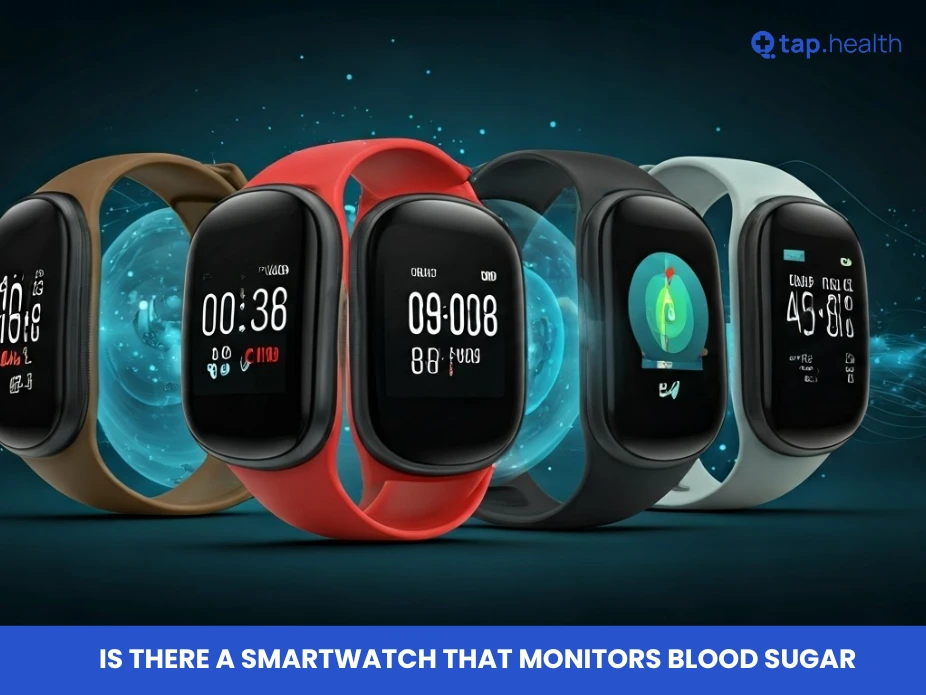
Smartwatches have transformed from basic timepieces to advanced health devices. Initially focused on fitness tracking like step counting and heart rate monitoring, they now integrate medical monitoring tools. Improved sensor technology and connectivity enable seamless data sharing with continuous glucose monitors (CGMs).
This shift supports long-term illness management, including diabetes, with alerts for irregular heart rhythms and remote patient monitoring. Smartwatch blood glucose monitoring addresses the growing need for discreet glucose checks amid rising diabetes cases.
How Smartwatches Monitor Blood Sugar
Smartwatches use non-invasive methods for blood glucose monitoring. Key technologies include:
- Optical Sensors: Emit light into skin to analyze reflection and detect glucose via absorption changes.
- Electrochemical Sensors: Generate current interacting with interstitial fluid glucose, similar to CGMs.
- Radiofrequency and Microwave Techniques: Measure dielectric properties for accurate readings.
- Nanotechnology: Nanoparticles react with glucose for precise, needle-free detection.
These enable real-time blood sugar levels on wrist, aiding insulin, diet, and exercise decisions.
Current Developments in Blood Sugar Smartwatches
As of 2025, fully integrated smartwatch blood sugar monitoring remains developmental. No mainstream devices offer FDA-cleared non-invasive glucose tracking. Prototypes from leaders like Apple (optical sensors in future Apple Watch), Samsung Galaxy Watch (healthcare collaborations), Fitbit Sense (Google partnerships), and Garmin show promise.
Smartwatches currently display CGM data from separate devices, not measure independently. Accuracy of blood glucose smartwatches varies; research and consult providers for reliability.
FDA-Cleared Glucose Monitoring Options
FDA clearance ensures device safety and efficacy through rigorous testing. For trustworthy blood sugar monitoring smartwatches, prioritize cleared models. This supports informed diabetes management, including insulin dosing. Traditional CGMs remain gold standard until smartwatch tech matures.
Benefits of Blood Sugar Monitoring Smartwatches
- Convenience: Eliminates separate CGMs or finger-pricks; discreet continuous tracking.
- Real-Time Data: Immediate glucose insights prevent hypo/hyperglycemia.
- Data Integration: Syncs with apps for trends, reminders, and personalized health management.
- Proactive Alerts: Notifies abnormal levels for timely action.
- Quality of Life: Seamless daily integration reduces monitoring burden.
These enhance diabetes control and overall wellness.
Challenges in Smartwatch Glucose Monitoring
- Accuracy: Non-invasive methods lag behind invasive CGMs; technical hurdles persist.
- Regulatory Approval: FDA scrutiny delays market entry.
- Cost: Advanced sensors raise prices.
- Battery Life: Continuous monitoring drains power quickly.
- Data Privacy: Secure health data transmission essential.
Address these for reliable blood glucose smartwatches and rings.
Top Smartwatch Models for Future Blood Sugar Monitoring
Leading health-focused models poised for glucose integration:
- Apple Watch Series 10: ECG, blood oxygen; patents hint at non-invasive glucose.
- Samsung Galaxy Watch 7: Heart, sleep tracking; sensor development underway.
- Fitbit Sense 3: Stress, heart health; potential medical partnerships.
- Garmin Venu 3: Fitness metrics; expanding to advanced monitoring.
- Google Pixel Watch 3: App integration; software drives future features.
Monitor updates for is there a smartwatch that monitors blood sugar without pricks.
Choosing the Right Blood Sugar Smartwatch
Factors for selection:
- Accuracy and Reliability: Clinical tests, user reviews.
- App Compatibility: Seamless health data sync.
- Battery Life: Supports all-day monitoring.
- Comfort and Design: Lightweight, stylish fit.
- Budget: Balance features and cost.
- Ease of Use: Intuitive interface.
- Support and Warranty: Reliable brand assistance.
Future of Blood Sugar Monitoring in Smartwatches
Expect:
- Enhanced sensor accuracy via algorithms.
- Broader platform integration.
- Reduced costs for accessibility.
- Predictive analytics and alerts.
- User-friendly designs.
- Faster FDA approvals.
This revolutionizes non-invasive diabetes tech.
FAQ: Is There a Smartwatch That Monitors Blood Sugar?
1. Is there a smartwatch that monitors blood sugar?
Emerging prototypes exist, but no accurate, widely available non-invasive models yet. Apple, Samsung lead development.
2. How accurate are blood sugar monitoring smartwatches?
Developmental; challenges in matching CGM precision. Cross-verify with traditional methods.
3. Do I need a separate device for blood sugar monitoring?
Yes, currently. Smartwatches display CGM data, not replace it.
4. Can smartwatches replace insulin pumps? No; they monitor only, not administer insulin.
5. How do blood sugar monitoring smartwatches work?
Non-invasive optical, electrochemical, or radiofrequency sensors detect glucose through skin.
6. Are there smartwatches currently available that monitor blood sugar?
No FDA-approved integrated options; future releases anticipated.
7. What to consider before using a blood sugar monitoring smartwatch?
Accuracy, approval, compatibility, battery, comfort, cost.
8. Will insurance cover smartwatch with blood sugar monitoring?
Varies; check provider.
9. How to maintain accuracy of blood sugar monitoring smartwatch?
Calibrate per guidelines, update software, verify with finger-pricks.
10. When will smartwatches with blood sugar monitoring be widely available?
Next few years as tech matures.