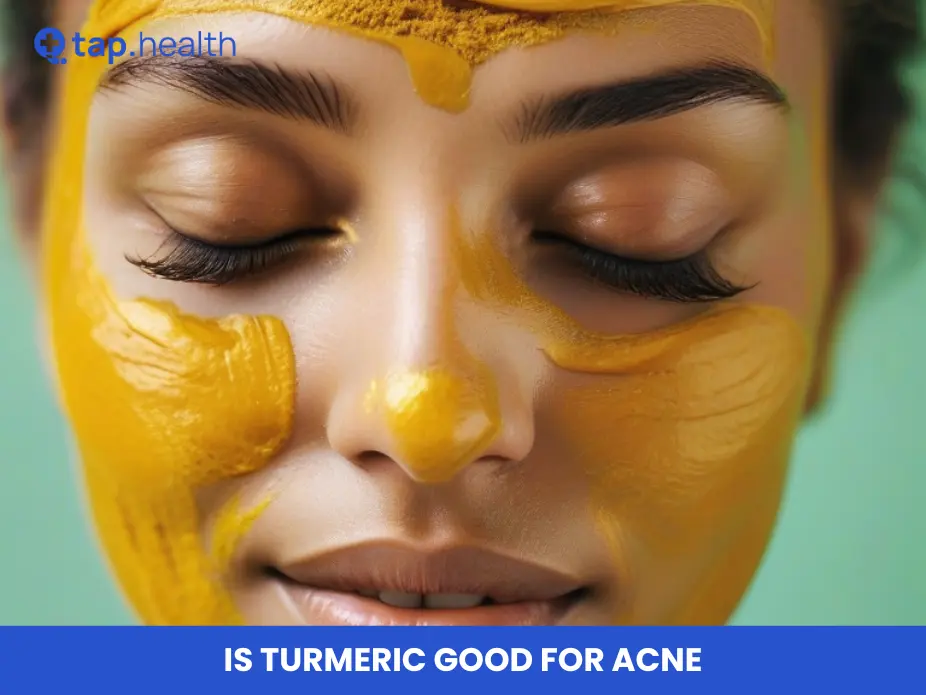
Acne is a widespread skin condition affecting people of all ages, often leading to frustration and a search for effective treatments. While there are many over-the-counter and prescription options available, natural remedies are gaining popularity due to their lower risk of side effects. One such remedy is turmeric, a golden-yellow spice commonly used in cooking and traditional medicine. But does turmeric really help with acne? Let’s explore this in detail.
What Is Acne and Why Does It Occur?
Acne is a condition that arises when hair follicles become clogged with oil, dead skin cells, and bacteria. This can lead to several types of blemishes, including pimples, blackheads, whiteheads, and even cystic lesions. Understanding the underlying causes of acne is crucial in choosing the right treatment. Here are some of the main factors:
- Excess Oil Production: The sebaceous glands produce oil (sebum) to keep the skin hydrated. However, when too much oil is produced, it can mix with dead skin cells and clog the pores, leading to acne.
- Bacterial Infection: Propionibacterium acnes (P. acnes) is a bacterium that naturally resides on the skin. When the pores are clogged, these bacteria multiply rapidly, causing inflammation and pimples.
- Hormonal Changes: Hormonal fluctuations, especially during puberty, menstruation, or pregnancy, can lead to increased oil production and, subsequently, acne.
- Diet and Lifestyle: Certain foods, high stress levels, and lack of proper skincare can contribute to acne outbreaks.
Also read this – acne free diet plan: 7 days clearer skin
The Historical Use of Turmeric in Indian Ayurveda
Turmeric is often known as the “golden spice.” It has a long history in traditional medicine, especially in Ayurveda, which is the ancient Indian method of healing. For many years, turmeric has played a major role in Ayurvedic practices. It is famous for its strong healing power and many uses.
In Ayurveda, turmeric is seen as a strong anti-inflammatory and blood purifier. Because of this, people often use it to treat many problems, like healing wounds and dealing with digestive issues. Its ability to reduce inflammation and cleanse the blood makes it an important part of Ayurvedic medicine.
Turmeric has been used for skin conditions for a long time in Ayurvedic traditions. It is thought to help with skin issues such as acne, eczema, and psoriasis. This strong belief in its effectiveness shows how turmeric has remained important in traditional skincare.
Overall, the antimicrobial properties of turmeric, along with its anti-inflammatory effects, make it a good option for managing acne. It does this by fighting both inflammation and the growth of bacteria, helping to keep acne under control.
Key Components of Turmeric: Curcumin and Its Effects
Curcumin is a natural compound found in turmeric. It is known as the most powerful part of turmeric. Curcumin has strong antioxidant properties. This means it can fight harmful free radicals and protect cells from damage. This damage can lead to aging and different diseases.
Also, curcumin has strong anti-inflammatory effects. It can work as well as some common medicines in reducing inflammation. This makes it a good choice for treating skin issues like acne.
The combination of antioxidant and anti-inflammatory abilities makes curcumin a great option for tackling various skin problems. By reducing oxidative stress and inflammation, curcumin may protect the skin from aging too fast. It can also help with healing wounds and easing inflammatory skin conditions. This shows how it can be a valuable part of keeping skin health.
The Scientific Perspective on Turmeric for Acne
Traditional medicine has praised turmeric for its skin benefits. But research on how well it works for treating acne is still very new. Even though there are some exciting early findings, we do not have much scientific evidence yet.
Still, new studies show that curcumin, the main compound in turmeric, might help with acne. Its strong antibacterial properties and ability to reduce inflammation are catching attention. This may help calm the skin and fight off the bacteria that cause acne.
1.Analyzing the Anti-inflammatory Properties of Turmeric
Acne is often caused by too much Propionibacterium acnes bacteria in hair follicles. This leads to inflammation, resulting in red and swollen pimples. Turmeric may help with acne because it has anti-inflammatory properties mainly due to curcumin.
Curcumin can reduce the production of inflammatory molecules. This helps lower the body’s response to inflammation related to acne. By cutting down inflammation, turmeric can possibly lessen redness, swelling, and pain, which are all common signs of acne breakouts.
So, turmeric may be a helpful option for tackling acne. More research is needed to confirm this, but current findings indicate that turmeric might be a natural way to help manage acne.
2.Antibacterial Effects of Turmeric Against Acne-Causing Bacteria
Turmeric is not just good for reducing inflammation; it also has strong antibacterial properties. These benefits mainly come from curcumin and other compounds found in turmeric. This antimicrobial action is important for treating acne because it targets the bacteria that cause these breakouts.
Research shows that curcumin can stop the growth of P. acnes, which is one of the main bacteria that lead to acne. By slowing down this bacterial growth, turmeric may help prevent new pimples and reduce the spread of acne.
Is Turmeric Good for Acne?
Yes, turmeric is considered beneficial for acne due to its anti-inflammatory, antioxidant, and antimicrobial properties. The key active ingredient in turmeric, curcumin, plays a significant role in reducing the symptoms of acne and preventing future breakouts. Here’s how turmeric can help combat acne:
- Anti-Inflammatory Effects: Turmeric reduces inflammation, which is a major factor in acne development, especially in cases of cystic acne.
- Antioxidant Properties: Turmeric neutralizes free radicals, reducing oxidative stress and preventing damage to skin cells.
- Antimicrobial Action: Turmeric’s ability to inhibit the growth of acne-causing bacteria like Propionibacterium acnes makes it a potent remedy for treating bacterial acne.
- Regulation of Sebum Production: By controlling excess oil production, turmeric helps in preventing the clogging of pores.
- Scar Reduction and Skin Healing: Turmeric promotes healing and can help reduce the appearance of acne scars by enhancing collagen production.
The Benefits of Turmeric for Acne
Turmeric, scientifically known as Curcuma longa, has been used for centuries in Ayurvedic and traditional Chinese medicine for its healing properties. The key active component in turmeric is curcumin, which has been extensively studied for its health benefits. Here’s how turmeric can help combat acne:
- Anti-Inflammatory Properties:
- How It Works: Inflammation is a significant factor in acne, especially in more severe forms like cystic acne. Curcumin, the active compound in turmeric, is a powerful anti-inflammatory agent. It helps reduce the swelling, redness, and pain associated with inflamed acne lesions.
- Supporting Research: Studies have shown that curcumin can inhibit the production of inflammatory cytokines, proteins that play a role in the body’s inflammatory response. By reducing these cytokines, turmeric can help alleviate the symptoms of acne.
- Antioxidant Effects:
- How It Works: Oxidative stress from free radicals can damage skin cells, leading to acne and other skin issues. Curcumin is a potent antioxidant that neutralizes free radicals, protecting the skin from damage.
- Supporting Research: Research indicates that the antioxidant properties of curcumin help in maintaining the skin’s integrity, reducing the likelihood of acne formation by keeping the skin healthier overall.
- Antimicrobial Action:
- How It Works: Turmeric has natural antimicrobial properties, which means it can help kill the bacteria responsible for acne. This is particularly useful in preventing the spread of acne and reducing the severity of breakouts.
- Supporting Research: Studies have shown that curcumin can effectively inhibit the growth of Propionibacterium acnes, the bacteria primarily responsible for acne. This makes turmeric an effective topical treatment for bacterial acne.
- Regulation of Sebum Production:
- How It Works: Excessive oil production is a primary cause of acne. Turmeric may help in regulating the production of sebum, thereby reducing the chances of clogged pores and acne outbreaks.
- Supporting Research: Some studies suggest that curcumin can influence sebocyte (oil-producing cells) activity, helping to maintain balanced oil production.
- Skin Healing and Scar Reduction:
- How It Works: Turmeric is known for its ability to promote wound healing and reduce the appearance of scars. This is particularly beneficial for those with acne scars, as turmeric can help lighten them and improve skin texture.
- Supporting Research: Clinical studies have demonstrated that curcumin can speed up the healing process of wounds and reduce scar tissue formation by promoting collagen production and cell turnover.
How to Use Turmeric for Acne
Turmeric can be used in various forms, both topically and internally, to treat and prevent acne. Here’s how you can incorporate turmeric into your skincare routine:
- Turmeric Face Mask:
- Ingredients: 1 teaspoon turmeric powder, 1 tablespoon honey, 1 tablespoon yogurt or milk.
- Instructions: Mix the ingredients to form a smooth paste. Apply the mask evenly to your face, avoiding the eye area. Leave it on for 15-20 minutes, then rinse off with warm water. Repeat 2-3 times a week for best results.
- Benefits: Honey has antibacterial properties, and yogurt or milk contains lactic acid, which gently exfoliates the skin. Combined with turmeric, this mask helps reduce acne and brighten the skin.
- Turmeric Spot Treatment:
- Ingredients: 1/2 teaspoon turmeric powder, a few drops of water or aloe vera gel.
- Instructions: Mix the turmeric with water or aloe vera to create a thick paste. Apply it directly to the acne spots and leave it on for 10-15 minutes before rinsing off.
- Benefits: Aloe vera is soothing and hydrating, making this a gentle yet effective treatment for reducing acne inflammation.
- Turmeric Cleanser:
- Ingredients: A pinch of turmeric powder, your regular facial cleanser.
- Instructions: Add a small pinch of turmeric to your regular facial cleanser and mix well. Use it to wash your face as usual, then rinse thoroughly with warm water.
- Benefits: This simple addition can enhance your daily cleansing routine by adding the anti-inflammatory and antimicrobial benefits of turmeric.
- Turmeric Supplements:
- Form: Available as capsules or tablets.
- Instructions: Follow the dosage instructions on the supplement label, or consult with a healthcare provider.
- Benefits: Taking turmeric internally can help reduce systemic inflammation, which might also benefit acne-prone skin.
Potential Side Effects and Precautions
While turmeric is generally safe for topical and internal use, there are a few considerations to keep in mind:
- Skin Staining: Turmeric can temporarily stain the skin a yellowish color. To minimize this, use it in small amounts and rinse thoroughly. Any residual staining can usually be removed with a gentle cleanser or toner.
- Allergic Reactions: Some people may be allergic to turmeric, especially when applied to the skin. Always perform a patch test on a small area of skin before using turmeric on your face to ensure you don’t have an adverse reaction.
- Consultation with a Dermatologist: If you have sensitive skin, severe acne, or other underlying skin conditions, it’s wise to consult a dermatologist before adding turmeric to your skincare routine.
How Turmeric Benefits Skin Beyond Acne Treatment
Turmeric is not just good for acne; it can help your skin in many other ways too. This amazing spice can improve your skin health, making it look clearer, brighter, and more youthful.
It can help reduce acne scars and protect your skin from harmful things in the environment. Let’s take a closer look at the great benefits turmeric offers for skin beyond treating acne.
Turmeric’s Role in Reducing Acne Scars and Hyperpigmentation
Acne scars and dark spots can be tough to deal with. They are often left from past breakouts and can be hard to remove. But turmeric offers a natural way to help reduce these marks. It may also help even out skin tone.
The key compound in turmeric is curcumin. This compound is important because it stops melanin production. Melanin is what gives skin its color. By reducing melanin, turmeric can help lighten dark spots and hyperpigmentation.
Additionally, turmeric helps increase collagen production. Collagen is a protein that helps keep skin healthy and helps it heal. By raising collagen levels, turmeric may make skin look fuller. This may help lessen the look of scars and create smoother skin texture.
Enhancing Skin’s Natural Glow with Turmeric
Turmeric does more than just help with acne and scars. It has properties that can make your skin look brighter. Turmeric is great at fighting free radicals. These are the things that can make your skin dull and cause early aging.
By fighting oxidative stress, turmeric keeps your skin bright and youthful. It’s like giving your skin a boost of shine.
Also, turmeric improves blood circulation. This means more nutrients and oxygen reach your skin cells. As a result, your skin becomes revitalized and gets a healthy, radiant glow.
Practical Ways to Incorporate Turmeric into Your Skincare Routine
Adding turmeric to your skincare routine is easy. You don’t need fancy steps. There are simple ways to enjoy the benefits of this golden spice. You can make your own face masks or buy turmeric-infused products. There are many options to fit your style and needs.
Whether you like a fast DIY project or a product from the store, using turmeric in your skincare can be simple. Let’s look at some easy and effective ways to use this golden spice.
Homemade Turmeric Face Masks for Acne-Prone Skin
Making a turmeric face mask at home is simple and fun. You can change the ingredients to match your skin type and liking. Mixing turmeric with good-for-your-skin ingredients like yogurt, honey, or aloe vera can make it even better. It feels like a spa day right at home.
A popular turmeric face mask for acne-prone skin uses turmeric powder and raw honey. Honey is great for fighting bacteria and keeping the skin hydrated. This mix helps to reduce swelling, fight germs, and moisturize the skin without taking away its natural oils.
If you want to brighten your skin more, you can add some lemon juice to the mask. Lemon juice is full of vitamin C and helps to smooth out dark spots and make your skin tone more even. Always do a patch test before using any new mask on your face. This helps to make sure you don’t have any allergic reactions.
Integrating Turmeric Supplements for Enhanced Skin Health
Incorporating turmeric supplements into your daily routine can help you enjoy its potential benefits for your skin. These supplements come in capsule or tablet form and provide a strong dose of curcuminoids. This can enhance their positive effects in your body.
Before adding turmeric supplements, it’s important to talk to a qualified healthcare provider. They can help you figure out the right dose and make sure it fits well with your overall health and any medications you may be taking.
Keep in mind that turmeric supplements are not a quick fix. They work best when used along with other things for skin health. A balanced diet, a good skincare routine, and stress management can help you reach your skin goals more effectively.
Professional Insights on Using Turmeric for Acne
Using turmeric in your skincare routine can be exciting. However, it is very important to talk to a qualified dermatologist first. This is especially true for those with existing skin conditions or sensitive skin. A dermatologist can give you advice that fits your personal skin needs and sensitivities.
Also, a dermatologist can decide if turmeric treatments suit you. They will consider any possible interactions with medications or allergies you may have. Their knowledge helps you use turmeric safely and effectively to benefit your skin.
Dermatologist’s Advice on Turmeric Use for Sensitive Skin
For people with sensitive skin, it’s important to be careful when adding turmeric to their skincare routine. Turmeric is usually safe, but it can irritate sensitive skin. This might cause reactions like contact dermatitis, which shows up as redness, itching, and swelling.
Before using any turmeric product on the whole face, a patch test is very important. This means putting a small amount of the product on a hidden spot, like the inner forearm. Then, check for any bad reactions over 24 hours.
If you see any irritation, like redness or burning, stop using the product right away. It’s also a good idea to talk to a dermatologist. They can help find other skincare options that are better for sensitive skin.
Precautions and Recommended Dosages for Turmeric Use
To figure out the right dosage of turmeric, whether you use it on your skin or take it as a supplement, you need to talk to a qualified healthcare provider. The right amount can change based on your health, skin type, and how serious the skin issue is.
Using too much turmeric can cause problems like staining your skin or making you feel upset in your stomach. Following the dosages and directions given by a healthcare provider can help reduce these risks.
Also, if you have any existing health issues or take medicines, you should be careful about using turmeric, especially in supplements. Turmeric may interact with some medications, which can change how they work or raise the chances of side effects.
FAQs on Is Turmeric Good for Acne
1.Can turmeric be used daily for acne?
- While turmeric can be used daily, it’s best to start with a few times a week to see how your skin reacts.
2. Does turmeric lighten acne scars?
- Turmeric’s anti-inflammatory and antioxidant properties can help reduce the appearance of acne scars over time.
3.Is turmeric safe for all skin types?
- Turmeric is generally safe, but those with sensitive skin should patch test before using it extensively.
References
- PubMed Central (PMC): Curcumin: A Review of Its Effects on Human Health
- National Center for Biotechnology Information (NCBI): Turmeric and Curcumin in Dermatology
- Journal of Clinical and Aesthetic Dermatology: A Review of Natural Ingredients in Acne Treatment
- Journal of Ethnopharmacology: Curcumin as a Therapeutic Agent: The Evidence from Preclinical