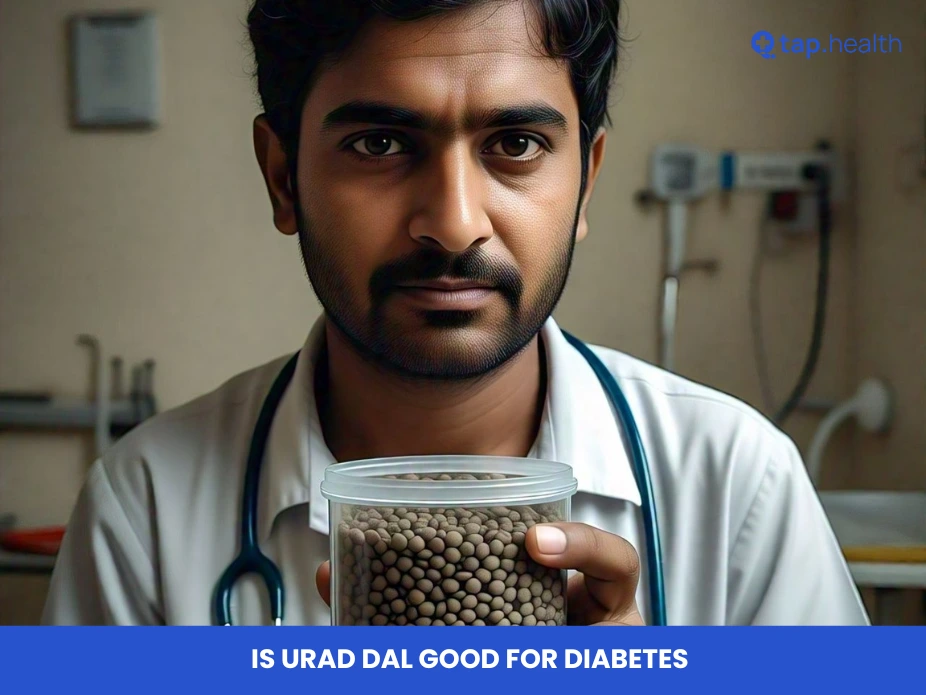
Managing diabetes effectively requires careful attention to diet. One food that often comes up in discussions about diabetes-friendly diets is urad dal. But is urad dal good for diabetes? In this comprehensive guide, we’ll delve deep into the benefits of urad dal for individuals with diabetes,.
What is Urad Dal?
Urad dal, also known as black gram or black lentil, is a type of legume widely used in Indian cuisine. It is a staple ingredient in many traditional dishes such as dosa, idli, vada, and various curries. Urad dal is available in different forms:
- Whole Urad Dal: The entire black gram with its skin intact.
- Split Urad Dal: The dal is split into two halves, often with or without the skin.
- Urad Dal Flour: Ground urad dal used in various recipes.
Urad dal is prized for its rich nutritional profile, making it a valuable addition to a balanced diet.
Nutritional Profile of Urad Dal
Understanding the nutritional content of urad dal is essential to assess its suitability for a diabetic diet. Here’s a detailed breakdown of its key nutrients per 100 grams:
- Calories: 341 kcal
- Protein: 25.2 grams
- Carbohydrates: 60 grams
- Dietary Fiber: 15 grams
- Fat: 1.2 grams
- Vitamins: B vitamins (especially folate), Vitamin K
- Minerals: Iron, Magnesium, Potassium, Phosphorus
Reference: USDA FoodData Central
Key Nutrients and Their Benefits
- Protein: Urad dal is an excellent source of plant-based protein, which is crucial for muscle repair and growth. For individuals with diabetes, protein helps in maintaining muscle mass and promoting satiety, which can aid in weight management.
- Dietary Fiber: High fiber content aids in regulating blood sugar levels by slowing down the absorption of carbohydrates. This helps in preventing sudden spikes in blood glucose levels.
- Low Fat: With minimal fat content, urad dal is a heart-healthy option, which is beneficial since individuals with diabetes are at a higher risk of heart disease.
- Vitamins and Minerals: Urad dal is rich in essential vitamins and minerals like magnesium, which plays a role in glucose metabolism, and iron, which is vital for preventing anemia, a common complication in diabetes.
Is Urad Dal Good for Diabetes?
Yes, urad dal is considered beneficial for managing diabetes when incorporated into a balanced diet. Its unique nutritional profile makes it suitable for individuals looking to control their blood sugar levels.
Benefits of Urad Dal for Diabetes
1. Low Glycemic Index (GI)
The glycemic index measures how quickly carbohydrates in food raise blood sugar levels. Foods with a low GI are preferable for managing diabetes as they lead to a gradual increase in blood sugar.
- Urad Dal’s GI Rating: Urad dal has a low glycemic index, typically around 25-30, making it an excellent choice for maintaining stable blood sugar levels.
2. High in Dietary Fiber
Dietary fiber is essential for controlling blood sugar levels. It slows down the digestion and absorption of carbohydrates, preventing rapid spikes in blood glucose.
- Benefits:
- Improves insulin sensitivity.
- Aids in weight management by promoting a feeling of fullness.
- Supports digestive health, reducing the risk of constipation.
Reference: Harvard T.H. Chan School of Public Health
3. Rich in Protein
Protein is vital for repairing tissues and building muscles. In a diabetic diet, protein helps in maintaining muscle mass and controlling hunger, which can prevent overeating and aid in weight management.
- Benefits:
- Enhances satiety, reducing overall calorie intake.
- Helps in maintaining a healthy metabolism.
- Supports the immune system.
Read this: Glycemic Index of Pulses: Why Dal Is the Secret Weapon for Diabetics
Reference: Mayo Clinic
4. Contains Essential Minerals
Urad dal is a good source of several essential minerals that play a role in diabetes management:
- Magnesium: Important for glucose metabolism and insulin action. Adequate magnesium intake is associated with a lower risk of developing type 2 diabetes.
- Iron: Prevents anemia, which can be a complication of diabetes.
- Potassium: Helps in regulating blood pressure, which is crucial since individuals with diabetes are at a higher risk of hypertension.
Reference: National Institutes of Health (NIH) – Magnesium
5. Antioxidant Properties
Antioxidants help in combating oxidative stress, which is linked to diabetes complications such as neuropathy, retinopathy, and cardiovascular diseases.
- Benefits:
- Protects cells from damage caused by free radicals.
- Reduces inflammation, which is a common issue in diabetes.
- May lower the risk of diabetic complications.
6. Supports Weight Management
Maintaining a healthy weight is crucial for managing diabetes. Urad dal, being high in protein and fiber, promotes satiety, helping to control appetite and reduce overall calorie intake.
- Benefits:
- Aids in reducing body fat.
- Helps in maintaining lean muscle mass.
- Supports a balanced metabolism.
Reference: Obesity Reviews
7. Improves Heart Health
People with diabetes are at an increased risk of heart disease. Urad dal contributes to heart health by:
- Low Fat Content: Reduces the risk of high cholesterol levels.
- High Fiber Content: Helps in lowering bad cholesterol (LDL) levels.
- Rich in Potassium: Helps in maintaining healthy blood pressure levels.
How to Incorporate Urad Dal into a Diabetic Diet
Incorporating urad dal into your diet can be both delicious and beneficial. Here are some practical and tasty ways to include it in your meals:
1. Urad Dal Soup
A hearty and nutritious soup can be made using urad dal, vegetables, and spices. This soup is easy to digest and can be customized with your favorite veggies like spinach, carrots, and tomatoes.
Recipe Idea:
- Soak 1 cup of urad dal overnight.
- Cook with 4 cups of water until soft.
- Add chopped vegetables and spices like turmeric, cumin, and coriander.
- Simmer until vegetables are tender.
- Blend for a smooth consistency if preferred.
2. Idli and Dosa
Traditional South Indian dishes like idli and dosa are made using fermented urad dal batter. These dishes are low in fat and high in protein, making them ideal for a diabetic-friendly breakfast or snack.
Tips:
- Serve with sambar (a vegetable and lentil stew) and coconut chutney for a balanced meal.
- Opt for whole grain dosa batter for added fiber.
3. Dal Tadka
Dal tadka is a flavorful dish made by tempering cooked urad dal with spices like garlic, cumin, and tomatoes.
Recipe Idea:
- Cook 1 cup of urad dal until soft.
- In a separate pan, heat 1 tablespoon of olive oil.
- Add cumin seeds, chopped garlic, onions, and tomatoes.
- Pour the tempering over the cooked dal.
- Garnish with fresh coriander and serve with brown rice or whole wheat roti.
4. Urad Dal Salad
A nutritious and refreshing salad can be made by combining boiled urad dal with chopped vegetables, lemon juice, and herbs.
Recipe Idea:
- Boil 1 cup of urad dal until tender.
- Mix with diced cucumbers, tomatoes, onions, and bell peppers.
- Add lemon juice, salt, pepper, and fresh herbs like parsley or cilantro.
- Serve chilled as a light lunch or snack.
5. Sprouted Urad Dal
Sprouting urad dal increases its nutrient availability and enhances its health benefits.
How to Sprout:
- Soak 1 cup of urad dal overnight.
- Drain and rinse thoroughly.
- Keep the dal in a damp cloth or sprouting jar for 2-3 days until sprouts appear.
- Use sprouted urad dal in salads, stir-fries, or as a topping for various dishes.
6. Urad Dal Pancakes
Create savory pancakes using urad dal flour for a protein-packed meal.
Recipe Idea:
- Mix urad dal flour with water to form a batter.
- Add chopped vegetables like spinach, carrots, and onions.
- Season with salt, pepper, and herbs.
- Cook on a non-stick pan until golden brown on both sides.
- Serve with yogurt or a light chutney.
7. Urad Dal Curry
A rich and flavorful curry made with urad dal can be paired with whole grains for a balanced meal.
Recipe Idea:
- Cook urad dal with tomatoes, onions, garlic, and spices like turmeric, cumin, and coriander.
- Add coconut milk for a creamy texture without excessive fat.
- Serve with quinoa or millet for added fiber and nutrients.
Precautions and Considerations
While urad dal is highly beneficial, it’s essential to consume it wisely to maximize its benefits and avoid potential drawbacks:
1. Portion Control
Even though urad dal is nutritious, excessive consumption can lead to an increased intake of carbohydrates, which may affect blood sugar levels. A typical serving size is about half a cup of cooked urad dal.
2. Preparation Methods
The way urad dal is prepared can impact its health benefits:
- Avoid Excess Oil: Limit the use of oil, ghee, or butter when cooking urad dal dishes.
- Limit High-Sodium Ingredients: Be cautious with added salt and high-sodium spices.
- Prefer Boiling and Steaming: Opt for methods like boiling, steaming, or grilling instead of frying to keep the dishes healthy.
3. Allergies
Some individuals may be allergic to legumes, including urad dal. Symptoms can include digestive issues, skin rashes, or more severe reactions. If you experience any adverse effects, discontinue use and consult a healthcare professional.
4. Anti-Nutrients
Legumes contain anti-nutrients like phytic acid and lectins, which can interfere with the absorption of minerals. However, soaking, sprouting, and proper cooking significantly reduce these compounds, making urad dal safe and nutritious to consume.
5. Balance Your Diet
While urad dal is beneficial, it’s essential to maintain a balanced diet that includes a variety of foods to ensure you receive all necessary nutrients. Incorporate vegetables, fruits, whole grains, and lean proteins alongside urad dal.
Comparing Urad Dal with Other Lentils
Different lentils offer varying nutritional benefits. Here’s a comparison of urad dal with some common lentil varieties to highlight its unique advantages:
| Lentil Type | Glycemic Index | Protein (per 100g) | Fiber (per 100g) |
|---|---|---|---|
| Urad Dal | Low (25-30) | 25.2g | 15g |
| Red Lentils | Medium (21-29) | 24g | 7.9g |
| Green Lentils | Low (21) | 23.6g | 15.6g |
| Chickpeas | Medium (28-36) | 19g | 12.5g |
| Black Lentils | Low (22) | 24g | 8g |
| Brown Lentils | Medium (21-29) | 25g | 8g |
Key Takeaways:
- Protein Content: Urad dal stands out with its high protein content, making it an excellent choice for muscle maintenance and satiety.
- Fiber Content: Similar to green lentils, urad dal is rich in dietary fiber, which is crucial for blood sugar management.
- Glycemic Index: Urad dal has a low glycemic index, comparable to green lentils, making it ideal for stable blood sugar levels.
Real-Life Experiences
Many individuals with diabetes have incorporated urad dal into their diets with positive outcomes. They report:
- Better Blood Sugar Control: Stable blood sugar levels due to the low glycemic index and high fiber content.
- Increased Energy Levels: Sustained energy throughout the day without the spikes and crashes associated with high-GI foods.
- Weight Management: Feeling fuller for longer periods, reducing the likelihood of overeating and aiding in weight loss or maintenance.
- Improved Digestive Health: Enhanced bowel regularity and reduced instances of constipation.
Reference: Diabetes Self-Management
Testimonials:
- Anita’s Story: “After incorporating urad dal into my diet, I’ve noticed a significant improvement in my blood sugar levels. It’s versatile and easy to prepare, which makes sticking to my diet much easier.”
- Raj’s Experience: “As someone who loves traditional Indian dishes, urad dal has been a game-changer. It keeps me full longer and helps manage my diabetes effectively.”
- Meera’s Journey: “Sprouted urad dal has not only improved my digestion but also helped me maintain a healthy weight, which has been crucial in managing my diabetes.”
Is Urad Dal Good for Diabetes? Here’s How Tap Health Can Guide You
Tap Health helps you make smart, data-driven food choices tailored to your blood sugar response. With features like:
- Personalized meal tracking for dal, grains, and daily foods.
- Blood sugar monitoring insights to see how specific foods (like urad dal) affect your glucose levels.
- AI-powered diet recommendations to help balance protein, carbs, and fiber for better diabetes management.
Whether you prefer black, white, or mash dal, Tap Health ensures you make the healthiest choice for your body.
Frequently Asked Questions (FAQ) on Is Urad Dal Good for Diabetes?
1. Is urad dal suitable for both type 1 and type 2 diabetes?
Yes, urad dal can be beneficial for both type 1 and type 2 diabetes. Its low glycemic index, high fiber, and protein content make it suitable for managing blood sugar levels. However, portion control and healthy preparation methods are essential for maximizing its benefits.
2. How much urad dal should I consume daily?
A typical serving size is about half a cup of cooked urad dal. It’s best to consult with a dietitian or healthcare provider to determine the appropriate amount based on your individual dietary needs and health status.
3. Can urad dal help in weight management?
Absolutely! The high protein and fiber content in urad dal promote satiety, which can help control appetite and reduce overall calorie intake, aiding in weight management.
4. Are there any side effects of consuming urad dal?
While urad dal is generally safe, excessive consumption may lead to digestive issues like bloating or gas due to its high fiber content. Additionally, individuals with legume allergies should avoid it. Always consume in moderation and ensure proper preparation to minimize potential side effects.
5. How should I store urad dal?
Store urad dal in an airtight container in a cool, dry place. Properly stored, it can last for several months. For longer shelf life, consider refrigerating or freezing it.
6. Can urad dal be included in a vegetarian or vegan diet?
Yes, urad dal is an excellent source of plant-based protein, making it a valuable addition to vegetarian and vegan diets. It can help meet protein requirements without relying on animal products.
7. Is urad dal gluten-free?
Yes, urad dal is naturally gluten-free, making it suitable for individuals with celiac disease or gluten sensitivity. However, always check for cross-contamination if you have severe gluten intolerance.
8. How does urad dal compare to other legumes for diabetes?
Urad dal stands out due to its high protein and fiber content combined with a low glycemic index, making it particularly effective for blood sugar management compared to other legumes like chickpeas or red lentils.
9. Is Urad Dal Good for Diabetes?
Urad dal, also known as black gram, is rich in protein, fiber, and essential minerals. It has a low to medium glycemic index (GI 43–50), meaning it causes a slow and steady rise in blood sugar levels.
This makes it a diabetes-friendly legume when eaten in moderation and prepared healthily (boiled or lightly sautéed, not deep-fried).
10. Does Urad Dal Increase Blood Sugar?
When cooked without excess oil or ghee, urad dal does not significantly raise blood sugar. Its high fiber content slows glucose absorption and helps with better glycemic control.
11. Is Black Urad Dal Good for Diabetes?
Yes. Black urad dal (whole) retains its skin, which adds fiber and antioxidants. This variety is better for diabetics than polished or split versions. It also supports heart health and digestion.
12. Is White Urad Dal Good for Diabetes?
White urad dal (split and polished) has slightly less fiber than black urad dal but is still safe for diabetics if eaten in small portions. Pairing it with vegetables or whole grains can help balance the glycemic load.
13. Is Mash Dal Good for Diabetes?
Mash dal (split black gram without skin) can be a good option, but diabetics should watch portion sizes. It’s still nutritious but has a slightly higher glycemic impact than whole urad dal.
Conclusion
Is urad dal good for diabetes? The answer is a resounding yes when incorporated thoughtfully into a balanced diet. Urad dal offers numerous benefits for diabetes management, including:
- Low Glycemic Index: Promotes stable blood sugar levels.
- High Fiber and Protein Content: Enhances satiety and improves insulin sensitivity.
- Essential Nutrients: Provides vital vitamins and minerals that support overall health.
- Antioxidant Properties: Protects against oxidative stress and diabetes-related complications.
Incorporating urad dal into your meals can contribute significantly to better blood sugar control and overall well-being. Whether it’s through traditional dishes like idli and dosa, hearty soups, or innovative salads, urad dal is a versatile ingredient that fits seamlessly into various dietary preferences.
However, it’s crucial to balance your diet with a variety of foods and consult with healthcare professionals to tailor your diet to your specific needs. Remember to practice portion control and choose healthy preparation methods to maximize the benefits of urad dal.
By understanding the nutritional advantages and implementing urad dal thoughtfully into your meals, you can enjoy its benefits while effectively managing diabetes. Embrace this nutritious legume as part of your diabetes-friendly diet and take a step towards better health.