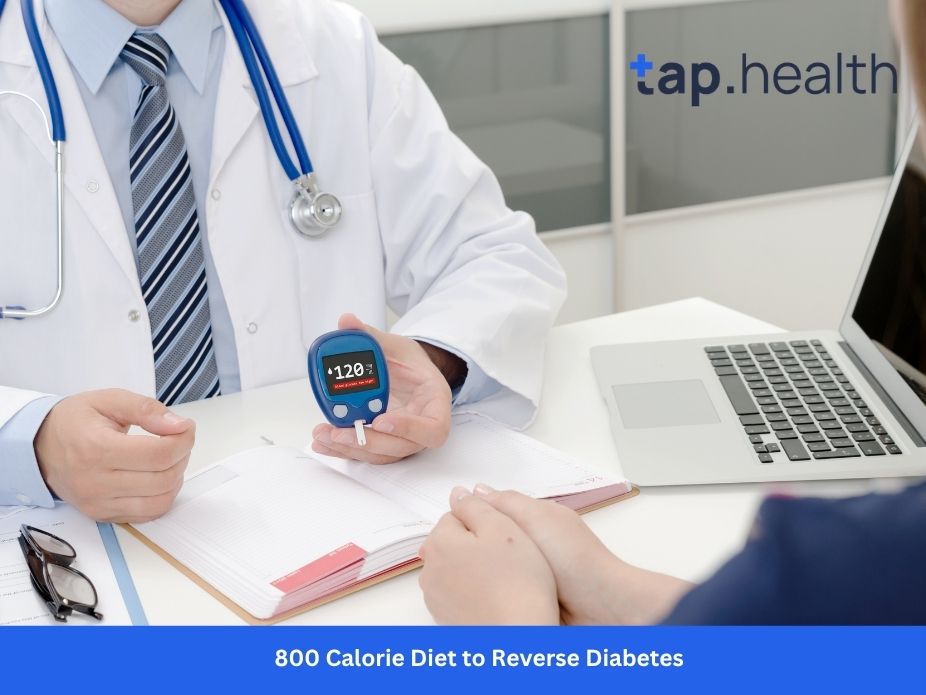
If you have Type 2 diabetes or are concerned about managing your blood sugar levels, you may have heard of Zepbound, a medication commonly used in the treatment of diabetes. But is Zepbound good for diabetics? Does it help regulate blood sugar, or are there risks associated with its use?
In this article, we’ll dive deep into what Zepbound is, how it works, its potential benefits, and any risks or side effects it may have for people with diabetes. We’ll also explore how it compares to other diabetes medications and answer the most common questions related to its use.
What is Zepbound?
Zepbound (generic name: semaglutide) is a medication used to treat Type 2 diabetes. It is part of a class of drugs known as GLP-1 receptor agonists. GLP-1 (glucagon-like peptide 1) is a hormone that naturally occurs in the body and helps regulate blood sugar levels by stimulating insulin production, slowing stomach emptying, and reducing the amount of sugar produced by the liver.
Zepbound is an injectable medication that helps improve blood sugar control by mimicking the effects of GLP-1. It is usually prescribed when lifestyle changes such as diet and exercise alone are not sufficient to manage blood sugar levels.
How Zepbound Works
Zepbound works by:
- Increasing Insulin Secretion: Zepbound stimulates the pancreas to release more insulin when blood sugar levels are high, which helps lower glucose levels.
- Reducing Glucagon Production: Zepbound reduces the production of glucagon, a hormone that raises blood sugar levels by stimulating the liver to release glucose. By reducing glucagon, Zepbound helps prevent blood sugar spikes.
- Delaying Gastric Emptying: Zepbound slows down the emptying of the stomach, which helps control blood sugar levels by slowing the absorption of glucose from food.
- Promoting Satiety: By slowing digestion, Zepbound can help increase feelings of fullness, potentially leading to weight loss. This can be beneficial for many diabetics who are overweight or obese, as weight loss helps improve insulin sensitivity.
Is Zepbound Good for Diabetics?
Now that we understand how Zepbound works, let’s look into whether it is a good option for diabetics, specifically those with Type 2 diabetes.
1. Effective Blood Sugar Control
One of the most important aspects of any diabetes medication is its ability to regulate blood sugar. Zepbound has been shown to be highly effective at lowering blood glucose levels in people with Type 2 diabetes. It not only helps reduce fasting blood sugar but also helps control blood sugar spikes after meals.
Studies have demonstrated that Zepbound significantly improves glycemic control when used in combination with other medications like metformin. This makes it a popular option for people who are struggling to keep their blood sugar in check.
2. Weight Loss Benefits
Many people with Type 2 diabetes are also overweight or obese, which makes managing blood sugar even more challenging. Zepbound has been found to aid in weight loss, which is a key factor in improving insulin sensitivity and overall blood sugar control.
By reducing appetite and slowing gastric emptying, Zepbound helps people feel fuller for longer, which can lead to lower calorie intake and weight loss. In fact, clinical trials have shown that Zepbound can help people lose 5-10% of their body weight, which has significant health benefits for diabetics.
3. Low Risk of Hypoglycemia
One of the common concerns for people taking diabetes medications is the risk of hypoglycemia (low blood sugar). Many medications, such as insulin and sulfonylureas, can cause hypoglycemia if not monitored closely.
Zepbound, however, carries a lower risk of hypoglycemia because it only stimulates insulin release when blood sugar is elevated. This means that Zepbound does not increase the risk of dangerously low blood sugar levels when blood glucose levels are already within a normal range.
4. Cardiovascular Benefits
People with Type 2 diabetes are at an increased risk for heart disease, stroke, and other cardiovascular conditions. Studies have shown that Zepbound not only helps manage blood sugar but also has positive effects on heart health.
Research indicates that GLP-1 receptor agonists like Zepbound can reduce the risk of heart attacks, strokes, and other cardiovascular events in people with Type 2 diabetes. This makes Zepbound an appealing option for diabetics who also have a history of cardiovascular disease or other heart-related issues.
Potential Risks and Side Effects of Zepbound
While Zepbound has several benefits for managing Type 2 diabetes, like any medication, it also comes with potential risks and side effects. Let’s take a look at what you should be aware of before starting Zepbound.
1. Gastrointestinal Issues
The most common side effects of Zepbound are gastrointestinal in nature, as the medication works by delaying gastric emptying. Some people may experience:
- Nausea
- Vomiting
- Diarrhea
- Stomach pain or discomfort
These side effects tend to be more common when starting the medication and usually lessen over time as the body adjusts. However, if gastrointestinal issues persist or become severe, it’s important to contact your healthcare provider.
2. Risk of Thyroid Tumors
In animal studies, GLP-1 receptor agonists like Zepbound have been shown to cause thyroid tumors in rats. While these results have not been conclusively replicated in humans, the U.S. Food and Drug Administration (FDA) requires that Zepbound carries a warning about the potential risk of thyroid cancer. As a precaution, people with a personal or family history of thyroid cancer or multiple endocrine neoplasia syndrome type 2 (a rare genetic condition) should avoid using Zepbound.
3. Pancreatitis Risk
Although rare, some people taking Zepbound may develop pancreatitis (inflammation of the pancreas). Symptoms of pancreatitis include severe stomach pain, nausea, vomiting, and fever. If you experience these symptoms while taking Zepbound, it is important to seek medical attention immediately.
4. Kidney Issues
In some people, Zepbound may cause kidney problems, especially if they already have pre-existing kidney conditions. While kidney issues are rare, your healthcare provider will likely monitor your kidney function during treatment with Zepbound.
How Does Zepbound Compare to Other Diabetes Medications?
Zepbound is just one option among many for managing Type 2 diabetes. Let’s take a brief look at how it compares to other common diabetes medications.
1. Zepbound vs. Metformin
Metformin is often the first medication prescribed for Type 2 diabetes. It works by reducing the amount of glucose produced by the liver and improving insulin sensitivity. While metformin is highly effective in managing blood sugar, it does not have the same weight loss benefits as Zepbound.
Zepbound, being a GLP-1 receptor agonist, not only helps with blood sugar control but also promotes weight loss and may reduce the risk of heart disease. However, Zepbound is often prescribed in addition to metformin when blood sugar levels are not well controlled with metformin alone.
2. Zepbound vs. Insulin
Insulin is another common treatment for Type 2 diabetes, particularly when blood sugar levels are very high. Unlike Zepbound, which stimulates insulin production based on blood sugar levels, insulin therapy involves directly injecting insulin to regulate blood sugar.
While insulin is highly effective at lowering blood sugar, it can also lead to hypoglycemia (low blood sugar) if not carefully monitored. Zepbound carries a much lower risk of hypoglycemia, making it a safer option for many people.
3. Zepbound vs. Sulfonylureas
Sulfonylureas, such as glimepiride and glipizide, are another class of medications used to treat Type 2 diabetes. They work by stimulating the pancreas to release more insulin. While sulfonylureas can lower blood sugar effectively, they are associated with an increased risk of hypoglycemia.
Zepbound is a safer alternative for many diabetics because it only stimulates insulin release when blood sugar is high, thus minimizing the risk of hypoglycemia.
Frequently Asked Questions (FAQs) ON Is Zepbound Good for Diabetics?
1. Is Zepbound effective for lowering blood sugar?
Yes, Zepbound is highly effective at lowering blood sugar levels in people with Type 2 diabetes. It helps regulate blood sugar by stimulating insulin production, reducing glucagon, and slowing gastric emptying.
2. Can Zepbound help with weight loss?
Yes, Zepbound has been shown to help with weight loss by increasing feelings of fullness and reducing appetite. Weight loss can help improve insulin sensitivity and blood sugar control.
3. What are the common side effects of Zepbound?
The most common side effects of Zepbound are gastrointestinal, including nausea, vomiting, diarrhea, and stomach pain. These side effects often lessen over time.
4. Is Zepbound safe for people with kidney problems?
Zepbound should be used cautiously in people with kidney problems. It’s important to monitor kidney function during treatment with Zepbound. Talk to your healthcare provider before starting Zepbound if you have any kidney issues.
5. Can Zepbound cause hypoglycemia?
Zepbound carries a low risk of hypoglycemia because it only stimulates insulin release when blood sugar levels are high. It is less likely to cause dangerously low blood sugar compared to other medications like insulin or sulfonylureas.
Conclusion
Zepbound can be an effective and beneficial medication for people with Type 2 diabetes, especially for those looking to improve blood sugar control, lose weight, and reduce the risk of heart disease. While there are some risks and potential side effects to be aware of, Zepbound offers significant advantages over other diabetes medications, such as a lower risk of hypoglycemia and potential cardiovascular benefits.
If you’re considering Zepbound as part of your diabetes treatment plan, consult with your healthcare provider to determine if it’s the right option for you.