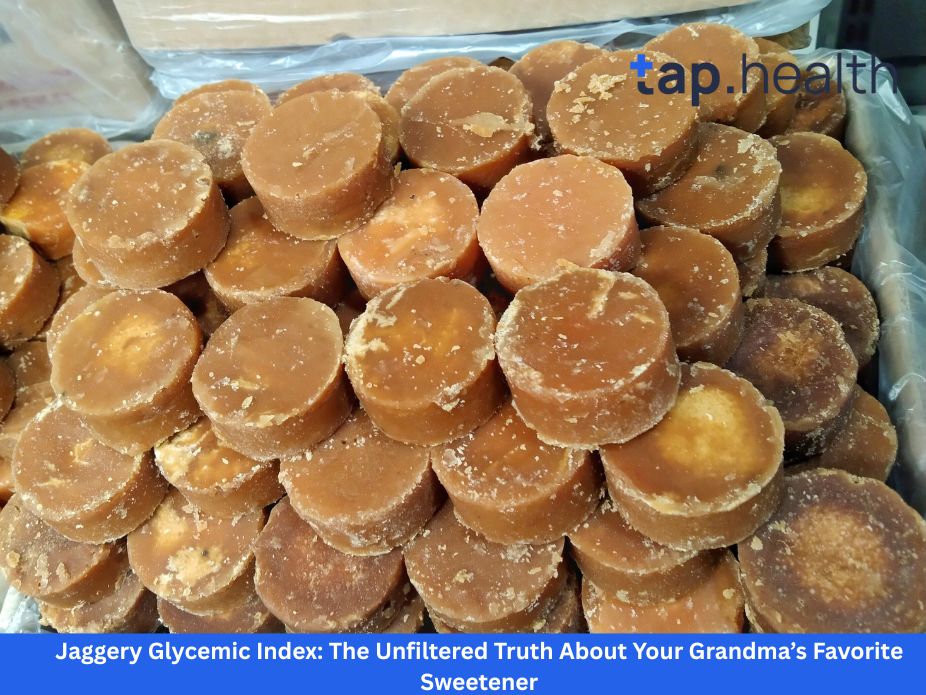
It is a familiar winter scene in almost every Indian household. As the temperature drops, the jars of white sugar are pushed back into the cupboard, and out comes the golden-brown block of Jaggery (or Gur).
Your grandmother swears by it for digestion. Your fitness-enthusiast friend puts it in their oats. Even the local chai-wallah asks, “Cheeni ya Gur?” (Sugar or Jaggery?).
We have grown up believing that Jaggery is the “healthy” sugar. We see it as natural, medicinal, and wholesome. But if you are managing diabetes, pre-diabetes, or just watching your weight, you need to look past the tradition and look at the numbers.
The big question keeps popping up: “What is the jaggery glycemic index, and is it actually better than sugar?”
Many people switch to jaggery thinking it won’t spike their insulin. But is that true? Or is it a sweet trap?
In this comprehensive guide, we are going to strip away the myths and look at the hard science. We will explore the jaggery glycemic index, compare it directly with white sugar, and tell you exactly what happens inside your body when you eat that piece of Gur after a meal.
What Is Jaggery (Gur)?
Before we dive into the numbers, let’s understand what we are eating.
Jaggery is an unrefined sugar product made primarily in Asia and Africa. In India, it is produced by boiling concentrated sugar cane juice until it solidifies. Because it is not spun in a centrifuge to remove the molasses (like white sugar), it retains a golden-brown colour and a rich, caramel-like flavour.
Types of Jaggery
- Sugarcane Jaggery: The most common type found in Indian kitchens.
- Palm Jaggery: Made from the sap of palm trees (often darker and harder).
- Coconut Jaggery: Made from coconut sap.
While it is less processed than white crystals, at its core, it is still a concentrated sweetener.
Glycemic Index of Jaggery
This is the most critical section for anyone monitoring their blood glucose.
The Glycemic Index (GI) is a ranking system (from 0 to 100) that tells you how fast a food raises your blood sugar levels.
- Low GI (0–55): Slow digestion, steady energy (e.g., Dal, Vegetables).
- Medium GI (56–69): Moderate rise (e.g., Brown rice).
- High GI (70–100): Rapid spike (e.g., White bread, Glucose).
What Range Does Jaggery Usually Fall Into?
Here is the shocker: The Glycemic Index of Sugarcane Jaggery is very high.
Most studies and nutritional data place the jaggery glycemic index around 84.4.
Yes, you read that right. It is high.
To put that in perspective, pure Glucose is 100. Jaggery is dangerously close to the top of the scale. This means that when you eat jaggery, it breaks down into glucose and mixes into your bloodstream almost immediately.
Why GI Can Vary by Type and Processing
You might see different numbers online, ranging from 50 to 85. Why the confusion?
- Source: Palm jaggery often has a lower GI (reported around 35–40 in some studies, though commercial versions vary) compared to sugarcane jaggery.
- Processing: Some homemade or artisanal jaggery might have more impurities (fiber/wax) that slightly slow digestion, but standard market Gur is high GI.
The Verdict: If you are eating standard sugarcane jaggery, assume it has a High GI.
Jaggery vs Sugar – What’s the Difference?
If jaggery has a high GI, why do people call it healthy? Let’s compare them side-by-side.
| Feature | White Sugar (Refined) | Jaggery (Gur) |
| Source | Sugarcane (Processed) | Sugarcane (Unrefined) |
| Glycemic Index (GI) | ~65 (Sucrose) | ~84.4 |
| Calories (per 100g) | ~387 kcal | ~383 kcal |
| Digestion Speed | Fast | Very Fast |
| Nutrients | Zero (Empty Calories) | Traces of Iron, Magnesium, Potassium |
| Insulin Spike | High | Very High |
The “Health” Trap
Notice the GI numbers. White sugar (Sucrose) actually has a slightly lower GI (~65) than Jaggery (~84).
- Why? White sugar is 50% glucose and 50% fructose. Fructose must go to the liver before entering the bloodstream, which slightly delays the spike.
- Jaggery: Contains sucrose, but also free glucose and other simple sugars that hit the blood instantly.
So, strictly speaking about blood sugar spikes, jaggery can be worse than sugar.
Glycemic Load of Jaggery
While GI tells you the speed of the spike, Glycemic Load (GL) tells you the size of the spike based on how much you eat.
Why Portion Size Matters More Than GI
Let’s say you are diabetic. You know jaggery is high GI.
- Small Serving (2 grams / a tiny pinch): The impact on your blood sugar might be negligible because the total carb count is low.
- Large Serving (20 grams / a piece of sweet): This sends a massive load of glucose into your blood.
Small Serving vs Large Serving Impact
- High GI + High Quantity = Danger Zone.Since we often use jaggery generously in kheer or tea, the Glycemic Load becomes very high. Just because it is “natural” does not mean you can eat more of it.
Read this: Is Jaggery Good for Diabetes
Does Jaggery Spike Blood Sugar?
Yes. Absolutely.
There is a dangerous myth circulating on WhatsApp groups and home remedy videos that diabetics can replace sugar with jaggery freely. This is false.
How Jaggery Affects Insulin Response
When you consume jaggery:
- It dissolves rapidly in your stomach.
- It enters your intestines and absorbs into the blood as glucose.
- Your blood sugar shoots up.
- Your pancreas is forced to pump out a large burst of insulin to manage this spike.
For a diabetic whose pancreas is already struggling, this puts immense stress on the organ.
Jaggery in Tea, Sweets, and Desserts
“I only put jaggery in my tea, not sugar.”
If you drink 3 cups of tea a day, and each cup has a teaspoon of jaggery, you are spiking your insulin three times a day. Over time, this contributes to Insulin Resistance just as much as white sugar does.
Nutritional Value of Jaggery
To be fair, jaggery is not “empty” like white sugar. It does have benefits—but usually not for blood sugar control.
Minerals in Jaggery (Iron, Magnesium, Potassium)
Because it retains the molasses, jaggery contains:
- Iron: Good for preventing anemia (especially in pregnant women).
- Magnesium: Helps relax muscles and nerves.
- Potassium: Good for heart health and reducing water retention.
- Antioxidants: Helps fight oxidative stress.
What Jaggery Does Not Provide
It does not provide fiber or protein to slow down sugar absorption.
- Key Point: To get a significant amount of iron from jaggery, you would have to eat huge amounts of it—which would wreck your blood sugar. It is better to get iron from spinach or supplements than from a block of sugar.
Is Jaggery Better Than Sugar for Diabetes?
If we look purely at the nutrient profile, Jaggery wins. It has minerals; sugar has none.
If we look at Blood Sugar Control, neither wins—and Jaggery might even be slightly riskier due to the high GI.
For a Diabetic:
- Is it better than sugar? Marginally. (Only because of the trace minerals).
- Is it safe? No.
Treat jaggery exactly like you treat sugar. It is a treat, an indulgence, not a health food.
Who Should Avoid Jaggery?
While delicious, Gur is not for everyone.
- Diabetics (Type 1 and Type 2): Due to the high jaggery glycemic index, it disrupts glucose control.
- Weight Watchers: It has almost the same calories as sugar. It will not help you lose weight.
- People with High Triglycerides: Excess sugar/jaggery converts to fat in the liver, raising cholesterol levels.
- Those prone to inflammation: Sugar promotes inflammation, worsening arthritis or acne.
Healthier Sweet Alternatives for Diabetics
If you need sweetness in your chai or dessert, skip the sugar and jaggery glycemic index battle entirely and look for these alternatives:
- Stevia: A natural plant leaf. Zero GI. Zero Calories. This is the gold standard for diabetics.
- Monk Fruit: Another natural, zero-calorie sweetener.
- Erythritol: A sugar alcohol that doesn’t spike blood sugar (good for baking).
- Date Syrup (in moderation): While still high in sugar, dates have fiber which lowers the GI slightly (~42) compared to jaggery.
Real-Life Scenario
Meet Ramesh (54, Accountant from Delhi)
Ramesh was diagnosed with Type 2 Diabetes three years ago. He immediately threw all the white sugar out of his house. However, he loved his morning tea and evening kheer. He replaced sugar with organic Gur (Jaggery), believing it was safe.
The Problem:
Despite taking his medicines, his HbA1c (average blood sugar) remained stuck at 7.8%. He couldn’t understand why. “I don’t eat sugar!” he told his doctor.
The Realization:
His doctor asked him to track his diet. Ramesh was consuming about 30g of jaggery daily. The doctor explained that for his body, that jaggery was turning into glucose just as fast as the white sugar he banned.
The Change:
Ramesh switched to Stevia drops for his tea. He saved the jaggery only for festivals (a tiny piece).
The Result: Within 3 months, his HbA1c dropped to 6.9%. The “healthy” jaggery was the hidden culprit.
Expert Contribution
We consulted Dr. S. Iyer, a Clinical Nutritionist and Diabetes Educator with 15 years of experience.
“I encounter this myth daily. Patients tell me, ‘Ma’am, I have switched to Jaggery, so my diabetes should be fine.’ I have to burst their bubble.
From a biochemical perspective, sugar is sugar. Whether it is white, brown, or jaggery, it demands insulin. The mineral content in jaggery is too low to justify the sugar spike. If you are diabetic, do not fall for the ‘natural’ label. Your pancreas cannot tell the difference between Jaggery and refined sugar. Use it very sparingly, or not at all.”
Recommendations Grounded in Proven Research and Facts
Based on data from the National Institute of Nutrition (India) and diabetes care guidelines:
- Limit Intake: The World Health Organization (WHO) recommends reducing free sugars to less than 5-10% of daily calories. This includes jaggery.
- Palm over Cane: If you must use jaggery, Palm Jaggery (often called Karupatti) generally has a lower glycemic response than sugarcane jaggery due to its different composition and lower sucrose levels.
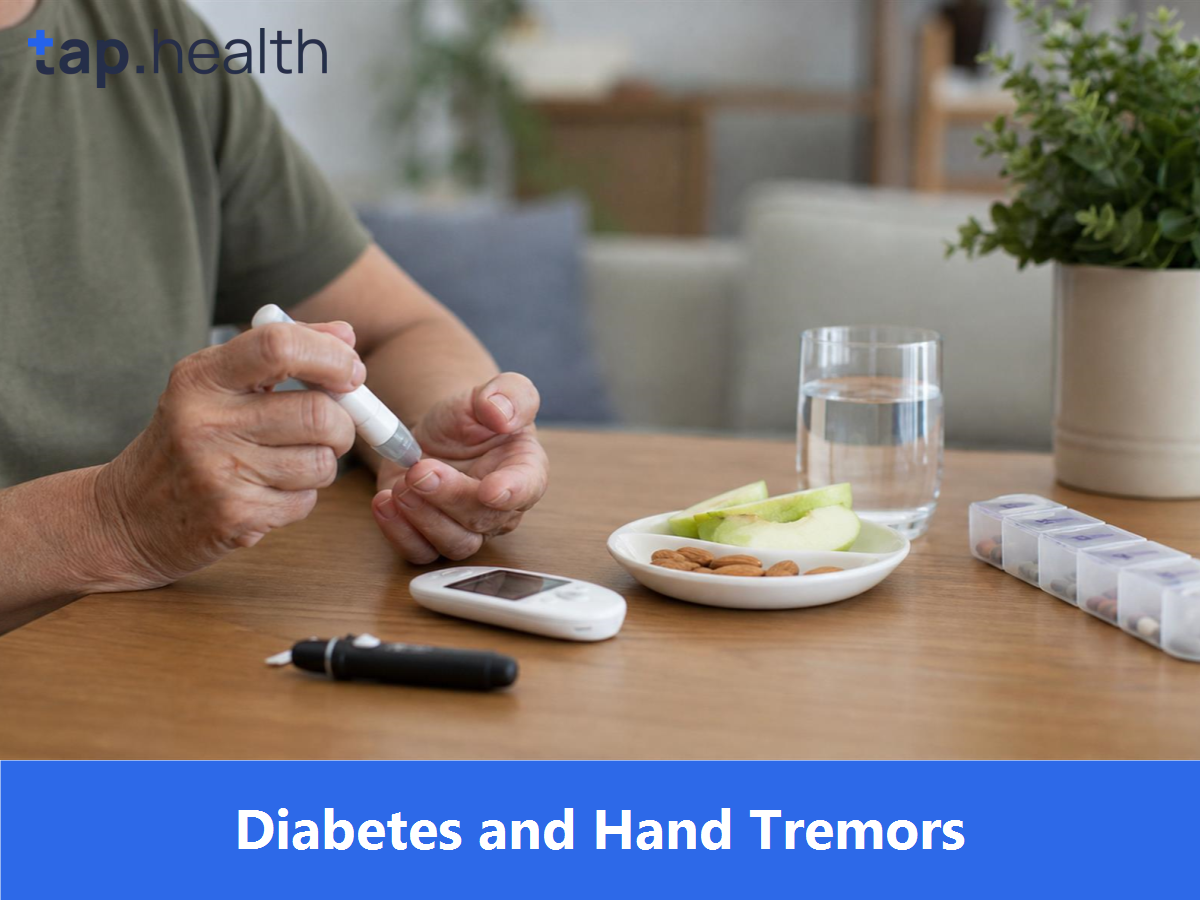
- The “Meal Test”: If you want to know how jaggery affects you, use a glucometer. Check your sugar. Eat 10g of jaggery. Check again after 1 hour. The spike will show you the truth better than any article.
Conclusion: Key Takeaways
The debate on the jaggery glycemic index leads us to a clear conclusion:
- Jaggery is NOT low GI: At ~84.4, it is a high-glycemic food.
- It Spikes Sugar: It causes a rapid rise in blood glucose and insulin.
- Nutrients are Minor: The iron and magnesium are present but don’t cancel out the sugar content.
- Not a Diabetes Cure: It is safer to use Stevia or Monk Fruit for daily sweetness.
- Treat it as a Treat: Enjoy a small piece of Gur in winter for the taste and tradition, but do not consider it a health supplement for blood sugar control.
Understanding the numbers empowers you to make better choices. Don’t let the golden colour fool you—keep an eye on the spike!
Frequently Asked Questions (FAQ) on Jaggery Glycemic Index
1. Does jaggery spike your blood sugar?
Yes. Jaggery breaks down into glucose and sucrose very quickly. Because it lacks fiber, it enters the bloodstream rapidly, causing a sharp spike in blood sugar levels, similar to or sometimes higher than table sugar.
2. What is the glycemic index of jaggery vs sugar?
Sugarcane Jaggery has a GI of approximately 84.4, whereas Table Sugar (Sucrose) has a GI of roughly 65. This means jaggery can technically raise blood sugar faster than white sugar, although both are considered high-GI foods to be limited.
3. Which sugar has zero glycemic index?
Stevia and Monk Fruit sweeteners have a glycemic index of zero. They are not technically “sugars” but natural plant-based sweeteners that do not raise blood glucose levels at all.
4. Is jaggery good for asthma patients?
Jaggery is often recommended in Ayurveda for asthma because it is believed to have anti-allergic properties and acts as a lung cleanser, helping to clear mucus. However, this benefit is related to respiratory health, not blood sugar. Diabetic asthma patients should still be very careful.
5. Is Palm Jaggery better than Sugarcane Jaggery?
Yes, generally. Palm Jaggery tends to have a lower Glycemic Index (some sources say range 35-40, though commercial variance is high) and contains more micronutrients than sugarcane jaggery. It is considered a slightly better option, but portion control is still necessary.
6. Can I eat jaggery powder daily if I am pre-diabetic?
It is risky. Daily consumption of jaggery powder keeps your insulin levels elevated, which can push pre-diabetes into full Type 2 diabetes. It is better to treat it as an occasional indulgence rather than a daily habit.
7. Does jaggery help in weight loss?
No directly. Jaggery contains almost the same number of calories as sugar (approx 383 kcal per 100g). Replacing sugar with jaggery will not create a calorie deficit. However, it may help slightly with water retention due to its potassium content.
8. Why is jaggery dark in colour?
The dark colour comes from the molasses and minerals remaining in the juice during boiling. Darker jaggery is usually less processed and richer in minerals. Light yellow jaggery often has chemicals (like sodium hydrosulphite) added to clarify the colour. Always choose darker, aged jaggery.