In recent years, there has been a growing interest in ancient grains and millets due to their nutritional value and potential benefits for managing blood sugar. Among these grains, Khapli wheat and Little millet have gained attention for their low glycemic index and various health benefits. This article will provide an in-depth understanding of the glycemic index of Khapli wheat and Little millet, how they compare with other grains, and why they should be part of a healthy, diabetes-friendly diet.
We will also explore the nutritional benefits, health effects, and practical tips on how to incorporate these ancient grains into your meals. Whether you’re looking to manage your blood sugar levels or simply improve your overall health, this article covers everything you need to know about Khapli wheat and Little millet.
What is Glycemic Index (GI)?
The glycemic index (GI) is a measure of how quickly a food raises blood sugar levels after being consumed. Foods with a high GI (greater than 70) cause a rapid rise in blood sugar, while those with a low GI (55 or less) lead to a gradual increase in blood glucose levels. Low-GI foods are often recommended for people managing diabetes, insulin resistance, or those looking to maintain stable blood sugar levels.
- Low GI: 0-55
- Medium GI: 56-69
- High GI: 70 and above
Foods with a low GI not only help manage blood sugar but also keep hunger at bay for longer periods, making them beneficial for weight management.
Khapli Wheat Glycemic Index
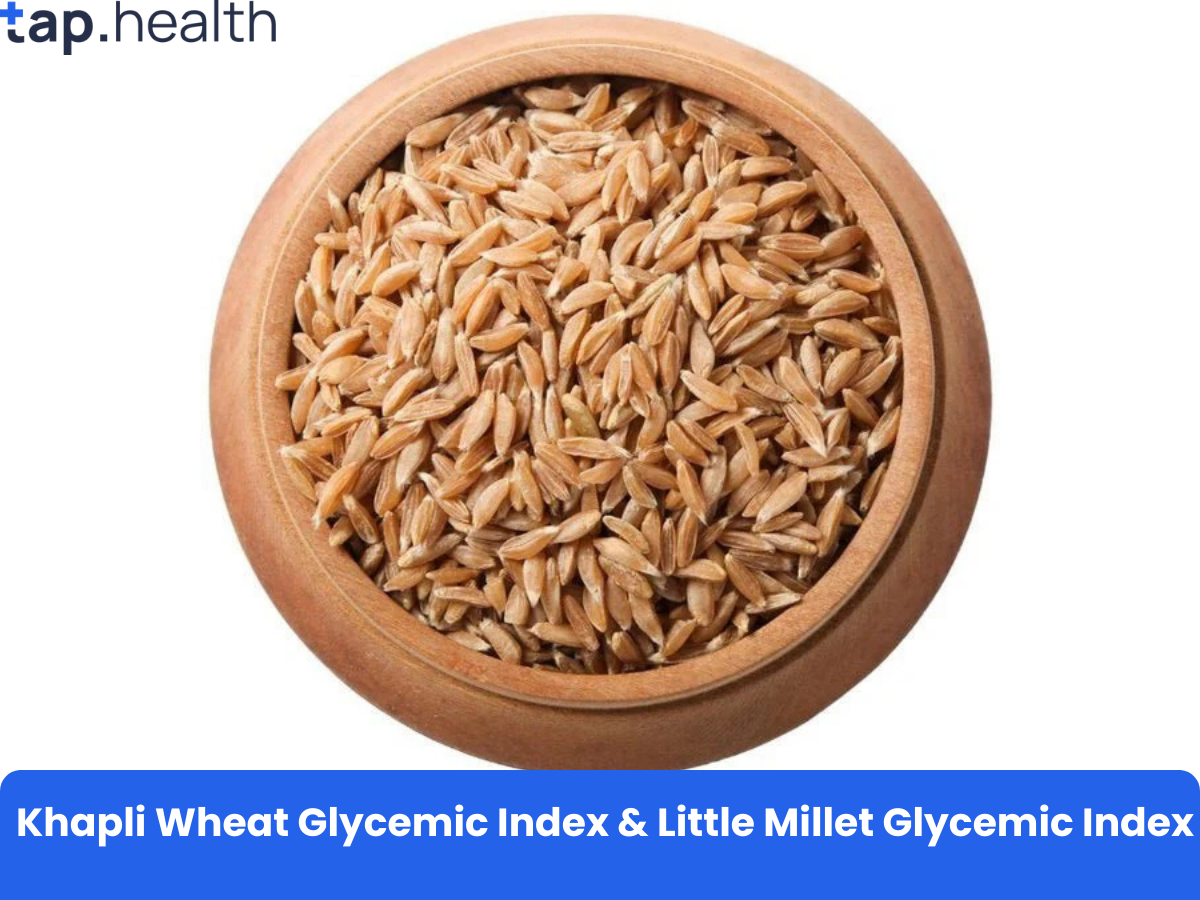
Khapli wheat, also known as Emmer wheat, is one of the oldest varieties of wheat and has been used in Indian diets for centuries. Unlike modern wheat varieties, Khapli wheat is grown organically and contains more nutrients and fibre, making it a great alternative for people seeking to maintain balanced blood sugar levels.
Glycemic Index of Khapli Wheat
The glycemic index of Khapli wheat ranges between 45 and 50, which places it in the low-GI category. This makes Khapli wheat a suitable choice for people looking to manage their blood sugar levels, as it releases glucose into the bloodstream slowly and steadily, preventing sharp spikes in insulin levels.
Why is Khapli Wheat Low GI?
Khapli wheat has a lower glycemic index compared to regular wheat due to the following factors:
- Higher Fibre Content: Khapli wheat is rich in dietary fibre, which slows the absorption of carbohydrates and reduces the impact on blood sugar.
- Complex Carbohydrates: The carbohydrates in Khapli wheat are more complex and take longer to digest, leading to a gradual release of glucose into the bloodstream.
- Low Processing: Since Khapli wheat undergoes minimal processing, it retains more of its natural nutrients, including bran, which helps manage blood sugar.
Health Benefits of Khapli Wheat
Khapli wheat’s low glycemic index and high nutritional profile offer numerous health benefits, especially for people with diabetes or those managing their blood sugar:
- Supports Blood Sugar Control: The slow-release of glucose helps keep blood sugar levels stable, making it a great option for diabetic and pre-diabetic individuals.
- Rich in Nutrients: Khapli wheat is high in vitamin B, magnesium, and iron, all of which support energy production, muscle function, and immune health.
- Improves Digestion: The high fibre content aids in digestion, preventing constipation and promoting a healthy gut microbiome.
- Helps with Weight Management: The fibre in Khapli wheat helps promote satiety, reducing the chances of overeating and contributing to weight loss.
Little Millet Glycemic Index
Little millet, also known as Samai or Sama, is a nutritious grain commonly used in India and parts of Asia. It is gluten-free and rich in essential nutrients, making it an excellent choice for people who are sensitive to gluten or those with dietary restrictions.
Glycemic Index of Little Millet
Little millet has a low glycemic index, with a GI ranging between 50 and 55. This places it in the low-GI category, similar to Khapli wheat. The GI of Little millet is comparable to other whole grains like barley and quinoa, which are also known for their health benefits.
Why is Little Millet Low GI?
The low glycemic index of Little millet is attributed to the following factors:
- High Fibre Content: Little millet is a rich source of soluble and insoluble fibre, which helps to slow down carbohydrate digestion and the absorption of sugars.
- Complex Carbohydrates: Like Khapli wheat, Little millet is composed of complex carbohydrates that provide a slow and steady release of glucose, preventing rapid spikes in blood sugar.
- Minimal Processing: Little millet is minimally processed, which helps preserve its nutrients, especially the bran and germ, which are key in regulating blood sugar.
Health Benefits of Little Millet
Little millet is not only low-GI but also highly nutritious. Here are some of the health benefits of incorporating Little millet into your diet:
- Diabetes Management: Due to its low GI and high fibre content, Little millet helps regulate blood sugar levels and can be part of a diabetic-friendly diet.
- Supports Heart Health: Little millet is rich in antioxidants, such as polyphenols, which help protect against oxidative stress and reduce the risk of heart disease.
- Improves Digestive Health: The high fibre content in Little millet promotes digestion, reduces bloating, and aids in weight management by keeping you fuller for longer.
- Rich in Nutrients: Little millet is high in iron, calcium, magnesium, and B vitamins, which support energy production, bone health, and overall vitality.
Khapli Wheat vs Little Millet: Glycemic Index Comparison
When comparing Khapli wheat and Little millet, both grains have a low glycemic index, but there are subtle differences:
| Grain | Glycemic Index (GI) |
|---|---|
| Khapli Wheat | 45-50 |
| Little Millet | 50-55 |
- Khapli Wheat: Khapli wheat has a slightly lower GI (45-50), which means it may be a slightly better choice for those who need to control blood sugar levels more strictly.
- Little Millet: With a GI of 50-55, Little millet is still a good choice for those aiming for stable blood sugar levels, though it might cause a marginally higher blood sugar response compared to Khapli wheat.
How to Include Khapli Wheat and Little Millet in Your Diet
Both Khapli wheat and Little millet are versatile grains that can be used in a variety of dishes. Here’s how you can incorporate them into your meals:
1. Khapli Wheat Recipes
- Khapli Wheat Flour Roti/Chapati: Replace regular wheat flour with Khapli wheat flour to make a healthy roti or chapati.
- Khapli Wheat Porridge: Cook Khapli wheat with water or milk and top with nuts, seeds, and fruits for a wholesome breakfast.
- Khapli Wheat Salad: Use cooked Khapli wheat as a base for a salad, adding vegetables, herbs, and a lemon dressing for a nutritious meal.
2. Little Millet Recipes
- Little Millet Khichdi: Cook Little millet with lentils and vegetables for a warm, comforting meal.
- Little Millet Pulao: Use Little millet as a substitute for rice to make a low-GI pulao with your favourite vegetables.
- Little Millet Upma: Prepare upma with Little millet instead of semolina for a nutritious breakfast or snack.
3. Combine Khapli Wheat and Little Millet
For added variety and nutrition, you can combine both grains in your meals. For instance, mix Khapli wheat flour with Little millet flour to make nutritious rotis or pancakes. This combination will offer a range of nutrients while keeping the glycemic index low.
Key Takeaways
- Khapli Wheat Glycemic Index: Khapli wheat has a low glycemic index (45-50), making it a great option for those managing blood sugar levels.
- Little Millet Glycemic Index: Little millet also has a low glycemic index (50-55), making it suitable for blood sugar control and overall health.
- Health Benefits: Both Khapli wheat and Little millet are rich in fibre, protein, and essential nutrients like iron, magnesium, and B vitamins, supporting heart health, digestion, and weight management.
- Diabetes Management: Both grains are ideal for those with diabetes, as they help prevent blood sugar spikes and improve insulin sensitivity.
- Versatility in Cooking: Khapli wheat and Little millet can be used in a variety of dishes, from roti and khichdi to salads and soups, making them easy to incorporate into your daily meals.
FAQ on Khapli Wheat Glycemic Index
Q1: What is the glycemic index of Khapli wheat?
The glycemic index of Khapli wheat ranges between 45 and 50, placing it in the low-GI category, which is beneficial for blood sugar control.
Q2: Is Little millet better than Khapli wheat for diabetes management?
Both Khapli wheat and Little millet have a low glycemic index, making them both suitable for managing blood sugar. Khapli wheat has a slightly lower GI, but Little millet is still an excellent choice.
Q3: Can Khapli wheat and Little millet be used in baking?
Yes, both Khapli wheat and Little millet can be used in baking. You can substitute regular flour with Khapli wheat or Little millet flour to make healthier baked goods.
Q4: Are Khapli wheat and Little millet gluten-free?
Khapli wheat contains gluten, so it is not suitable for those with celiac disease or gluten sensitivity. However, Little millet is gluten-free, making it a great alternative for people with gluten intolerance.
Q5: How can I include Little millet in my diet?
Little millet can be used in various dishes, such as khichdi, pulao, or upma. It can also be used as a rice substitute or made into a nutritious porridge.
Q6: Can I use Khapli wheat for making bread?
Yes, Khapli wheat can be used to make bread, either on its own or in combination with other flours. It gives the bread a nutty flavour and is more nutritious than regular wheat flour.
Q7: Is Little millet good for weight loss?
Yes, Little millet is a great option for weight loss due to its high fibre content, which helps keep you full for longer and prevents overeating.
Q8: How do Khapli wheat and Little millet compare to other grains like rice and wheat?
Khapli wheat and Little millet both have a much lower glycemic index than regular rice and wheat, making them better choices for blood sugar control and overall health.