For years, the standard exercise prescription for type 2 diabetes was simple: “Go for a walk, jog, or do some cardio.” While cardiovascular exercise is excellent for heart health and calorie burning, focusing solely on aerobic exercise overlooks a highly powerful tool in metabolic medicine: strength training (resistance exercise).
Skeletal muscle is not just for movement; it is the largest, most active metabolic organ in the human body. In fact, skeletal muscle is responsible for clearing up to 80% of post-meal glucose from the bloodstream.
When you lose muscle mass—due to aging, inactivity, or metabolic stress—you lose your body’s primary “glucose sink.” Conversely, building and maintaining muscle tissue through resistance training directly repairs the cellular pathways responsible for insulin sensitivity, providing a realistic pathway toward Type 2 diabetes remission.
This guide explores the science of strength training in metabolic health. We will explain how muscle contractions clear glucose without insulin, detail the GLUT4 receptor pathway, discuss the dangers of sarcopenic obesity, outline how to design a safe lifting program, and provide a weekly resistance exercise checklist.
—
1. Muscle Fiber Types and Glycogen Storage
To understand how skeletal muscle regulates glucose, we must examine the physiology of muscle fibers. Skeletal muscle is composed of two primary fiber types:
1. Type I (Slow-Twitch Oxidative) Fibers: High mitochondrial density, highly resistant to fatigue, and rely primarily on aerobic metabolism (oxidizing fats and glucose). These fibers have high capillary density, facilitating the delivery of insulin and glucose.
2. Type II (Fast-Twitch Glycolytic) Fibers (Subdivided into IIa and IIx): Lower mitochondrial density, fast contraction speed, and rely heavily on anaerobic glycolysis (breaking down stored glycogen into glucose). Type II fibers have a high capacity for glycogen storage and are recruited during high-intensity, explosive movements like weight lifting or sprinting.
The Glycogen Storage Deficit
During resistance training, Type II fibers are recruited, depleting their stored glycogen.
To replenish this glycogen post-workout, the muscle cells pull glucose from the bloodstream, a process that continues for several hours and helps lower circulating blood glucose levels.
—
2. Molecular Biology of the GLUT4 Translocation Pathway
Glucose cannot passively diffuse across the lipid bilayer of muscle cell membranes. It requires a transporter protein, GLUT4 (Glucose Transporter Type 4).
The Insulin-Dependent Pathway:
1. Insulin Binding: Insulin binds to the insulin receptor on the cell membrane, activating its tyrosine kinase activity.
2. IRS-1 Phosphorylation: The receptor phosphorylates IRS-1 (Insulin Receptor Substrate-1) at tyrosine residues.
3. PI3K Activation: Phosphorylated IRS-1 recruits and activates PI3K (Phosphatidylinositol 3-kinase).
4. Akt Activation: PI3K generates PIP3, which recruits and activates Akt (Protein Kinase B).
5. AS160 Inhibition: Activated Akt phosphorylates AS160 (Akt Substrate of 160 kDa), inactivating it.
6. GLUT4 Translocation: Inactivating AS160 allows Rab-GTPases to transition to their active GTP-bound state, signaling GLUT4 storage vesicles to fuse with the cell membrane, opening the gates for glucose entry.
In a person with insulin resistance, this signaling cascade is blocked, preventing GLUT4 translocation.
The Contraction-Mediated (Insulin-Independent) Pathway:
Forceful muscle contractions during strength training bypass this entire insulin cascade:
1. Calcium Release: Muscle contraction triggers the release of calcium ions ($Ca^{2+}$) from the sarcoplasmic reticulum, activating CaMKII (Calmodulin-dependent protein kinase II).
2. AMPK Activation: The energy expenditure of muscle contraction increases the AMP-to-ATP ratio, activating AMPK (AMP-activated protein kinase).
3. AS160 Phosphorylation: Both CaMKII and AMPK directly phosphorylate AS160 at different sites.
4. Insulin-Free Glucose Uptake: This phosphorylation activates the Rab-GTPases, prompting GLUT4 translocation and allowing glucose to enter the cells without needing insulin.
—
3. Sarcopenia, Dynapenia, and Myosteatosis
As we age, we naturally lose muscle mass and function.
- Sarcopenia: The progressive loss of skeletal muscle mass and quality. Starting around age 30, adults lose approximately 3% to 8% of their muscle mass per decade, a rate that accelerates after age 60.
- Dynapenia: The loss of muscle strength and power, which can occur independently of muscle mass loss and is a strong predictor of metabolic dysfunction.
- Myosteatosis (Fat Infiltration): In sedentary individuals, fat accumulates within the skeletal muscle tissue—both between muscle fibers (intermuscular fat) and inside muscle cells (intramuscular triglycerides, or IMTGs).
How Myosteatosis Blocks Insulin
High levels of intramuscular lipids lead to the accumulation of toxic lipid metabolites, such as diacylglycerols (DAGs) and ceramides. These metabolites activate inflammatory kinases (like PKC-theta) that phosphorylate IRS-1 at serine residues rather than tyrosine residues, blocking the insulin signaling cascade and causing insulin resistance.
—
4. How Strength Training Combats Ectopic Fat
Type 2 diabetes is strongly linked to ectopic fat deposition—fat stored in areas where it shouldn’t be, such as the liver (non-alcoholic fatty liver disease) and the pancreas.
When fat accumulates in the pancreas, it damages the insulin-producing beta cells. When it accumulates in the liver, it causes the liver to resist insulin’s signals, leading to excess glucose dumping.
Strength training is highly effective at clearing ectopic fat:
- Visceral Fat Targeting: Resistance training preferentially targets visceral and ectopic fat depots.
- Glycogen Depletion: By depleting muscle glycogen stores during intense lifting, you create a metabolic deficit. To restore these stores, the body draws on circulating fatty acids and ectopic fat, helping clear fat from the liver and pancreas and restoring beta-cell function.
—
5. Workout Protocols for Glycemic Control
To optimize glucose clearance and improve insulin sensitivity, a resistance training program should target large muscle groups.
Training Routine: 3 Days per Week (Non-Consecutive)
Day 1: Lower Body Focus
- Warm-up: 5 minutes of light cycling.
- Exercises:
- 1. Leg Press or Goblet Squat: 3 sets of 10–12 reps (intensity: 70% of 1-Rep Max).
- 2. Dumbbell Romanian Deadlift: 3 sets of 10 reps (focuses on hamstrings and glutes).
- 3. Seated Leg Curl: 3 sets of 12 reps.
- 4. Calf Raises: 3 sets of 15 reps.
- Rest: 90 seconds between sets.
Day 2: Upper Body Focus
- Warm-up: 5 minutes of arm swings and light rowing.
- Exercises:
- 1. Dumbbell Chest Press or Incline Bench Press: 3 sets of 8–10 reps.
- 2. Lat Pulldown or Seated Cable Row: 3 sets of 10–12 reps.
- 3. Dumbbell Shoulder Press: 3 sets of 10 reps.
- 4. Face Pulls (for upper back and posture): 3 sets of 15 reps.
- Rest: 60–90 seconds between sets.
Day 3: Full Body Complex
- Warm-up: 5 minutes of dynamic stretching.
- Exercises:
- 1. Dumbbell Lunge: 3 sets of 10 reps per leg.
- 2. Push-ups (or incline push-ups): 3 sets of 10–12 reps.
- 3. Dumbbell Bicep Curl to Overhead Press: 3 sets of 10 reps.
- 4. Core: Plank holds (3 sets, holding for 45–60 seconds).
- Rest: 90 seconds between sets.
—
6. Managing Blood Sugar Swings During and After Lifting
Unlike steady-state cardio (which consistently lowers blood sugar), intense strength training can affect blood glucose in unique ways:
- The Temporary Spike: During heavy lifting, your body releases adrenaline and growth hormone. This “fight-or-flight” response triggers the liver to release glucose for fast energy. You may see a temporary spike in blood sugar immediately after a hard workout. This is normal and typically resolves within an hour as the glucose is pulled into your newly sensitised muscles.
- Delayed Hypoglycemia: Because muscle insulin sensitivity remains elevated for up to 48 hours, you are at a higher risk of low blood sugar later in the day or overnight. If you take insulin or sulfonylureas, you may need to reduce your doses or consume a protein-and-carbohydrate snack after your workout.
—
7. FAQ
Q1: Is strength training better than cardio for Type 2 diabetes?
A: Both are beneficial, but they work through different mechanisms. Cardio improves cardiovascular fitness and increases daily caloric expenditure, while strength training builds muscle mass (increasing your glucose storage capacity) and stimulates insulin-free glucose uptake. Combining both yields the best metabolic outcomes.
Q2: Why does my blood sugar sometimes rise after lifting weights?
A: High-intensity resistance training stimulates a sympathetic nervous system response, releasing stress hormones like adrenaline and glucagon. These hormones signal the liver to release glucose into the blood. This spike is temporary, and as you recover, blood sugar levels drop as your muscles absorb the glucose.
Q3: How many times a week should I lift weights for diabetes control?
A: Professional guidelines (such as those from the ADA) recommend at least 2 to 3 resistance training sessions per week on non-consecutive days, targeting all major muscle groups.
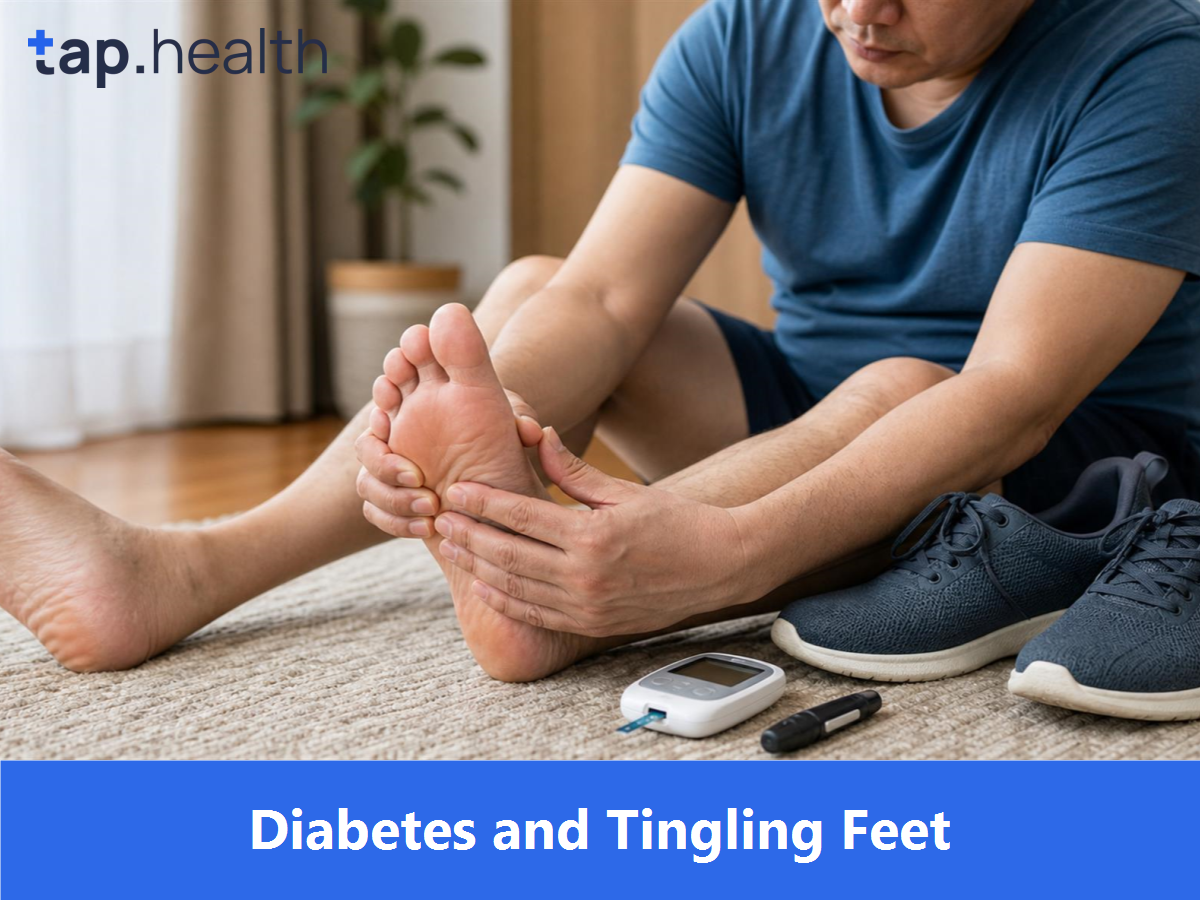
Q4: I have diabetic neuropathy in my feet. How can I lift safely?
A: If you have peripheral neuropathy, avoid standing exercises that put excessive, uneven pressure on your feet. Opt for seated machine exercises (such as the seated chest press, lat pulldown, or seated leg press) to minimize the risk of foot injuries. Always wear protective, well-fitting athletic shoes and inspect your feet daily.
—
Conclusion
Strength training is a cornerstone of modern diabetes management and a primary tool for achieving remission. By building and maintaining muscle tissue, you increase your body’s glucose storage capacity, reduce systemic inflammation, and activate insulin-free glucose uptake pathways.
You do not need to lift extreme weights or spend hours in the gym to reap these benefits. Consistent resistance training twice a week, focusing on major muscle groups, can transform your metabolic health. Work with your physician to design a safe, progressive program, and start rebuilding your body’s natural defense against insulin resistance.
—
Disclaimer: This article is for educational purposes. Consult a medical professional before starting a new exercise program, especially if you have diabetes or other health complications.