1. Introduction: The Litchi Paradox in Modern Metabolic Health
In the contemporary landscape of nutritional science, few natural commodities present as complex a biochemical profile as Litchi chinensis (lychee). As the global prevalence of metabolic syndrome and Type 2 Diabetes Mellitus (T2DM) escalates, the scrutiny applied to dietary fruit intake has intensified. Patients and practitioners alike are forced to navigate a labyrinth of conflicting data regarding the glycemic impact of tropical fruits. Within this discourse, the litchi occupies a unique and often polarized position. It is simultaneously celebrated for its rich polyphenol content and vascular-protective properties, yet feared for its sugar density and, more alarmingly, its potential to induce fatal hypoglycemic encephalopathy under specific physiological conditions.1
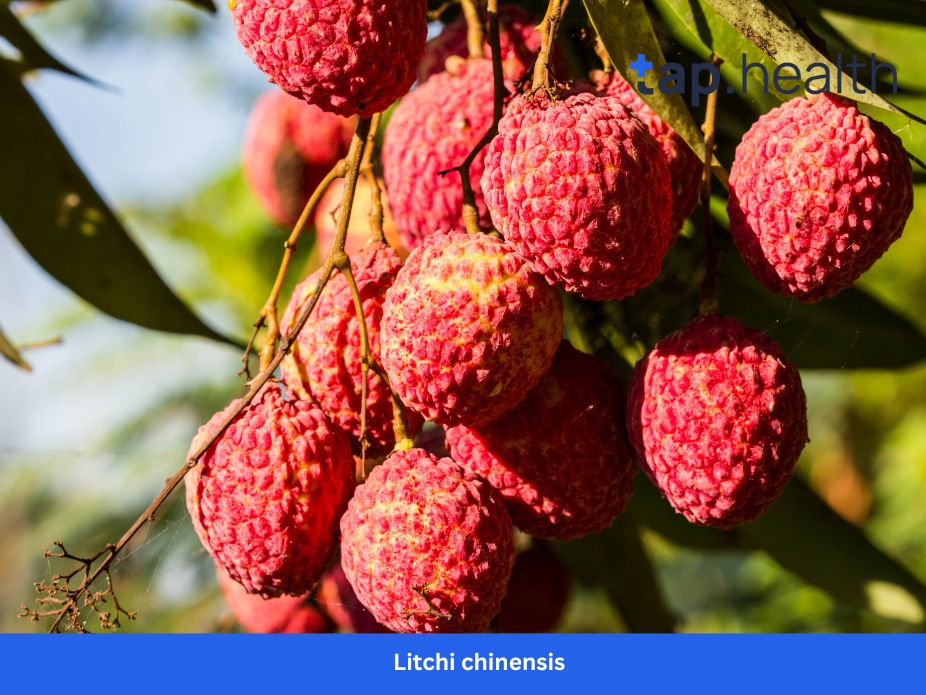
Native to the subtropical provinces of southern China, where it has been cultivated for over two millennia, the litchi has proliferated across the globe, finding major agricultural strongholds in India (particularly Bihar), Vietnam, Thailand, and Australia.3 The fruit, a drupe belonging to the soapberry family (Sapindaceae), is prized for its translucent, succulent aril which offers a distinct floral aroma and a sweetness profile derived from a complex matrix of fructose, glucose, and sucrose.5 However, for the metabolically compromised individual—specifically those managing insulin resistance, pre-diabetes, or established diabetes—the litchi represents a nutritional conundrum.
The central tension lies in its physiological effects. On one hand, clinical data suggests the fruit possesses a moderate glycemic index (GI), potentially making it a permissible indulgence when portion-controlled.7 On the other hand, the presence of specific methylene cyclopropyl amino acids—Hypoglycin A (HGA) and methylenecyclopropylglycine (MCPG)—imbues the fruit with the capacity to disrupt fatty acid oxidation and gluconeogenesis.2 This report aims to deconstruct this paradox. By synthesizing data from the University of Sydney’s International Glycemic Index Database, toxicological studies from the Indian Council of Medical Research (ICMR), and traditional Ayurvedic pharmacodynamics, this analysis provides an exhaustive evaluation of Litchi chinensis. It moves beyond superficial caloric counting to explore the molecular interactions between litchi constituents and human metabolism, offering definitive, evidence-based guidelines for its integration into a diabetic diet.
2. Botanical and Agricultural Context of Metabolic Variability
To fully grasp the glycemic implications of litchi consumption, one must first understand the botanical and agricultural variables that influence its nutritional composition. The metabolic response to a fruit is not static; it is a dynamic outcome of cultivar genetics, soil chemistry, and harvest maturity.
2.1 The Sapindaceae Family and Cultivar Variation
The Sapindaceae family includes not only litchi but also its close relatives, Longan (Dimocarpus longan) and Rambutan (Nephelium lappaceum).10 While these fruits share structural similarities—a rough outer skin (pericarp), a succulent white aril, and a single seed—their metabolic impacts diverge significantly. The litchi is particularly noted for its high variability in sugar composition depending on the cultivar.
In India, the “Shahi” and “China” varieties dominate the market, particularly in the Muzaffarpur region of Bihar, which produces a significant portion of the country’s yield.2 Research indicates that the ratios of fructose to sucrose change dramatically as these cultivars ripen. In early stages, reducing sugars (glucose and fructose) are prevalent. As the fruit matures, sucrose synthesis accelerates, often leading to a higher glycemic impact in fully tree-ripened fruit compared to those harvested at the “breaker” stage for export.11 This variability explains some of the discrepancies observed in GI testing, where values can fluctuate from a low-moderate 50 to a high 79, depending on the specific sugar matrix of the sample tested.8
2.2 Seasonality and Consumption Patterns
Litchi is a highly seasonal crop, with a short harvest window typically spanning May to June in the Northern Hemisphere (India, China) and November to February in the Southern Hemisphere (Australia).2 This seasonality creates a “feast or famine” consumption pattern. During the peak season, availability surges and prices drop, leading to mass consumption. For diabetics, this presents a distinct challenge: the temptation to consume large quantities in a short period creates a concentrated glycemic load that the body’s compromised insulin mechanisms struggle to clear. Unlike apples or bananas, which are available year-round and consumed steadily, the litchi season often acts as a metabolic stress test for diabetic populations in producing regions.
3. Nutritional Biochemistry and Metabolomics
A granular analysis of the litchi’s nutritional matrix reveals a complex interplay of macronutrients and bioactive compounds that modulate glucose homeostasis.
3.1 Carbohydrate Architecture and Sugar Profiling
The caloric load of litchi is derived almost exclusively from carbohydrates. A 100-gram serving of fresh litchi flesh (aril) provides approximately 66 kilocalories and contains 16.5 grams of total carbohydrates.5
Table 1: Detailed Nutritional Composition of Fresh Litchi chinensis (per 100g)
| Constituent | Quantity | Metabolic Implication for Diabetics |
| Water | 81.1 g | High volume aids in satiety; dilutes energy density relative to dried fruit. |
| Total Carbohydrates | 16.5 g | Primary determinant of postprandial glucose excursion. |
| Total Sugars | 15.2 g | Composed of sucrose, fructose, and glucose. Requires insulin for clearance. |
| Dietary Fiber | 1.3 g | Low. Insufficient to significantly retard gastric emptying or sugar absorption. |
| Protein | 0.83 g | Negligible impact on blunting the glycemic spike. |
| Fat | 0.44 g | Negligible. |
| Vitamin C | 71.5 mg | High (79-95% DV). Protects against endothelial oxidative stress. |
| Potassium | 171 mg | Supports blood pressure regulation; crucial for hypertensive diabetics. |
| Copper | 0.148 mg | Essential for erythropoiesis and connective tissue integrity. |
Data synthesis from.1
The critical metabolic defect in litchi, relative to diabetic needs, is its fiber-to-sugar ratio. With only 1.3 grams of fiber accompanying over 15 grams of sugar, the “brakes” on glucose absorption are weak.14 In fruits like guava or pear, higher fiber content forms a gelatinous matrix in the gut, slowing the access of digestive enzymes to sugars. Litchi lacks this structural defense, allowing its sugars—particularly glucose and sucrose—to cross the intestinal epithelium rapidly, entering the portal circulation and demanding an immediate insulin response.11
3.2 The Micronutrient Shield: Vitamin C and Polyphenols
While the macronutrient profile poses a challenge, the micronutrient profile offers compensatory protective mechanisms. Litchi is an exceptional source of ascorbic acid (Vitamin C), providing nearly the entire daily requirement in a single 100g serving.6 Chronic hyperglycemia in diabetes leads to increased production of Reactive Oxygen Species (ROS), which damage blood vessels and nerves. Ascorbic acid acts as a potent reducing agent, scavenging these free radicals and preserving endothelial function.6
Furthermore, the litchi pericarp and seed (though not typically eaten) contain high concentrations of polyphenolic compounds, traces of which migrate into the aril. The most significant of these is Oligonol, a low-molecular-weight polyphenol derived from lychee fruit extract. Emerging research suggests that Oligonol may have a favorable impact on visceral fat and insulin resistance.15 It operates by inhibiting inflammatory cytokines and potentially modulating the PI3K/AKT signaling pathway, which is central to insulin sensitivity. Thus, while the sugar content challenges the diabetic metabolism, the bioactive phytochemicals provide a degree of mitigation against the inflammatory sequelae of the disease.
4. Glycemic Dynamics: Index, Load, and Variability
The classification of litchi within the glycemic index (GI) scale is a subject of significant nuance and occasional contradiction in clinical literature. Understanding the methodology behind these numbers is crucial for accurate dietary planning.
4.1 Methodology of Glycemic Index Assessment
The Glycemic Index is a standardized measure of how quickly a carbohydrate-containing food raises blood glucose levels compared to a reference food (pure glucose or white bread), which is assigned a value of 100. Standard testing protocols, such as those used by the University of Sydney, involve feeding 50 grams of available carbohydrate from the test food to ten or more healthy subjects and monitoring their blood glucose curves over two hours.17
However, applying this to litchi is complicated by the volume required. To get 50 grams of carbohydrate from litchi, a subject must consume approximately 300-350 grams of fruit flesh (roughly 30-35 fruits) in a short window. This volume is rarely consumed in a typical sitting, meaning the GI value reflects a physiological stress test rather than a typical snacking scenario.18
4.2 Divergence in Reported GI Values
The literature presents a bifurcation in GI values for litchi:
- The Moderate Consensus (GI 50-57): The majority of credible databases, including the University of Sydney and Diabetes Canada, classify fresh litchi in the moderate category, with values clustering around 50 to 57.7 A GI of 50 is on the lower end of the medium spectrum (56-69 is medium; ≤55 is low). This suggests that litchi is metabolized more slowly than watermelon (GI 72) or processed starches but faster than temperate berries or apples.21
- The High-GI Outliers (GI ~79): Some studies report a GI as high as 79.12 This discrepancy is likely attributable to the maturity of the fruit tested (higher sucrose in over-ripe fruit) or differences in variety. Furthermore, if the fruit tested was canned in syrup (even if drained), the absorption rate of the added sugars would drastically inflate the GI.22
4.3 Glycemic Load: The Real-World Metric
Given the volume-dependent nature of GI testing, the Glycemic Load (GL) is a far more practical metric for diabetics. GL accounts for the portion size actually consumed ($GL = GI \times Carbohydrate(g) / 100$).
- Scenario A: Therapeutic Portion (6-8 fruits / 80g):
- Carbohydrate: ~12g
- GI: 50
- GL = 6 (Low)
- Scenario B: Moderate Portion (12 fruits / 120g):
- Carbohydrate: ~20g
- GI: 57
- GL = 11.4 (Medium)
- Scenario C: Excessive Portion (20+ fruits / 200g):
- Carbohydrate: ~33g
- GI: 79 (assuming ripeness/load effect)
- GL = 26 (High)
This stratification clearly demonstrates that litchi transitions from a safe, low-GL snack to a high-risk metabolic burden based solely on quantity.8 For a diabetic, keeping the GL below 10 is the target, necessitating the strict limit of 6-8 fruits.
4.4 The Hazard of Processing: Canned vs. Fresh
The metabolic profile of litchi is fundamentally altered by processing. Canned litchis are typically preserved in a heavy syrup of water and sucrose. Even if the syrup is drained, the osmotic exchange during storage results in the fruit flesh absorbing significant amounts of free sugar. This elevates the carbohydrate density and removes the hydration advantage of the fresh fruit. Clinical guidelines universally advise diabetics to avoid canned fruits in syrup, as the glycemic response is comparable to consuming sugar-sweetened beverages.22
5. Toxicology and the Hypoglycemic Paradox
Perhaps the most critical and seemingly contradictory aspect of litchi metabolism is its potential to cause hypoglycemia (low blood sugar). While diabetics typically fear hyperglycemia (high blood sugar), the biochemical mechanism by which litchi lowers blood sugar is toxicological rather than therapeutic, posing severe risks under specific conditions.
5.1 The Toxins: Hypoglycin A and MCPG
Litchi chinensis contains two naturally occurring non-protein amino acids: Hypoglycin A (HGA) and Methylenecyclopropylglycine (MCPG).2 These compounds are homologues found in the seeds and, to a lesser extent, the aril of the fruit. Crucially, their concentration is inversely proportional to ripeness—unripe, green litchis contain significantly higher levels of these toxins than fully ripe, red ones.25
5.2 Mechanism of Action: Inhibition of Beta-Oxidation
The toxicity mechanism is a blockade of the body’s energy backup systems.
- Metabolism: Upon ingestion, HGA and MCPG are metabolized into toxic CoA derivatives (MCPA-CoA).
- Enzymatic Blockade: These derivatives irreversibly bind to and inhibit Acyl-CoA dehydrogenases and Enoyl-CoA hydratases. These enzymes are critical for $\beta$-oxidation, the process by which the body breaks down fatty acids into energy.2
- Gluconeogenesis Arrest: Under normal conditions, when blood glucose drops (fasting state), the body oxidizes fat and engages in gluconeogenesis (making new glucose from amino acids/lactate) to fuel the brain. Because the litchi toxins block fatty acid oxidation, the energy (ATP) required to power gluconeogenesis is unavailable.
- The Result: The liver cannot produce glucose to correct a drop in blood sugar. This leads to profound, refractory hypoglycemia. Simultaneously, blocked fat metabolism leads to the accumulation of fatty acid intermediates (acylcarnitines), which are toxic to the brain, causing encephalopathy.4
5.3 The Muzaffarpur Case Study: Acute Encephalitis Syndrome (AES)
This biochemical pathway was identified as the cause of recurrent outbreaks of “Acute Encephalitis Syndrome” (AES) in Muzaffarpur, India. The victims were predominantly malnourished children from orchard-working families who would spend the day eating large quantities of litchis (often unripe) and miss their evening meal.2
- The “Perfect Storm”: Malnutrition meant these children had practically no liver glycogen reserves. When they skipped dinner, their blood sugar dropped overnight. Normally, fatty acid oxidation would kick in to save them. However, the litchi toxins consumed during the day blocked this rescue pathway. By morning, they presented with seizures, coma, and hypoglycemia.2
5.4 Implications for Diabetic Patients
While the fatal AES outbreaks are specific to malnourished children, the underlying mechanism holds a vital warning for diabetics.
- Medication Interaction: Diabetics taking insulin or sulfonylureas (medications that stimulate insulin secretion) are already prone to hypoglycemia. Consuming litchis, particularly on an empty stomach, could synergistically impair the body’s counter-regulatory mechanisms, leading to severe hypoglycemic episodes.20
- The “Empty Stomach” Rule: The absolute contraindication for litchi consumption is an empty stomach. The presence of other macronutrients (carbohydrates, proteins) from a meal ensures that blood glucose is maintained via absorption, negating the need for the blocked gluconeogenesis pathway.29
6. Ayurvedic Pharmacodynamics and Traditional Medicine
The ancient Indian system of Ayurveda offers a qualitative framework for litchi that predates and complements modern molecular analysis. Understanding the Dravya Guna (properties of the substance) helps contextually place litchi in a holistic diet.
6.1 Rasa, Virya, Vipaka: The Energetic Profile
In Ayurveda, food effects are classified by Taste (Rasa), Potency (Virya), and Post-digestive Effect (Vipaka).
- Rasa (Taste): Litchi is primarily Madhura (Sweet) and slightly Kashaya (Astringent), particularly the inner skin.31
- Virya (Potency) – The Debate: There is a dichotomy in the classification of litchi’s potency.
- Sheeta (Cooling): Due to its high water content and sweet taste, many texts classify it as cooling, useful for alleviating thirst (Trishna) and burning sensations, thereby pacifying Pitta dosha.32
- Ushna (Heating): Conversely, practical experience and certain interpretations label it as “heating” when consumed in excess. This is evidenced by side effects like nosebleeds (epistaxis), mouth ulcers, and acne outbursts observed after overconsumption.33 This “heating” property is likely a manifestation of the intense metabolic demand placed on the liver to process the high sugar load and the toxins, creating an internal “metabolic heat.”
- Vipaka (Post-digestive Effect): It generally resolves into a Madhura (Sweet) effect, nourishing the tissues but potentially increasing Kapha (heaviness/mucus) if overeaten.35
6.2 Traditional Therapeutic Uses
Beyond the fruit, the Litchi chinensis tree holds medicinal value in traditional practice:
- Seeds: While toxic if eaten raw due to MCPG, processed litchi seed extracts (Li Zhi He) are used in Traditional Chinese Medicine and Ayurveda for their analgesic properties and, paradoxically, to manage insulin resistance, though this requires precise preparation to eliminate toxicity.16
- Leaves: Leaf extracts possess strong anti-inflammatory and astringent properties, traditionally used to treat “heat” disorders like oral thrush and insect bites.37
7. Comparative Nutritional Analysis: Litchi vs. The Fruit Basket
To assist diabetics in making informed choices, it is necessary to compare litchi against other fruits common to the same geographical and seasonal context.
Table 2: Comparative Metabolic Profile of Summer Fruits
| Fruit | Glycemic Index (GI) | Glycemic Load (GL) (per 100g) | Fiber Content | Diabetic Suitability | Key Notes |
| Litchi | 50 – 57 (Medium) | 7.6 (Low) | 1.3g (Low) | Moderate | High Vitamin C; requires strict portion control; toxicity risk on empty stomach. |
| Jamun (Black Plum) | 25 (Low) | 2 – 3 (Very Low) | 0.6g | High / Therapeutic | Contains Jamboline; actively reduces blood sugar; highly recommended. 38 |
| Mango | 51 – 56 (Medium) | 8 – 9 (Low) | 1.6g | Moderate | Similar to litchi; high caloric density; rich in Vitamin A. 11 |
| Jackfruit (Ripe) | 50 – 60 (Medium) | 15 – 18 (Medium) | 1.5g | Low | Very high carbohydrate density; rapid sugar spike. 40 |
| Jackfruit (Raw) | < 50 (Low) | Low | High | High | Functions as a vegetable; high fiber; effective flour substitute for glycemic control. 41 |
| Watermelon | 72 – 80 (High) | 4 – 5 (Low) | 0.4g | Moderate | High GI but very low carbohydrate load due to water content; generally safe in moderation. 21 |
Comparison Insight: While litchi is permissible, Jamun is functionally superior for diabetics. Jamun does not merely have a low GI; its seeds and pulp contain glycosides (Jamboline) that inhibit the conversion of starch into sugar, offering a functional therapeutic benefit that litchi lacks.42 Similarly, Raw Jackfruit has emerged as a potent medical nutrition therapy tool, whereas ripe litchi remains a treat to be managed.43
8. Clinical Guidelines and Culinary Integration
Based on the synthesis of toxicological, biochemical, and glycemic data, the following protocols are recommended for the safe consumption of litchi by individuals with diabetes.
8.1 The Safety Protocol
- Quantitative Limit: Adherence to a maximum intake of 6 to 8 fruits (approx. 80-100g) per day is non-negotiable. This keeps the glycemic load in the single digits (<10), preventing the steep postprandial spikes associated with larger portions.23
- Temporal Restriction: Never consume litchi on an empty stomach. It should be consumed strictly as a mid-meal snack (e.g., 11:00 AM) or immediately following a meal rich in protein and fiber. This timing mitigates the risk of hypoglycin-induced metabolic disruption and slows sugar absorption.29
- Qualitative Selection: Choose fresh, fully ripe fruits. Avoid unripe (green-tinged) fruits due to higher toxin levels, and strictly avoid canned litchis due to the syrup content.22
8.2 Contraindications
- Uncontrolled Diabetes: Patients with HbA1c > 7% or significant glucose variability should exclude litchi until stability is achieved.45
- Gestational Diabetes (GDM): Due to the high sugar density and the “heating” potential described in Ayurveda, pregnant women with GDM are advised to avoid litchi or strictly limit intake to 2-3 fruits to prevent fetal macrosomia and maternal hyperglycemia.33
8.3 Culinary Engineering: Lowering the GI
The glycemic impact of litchi can be mechanically and chemically dampened by pairing it with other macronutrients.
Recipe 1: High-Protein Litchi & Paneer Salad
- Mechanism: Protein and fat significantly delay gastric emptying. Paneer (cottage cheese) provides a casein protein matrix that slows the digestion of the simple sugars in litchi.
- Preparation: Combine 50g of cubed paneer, 1 cup of chopped cucumber (fiber), and 5-6 deseeded fresh litchis. Dress with lemon juice, mint, and a teaspoon of olive oil. The fat in the oil and protein in the paneer buffer the sugar influx.47
Recipe 2: Litchi Chia Pudding (Sugar-Free)
- Mechanism: Chia seeds are rich in soluble fiber and mucilage. When soaked, they form a gel that physically traps sugars in the digestive tract, slowing their enzymatic breakdown.
- Preparation: Soak 3 tablespoons of chia seeds in 1 cup of unsweetened almond milk. Add 1 teaspoon of rose water (to enhance the cooling Ayurvedic property) and 5 chopped litchis. Let set overnight. This transforms a simple fruit sugar intake into a complex, fiber-rich metabolic event.49
9. Conclusion
The integration of Litchi chinensis into a diabetic diet is a practice in nuance. It is neither the “forbidden fruit” of popular myth nor the harmless snack of wishful thinking. The biochemical reality is that litchi possesses a moderate glycemic index (~50-57), making it metabolically manageable when consumed in strictly limited quantities (6-8 fruits). Its rich Vitamin C and Oligonol content offer genuine vascular protection, potentially offsetting some oxidative stress associated with diabetes.
However, the fruit carries a unique toxicological signature. The presence of Hypoglycin A and MCPG mandates a rigorous public health warning: consumption on an empty stomach or by malnourished individuals poses a severe risk of hypoglycemia. This paradox—that a sugary fruit can dangerously lower blood sugar—must be understood by every patient on hypoglycemic medication.
Ultimately, the safe consumption of litchi relies on the principles of buffering (pairing with fiber/protein), timing (post-prandial consumption), and moderation. When these protocols are observed, the litchi can transition from a metabolic risk to a refreshing, antioxidant-rich component of a varied diabetic diet, harmonizing the pleasure of seasonality with the rigor of glycemic control.
Works cited
- Lychee fruit: Health benefits and nutritional information – Medical News Today, accessed November 28, 2025, https://www.medicalnewstoday.com/articles/lychee-fruit
- A recurring disease outbreak following litchi fruit consumption among children in Muzaffarpur, Bihar—A comprehensive investigation on factors of toxicity – PMC – NIH, accessed November 28, 2025, https://pmc.ncbi.nlm.nih.gov/articles/PMC7774918/
- The International Glycemic Index (GI) Database – Research Data Australia, accessed November 28, 2025, https://researchdata.edu.au/international-glycemic-index-gi-database/11115
- (PDF) Mechanism of hypoglycemic action of methylenecyclopropylglycine – ResearchGate, accessed November 28, 2025, https://www.researchgate.net/publication/20424829_Mechanism_of_hypoglycemic_action_of_methylenecyclopropylglycine
- Lychees 101: Nutrition Facts and Health Benefits – Healthline, accessed November 28, 2025, https://www.healthline.com/nutrition/foods/lychees
- Lychee Fruit: What Health Benefits Does It Have? – WebMD, accessed November 28, 2025, https://www.webmd.com/diet/health-benefits-of-lychee-fruit
- How Fruits and Vegetables Rank on the Glycemic Index – Everyday Health, accessed November 28, 2025, https://www.everydayhealth.com/diet-nutrition/the-glycemic-index-table-of-fruits-vegetables/
- Lychee Glycemic Index, Nutrition Facts – Curex, accessed November 28, 2025, https://getcurex.com/diabetes-blog/lychee-glycemic-index-nutrition-facts
- A recurring disease outbreak following litchi fruit consumption among children in Muzaffarpur, Bihar—A comprehensive investigation on factors of toxicity | PLOS One, accessed November 28, 2025, https://journals.plos.org/plosone/article?id=10.1371/journal.pone.0244798
- Lychee vs. Rambutan vs. Longan — Nutrition and Health Comparison, accessed November 28, 2025, https://foodstruct.com/articles/lychee-vs-rambutan-vs-longan
- What Fruits Should Diabetics Avoid? The Ultimate Guide – Artinci, accessed November 28, 2025, https://www.artinci.com/blogs/news/fruits-diabetics-should-avoid
- Lychee – Health Results, accessed November 28, 2025, https://www.healthresults.com/blogs/the-food-database/lychee
- Selecting & eating lychees – Australian Lychee, accessed November 28, 2025, https://www.australianlychee.com.au/about-lychees/selecting-and-eating-lychee
- Lychee nutrition: calories, carbs, GI, protein, fiber, fats, accessed November 28, 2025, https://foodstruct.com/food/litchis-raw
- The Amazing Benefits Of Lychee Fruit For Your Skin – SkinKraft, accessed November 28, 2025, https://skinkraft.com/blogs/articles/benefits-of-lychee-for-skin
- Lychee Seed as a Potential Hypoglycemic Agent, and Exploration of its Underlying Mechanisms – PubMed Central, accessed November 28, 2025, https://pmc.ncbi.nlm.nih.gov/articles/PMC8531476/
- Glycemic Index Food Chart List of Low and High GI Indian Foods – Redcliffe Labs, accessed November 28, 2025, https://redcliffelabs.com/myhealth/food-and-nutrition/glycemic-index-food-chart/
- GI Search – Glycemic Index, accessed November 28, 2025, https://glycemicindex.com/gi-search/
- Lychee Fruit: Health Benefits of this Exotic Fruit – Signos, accessed November 28, 2025, https://www.signos.com/blog/benefits-of-lychee
- Is Litchi Good For Diabetics? Know About The Benefits – Netmeds, accessed November 28, 2025, https://www.netmeds.com/c/health-library/post/is-litchi-good-for-diabetics-know-about-the-benefits
- GLYCEMIC INDEX CHART, accessed November 28, 2025, https://www.arheart.com/wp-content/uploads/2024/02/2020.10.06-Glycemic-Index-Handout.pdf
- 10 Low-Glycemic Fruits for Diabetes – Healthline, accessed November 28, 2025, https://www.healthline.com/health/diabetes/low-glycemic-fruits-for-diabetes
- Is Litchi Good for Diabetes? – Sugar.Fit, accessed November 28, 2025, https://www.sugarfit.com/blog/is-litchi-good-for-diabetes/
- Lychees in diabetic diet – Primary Care Notebook, accessed November 28, 2025, https://primarycarenotebook.com/pages/evidence-based-medicine/lychees-in-diabetic-diet
- Litchi Toxicosis – A Review, accessed November 28, 2025, https://www.ijset.in/wp-content/uploads/IJSET_V9_issue3_325.pdf
- Quantification of Metabolites for Assessing Human Exposure to Soapberry Toxins Hypoglycin A and Methylenecyclopropylglycine – NIH, accessed November 28, 2025, https://pmc.ncbi.nlm.nih.gov/articles/PMC4592145/
- Is There a Limit to How Many Lychee Fruit We Should Eat? – NutritionFacts.org, accessed November 28, 2025, https://nutritionfacts.org/blog/is-there-a-limit-to-how-many-lychee-fruit-we-should-eat/
- Lychee Fruit: 9 Benefits & How to Eat (w/ Recipes) – Tua Saúde, accessed November 28, 2025, https://www.tuasaude.com/en/lychee-fruit/
- Lychee is a summer superfruit! Know its nutritional value, benefits and best time to eat, accessed November 28, 2025, https://www.healthshots.com/healthy-eating/superfoods/lychees-benefits/
- Impact of litchis on blood sugar levels: Can diabetics safely eat the juicy tropical fruit? | Health and Wellness News – The Indian Express, accessed November 28, 2025, https://indianexpress.com/article/health-wellness/litchis-blood-sugar-control-diabetics-ripe-unripe-8647627/
- Litchi chinensis – Ayurvedic Benefits, Uses, Nutrition & Healing Properties – Ask Ayurveda, accessed November 28, 2025, https://ask-ayurveda.com/wiki/article/4885-litchi-chinensis
- Lychee Ayurvedic Benefits, Uses, and Side Effects – Apollo 247, accessed November 28, 2025, https://www.apollo247.com/health-topics/general-medical-consultation/lychee-ayurvedic-benefits-uses
- Litchi During Pregnancy: Benefits, Risks & Safe Consumption Tips – House Of Zelena, accessed November 28, 2025, https://houseofzelena.com/blogs/pregnancy/litchi-during-pregnancy-benefits-risks-safe-consumption-tips
- Fruits that cause acne the more you eat | Vinmec, accessed November 28, 2025, https://www.vinmec.com/eng/blog/the-more-fruits-you-eat-the-more-pimples-you-get-en
- LITCHI – The Juicy Tropical Delight – Best Nadi Vaidya In India, accessed November 28, 2025, https://nadivaidya.in/litchi-the-juicy-tropical-delight/
- Lychee seeds: Surprising health benefits everyone should know about – Times of India, accessed November 28, 2025, https://timesofindia.indiatimes.com/life-style/health-fitness/diet/lychee-seeds-surprising-health-benefits-everyone-should-know-about/articleshow/114087729.cms
- Lychee (Litchi) Benefits & Side Effects for Skin Care – Aavrani, accessed November 28, 2025, https://aavrani.com/blogs/news/lychee-benefits
- Per 100 Grams Raw — Diabetes Nutrition Facts | Blue Circle, accessed November 28, 2025, https://www.bluecircle.foundation/food/jamun
- Best Fruits for Diabetic Patients, accessed November 28, 2025, https://www.freedomfromdiabetes.org/blog/post/top-10-fruits-for-diabetic-patients-ffd/1526
- Is Jackfruit Good For Diabetes? – Sahyadri Hospitals, accessed November 28, 2025, https://sahyadrihospital.com/blog/is-jackfruit-good-for-diabetes/
- Is Jackfruit Good for Diabetes? Discover the Truth Behind This Tropical Superfood, accessed November 28, 2025, https://dtdipanwita.com/blog/is-jackfruit-good-for-diabetes-discover-the-truth-behind-this-tropical-superfood/
- Why people with diabetes should include jamun in their diet: Know its benefits, accessed November 28, 2025, https://timesofindia.indiatimes.com/life-style/food-news/why-people-with-diabetes-should-include-jamun-in-their-diet-know-its-benefits/articleshow/123544085.cms
- Efficacy of green jackfruit flour as a medical nutrition therapy replacing rice or wheat in patients with type 2 diabetes mellitus: a randomized, double-blind, placebo-controlled study – PMC – NIH, accessed November 28, 2025, https://pmc.ncbi.nlm.nih.gov/articles/PMC8203736/
- Is Litchi Good For Diabetics? – Get Health Insurance Online | Tata AIG Blog, accessed November 28, 2025, https://www.tataaig.com/knowledge-center/health-insurance/is-litchi-good-for-diabetics
- Dr. V. Mohan Releases 9-point Action for People with Diabetes | Boehringer Ingelheim IN, accessed November 28, 2025, https://www.boehringer-ingelheim.com/in/dr-v-mohan-releases-9-point-action-people-diabetes
- Litchi During Pregnancy: Is It Safe? Benefits, Risks, and How Much You Can Eat, accessed November 28, 2025, https://www.wobblywalk.com/blogs/news/litchi-during-pregnancy
- Paneer Salad Recipe | Healthy Salad for Diabetics | Diabexy, accessed November 28, 2025, https://diabexy.com/blogs/sugarless-recipes/healthy-paneer-salad-recipe-diabetics
- Low Carb Keto Paneer Salad | High Protein Paneer Salad for Weight Loss – YouTube, accessed November 28, 2025, https://www.youtube.com/watch?v=rjcogwYCG2g
- Sugarfree chia seed pudding : r/veganrecipes – Reddit, accessed November 28, 2025, https://www.reddit.com/r/veganrecipes/comments/kn3d4a/sugarfree_chia_seed_pudding/
- Lychee Rose Chia Pudding- Pink Chia Pudding – Tomato Blues, accessed November 28, 2025, https://www.tomatoblues.com/lychee-rose-chia-pudding-pink-chia-pudding/