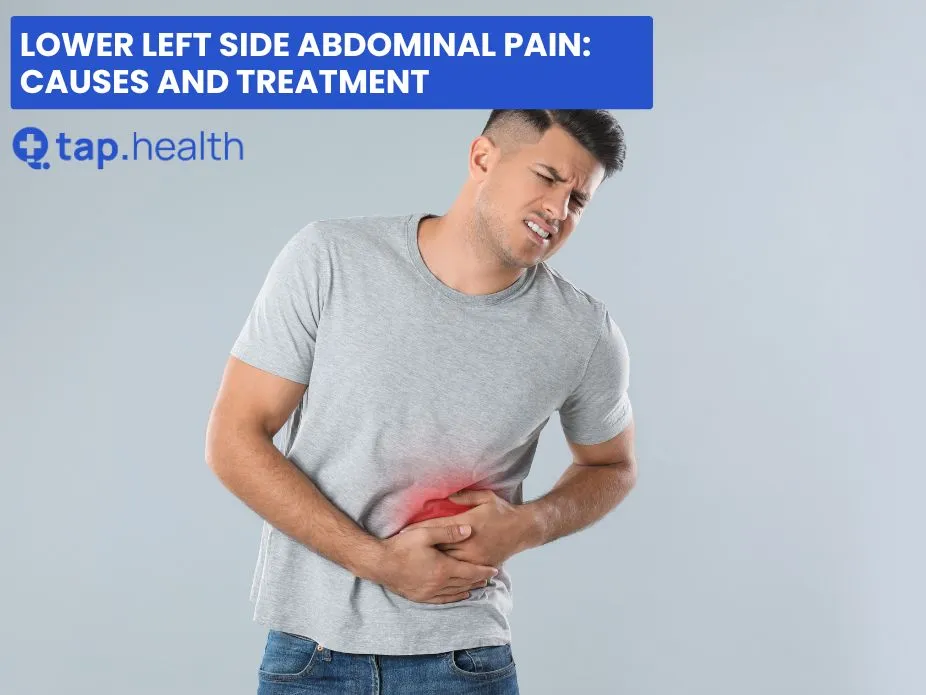
If you’ve got a nagging ache, sharp stab, or dull cramp in your lower left belly, you’re not alone. Lots of people feel this kind of pain at some point—and most of the time, it’s nothing serious. But sometimes, it can be a sign of something that needs medical attention.
So how do you know if it’s just gas… or something more?
In this guide, we’ll walk you through the most common causes of lower left side abdominal pain, explain what each one feels like, and—most importantly—tell you when to call your doctor or go to the ER. We’ve pulled trusted info from top medical sources like the Mayo Clinic, Cleveland Clinic, Johns Hopkins Medicine, the National Institutes of Health (NIH), and the American College of Gastroenterology.
We’ll keep it simple, clear, and straight to the point—no confusing jargon. Just real talk about your health.
What’s in the Lower Left Abdomen? (A Quick Anatomy Lesson)
Before we dive into causes, it helps to know what’s actually in that part of your body.
Your lower left abdomen (below your belly button, left of center) contains several important organs:
- Part of your colon (large intestine) – especially the descending colon and sigmoid colon
- Left ovary and fallopian tube (in women)
- Left ureter (the tube that carries urine from your left kidney to your bladder)
- Part of your small intestine
- Muscles, nerves, and blood vessels
Because so many structures live here, pain in this area can come from your digestive system, urinary tract, reproductive organs, or even muscles and nerves.
That’s why the type of pain—and your other symptoms—matter a lot.
Common Causes of Lower Left Abdominal Pain
Most of the time, lower left belly pain is caused by something mild and temporary. Here are the usual suspects.
Gas and Bloating
What it feels like:
- Crampy, shifting pain
- Bloating or fullness
- Burping or passing gas relieves it
Why it happens:
Swallowed air, carbonated drinks, beans, broccoli, or dairy (if you’re lactose intolerant) can cause gas to build up in your colon—especially in the sigmoid colon, which loops through the lower left abdomen.
What to do:
Walk around, drink warm water, try over-the-counter simethicone (like Gas-X). Usually goes away in a few hours.
Constipation
What it feels like:
- Dull, constant ache
- Feeling “backed up”
- Fewer than three bowel movements a week
- Hard, dry stools
Why it happens:
Stool builds up in the colon, stretching the bowel wall and causing pressure—often felt on the left side where the sigmoid colon stores waste before it exits.
What to do:
Drink more water, eat fiber (fruits, veggies, whole grains), and consider a gentle laxative if needed. Don’t ignore the urge to go!
Irritable Bowel Syndrome (IBS)
What it feels like:
- Crampy pain that improves after a bowel movement
- Bloating, gas
- Diarrhea, constipation, or both
- Symptoms flare with stress or certain foods
Why it happens:
IBS is a functional gut disorder—meaning your digestive system works differently, but there’s no visible damage. It’s very common and often affects the lower left abdomen.
What to do:
Keep a food diary, manage stress, and talk to your doctor. Treatments include diet changes (like low-FODMAP), probiotics, and sometimes medication.
Digestive System Causes (More Serious)
Sometimes, the pain comes from a real problem in your intestines. These need medical attention.
Diverticulitis
What it feels like:
- Sudden, sharp, constant pain in the lower left abdomen
- Fever, nausea, or vomiting
- Change in bowel habits (constipation or diarrhea)
- Tenderness when you press on the area
Why it happens:
Small pouches (called diverticula) can form in the colon wall—especially in the sigmoid colon. If one gets inflamed or infected, it’s called diverticulitis. It’s more common in people over 40.
What to do:
This is not something to wait out. Mild cases may be treated with antibiotics and a liquid diet. Severe cases need hospital care or surgery. See a doctor right away if you suspect this.
Inflammatory Bowel Disease (IBD)
This includes Crohn’s disease and ulcerative colitis.
What it feels like:
- Persistent cramping or pain (often lower left)
- Diarrhea (sometimes with blood or mucus)
- Weight loss, fatigue, fever
- Symptoms come and go in “flares”
Why it happens:
Your immune system attacks your digestive tract, causing chronic inflammation. Ulcerative colitis often affects the left colon.
What to do:
IBD needs long-term care from a gastroenterologist. Treatment includes anti-inflammatory meds, immune suppressants, and diet changes.
Colon Cancer (Rare but Possible)
What it feels like:
- Dull, ongoing pain or pressure
- Unexplained weight loss
- Blood in stool (bright red or dark)
- Change in bowel habits lasting more than a few weeks
- Feeling like your bowels don’t empty completely
Why it happens:
A tumor in the left colon can block or irritate the bowel. Risk increases after age 45.
What to do:
Don’t panic—most lower left pain is not cancer. But if you’re over 45 or have a family history, and symptoms last more than 2–3 weeks, get checked. Colonoscopy is the gold standard for diagnosis.
Urinary Tract Causes
Your urinary system can also cause pain in this area.
Kidney Stones (Left Side)
What it feels like:
- Severe, cramping pain that starts in your back or side and moves to your lower abdomen or groin
- Pain comes in waves
- Blood in urine (pink, red, or brown)
- Nausea or vomiting
- Urgent need to pee
Why it happens:
A stone forms in your kidney and gets stuck in the ureter (the tube to your bladder). Even small stones can cause big pain.
What to do:
Small stones often pass on their own with lots of water and pain meds. Larger ones may need medical help (like shock wave therapy). Go to the ER if pain is unbearable or you can’t pee.
Urinary Tract Infection (UTI)
What it feels like:
- Burning when you pee
- Frequent urge to go (even if little comes out)
- Cloudy, strong-smelling, or bloody urine
- Mild lower abdominal pressure or ache
Why it happens:
Bacteria enter the urethra and travel up to the bladder. If it spreads to the kidney, you’ll also get fever and back pain.
What to do:
UTIs need antibiotics. Don’t wait—untreated UTIs can lead to kidney infection. See your doctor within 24 hours if you suspect a UTI.
Reproductive Causes (For Women)
If you’re female, your ovaries and fallopian tubes are in this area—so many causes are gynecological.
Ovarian Cysts
What it feels like:
- Dull or sharp pain on one side (left or right)
- Bloating or fullness in the lower belly
- Pain during sex or bowel movements
- May come and go with your cycle
Why it happens:
Fluid-filled sacs form on the ovary during ovulation. Most are harmless and go away on their own. But if one ruptures or twists (ovarian torsion), pain becomes sudden and severe.
What to do:
Small cysts need no treatment. Large or painful ones may need ultrasound monitoring or surgery. Seek emergency care if pain is sudden and intense.
Endometriosis
What it feels like:
- Deep, crampy pain before or during periods
- Pain during sex or bowel movements
- Heavy or irregular periods
- Infertility
Why it happens:
Tissue like the uterine lining grows outside the uterus—often on the ovaries, fallopian tubes, or bowels. It swells and bleeds with your cycle, causing inflammation and scarring.
What it feels like in the lower left:
If endometrial tissue implants on the left ovary or colon, pain is often worse on that side.
What to do:
See a gynecologist. Treatment includes pain meds, hormonal birth control, or surgery.
Ectopic Pregnancy (Medical Emergency)
What it feels like:
- Sharp, stabbing pain on one side (often lower abdomen)
- Missed period
- Vaginal bleeding (light or heavy)
- Dizziness, shoulder pain, or fainting
Why it happens:
A fertilized egg implants outside the uterus—usually in a fallopian tube. As it grows, it can rupture the tube, causing internal bleeding.
What to do:
This is life-threatening. Go to the ER immediately if you’re pregnant (or could be) and have sudden, severe one-sided pain.
Pelvic Inflammatory Disease (PID)
What it feels like:
- Dull, aching pain in lower belly (often both sides, but can be one)
- Fever, unusual vaginal discharge
- Pain during sex or peeing
- Irregular bleeding
Why it happens:
An untreated STI (like chlamydia or gonorrhea) spreads to the uterus, tubes, or ovaries, causing infection.
What to do:
PID needs prompt antibiotics to prevent infertility. See a doctor right away.
Other Possible Causes
Muscle Strain or Injury
What it feels like:
- Soreness or tenderness in a specific spot
- Pain gets worse when you move, cough, or laugh
- No fever, nausea, or digestive symptoms
Why it happens:
Overdoing it at the gym, heavy lifting, or even a bad cough can strain abdominal muscles.
What to do:
Rest, ice, and OTC pain relievers. Should improve in a few days.
Shingles (Before the Rash Appears)
What it feels like:
- Burning, tingling, or stabbing pain in a band-like area on one side
- Happens before the red, blistering rash shows up
- Often mistaken for belly pain
Why it happens:
The chickenpox virus reactivates and affects nerves. If it’s on your left side, pain may feel abdominal.
What to do:
See a doctor ASAP. Antiviral meds work best if started early.
When Is Lower Left Abdominal Pain an Emergency?
Not all belly pain is urgent—but some signs mean go to the ER now:
- Sudden, severe pain that makes you double over
- Fever over 101°F (38.3°C) with belly pain
- Vomiting blood or black, tarry stools
- Inability to pass stool or gas + bloating (could be bowel obstruction)
- Pain with dizziness, rapid heartbeat, or fainting (sign of internal bleeding)
- Pregnant and have sharp one-sided pain
- Pain after an injury (like a fall or car accident)
If you’re ever in doubt, call your doctor or 911. It’s always better to be safe.
How Do Doctors Figure Out the Cause?
Your doctor will start with questions like:
- Where exactly is the pain?
- When did it start?
- Is it constant or comes and goes?
- What makes it better or worse?
- Any other symptoms?
Then they may do:
- Physical exam (pressing on your belly)
- Blood and urine tests
- Stool test (to check for infection or blood)
- Imaging:
- Ultrasound (great for ovaries, kidneys)
- CT scan (best for diverticulitis, appendicitis, tumors)
- Colonoscopy (if colon cancer or IBD is suspected)
For women, a pelvic exam is often needed.
What You Can Do at Home (For Mild Cases)
If your pain is mild and you’re sure it’s not serious:
- Rest and avoid heavy meals
- Drink water to stay hydrated
- Use a heating pad on low for cramps (not if fever is present)
- Try OTC meds:
- Simethicone for gas
- Stool softener for constipation
- Avoid NSAIDs like ibuprofen if you suspect stomach or colon issues—they can irritate the gut
But stop home care and call a doctor if:
- Pain lasts more than 24–48 hours
- Gets worse
- New symptoms appear (fever, vomiting, blood)
Prevention Tips: Reduce Your Risk
You can’t prevent everything—but these habits help:
- Eat a high-fiber diet (fruits, veggies, whole grains) → prevents constipation and diverticulosis
- Drink plenty of water → keeps stool soft and flushes urinary tract
- Exercise regularly → keeps bowels moving and reduces IBS flares
- Practice safe sex → lowers risk of PID
- Don’t ignore the urge to poop → prevents stool buildup
- Get regular check-ups → including colon cancer screening after age 45
Don’t Ignore It—But Don’t Panic Either
Lower left abdominal pain is super common. Most of the time, it’s gas, constipation, or a mild stomach bug. But because serious conditions can start with similar symptoms, it’s smart to pay attention.
Trust your gut (pun intended). If something feels “off” or doesn’t improve in a day or two, talk to a healthcare provider. Early diagnosis often means simpler treatment and better outcomes.
Your body is talking to you. Listen.
Real-Life Scenario
Ramesh, a 40-year-old man, suddenly developed sharp pain in his lower left abdomen. At first, he thought it was just gas. But when the pain worsened and was accompanied by fever and bloating, he went to the hospital. Doctors diagnosed him with diverticulitis, a condition where small pouches in the colon become inflamed. With timely treatment, his condition improved.
Expert Contribution
Doctors explain that lower left side abdominal pain is not something to ignore. Gastroenterologists note that digestive issues like constipation and diverticulitis are leading causes in adults, while urologists warn that kidney stones or infections may also be to blame. Gynecologists highlight that in women, pain on this side could be linked to ovarian cysts or reproductive system issues.
Experts recommend proper diagnosis through physical exams, blood tests, urine tests, and imaging scans (like ultrasound or CT scan) to identify the exact cause.
Recommendations Grounded in Proven Research and Facts
- Do not ignore persistent pain – early diagnosis prevents complications.
- Stay hydrated – dehydration can worsen constipation and kidney stone risk.
- Eat a fiber-rich diet – this helps reduce chances of diverticulitis and constipation.
- Seek urgent care if pain is severe, sudden, or accompanied by vomiting, fever, or blood.
- Women should consult a gynecologist if the pain is linked to menstrual cycles or unusual pelvic symptoms.
Frequently Asked Questions (FAQ) on Lower Left Side Abdominal Pain:
Q: Can gas cause sharp pain in the lower left abdomen?
A: Yes! Gas trapped in the sigmoid colon (which loops through the lower left) can cause sharp, stabbing pains that come and go. It often improves after passing gas or having a bowel movement.
Q: Is lower left abdominal pain a sign of colon cancer?
A: It can be—but it’s rare, especially in people under 45. Colon cancer usually comes with other red flags like unexplained weight loss, blood in stool, or a lasting change in bowel habits. Don’t assume the worst, but do get persistent symptoms checked.
Q: Why does my lower left abdomen hurt when I pee?
A: This could point to a urinary tract infection (UTI) or kidney stone. If you also have burning, urgency, or cloudy urine, it’s likely a UTI. See a doctor for a urine test.
Q: Can stress cause lower left abdominal pain?
A: Indirectly, yes. Stress doesn’t cause physical damage, but it can trigger or worsen IBS, leading to cramps, bloating, and pain—often in the lower left belly.
Q: Is it normal to have occasional lower left abdominal pain?
A: Yes, especially if it’s mild, short-lived, and linked to eating, gas, or your period. But if it happens often, lasts days, or affects your daily life, it’s worth investigating.
Q: Can a hernia cause pain in the lower left abdomen?
A: Yes, but less common than on the right or groin. A left inguinal hernia can cause a bulge and aching pain that worsens with lifting or coughing. See a doctor—hernias don’t heal on their own.
Q: What does diverticulitis pain feel like compared to gas?
A: Diverticulitis pain is constant, localized, and tender to touch—often with fever. Gas pain is crampy, moves around, and improves with passing gas. If in doubt, get it checked.
Q: Can lower left abdominal pain be heart-related?
A: Very unlikely. Heart pain usually feels like pressure in the chest, arm, neck, or jaw—not isolated lower belly pain. But if you have chest pain, shortness of breath, or sweating, call 911 immediately.
Q: How long should I wait before seeing a doctor for lower left abdominal pain?
A: If pain is mild and you feel otherwise okay, wait 24–48 hours. But if you have fever, vomiting, blood in stool/urine, or severe pain, don’t wait—seek care the same day.
Q: Can men get lower left abdominal pain from reproductive issues?
A: Rarely. Men don’t have ovaries, but conditions like prostatitis (inflamed prostate) can cause lower abdominal or pelvic pain, along with urinary symptoms. It’s usually central, not one-sided, but possible.