Type 2 diabetes is a chronic condition that affects millions of people worldwide. It occurs when the body either becomes resistant to insulin or doesn’t produce enough insulin, causing high blood sugar levels. Over time, if not managed properly, Type 2 diabetes can lead to severe complications like heart disease, kidney damage, and nerve problems.
Fortunately, with advancements in medical science, several new treatments have emerged to help manage Type 2 diabetes more effectively. These treatments are not just limited to medications but also include lifestyle changes, advanced therapies, and new technologies. In this blog post, we’ll explore the latest treatment options for Type 2 diabetes, including medications, lifestyle modifications, and cutting-edge therapies that are making a difference for diabetic patients.
New Medications for Type 2 Diabetes
1. GLP-1 Receptor Agonists
One of the most exciting new classes of drugs for Type 2 diabetes is GLP-1 receptor agonists. These drugs mimic the action of a hormone called glucagon-like peptide-1 (GLP-1), which helps regulate blood sugar by enhancing insulin secretion, slowing gastric emptying, and reducing appetite. GLP-1 receptor agonists are effective in lowering blood sugar and are also known for their ability to help with weight loss, a key challenge for many people with Type 2 diabetes.
Key Medications in this Class:
- Semaglutide (Ozempic, Rybelsus): A weekly injectable medication that has shown significant benefits in controlling blood sugar levels and promoting weight loss. Semaglutide has been found to reduce the risk of cardiovascular events, making it particularly useful for patients at high risk of heart disease.
- Liraglutide (Victoza, Saxenda): Another GLP-1 receptor agonist, available in both injectable and oral forms. It helps improve insulin sensitivity and reduces hunger, contributing to weight management.
Benefits of GLP-1 Receptor Agonists:
- Lowers blood sugar levels
- Promotes weight loss by reducing appetite
- May reduce the risk of heart disease in Type 2 diabetes patients
- Injectable or oral forms available for convenience
2. SGLT2 Inhibitors
Sodium-glucose cotransporter-2 (SGLT2) inhibitors are another class of medications that are revolutionizing diabetes treatment. These medications work by blocking the SGLT2 protein in the kidneys, which helps the body get rid of excess glucose through urine.
Key Medications in this Class:
- Empagliflozin (Jardiance): A medication that not only helps control blood sugar levels but also has protective effects on the heart and kidneys. It has been shown to reduce the risk of cardiovascular death and hospitalization for heart failure in people with Type 2 diabetes.
- Canagliflozin (Invokana): This medication is used to lower blood sugar and has been shown to help with weight loss and reduce blood pressure.
Benefits of SGLT2 Inhibitors:
- Lowers blood sugar levels by reducing glucose reabsorption in the kidneys
- Reduces the risk of heart disease and kidney damage
- Helps with weight loss and reduces blood pressure
3. DPP-4 Inhibitors
DPP-4 inhibitors work by blocking the enzyme dipeptidyl peptidase-4 (DPP-4), which inactivates incretin hormones that are important for insulin secretion. By inhibiting DPP-4, these medications help the body release more insulin and lower blood sugar levels after meals.
Key Medications in this Class:
- Sitagliptin (Januvia): A popular DPP-4 inhibitor that is often used in combination with other diabetes medications to achieve better blood sugar control.
- Linagliptin (Tradjenta): This medication is known for its ability to work without affecting kidney function, making it a suitable option for people with kidney concerns.
Benefits of DPP-4 Inhibitors:
- Helps lower post-meal blood sugar
- Well-tolerated with few side effects
- Can be used in combination with other diabetes medications
Innovative Non-Medication Treatments for Type 2 Diabetes
1. Continuous Glucose Monitoring (CGM)
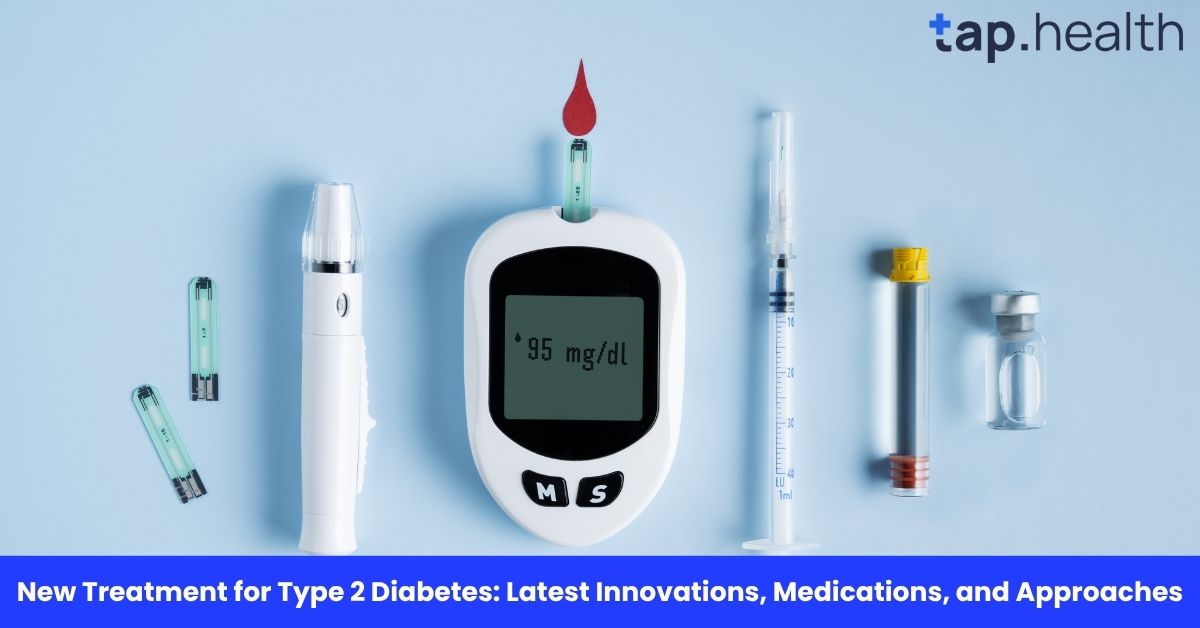
Continuous Glucose Monitoring (CGM) is a groundbreaking technology that allows people with Type 2 diabetes to monitor their blood sugar levels in real-time. CGM devices consist of a small sensor that is placed under the skin, typically on the abdomen or arm. The sensor measures glucose levels continuously throughout the day and night, providing valuable information on how blood sugar levels fluctuate.
Benefits of CGM:
- Provides real-time data on blood sugar levels
- Helps patients adjust insulin doses or make lifestyle changes based on trends
- Improves blood sugar control and helps prevent hypo- and hyperglycemia
- Reduces the need for frequent finger-stick tests
2. Insulin Pump Therapy
For some people with Type 2 diabetes, insulin pump therapy may be a good option. An insulin pump is a small, computerized device that continuously delivers insulin throughout the day. The pump can be programmed to release varying amounts of insulin based on the time of day, meal times, and other factors.
Benefits of Insulin Pump Therapy:
- Provides continuous insulin delivery, mimicking the function of a healthy pancreas
- Reduces the need for multiple daily injections
- Allows for precise control over insulin delivery
- Helps stabilize blood sugar levels over time
3. Bariatric Surgery (Weight Loss Surgery)
For individuals with Type 2 diabetes who are obese, bariatric surgery (weight loss surgery) can be an effective treatment option. Studies have shown that weight loss surgery can lead to significant improvements in blood sugar control, and in some cases, even remission of diabetes.
How Bariatric Surgery Helps:
- Leads to substantial weight loss, which can improve insulin sensitivity
- Reduces insulin resistance and lowers blood sugar levels
- May even reverse diabetes in some patients by improving metabolic function
4. Low-Carb Diets and Intermittent Fasting
Diet plays a crucial role in managing Type 2 diabetes, and recent research has shown that low-carb diets and intermittent fasting can help improve blood sugar control. By reducing carbohydrate intake, the body has fewer glucose spikes, leading to more stable blood sugar levels.
How These Diets Work:
- Low-carb diets reduce the amount of glucose entering the bloodstream from food.
- Intermittent fasting helps the body improve insulin sensitivity and gives the pancreas a break by reducing constant insulin production.
Lifestyle Changes to Complement New Treatments
1. Regular Exercise
Exercise is one of the most effective ways to manage Type 2 diabetes. Physical activity helps lower blood sugar by increasing insulin sensitivity and helping muscles use glucose more efficiently.
Types of Exercise for Diabetics:
- Aerobic exercises like walking, cycling, and swimming
- Strength training to improve muscle mass and insulin sensitivity
- Flexibility exercises like yoga to reduce stress and improve overall well-being
2. Healthy Eating
While medications and treatments are essential for managing Type 2 diabetes, diet plays a crucial role. Eating a well-balanced diet that focuses on whole foods, such as vegetables, lean proteins, whole grains, and healthy fats, can help keep blood sugar levels in check.
Key Dietary Tips:
- Limit refined carbohydrates and sugars
- Eat more fiber-rich foods like vegetables, legumes, and whole grains
- Focus on healthy fats from sources like avocados, nuts, and olive oil
- Monitor portion sizes to avoid overeating
3. Weight Management
Maintaining a healthy weight is crucial for managing Type 2 diabetes. Excess weight, particularly around the abdomen, can worsen insulin resistance and make it harder to control blood sugar. A combination of diet, exercise, and behavioral changes can help with weight loss and improve diabetes control.
Real-Life Scenario
Consider Rina, a 48-year-old with type 2 diabetes who struggled to manage her blood sugar despite diet and exercise. After her doctor prescribed a GLP-1 receptor agonist, she noticed steady weight loss, improved glucose levels, and more energy. She now combines this treatment with healthy lifestyle changes—showing how modern therapies can make diabetes management easier and more effective.
Expert Contribution
Endocrinologists emphasize that the future of diabetes care lies in personalized medicine. According to research from the American Diabetes Association, combining advanced drugs like GLP-1 agonists and SGLT2 inhibitors can dramatically lower cardiovascular risks and help patients maintain target blood sugar levels.
Experts also highlight the importance of integrating digital tools—such as continuous glucose monitors (CGMs)—for more accurate and real-time monitoring.
Recommendations Grounded in Proven Research and Facts
- Consult your doctor before switching medications – New treatments are powerful but must be tailored to your individual needs.
- Combine medication with lifestyle changes – Diet, exercise, and stress management remain essential.
- Monitor regularly – Continuous glucose monitoring can help track how new treatments affect your blood sugar.
- Be aware of side effects – Some advanced drugs may cause nausea or digestive issues initially.
- Stay informed – Diabetes care is evolving quickly; keeping up with updates can help you make the best health choices.
Frequently Asked Questions (FAQs) on New Treatment for Type 2 Diabetes:
1. What is the latest treatment for Type 2 diabetes?
The latest treatments for Type 2 diabetes include medications like GLP-1 receptor agonists, SGLT2 inhibitors, and DPP-4 inhibitors. Additionally, continuous glucose monitoring (CGM) and insulin pumps are new technologies that help manage blood sugar. Bariatric surgery and low-carb diets are also emerging as effective options for some patients.
2. Can Type 2 diabetes be cured with new treatments?
While there is no cure for Type 2 diabetes, new treatments such as bariatric surgery and lifestyle changes can significantly improve blood sugar control, and in some cases, even lead to diabetes remission.
3. Are GLP-1 receptor agonists safe for Type 2 diabetics?
Yes, GLP-1 receptor agonists like semaglutide and liraglutide are generally safe and effective for most Type 2 diabetics. They help regulate blood sugar and may promote weight loss. However, as with any medication, they should be taken under a doctor’s supervision.
4. How does bariatric surgery help with Type 2 diabetes?
Bariatric surgery helps with Type 2 diabetes by promoting significant weight loss, which improves insulin sensitivity and lowers blood sugar levels. In some cases, it can even lead to diabetes remission.
5. Can exercise replace diabetes medication?
Exercise is an important part of managing Type 2 diabetes but cannot replace medication. However, regular physical activity can reduce the amount of medication needed and improve overall blood sugar control.
Conclusion
New treatments for Type 2 diabetes, including advanced medications, lifestyle changes, and technologies like continuous glucose monitoring (CGM) and insulin pumps, are transforming the way we manage the condition. While there is no cure for Type 2 diabetes, these innovative therapies offer hope for better blood sugar control, weight management, and even the possibility of diabetes remission. By combining new treatments with regular exercise, a healthy diet, and weight management, individuals with Type 2 diabetes can live healthier, more fulfilling lives.