Table of Contents
- Pancreatic Cell Shape: A Diabetes & Cancer Risk Factor?
- Altered Pancreatic Cell Morphology: Unveiling Disease Links
- How Pancreatic Cell Shape Changes Increase Cancer & Diabetes Risk
- Understanding Pancreatic Cell Structure: Implications for Disease
- Is Pancreatic Cell Reshaping a Key to Diabetes and Cancer Prevention?
- Frequently Asked Questions
- References
Have you ever considered the intricate shapes of cells within your body and their potential impact on your health? It turns out, even subtle changes can have significant consequences. This blog post delves into the fascinating world of Pancreatic Cell Shape Change: A New Link to Diabetes and Cancer Risk. We’ll explore recent research revealing how alterations in the shape of pancreatic cells might be a key factor in the development of both diabetes and pancreatic cancer. Understanding this connection could pave the way for earlier diagnosis and more effective treatments. Let’s uncover the surprising science behind these cellular transformations!
Pancreatic Cell Shape: A Diabetes & Cancer Risk Factor?
Research increasingly suggests a link between the shape of pancreatic cells and the risk of developing both diabetes and pancreatic cancer. While the exact mechanisms are still under investigation, alterations in cell morphology – essentially, the shape and structure of these cells – are emerging as a significant factor. This is particularly relevant in regions like India and other tropical countries, where diabetes and certain types of cancer have a high prevalence.
The Role of Sugary Drinks and Cell Shape
Studies have shown a strong correlation between diet and pancreatic health. For example, daily consumption of sugary beverages raises diabetes risk by 26%. This increased risk could, in part, be attributed to the impact of high sugar intake on pancreatic cell shape and function. Excessive sugar can lead to cellular stress and inflammation, potentially altering the normal architecture of pancreatic cells and making them more susceptible to dysfunction or malignant transformation. This is further complicated by the already high prevalence of diabetes and related metabolic disorders in many tropical and subtropical regions.
Lifestyle Changes for Pancreatic Health
Maintaining a healthy weight, regularly exercising, and adopting a balanced diet low in processed sugars and refined carbohydrates are crucial steps in protecting pancreatic cell health. In India and other tropical countries, where traditional diets often include significant amounts of naturally occurring sugars and starches, mindful adjustments to dietary habits are particularly important. Prioritizing whole foods, fresh fruits and vegetables, and lean proteins can contribute to maintaining healthy pancreatic cells and reducing the risk of diabetes and pancreatic cancer. Consult your doctor or a registered dietitian for personalized advice tailored to your individual needs and regional dietary context. For more information on the symptoms of pancreatic cancer, please see our guide: Pancreatic Cancer Symptoms Guide for Patients. If you’re concerned about the curability of pancreatic cancer, Is Pancreatic Cancer Curable? Expert Insights offers valuable information.
Altered Pancreatic Cell Morphology: Unveiling Disease Links
The Shape of Things to Come: Pancreatic Cell Structure and Disease Risk
Recent research highlights a fascinating connection between the shape of pancreatic cells and the development of both diabetes and cancer. Understanding these morphological changes is crucial, especially considering that a staggering 50% of diabetes cases worldwide remain undiagnosed, a figure likely even higher in many Indian and tropical countries. This underscores the importance of early detection and preventative measures. Changes in pancreatic cell structure, often subtle at first, can signal underlying issues long before symptoms manifest. Early identification is key to improving treatment outcomes.
Implications for Diabetes and Cancer in Indian and Tropical Regions
The link between altered pancreatic cell morphology and diabetes is particularly relevant in regions like India and other tropical countries, where diabetes prevalence is alarmingly high. Factors such as lifestyle, diet, and genetic predispositions contribute to this increased risk. Furthermore, the connection to pancreatic cancer, a particularly aggressive disease, adds another layer of concern. Understanding how cellular changes contribute to disease development enables targeted preventative strategies, including lifestyle modifications and early screening programs that are crucial for improving public health outcomes in these areas. Early detection and appropriate interventions could significantly reduce the burden of these diseases. It’s important to note that conditions like acute pancreatitis can also significantly impact pancreatic health.
Taking Action: Prevention and Early Detection
The implications of this research are clear: maintaining a healthy lifestyle, including a balanced diet and regular exercise, is paramount in preventing alterations in pancreatic cell morphology. Regular health check-ups, including blood glucose and pancreatic function tests, are essential, especially for individuals with a family history of diabetes or cancer. Increased awareness and access to affordable screening programs are vital steps towards mitigating the impact of these diseases in India and other tropical countries. Remember, early detection can make all the difference in improving treatment outcomes and overall quality of life. Knowing the symptoms of pancreatitis can also be crucial for early intervention. Learn more about the global burden of undiagnosed diabetes.
How Pancreatic Cell Shape Changes Increase Cancer & Diabetes Risk
Changes in the shape of pancreatic cells are emerging as a significant factor in the development of both diabetes and pancreatic cancer, particularly relevant in high-risk populations across India and tropical regions. Research indicates that these alterations disrupt the normal function of the pancreas, leading to impaired insulin production (a hallmark of diabetes) and potentially promoting uncontrolled cell growth (a key characteristic of cancer). This is particularly concerning given that women with diabetes already face a 40% higher risk of heart disease compared to men with diabetes. This increased cardiovascular risk underscores the urgent need for early detection and management of pancreatic issues.
Understanding the Cellular Link
The pancreas, a vital organ, houses cells responsible for producing insulin and digestive enzymes. When these cells undergo shape changes, their ability to function efficiently is compromised. This dysfunction can manifest as either impaired glucose regulation (diabetes) or uncontrolled cell division (cancer). Factors contributing to these cellular shape shifts include genetic predisposition, lifestyle choices like poor diet and lack of physical activity, and environmental exposures common in tropical climates. These factors are often intertwined, creating a complex interplay of risk that disproportionately affects certain populations.
Regional Considerations & Actionable Steps
In India and other tropical countries, awareness and early detection programs for diabetes and pancreatic cancer are crucial. Regular health check-ups, including blood glucose monitoring and pancreatic imaging, are vital steps in preventing or managing these diseases. Adopting a healthy lifestyle—including a balanced diet rich in fruits and vegetables, regular exercise, and maintaining a healthy weight—can significantly mitigate these risks. Furthermore, seeking timely medical attention at the onset of any concerning symptoms is paramount. Early intervention is key to improving outcomes and reducing the devastating impact of these diseases. Prioritizing your pancreatic health is a proactive step towards a healthier, longer life. The connection between diabetes and cancer is complex, and it’s a question many have: Does Diabetes Cause Cancer? Understanding the potential severity of pancreatic issues is also vital; for example, see Can You Die from Pancreatitis?
Understanding Pancreatic Cell Structure: Implications for Disease
The Shape of Things to Come: Pancreatic Cell Morphology and Disease Risk
The shape and structure of pancreatic cells aren’t just random; they play a crucial role in their function and, consequently, our health. Recent research highlights how alterations in pancreatic cell morphology are increasingly linked to the development of both diabetes and pancreatic cancer, particularly relevant in regions like India and other tropical countries with high rates of these diseases. Understanding these cellular changes is vital for early detection and prevention strategies.
Diabetes, Pancreatic Cells, and Regional Considerations
Diabetes, a prevalent concern in many tropical and Indian populations, significantly impacts pancreatic function. The pancreas, responsible for producing insulin, relies on the proper functioning of its beta cells. Disruptions in the normal structure and organization of these cells can lead to impaired insulin production, contributing to the development of type 2 diabetes. This is exacerbated by lifestyle factors common in many parts of India, such as dietary habits and reduced physical activity. The alarming statistic that nearly 30% of people with diabetes develop diabetic nephropathy (kidney disease) further underscores the interconnectedness of these health challenges. Early diagnosis and management are critical for preventing long-term complications. Understanding the impact of these cellular changes is crucial, and severe cases may even lead to conditions like Life Expectancy After Acute Pancreatitis, highlighting the need for proactive healthcare.
Pancreatic Cancer: A Silent Threat
Changes in pancreatic cell shape are also implicated in the development of pancreatic cancer, a disease often diagnosed at late stages. The aggressive nature of this cancer, combined with its often-silent onset, makes early detection crucial. In regions with limited access to advanced screening technologies, awareness and preventative measures become even more important. Understanding the link between cell structure and cancer risk could lead to the development of new diagnostic tools and targeted therapies. Promoting healthy lifestyles and raising awareness about the early signs of pancreatic cancer are crucial preventative steps, particularly in high-risk populations. While conventional treatments exist, exploring alternative options like those detailed in Pancreatitis Treatment in Homeopathy might offer additional avenues for managing related conditions.
Taking Action: Promoting Pancreatic Health in India and Tropical Countries
Given the high prevalence of diabetes and pancreatic cancer in India and tropical regions, promoting healthy lifestyles, regular check-ups, and early detection programs is paramount. Increased awareness about the role of pancreatic cell health in these diseases can empower individuals to take control of their well-being. This includes adopting healthy dietary habits, increasing physical activity, and seeking medical attention if any concerning symptoms arise.
Is Pancreatic Cell Reshaping a Key to Diabetes and Cancer Prevention?
Could the very shape of pancreatic cells hold the key to preventing diabetes and cancer? Emerging research suggests a strong connection, offering a new avenue for understanding and potentially mitigating these widespread diseases, particularly relevant in Indian and tropical countries where diabetes prevalence is high. The potential for prevention is significant, as research indicates that up to 80% of Type 2 diabetes cases can be delayed or prevented through lifestyle changes. Lifestyle changes are crucial in this context.
Understanding Pancreatic Cell Morphology and its Implications
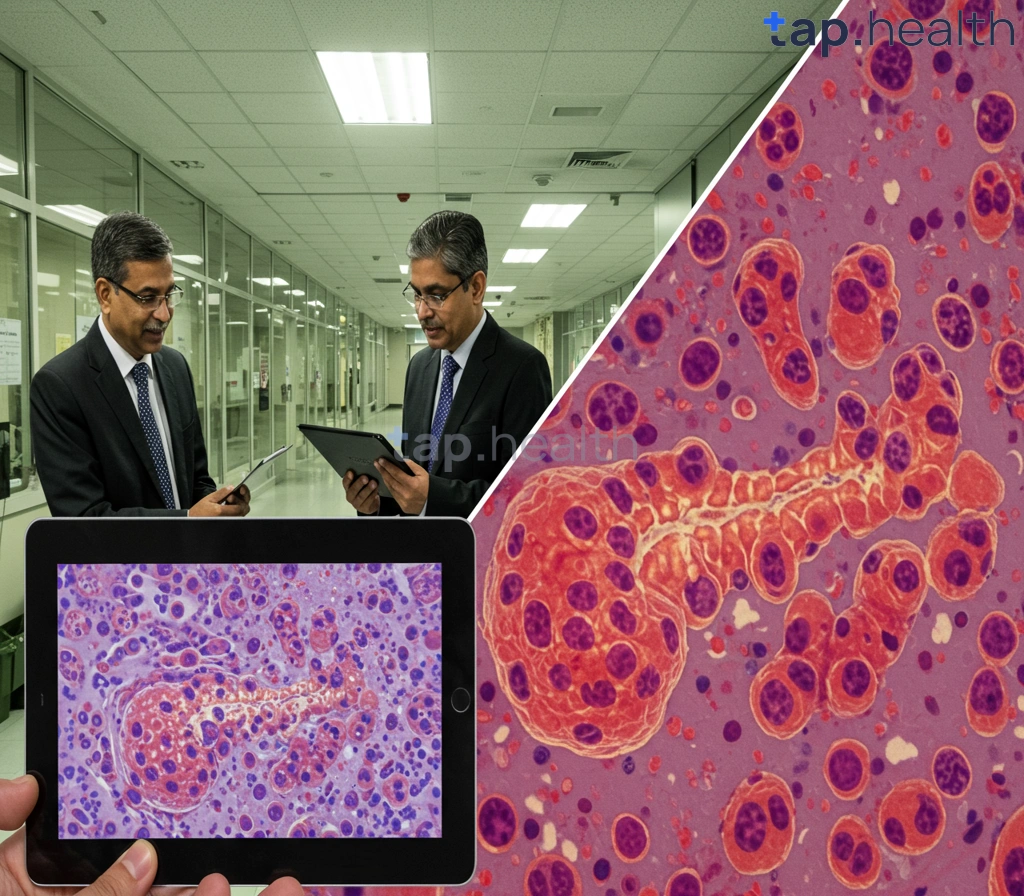
Pancreatic beta cells, responsible for insulin production, undergo structural changes in both diabetes and cancer. These changes, often involving alterations in cell size and shape, may impair their function. For instance, in Type 2 diabetes, beta cell dysfunction leads to insufficient insulin, causing high blood sugar. Similarly, changes in acinar cells (responsible for digestive enzyme production) are implicated in pancreatic cancer development. Understanding these morphological shifts is crucial for developing targeted prevention strategies.
Prevention Strategies for Indian and Tropical Populations
Given the high prevalence of diabetes and certain cancers in India and tropical regions, focusing on pancreatic cell health is particularly critical. This requires a multifaceted approach including dietary modifications emphasizing fresh fruits, vegetables, and whole grains; regular physical activity; and maintaining a healthy weight. These lifestyle changes can significantly reduce the risk of developing both diabetes and pancreatic cancer. Further research is needed to fully elucidate the link between pancreatic cell shape and disease risk, but the potential for prevention is promising. For those already diagnosed with diabetes, learning about potential strategies like those discussed in How to Reverse Diabetes Permanently could be beneficial. Maintaining a strong immune system is also crucial, and you can find helpful information in Boosting Immunity While Managing Diabetes.
Taking Action for a Healthier Future
Prioritizing healthy lifestyle choices is the most impactful step individuals in India and tropical countries can take to protect their pancreatic health and reduce their risk of diabetes and cancer. Consult with healthcare professionals to create a personalized prevention plan tailored to your specific needs and circumstances. Investing in your health today is an investment in a healthier tomorrow.
Frequently Asked Questions on Pancreatic Cell Shape Change: A New Link to Diabetes and Cancer Risk
Q1. What is the link between pancreatic cell shape and diabetes/cancer?
Emerging research shows a strong connection between changes in the shape of pancreatic cells and the development of both diabetes and pancreatic cancer, particularly in regions with high disease prevalence. These shape changes disrupt normal pancreatic function.
Q2. How does diet affect this risk?
High sugar intake, common in many diets, increases the risk by causing cellular stress and inflammation in pancreatic cells. A diet low in processed sugars is recommended.
Q3. What preventative measures can I take?
Maintaining a healthy weight, regular exercise, and a balanced diet low in processed sugars are crucial preventative steps. Regular health check-ups are also vital for early detection.
Q4. Why is early detection important for pancreatic cancer?
Pancreatic cancer often has a silent onset, meaning symptoms may not appear until the disease is advanced. Early detection significantly improves treatment outcomes.
Q5. What lifestyle changes can reduce my risk?
Lifestyle modifications such as maintaining a healthy weight, regular exercise, and a balanced diet low in processed sugars are key strategies to mitigate the risk of diabetes and pancreatic cancer.
References
- A Practical Guide to Integrated Type 2 Diabetes Care: https://www.hse.ie/eng/services/list/2/primarycare/east-coast-diabetes-service/management-of-type-2-diabetes/diabetes-and-pregnancy/icgp-guide-to-integrated-type-2.pdf
- Electronic Health Records-Based Data-Driven Diabetes Knowledge Unveiling and Risk Prognosis : https://arxiv.org/pdf/2412.03961