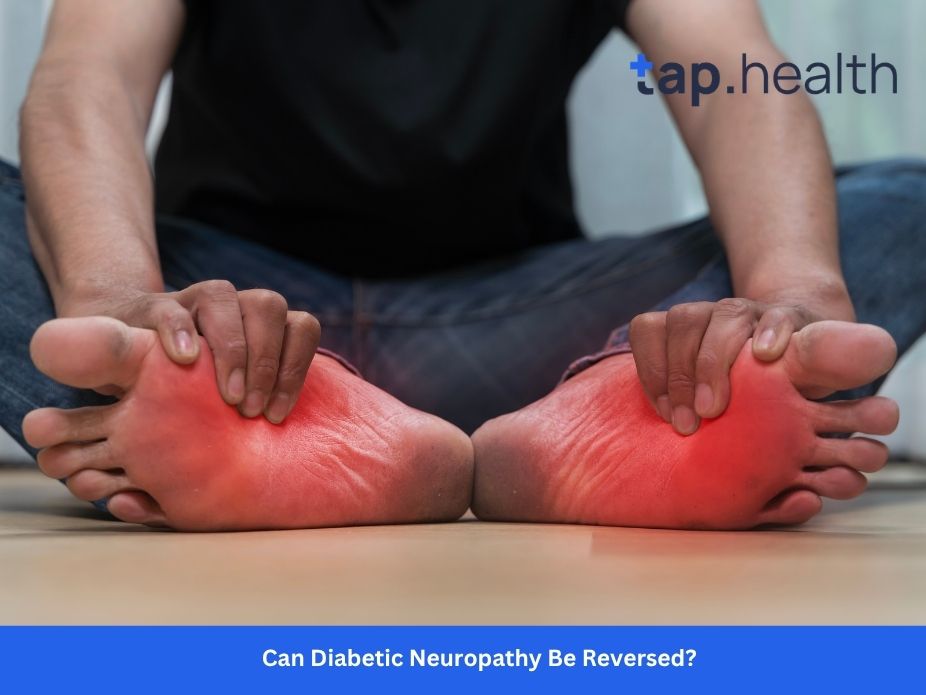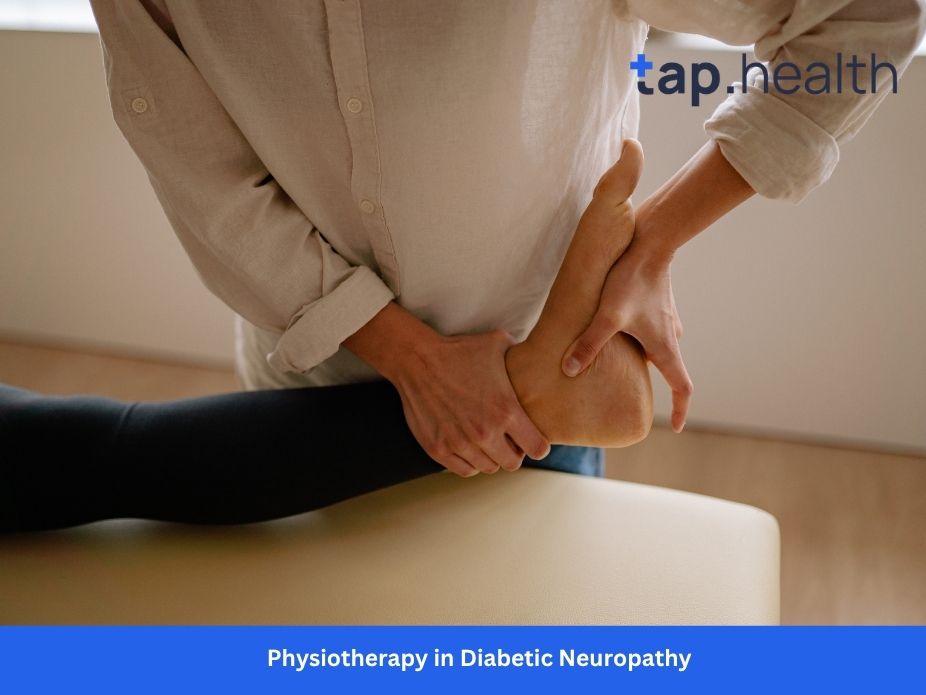
Living with diabetes brings its own set of challenges, but when burning, tingling sensations start creeping into your feet and hands, the reality becomes even harder. This nerve pain, known as diabetic neuropathy, affects millions of people across India and worldwide. If you have been struggling with numb toes, sharp shooting pains, or difficulty balancing while walking, you are not alone. The good news? There is a powerful, non-invasive ally in your corner: physiotherapy in diabetic neuropathy.
Many people assume that medication is the only answer when nerves start failing. However, targeted movement, specialised exercises, and hands-on therapy can transform how your body manages this condition. Whether you were diagnosed yesterday or have been managing diabetes for decades, understanding the role of physiotherapy in diabetic neuropathy could be the turning point in your health journey.
This guide walks you through everything you need to know—from understanding what is happening inside your nerves to practical exercises you can start today. We will explore real stories, expert insights, and proven strategies that make living with diabetic neuropathy more manageable.
What Exactly Is Diabetic Neuropathy?
Before diving into treatments, let us understand the enemy. Diabetic neuropathy is nerve damage caused by prolonged high blood sugar levels. When glucose remains elevated in your bloodstream for extended periods, it acts like a poison to your delicate nerve fibres. This damage typically starts in the extremities—your feet and hands—because these nerves are the longest and most vulnerable in your body.
The condition develops gradually, often over several years. Many patients do not notice the early warning signs until significant damage has occurred. You might feel a pins-and-needles sensation in your soles, or perhaps you have noticed that cuts on your feet heal slowly because you cannot feel them. These are classic indicators that your nervous system is under stress.
Types of Diabetic Neuropathy You Should Know
Not all nerve pain is the same. Understanding the type you have helps tailor your physiotherapy approach:
Peripheral Neuropathy: This is the most common form, affecting your feet, legs, hands, and arms. Symptoms include burning pain, numbness, tingling, and muscle weakness. Most patients describe it as walking on pebbles or feeling like their feet are wrapped in cotton wool.
Autonomic Neuropathy: This type damages the nerves that control internal organs. It can affect your heart rate, blood pressure, digestive system, and bladder function. While physiotherapy has limited direct impact here, maintaining overall fitness helps manage secondary symptoms.
Proximal Neuropathy: Also called diabetic amyotrophy, this affects the hips, buttocks, thighs, and legs. It causes severe pain and muscle weakness, making it difficult to stand up from sitting positions.
Focal Neuropathy: This sudden onset condition affects specific nerves, often in the head, torso, or leg. It causes muscle weakness or pain in isolated areas.
How High Blood Sugar Damages Your Nerves
Think of your nerves as electrical cables wrapped in protective insulation. Chronically high glucose levels strip away this insulation (myelin sheath), exposing the delicate fibres underneath. Without proper insulation, electrical signals get crossed, resulting in the misfired sensations you feel as pain or numbness.
Additionally, high sugar levels narrow your blood vessels, reducing oxygen supply to nerve tissues. This double whammy—chemical damage plus poor circulation—creates the perfect environment for neuropathy to flourish.
Understanding the Role of Physiotherapy in Diabetic Neuropathy
When nerves are damaged, many people assume rest is the best medicine. This could not be further from the truth. The role of physiotherapy in diabetic neuropathy goes far beyond simple exercise. It is a comprehensive approach to rewiring your nervous system, improving circulation, and teaching your body new ways to move safely.
Physiotherapists act as movement specialists who understand the delicate balance between challenging your body and protecting vulnerable nerves. They create customised programmes that address your specific symptoms, fitness level, and lifestyle needs. Unlike generic gym workouts, diabetic neuropathy physiotherapy focuses on nerve gliding, balance retraining, and pain modulation techniques.
The treatment works on multiple levels simultaneously. First, it improves blood flow to damaged nerves, delivering much-needed oxygen and nutrients. Second, it strengthens muscles that have weakened due to nerve damage, providing better support for your joints. Third, it retrains your brain’s perception of pain and body position, helping you regain coordination that neuropathy may have stolen.
Does Physiotherapy Help Diabetic Neuropathy? The Evidence Says Yes
If you are wondering, “Does physiotherapy help diabetic neuropathy?” research provides a resounding yes. Multiple studies published in peer-reviewed journals demonstrate significant improvements in pain levels, functional mobility, and quality of life for patients who undergo structured physiotherapy programmes.
A systematic review published in the Journal of Physical Therapy Science found that patients receiving physiotherapy interventions reported 40–60% reduction in neuropathic pain scores compared to those relying solely on medication. The combination of aerobic exercise, resistance training, and flexibility work creates a healing environment for damaged nerves.
Physio for diabetic neuropathy does not just mask symptoms—it addresses the underlying mechanical and circulatory issues contributing to nerve pain. Patients consistently report better sleep quality, reduced reliance on pain medication, and improved ability to perform daily activities after committing to regular sessions.
Diabetic Neuropathy Treatment in Physiotherapy: What to Expect
Walking into a physiotherapy clinic for diabetic neuropathy treatment can feel overwhelming if you do not know what awaits you. Let us demystify the process so you feel confident and prepared.
Initial Assessment and Goal Setting
Your first session involves a thorough evaluation. The physiotherapist will test your reflexes, check sensation levels in various parts of your feet and legs using monofilaments, assess your balance while standing and walking, and measure muscle strength. They will also review your medical history, current medications, and daily challenges.
Based on this assessment, they create personalised goals. These might include walking 500 metres without pain, standing on one foot for 30 seconds, or simply being able to sleep through the night without burning sensations waking you up.
Exercise Therapy: The Core Component
Exercise forms the backbone of diabetic neuropathy treatment in physiotherapy. However, these are not random movements thrown together. Each exercise serves a specific neurological or muscular purpose.
Aerobic Conditioning: Low-impact activities like cycling, swimming, or walking on a treadmill improve cardiovascular health and increase blood flow to peripheral nerves. The goal is to elevate your heart rate safely without putting excessive pressure on your feet.
Resistance Training: Using resistance bands or light weights strengthens muscles that have atrophied due to nerve damage. Stronger muscles mean better joint stability and reduced risk of falls.
Nerve Gliding Exercises: These specialised movements gently stretch and mobilise irritated nerves, preventing them from getting stuck in scar tissue or tight muscles. They help reduce the burning, shooting pains characteristic of neuropathy.
Balance and Gait Training
One of the most dangerous aspects of diabetic neuropathy is the loss of proprioception—your body’s ability to know where it is in space. When you cannot feel the ground beneath your feet properly, you are prone to stumbling and falling.
Physiotherapists use various tools to retrain your balance. This might include standing on foam pads, walking along straight lines, or using biofeedback devices that show you how your weight distributes across your feet. Gait training focuses on correcting walking patterns that have changed due to pain or weakness, ensuring you move efficiently and safely.
Pain Management Techniques
Beyond exercise, physiotherapists employ several modalities to manage pain:
Transcutaneous Electrical Nerve Stimulation (TENS): This device sends low-voltage electrical currents through the skin to disrupt pain signals travelling to your brain. Many patients find significant relief from the burning sensations using TENS units.
Therapeutic Ultrasound: Sound waves penetrate deep into tissues, increasing blood flow and reducing inflammation around irritated nerves.
Manual Therapy: Hands-on techniques like massage, joint mobilisation, and soft tissue release help reduce muscle tension that often accompanies neuropathic pain.
Education and Self-Management
Perhaps the most valuable aspect of physiotherapy is education. Your therapist teaches you how to check your feet daily, choose appropriate footwear, recognise signs of infection early, and modify activities to prevent injury. They provide diabetic neuropathy exercises PDF resources that you can reference at home, ensuring continuity between clinic visits.
Physical Therapy Exercises for Diabetic Neuropathy You Can Do at Home
While professional guidance is irreplaceable, consistency matters most in managing neuropathy. Here are evidence-based physical therapy exercises for diabetic neuropathy that you can incorporate into your daily routine.
Seated Ankle Circles and Point-Flex
Sit comfortably in a chair with your feet flat on the floor. Lift one foot slightly and slowly rotate your ankle in circles, ten times clockwise and ten times anti-clockwise. Then, point your toes away from you, hold for five seconds, and pull them back toward your shin, holding again. Repeat with the other foot.
This simple sequence maintains joint mobility and stimulates the small nerves in your feet without putting weight on them.
Heel-to-Toe Walking
Find a straight line on your floor—use tiles or place a strip of tape. Walk slowly along this line, placing the heel of one foot directly in front of the toes of the other foot with each step. Look straight ahead, not down at your feet. Do this for one minute, rest, and repeat three times.
This exercise challenges your balance and retrains your brain to process positional information from your feet.
Chair-Assisted Squats
Stand in front of a sturdy chair with your feet hip-width apart. Slowly lower yourself toward the chair as if sitting down, but stop just before touching the seat. Hold for three seconds, then stand back up. Repeat ten times.
This strengthens your quadriceps and glutes, muscles essential for standing up from chairs and climbing stairs safely.
Towel Scrunches
Place a small towel flat on the floor. While seated, use your toes to scrunch the towel toward you, then push it away. Perform this for two minutes per foot. It strengthens the intrinsic muscles of your feet, which often weaken in diabetic neuropathy.
Calf Raises
Stand behind a chair, holding the back for support. Slowly rise onto your toes, lifting your heels as high as possible. Hold for five seconds, then lower slowly. Complete three sets of fifteen repetitions.
Strong calves act as pumps, pushing blood back up from your legs toward your heart, improving circulation to your nerves.
Seated Hamstring Stretches
Sit with one leg extended straight out, heel on the floor. Keep your back straight and gently lean forward until you feel a stretch behind your thigh. Hold for thirty seconds without bouncing. Switch legs and repeat three times per side.
Tight hamstrings alter your walking pattern and put extra stress on your lower back and knees. Keeping them flexible maintains proper gait mechanics.
The Assessment Process: What Your Physiotherapist Looks For
Understanding diabetic neuropathy physiotherapy assessment helps you appreciate the thoroughness of professional evaluation. When you visit a clinic, your physiotherapist conducts several specific tests:
Monofilament Testing: Using a thin nylon fibre, they touch various points on your feet to check if you can feel light pressure. Loss of sensation indicates protective neuropathy.
Vibration Sense Evaluation: A tuning fork placed on your bony prominences tests whether you can feel vibration, another early indicator of nerve damage.
Balance Tests: The Romberg test involves standing with your feet together and eyes closed to see if you sway or lose balance without visual input.
Muscle Strength Grading: Your therapist tests key muscle groups against resistance, grading strength on a scale of zero to five.
Gait Analysis: They watch you walk across the room, looking for abnormalities like shuffling, high-stepping, or favouring one side.
These assessments create a baseline, allowing your therapist to track improvements objectively over time.
Real-Life Scenario: Ramesh’s Journey Back to Stability
Ramesh, a 58-year-old retired bank manager from Pune, had accepted that burning feet were simply his new reality. Fifteen years of type 2 diabetes had slowly stolen the sensation from his soles. He stopped his morning walks after nearly tripping on an uneven pavement. Nights were the worst—the burning kept him awake, and he found himself snapping at his family from exhaustion and pain.
His endocrinologist referred him to a physiotherapy clinic specialising in diabetes care. Initially sceptical, Ramesh wondered how exercise could help when he could barely feel his feet. The assessment revealed severe loss of protective sensation in both feet, significant balance impairment, and weakness in his calf muscles.
His physiotherapist designed a gradual programme. Week one focused solely on seated exercises and balance training while holding onto parallel bars. By week four, Ramesh was walking on a treadmill with a harness system that prevented falls. The TENS machine sessions provided immediate pain relief, allowing him to sleep through the night for the first time in months.
Three months later, Ramesh walks confidently in his neighbourhood again. He still checks his feet daily and wears prescribed footwear, but the fear has lifted. “I got my independence back,” he says. “The numbness is still there, but I know how to work with it now instead of letting it control me.”
Stories like Ramesh’s illustrate that while physiotherapy cannot reverse nerve damage completely, it can restore function, confidence, and quality of life.
Expert Contribution: What Specialists Say About Movement and Nerve Health
Dr Priya Menon, a senior physiotherapist at a leading Mumbai hospital, explains that diabetic neuropathy requires a multifaceted approach. “We are not just treating pain; we are preventing complications,” she notes. “When patients lose sensation, they develop Charcot foot—a condition where bones fracture and disintegrate because the person keeps walking on injured feet without feeling pain. Physiotherapy teaches protective strategies before these catastrophic injuries occur.”
Endocrinologists increasingly recognise that physiotherapy complements pharmaceutical management. Dr Arun Shah, a diabetologist with twenty years of experience, states: “Medications like pregabalin or gabapentin manage pain, but they do not improve function. When my patients work with physiotherapists, they maintain muscle mass, keep their joints mobile, and reduce their risk of falls. It is becoming standard care in my practice to refer all neuropathy patients for physiotherapy evaluation.”
Podiatrists also emphasise the importance of physiotherapy in foot health. Custom orthotics combined with gait retraining can redistribute pressure away from vulnerable areas of the foot, preventing ulcers that could lead to amputation.
Recommendations Grounded in Proven Research and Facts
When considering physiotherapy in diabetes management, evidence-based practice should guide your decisions. Here are recommendations supported by clinical research:
Start Early, Do Not Wait for Pain: Research published in Diabetes Care indicates that intervention during the early stages of neuropathy yields better outcomes than waiting for severe symptoms. Even if you only have mild tingling, consult a physiotherapist for preventive strategies.
Consistency Trumps Intensity: Studies show that moderate exercise performed regularly (30 minutes, five days per week) produces better nerve function improvements than sporadic intense workouts. Find a sustainable routine rather than pushing too hard and burning out.
Combine Aerobic and Resistance Training: The American Diabetes Association recommends both types of exercise for optimal neuropathy management. Aerobic exercise improves circulation, while resistance work maintains muscle mass that nerves control.
Monitor Blood Glucose During Exercise: Physical activity affects blood sugar levels. Check your glucose before and after sessions, especially when starting a new programme. Carry fast-acting carbohydrates in case of hypoglycaemia.
Protect Your Feet Always: Wear clean, well-fitted socks and appropriate shoes during every exercise session. Inspect your feet before and after activity for blisters, cuts, or redness.
Aquatic Therapy for Severe Cases: If weight-bearing exercise causes too much pain, consider water-based physiotherapy. The buoyancy reduces pressure on feet while resistance from water strengthens muscles.
Precautions and Safety: Protecting Yourself During Treatment
While physio for diabetic neuropathy offers tremendous benefits, safety remains paramount. Nerve damage means you might not feel injuries when they occur.
Never Exercise Through Sharp Pain: Muscle fatigue is expected, but sharp, shooting pains indicate nerve irritation. Stop immediately and consult your therapist.
Check Your Feet Religiously: Use a mirror to examine the soles of your feet daily. Look for cracks, blisters, or colour changes. If you cannot see clearly, ask a family member to help.
Maintain Proper Hydration: Dehydration concentrates glucose in your blood and reduces circulation to nerves. Drink water before, during, and after exercise.
Avoid High-Impact Activities: Running, jumping, or high-impact aerobics can traumatise insensitive feet. Stick to walking, swimming, cycling, or seated exercises.
Wear White Socks: If you have significant numbness, wear white socks during exercise. If you see blood on them afterward, you will know you have injured yourself even if you cannot feel it.
Keep a Glucose Log: Track how different exercises affect your blood sugar. Share this log with your healthcare team to adjust medication or meal plans accordingly.
Myths vs Facts: Clearing Up Confusion About Neuropathy and Exercise
Myth: If your feet are numb, you should not exercise them at all. Fact: While high-impact exercise is risky, controlled, low-impact movement improves circulation and prevents further complications. The key is proper assessment and protective footwear.
Myth: Physiotherapy can cure diabetic neuropathy completely. Fact: Currently, there is no cure for diabetic neuropathy. Physiotherapy manages symptoms, improves function, and prevents progression, but damaged nerves do not regenerate fully through exercise alone.
Myth: Only people with severe symptoms need physiotherapy. Fact: Early intervention prevents progression. Starting physiotherapy when symptoms are mild offers the best chance of maintaining nerve function long-term.
Myth: You need expensive equipment for effective neuropathy exercises. Fact: Most beneficial exercises require only a chair, a towel, and your body weight. Fancy equipment is unnecessary for good outcomes.
Key Takeaways: Your Path Forward
Managing diabetic neuropathy requires a comprehensive approach, and physiotherapy in diabetic neuropathy stands as a cornerstone of effective care. Remember these essential points:
Physiotherapy addresses the functional limitations caused by nerve damage, improving your ability to walk, balance, and perform daily activities safely. It works alongside medication, not as a replacement for blood sugar control, but as a vital complement to it.
Regular, moderate exercise improves circulation to damaged nerves, potentially slowing further deterioration while reducing pain and discomfort. The exercises are simple, require minimal equipment, and can be adapted for home use with proper guidance.
Safety precautions—daily foot checks, appropriate footwear, and blood glucose monitoring—enable you to exercise confidently without risking injury. Starting physiotherapy early, even with mild symptoms, offers the best protection against future complications.
You do not have to accept immobility or constant pain as your fate. With consistent physiotherapy, education, and self-management, you can maintain an active, independent lifestyle despite neuropathy.
Frequently Asked Questions on Physiotherapy in Diabetic Neuropathy
Can physiotherapy cure diabetic neuropathy completely?
No, physiotherapy cannot cure diabetic neuropathy completely because damaged peripheral nerves have limited capacity to regenerate. However, it effectively manages symptoms, improves functional mobility, reduces pain levels, and prevents further complications. The goal is optimal symptom management and quality of life maintenance rather than cure.
How often should I attend physiotherapy sessions?
Initially, most patients benefit from two to three sessions per week for six to eight weeks. Once you learn the exercises and your condition stabilises, you might reduce to monthly check-ins while maintaining a home exercise programme. Your physiotherapist will adjust frequency based on your progress and severity of symptoms.
Is it safe to exercise with diabetic neuropathy?
Yes, exercise is safe and recommended for diabetic neuropathy, provided you take precautions. Wear proper footwear, check your feet daily, monitor blood glucose levels, and avoid high-impact activities. Working with a physiotherapist ensures you choose safe, effective exercises appropriate for your specific nerve damage level.
What are the best exercises for diabetic foot neuropathy?
The best exercises include seated ankle movements, toe curls using towels, calf raises while holding a chair, and heel-to-toe walking for balance. Aquatic exercises in warm water are excellent for severe cases. These movements improve circulation and strength without putting excessive pressure on insensitive feet.
Can I do physiotherapy at home?
Yes, many physiotherapy exercises can be performed at home once you learn proper technique from a professional. Physiotherapists often provide diabetic neuropathy exercises PDF guides or videos for reference. However, initial assessment and periodic supervision by a qualified physiotherapist remain essential to ensure safety and effectiveness.
How long does it take to see results from physiotherapy?
Most patients notice improvements in pain levels and balance within four to six weeks of consistent therapy. However, significant functional changes typically require three to six months of regular practice. Patience and consistency are crucial, as nerve healing and muscle strengthening occur gradually.
Is physiotherapy better than medication for diabetic neuropathy?
Physiotherapy and medication serve different purposes and work best together. Medications like pregabalin or duloxetine manage pain signals, while physiotherapy improves physical function, circulation, and strength. Neither is inherently “better”—they complement each other in comprehensive neuropathy management.
Where can I find diabetic neuropathy physiotherapy PDF resources?
Reputable sources include hospital physiotherapy departments, diabetes associations, and academic physiotherapy websites. Ask your physiotherapist for specific diabetic neuropathy physiotherapy PDF handouts tailored to your condition. Many universities and medical centres offer free downloadable guides on their official websites.
References
Mayo Clinic – Diabetic Neuropathy Diagnosis and Treatment
Healthline – Physical Therapy for Diabetic Neuropathy
WebMD – Diabetes and Nerve Damage: Tips for Exercise
NHS – Diabetic Neuropathy Overview and Management
Harvard Health Publishing – Exercising with Diabetes Complications
American Diabetes Association – Standards of Medical Care in Diabetes
Journal of Physical Therapy Science – Effects of Exercise on Diabetic Peripheral Neuropathy