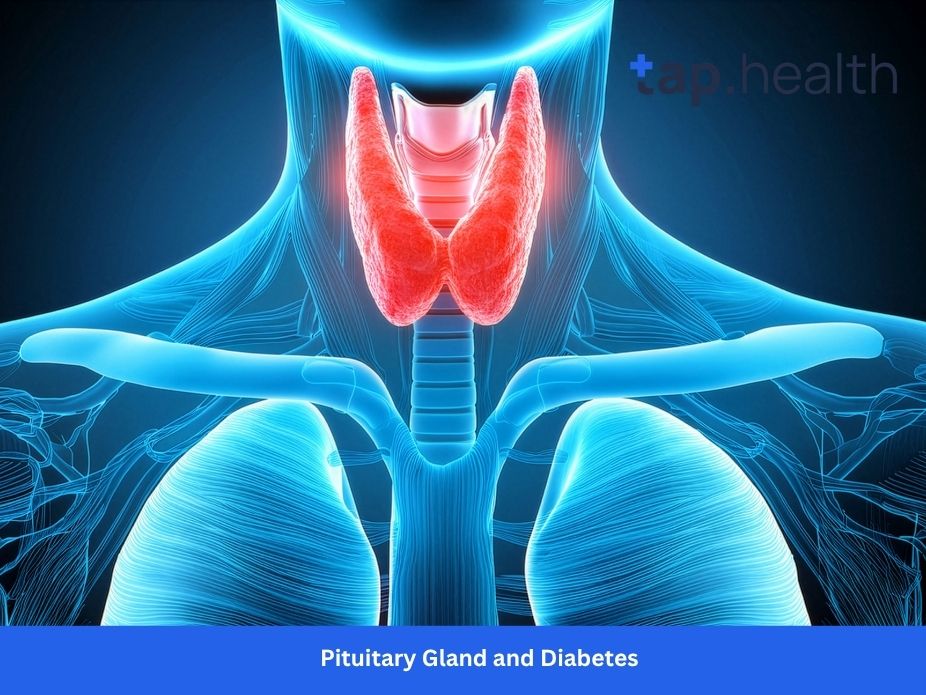
When most people think about diabetes, they immediately picture the pancreas. But there is another tiny yet mighty gland sitting at the base of your brain that plays a surprisingly significant role in how your body manages sugar. The pituitary gland, often called the “master gland” of your endocrine system, influences diabetes in ways that many people do not realise.
This connection goes far beyond simple hormone production. The pituitary gland controls a complex network of chemical messengers that directly affect how your cells respond to insulin, how your liver releases glucose, and even how your kidneys handle water balance. Understanding this relationship could be the key to better managing your metabolic health or recognising warning signs that something is wrong.
In this comprehensive guide, we will explore everything you need to know about how the pituitary gland and diabetes intersect. We will examine the different types of diabetes linked to pituitary dysfunction, the symptoms to watch for, how doctors diagnose these conditions, and what treatment options are available.
What Is the Pituitary Gland and Why Does It Matter for Diabetes?
The pituitary gland is a pea-sized organ located at the base of your brain, just behind the bridge of your nose. Despite its small size, it punches well above its weight in terms of importance. This gland produces and stores hormones that regulate nearly every major bodily function, from growth and reproduction to metabolism and stress response.
Think of the pituitary gland as the conductor of an orchestra. Just as a conductor ensures all musicians play in harmony, the pituitary coordinates hormones from your thyroid, adrenal glands, ovaries or testes, and yes, even your pancreas. When this conductor gets confused or injured, the entire hormonal symphony can fall out of tune, leading to metabolic chaos that may manifest as diabetes or diabetes-like conditions.
The connection between the pituitary gland and diabetes becomes clearer when you understand that diabetes is fundamentally a hormonal disorder. While Type 1 and Type 2 diabetes involve insulin problems, other forms of diabetes, particularly diabetes insipidus, stem directly from pituitary dysfunction. Moreover, several pituitary disorders can cause or worsen insulin resistance, creating a complex relationship that endocrinologists navigate daily.
Diabetes Insipidus: When the Pituitary Cannot Regulate Water Balance
Diabetes insipidus represents the most direct link between pituitary gland dysfunction and a diabetes diagnosis. Despite sharing a name with diabetes mellitus, diabetes insipidus is an entirely different condition with a completely different cause. However, the symptoms can look remarkably similar, leading to confusion among patients and sometimes even healthcare providers.
What Causes Central Diabetes Insipidus?
Central diabetes insipidus occurs when your pituitary gland or the hypothalamus cannot produce, store, or release sufficient antidiuretic hormone, also known as vasopressin. This hormone normally tells your kidneys to reabsorb water back into your bloodstream, concentrating your urine and preventing dehydration.
Without adequate vasopressin, your kidneys cannot reabsorb water properly. The result is the production of large volumes of extremely dilute urine, sometimes up to 20 litres per day compared to the normal 1 to 2 litres. Your body loses water so rapidly that you develop intense, unquenchable thirst as a compensatory mechanism.
Damage to the pituitary gland or hypothalamus can occur for several reasons. Brain tumours, particularly those near the pituitary stalk, can compress or destroy the cells that produce vasopressin. Head injuries, especially severe ones involving the base of the skull, may damage these delicate structures. Brain surgery, particularly operations near the pituitary, carries a significant risk of causing diabetes insipidus.
Other causes include infections like meningitis or encephalitis, inflammation of the pituitary, and rare genetic conditions such as Wolfram syndrome. In approximately one-third of cases, no specific cause can be identified, and these are classified as idiopathic central diabetes insipidus, possibly related to autoimmune processes.
Recognising the Symptoms of Diabetes Insipidus
The hallmark symptoms of diabetes insipidus are excessive thirst and excessive urination. However, these symptoms have specific characteristics that distinguish them from diabetes mellitus or simple overhydration.
Patients with diabetes insipidus often report waking multiple times during the night to urinate, sometimes as frequently as every 15 to 30 minutes. The urine is typically very pale or colourless, almost like water, because it lacks the concentrated waste products that normally give urine its yellow tint. The thirst is often described as overwhelming, and patients may prefer cold water specifically.
In infants and young children who cannot express their thirst verbally, symptoms may include irritability, poor feeding, failure to grow or gain weight, unexplained fever, and vomiting. Parents might notice their child producing unusually wet nappies or bedwetting despite being toilet-trained.
If left untreated, diabetes insipidus can lead to severe dehydration, electrolyte imbalances, confusion, seizures, and even death. However, most patients instinctively drink enough water to compensate for their losses, preventing severe complications unless they lose access to fluids.
How Growth Hormone Affects Blood Sugar and Diabetes Risk
While diabetes insipidus represents a direct pituitary disorder, the relationship between growth hormone and diabetes mellitus is more subtle but equally important. Growth hormone, produced by the anterior pituitary gland, plays a crucial role in glucose metabolism.
The Dual Nature of Growth Hormone in Metabolism
Growth hormone is one of the “counter-regulatory” hormones, meaning it acts opposite to insulin. While insulin lowers blood sugar by helping cells absorb glucose, growth hormone raises blood sugar by promoting the release of stored glucose from the liver and making muscle and fat cells resistant to insulin’s effects. Under normal circumstances, this balance works perfectly.
Problems arise when growth hormone levels remain chronically elevated. This condition, known as acromegaly when caused by a pituitary tumour, creates a state of sustained insulin resistance. The excess growth hormone continuously signals the liver to release glucose while simultaneously blocking insulin’s ability to shuttle glucose into cells. The pancreas tries to compensate by producing more insulin, but over time, the beta cells may become exhausted, leading to diabetes.
Research shows that approximately 20% to 50% of patients with acromegaly develop diabetes mellitus, with even higher rates of impaired glucose tolerance or prediabetes. Interestingly, the severity of diabetes often correlates with the activity of the underlying acromegaly.
Acromegaly and Diabetes: A Two-Way Street
The relationship between acromegaly and diabetes is bidirectional. Not only does acromegaly cause diabetes, but diabetes itself can alter growth hormone dynamics. In poorly controlled Type 1 diabetes, growth hormone levels often rise while insulin-like growth factor-1 levels fall, creating a state of “growth hormone resistance.”
This complex interplay means that endocrinologists must carefully monitor both conditions when they coexist. Treating acromegaly through surgery, medication, or radiation often improves diabetes control, sometimes to the point where diabetes medications can be reduced or discontinued.
Cushing’s Disease: When the Pituitary Triggers Cortisol-Induced Diabetes
Another pituitary disorder with profound effects on glucose metabolism is Cushing’s disease. Cushing’s disease specifically refers to a pituitary tumour that overproduces adrenocorticotropic hormone, which in turn stimulates the adrenal glands to release excessive cortisol.
Cortisol naturally raises blood sugar levels by promoting glucose production in the liver and inducing insulin resistance in peripheral tissues. In Cushing’s disease, cortisol levels remain persistently elevated, creating a chronic state of hyperglycaemia that can be difficult to control with standard diabetes treatments.
Studies indicate that between 20% and 50% of patients with Cushing’s disease develop diabetes mellitus, while another 10% to 30% have impaired glucose tolerance. Collectively, approximately 70% of patients with Cushing’s disease show some abnormality in glucose metabolism. The diabetes associated with Cushing’s disease often features normal fasting glucose but significantly elevated post-meal blood sugar.
Treatment focuses on removing or controlling the pituitary tumour to normalise cortisol levels. Once cortisol returns to normal, diabetes often improves dramatically, though some patients may require ongoing diabetes management if pancreatic beta cells have been permanently damaged.
Prolactin and Its Surprising Role in Glucose Metabolism
Prolactin, best known for its role in milk production during breastfeeding, also influences how your body handles sugar. Research has revealed a fascinating paradox: while normal physiological levels of prolactin appear protective against diabetes, pathologically high levels can worsen insulin resistance.
Population studies have shown that men and women with higher normal-range prolactin levels have lower rates of diabetes and impaired glucose regulation. Prolactin seems to support beta-cell function in the pancreas, helping these insulin-producing cells survive and function properly.
However, when prolactin levels become excessively high due to a pituitary prolactinoma, the metabolic effects reverse. These patients often develop insulin resistance, obesity, and diabetes. The good news is that treatment with dopamine agonists usually lowers prolactin levels and improves metabolic parameters.
How to Strengthen and Support Your Pituitary Gland
Given the pituitary gland’s crucial role in metabolic health, many people wonder whether they can take steps to support or strengthen this vital organ. While you cannot “exercise” your pituitary gland like a muscle, certain lifestyle factors can help maintain optimal pituitary function and hormonal balance.
Prioritise Quality Sleep
The pituitary gland releases many of its hormones in rhythmic pulses, with significant secretion occurring during deep sleep. Growth hormone, for instance, peaks during slow-wave sleep, while ACTH follows a circadian rhythm with highest levels in the early morning. Chronic sleep deprivation disrupts these patterns, potentially leading to hormonal imbalances that affect metabolism.
To support healthy pituitary function, aim for 7 to 9 hours of quality sleep per night. Maintain a consistent sleep schedule, even on weekends, and create a sleep environment that is dark, cool, and quiet.
Manage Stress Effectively
Chronic stress keeps your hypothalamic-pituitary-adrenal axis constantly activated, leading to elevated ACTH and cortisol levels. Over time, this can exhaust the system and contribute to metabolic problems. Stress management techniques such as meditation, deep breathing exercises, yoga, or mindfulness practices have been shown to help regulate HPA axis function.
Optimise Your Nutrition
Certain nutrients play important roles in supporting hypothalamic and pituitary health. Omega-3 fatty acids may help regulate the HPA axis and reduce inflammation. Polyphenols, abundant in colourful fruits and vegetables, particularly berries, green tea, and dark chocolate, may protect the hypothalamus from oxidative stress.
B vitamins, vitamin C, vitamin E, and selenium also appear important for endocrine function. Focus on eating a balanced, Mediterranean-style diet rich in whole foods, lean proteins, healthy fats, and plenty of vegetables.
Exercise Regularly
Regular physical activity helps improve insulin sensitivity and may support healthy growth hormone secretion. Both aerobic exercise and resistance training have been shown to stimulate growth hormone release, though the effect varies with intensity and duration. However, avoid overtraining, as excessive exercise without adequate recovery can stress the HPA axis.
What Blood Tests Check Pituitary Gland Function?
If your doctor suspects a pituitary problem, several blood tests can evaluate how well your pituitary gland is working. These tests measure either the hormones produced directly by the pituitary or the hormones produced by the glands the pituitary controls.
Baseline Hormone Tests
Basic pituitary function testing typically includes measuring levels of ACTH and cortisol, growth hormone and IGF-1, prolactin, thyroid-stimulating hormone and free T4, and the reproductive hormones FSH, LH, oestradiol or testosterone.
Dynamic Function Tests
Because pituitary hormones are released in pulses and affected by various factors, doctors sometimes need dynamic tests that stimulate or suppress hormone production:
The water deprivation test is used to diagnose diabetes insipidus. After withholding fluids, doctors measure urine concentration and blood sodium levels, then administer synthetic vasopressin to see if the kidneys respond.
The glucose suppression test is used to diagnose acromegaly. Normally, drinking a glucose solution suppresses growth hormone levels. If growth hormone remains elevated, this confirms excessive production.
The ACTH stimulation test measures how well your adrenal glands respond to synthetic ACTH. A blunted response suggests adrenal insufficiency, possibly from pituitary disease.
Imaging Studies
When blood tests suggest a pituitary problem, magnetic resonance imaging of the brain with special attention to the pituitary gland is usually the next step. MRI can detect pituitary tumours as small as 2 to 3 millimetres.
For difficult-to-diagnose cases of Cushing’s disease, a specialised test called inferior petrosal sinus sampling may be performed to confirm whether a pituitary tumour is the source of excess ACTH.
Real-Life Scenario: When Diabetes Symptoms Mask a Pituitary Problem
Consider the case of Sarah, a 42-year-old woman who visited her general practitioner complaining of excessive thirst and frequent urination. Her initial blood tests showed slightly elevated blood sugar, leading to a diagnosis of Type 2 diabetes. She was prescribed metformin and advised to modify her diet.
Over the next six months, Sarah’s thirst and urination worsened despite her blood sugar improving. She was waking up five or six times nightly to use the bathroom and drinking nearly 5 litres of water daily. Her urine was almost clear. Further questioning revealed she had undergone surgery for a benign brain tumour three years earlier.
A water deprivation test and MRI confirmed central diabetes insipidus. Her pituitary was not producing sufficient vasopressin, likely due to surgical damage. Once Sarah started treatment with desmopressin, her symptoms resolved completely. Her “diabetes” had never been diabetes mellitus at all, but a pituitary disorder masquerading as one.
Expert Contribution: Insights from Endocrinology Practice
Dr. James Morrison, a consultant endocrinologist with over 20 years of experience, shares his perspective: “The pituitary gland is often the forgotten player in diabetes care. Most patients and many general practitioners focus exclusively on the pancreas and insulin. However, I regularly see patients whose diabetes is actually caused or significantly worsened by pituitary dysfunction.”
Dr. Morrison emphasises the importance of recognising red flags: “If a patient has diabetes that is unusually difficult to control, or if they have diabetes plus other hormonal issues like thyroid disease or menstrual irregularities, I immediately think about the pituitary. Similarly, new-onset diabetes in someone with acromegalic features warrants investigation for growth hormone excess.”
Recommendations Grounded in Proven Research and Facts
Based on current medical evidence, here are key recommendations:
If you have diabetes insipidus, take desmopressin exactly as prescribed. Monitor your fluid balance carefully, drink when thirsty but avoid overhydration, and carry medical identification indicating your condition.
If you have acromegaly, work with an endocrinologist experienced in pituitary disorders. Treatment options include surgery, medication to block growth hormone action, or somatostatin analogues. Successful treatment often improves or resolves associated diabetes.
If you have Cushing’s disease, surgical removal of the pituitary tumour is usually the first-line treatment. Close monitoring of blood sugar is essential during treatment.
For general pituitary health, maintain regular sleep patterns, manage stress, eat a balanced diet, and avoid excessive alcohol consumption.
Key Takeaways: Understanding the Pituitary-Diabetes Connection
First, diabetes insipidus is a distinct condition caused by pituitary or hypothalamic dysfunction, resulting in excessive thirst and urination due to lack of vasopressin. It requires different treatment than diabetes mellitus.
Second, several pituitary disorders, notably acromegaly and Cushing’s disease, can cause or worsen diabetes mellitus through hormonal mechanisms that induce insulin resistance.
Third, the pituitary produces multiple hormones that influence blood sugar, including growth hormone, ACTH, and potentially prolactin.
Fourth, supporting pituitary health through adequate sleep, stress management, proper nutrition, and regular exercise may help maintain optimal hormonal balance.
Finally, if you experience symptoms like excessive thirst and urination, particularly if accompanied by other hormonal symptoms or a history of brain injury or surgery, seek comprehensive evaluation including pituitary function testing.
Frequently Asked Questions
Does the pituitary gland have anything to do with diabetes?
Yes, absolutely. The pituitary gland influences diabetes in several ways. It produces growth hormone and ACTH, which affect blood sugar levels and insulin sensitivity. Disorders like acromegaly and Cushing’s disease commonly cause diabetes. Additionally, the pituitary stores and releases vasopressin; when this function fails, it causes diabetes insipidus.
How can I strengthen my pituitary gland?
While you cannot directly strengthen the pituitary like a muscle, you can support its function through lifestyle measures. Prioritise 7 to 9 hours of quality sleep nightly, manage chronic stress through meditation or yoga, eat a nutrient-rich diet including omega-3 fatty acids and polyphenols, and exercise regularly but avoid overtraining.
What diseases can affect the pituitary gland?
Numerous conditions can affect the pituitary gland. Pituitary adenomas are the most common, including prolactinomas, somatotroph adenomas causing acromegaly, and corticotroph adenomas causing Cushing’s disease. Other conditions include craniopharyngiomas, hypophysitis, Sheehan’s syndrome, traumatic brain injury, and genetic disorders.
What blood tests check pituitary gland function?
Doctors use several blood tests to evaluate pituitary function. These include measuring ACTH and cortisol, growth hormone and IGF-1, prolactin, TSH and free T4, and reproductive hormones. Dynamic tests like the water deprivation test, glucose suppression test, and ACTH stimulation test provide additional information.
Can pituitary surgery cure diabetes?
If diabetes is caused by a hormone-secreting pituitary tumour, successful surgical removal often leads to significant improvement or complete resolution of diabetes. However, if the pancreas has been permanently damaged, some diabetes may persist. For diabetes insipidus caused by pituitary surgery, the condition is often temporary.
Is diabetes insipidus the same as diabetes mellitus?
No, they are completely different conditions despite sharing a name. Diabetes mellitus involves high blood sugar due to insulin problems. Diabetes insipidus involves water balance due to vasopressin deficiency or kidney unresponsiveness. The only similarity is that both cause excessive thirst and urination.
What is the treatment for diabetes insipidus?
Central diabetes insipidus is treated with desmopressin, a synthetic form of vasopressin available as nasal spray, tablets, or melts. Nephrogenic diabetes insipidus is managed with thiazide diuretics and NSAIDs that reduce urine output, along with dietary modifications. All patients must ensure adequate fluid intake to prevent dehydration.
Can stress affect my pituitary gland and blood sugar?
Yes, chronic stress activates the hypothalamic-pituitary-adrenal axis, causing the pituitary to release more ACTH, which stimulates cortisol production. Elevated cortisol raises blood sugar by promoting glucose production in the liver and causing insulin resistance. Stress management techniques can help modulate this response.
References:
- Mayo Clinic – Diabetes Insipidus: Symptoms and Causes (2023) https://www.mayoclinic.org/diseases-conditions/diabetes-insipidus/symptoms-causes/syc-20351269
- NHS UK – Diabetes Insipidus Causes (2025) https://www.nhs.uk/conditions/diabetes-insipidus/causes/
- NIDDK – Diabetes Insipidus (2021) https://www.niddk.nih.gov/health-information/kidney-disease/diabetes-insipidus
- Cleveland Clinic – Cushing Syndrome (2026) https://my.clevelandclinic.org/health/diseases/5497-cushing-syndrome
- Cleveland Clinic – Cushing Disease Treatment (2025) https://my.clevelandclinic.org/services/cushing-disease-treatment
- PMC – Insulin Resistance in Patients With Acromegaly (2019) https://pmc.ncbi.nlm.nih.gov/articles/PMC6683662/
- PMC – Secondary Diabetes Mellitus in Acromegaly (2023) https://pmc.ncbi.nlm.nih.gov/articles/PMC10239382/
- Healthline – Cranial Diabetes Insipidus (2023) https://www.healthline.com/health/cranial-diabetes-insipidus
- Healthline – Diabetes Insipidus Types and Causes (2022) https://www.healthline.com/health/type-2-diabetes/diabetes-insipidus
- Healthline – Central Diabetes Insipidus (2023) https://www.healthline.com/health/central-diabetes-insipidus
- Healthline – Pituitary Tumors and Diabetes Insipidus (2023) https://www.healthline.com/health/diabetes-insipidus-pituitary-tumor
- Mayo Clinic – Hypopituitarism Symptoms and Causes (2024) https://www.mayoclinic.org/diseases-conditions/hypopituitarism/symptoms-causes/syc-20351645
- Mayo Clinic – Diabetes Insipidus Diagnosis and Treatment (2023) https://www.mayoclinic.org/diseases-conditions/diabetes-insipidus/diagnosis-treatment/drc-20351274
- Mayo Clinic – Pituitary Tumors Diagnosis and Treatment (2025) https://www.mayoclinic.org/diseases-conditions/pituitary-tumors/diagnosis-treatment/drc-20350553
- Mayo Clinic – Transsphenoidal Surgery (2025) https://www.mayoclinic.org/tests-procedures/transsphenoidal-surgery/about/pac-20583059
- NHS UK – Diabetes Insipidus Treatment (2025) https://www.nhs.uk/conditions/diabetes-insipidus/treatment/
- NHS UK – Diabetes Insipidus Complications (2022) https://www.nhs.uk/conditions/diabetes-insipidus/complications/